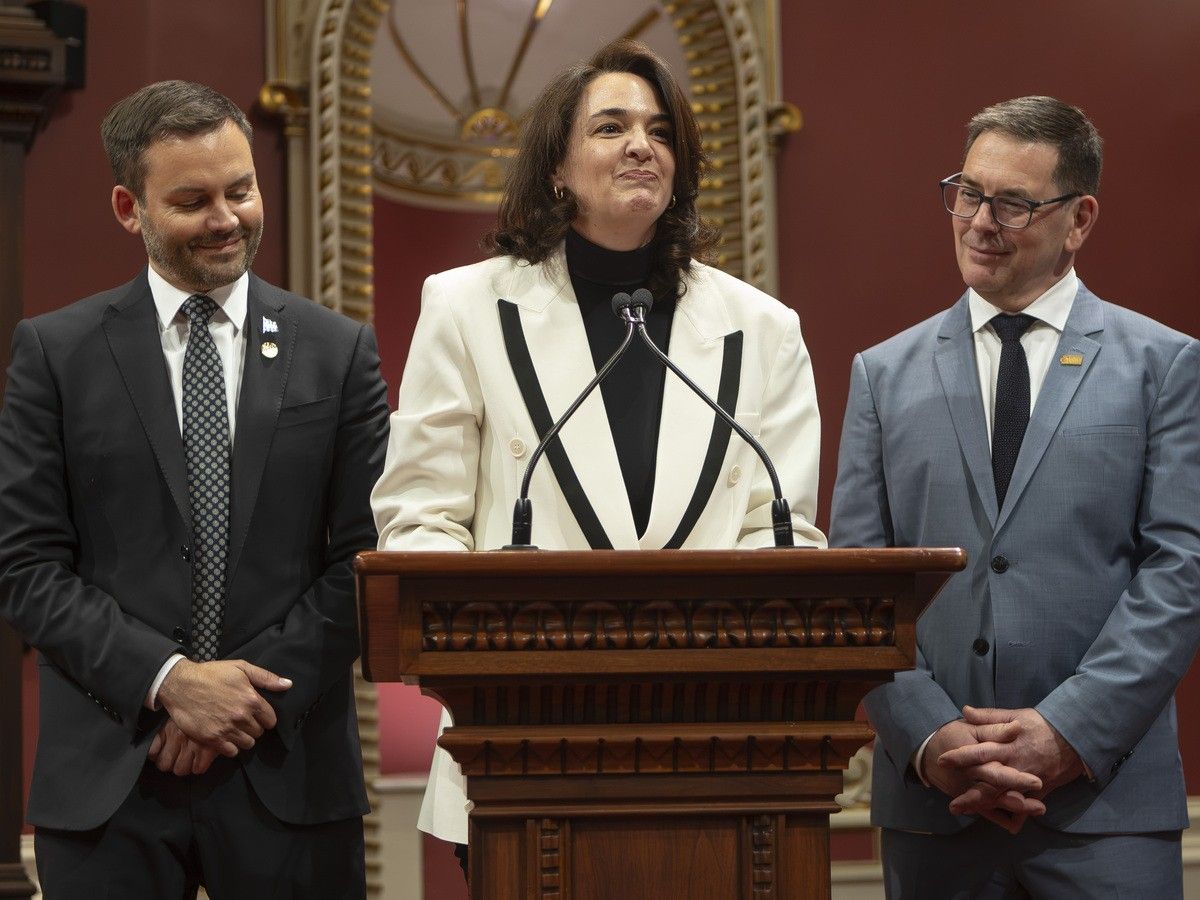
Just days after Quebec opted not to join the nine other Canadian provinces in signing a landmark operating agreement to allow direct-to-consumer (DTC) interprovincial sales of alcohol, Paul Cirka wrote to Premier Christine Fréchette.
asserted
Cirka → opt → Fréchette
The CEO and founder of CIRKA Distilleries in Montreal lamented the fact that Quebec spirits producers like him cannot yet submit applications to sell in other provinces.
asserted
producers → lament → provinces
“While producers in other provinces are developing relationships with new clients, building their mailing lists, and establishing their brands in new provincial markets, Quebec producers remain excluded,” Cirka wrote in a letter to Fréchette on Aug. 6.
asserted
Cirka → develop → Aug.
“By the time Quebec eventually joins the agreement, our competitors may have gained a significant lead that will be difficult and costly to overcome,” he added.
uncertain
he → join → lead
Fréchette has said Quebec supports the terms of the agreement, but that certain laws need to be amended before DTC sales can take effect.
asserted
sales → say → effect
She said those changes can be made after the October election on Oct. 5, when the Quebec legislature resumes its session.
asserted
legislature → say → session
National Post spoke to industry players in Quebec who felt they were excluded from the decision-making process, and to government sources who are irritated that Quebec remains the outlier.
asserted
Quebec → speak → sources
Fréchette’s refusal to sign the agreement was especially surprising, given that her predecessor, François Legault, had agreed to a memorandum of understanding in May 2025 to allow interprovincial sales of beer, wine and spirits within one year.
uncertain
predecessor → sign → year
While many provinces made significant progress during that time, Dominic LeBlanc, the federal minister responsible for internal trade, opted to send a strongly-worded statement on May 29, 2026, urging all provinces to get with the program.
uncertain
LeBlanc → make → program
“Removing interprovincial trade barriers that create unnecessary costs and limit opportunities for Canadian business and consumers alike is critical to building a more competitive, integrated, and prosperous Canadian economy,” LeBlanc said.
“Canadians expect all orders of government to show leadership to realize this vision, and it’s time to deliver,” he concluded.
asserted
he → remove → vision
Nine premiers signed the final agreement less than two months later, on July 21, 2026.
asserted
premiers → sign → July
One senior government official in Ontario said there is “frustration across the board” that Quebec refused to sign, but it is more acutely felt in Ontario given that Premier Doug Ford has been leading the charge on issues related to trade liberalization.
asserted
Ford → say → liberalization
“If this is good enough for nine out of 10 provinces, why isn’t it good for Quebec?” the official said.
asserted
official → say → Quebec
Béatrice Déry, a spokeswoman for the incumbent minister of the economy, said that, in the past year, Quebec has undertaken a process to modernize all legislation governing the alcoholic beverage sector in order to adapt it to today’s realities.
asserted
Quebec → say → realities
“The resulting modernization will pave the way for direct-to-consumer sales and the signing of the associated operationalization agreement,” she said.
asserted
she → result → agreement
Déry said that the Quebec government plans to table an omnibus bill amending the relevant legislation — along with the regulations required for its implementation — reflecting the direction during the modernization process “in late fall or early winter.”
asserted
government → say → fall
Two days of consultation with the industry on how to modernize Quebec’s alcoholic beverage sector indeed took place back in May, which led to a report being tabled in June.
uncertain
report → modernize → June
But the report largely glossed over issues relating to interprovincial trade.
asserted
report → gloss → trade
Matthieu Beauchemin, president of the Quebec Wine Council, said his industry was excluded from government discussions regarding interprovincial trade in the last year.
asserted
industry → say → year
“Quebec chose to deal solely with the SAQ (Société des alcools du Québec) as its representative within the province; consequently, we were effectively shut out of those negotiations and had no real say in the matter,” Beauchemin said in an interview.
asserted
Beauchemin → choose → interview
“So, it is not without reason that we find ourselves in a situation today where Quebec is the only one that did not sign (the DTC agreement).
asserted
that → find → agreement
Certainly, if the Quebec industry had been at the table, the outcome might have been different,” he added.
uncertain
he → add → table
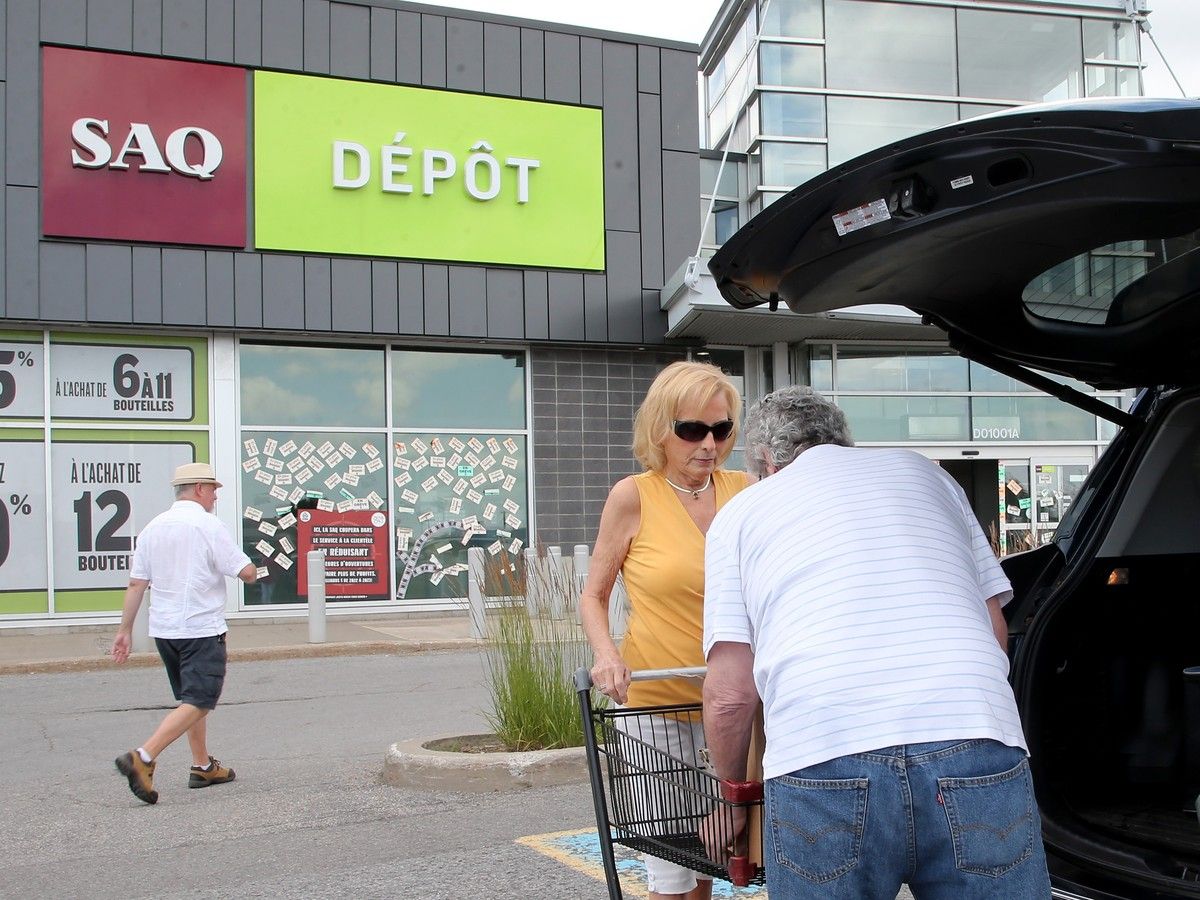
Cirka said few people will come out and say that government policy is heavily influenced by the SAQ’s monopoly but said it’s “absolutely true.”
The SAQ was not immediately available to respond to questions on the matter.
asserted
SAQ → say → matter
Ryan Manucha, a research fellow at the C.D. Howe Institute, said governments are so dependent on the billions of dollars in revenue that monopolies like the SAQ bring into their coffers that it is hard to think about taking that profit source away.
asserted
it → say → source
“So, you could probably rejig the model, but I think at the end of the day, if you’re going to rip away billions from Quebec, you know you’re going to have to figure out how else you’re going to build roads and schools and hospitals,” he said.
uncertain
he → rejig → roads
“I think, for the time being, the monopolies are here to stay.”
asserted
monopolies → think → time
Beauchemin, who owns a small winery near the Yamaska River, has decided to not sell his products through the SAQ’s distribution systems for the moment.
asserted
who → own → moment
He said his main hurdle, for the time being, is not being able to ship his products to businesses and consumers inside the province — only the SAQ is allowed to do that.
asserted
SAQ → say → that
Instead, he has to take it upon himself to make deliveries across Quebec.
asserted
he → have → Quebec
Beauchemin said that even if Quebec were to sign the DTC agreement tomorrow, it would be easier to sell to another province than within his own.
asserted
it → say → own
“So, we would find ourselves in a situation where, ultimately, if interprovincial alcohol trade opened up, it would literally be easier for us to ship wine to Toronto than to Sherbrooke — which is completely absurd,” he said.
asserted
which → find → Sherbrooke
Jean-François Nellis, co-owner of the Gaspésie microbrewery Pit Caribou, has for his part been approached by the SAQ to sell his beers, yet he declined.
asserted
he → approach → beers
That has not stopped the company from expanding massively in Quebec with 3,000 points of sale.
asserted
That → stop → sale
Now, he hopes to expand his business into New Brunswick.
asserted
he → hop → Brunswick
Nellis lives about an hour away from the Van Horne Bridge, which crosses the Restigouche River to Campbellton.
asserted
which → live → Campbellton
As a Quebec producer, he said the process has proven to be arduous to sell beer on the shelves of groceries and corner stores in his neighbouring province.
asserted
process → say → province
So, he has also invested efforts into exporting to France and Switzerland.
asserted
he → invest → France
“It’s less complicated.”
asserted
It → ’ → ?
Our website is the place for the latest breaking news, exclusive scoops, longreads and provocative commentary.
asserted
website → break → news
 The Aporia