Claims extracted
19
sentences that state something as happening or true
Uncertain
16%
3 of 19 hedged
("reportedly", "may", "according to")
Leaning
withheld
no quote in the article backed the model's score
Publisher signals
66/100
Washington Examiner's corrections and
hedging, across everything collected from it. Not a measure of accuracy.
Outlets on this story
3
World
Same framing elsewhere
1
articles that frame the event the way this one does
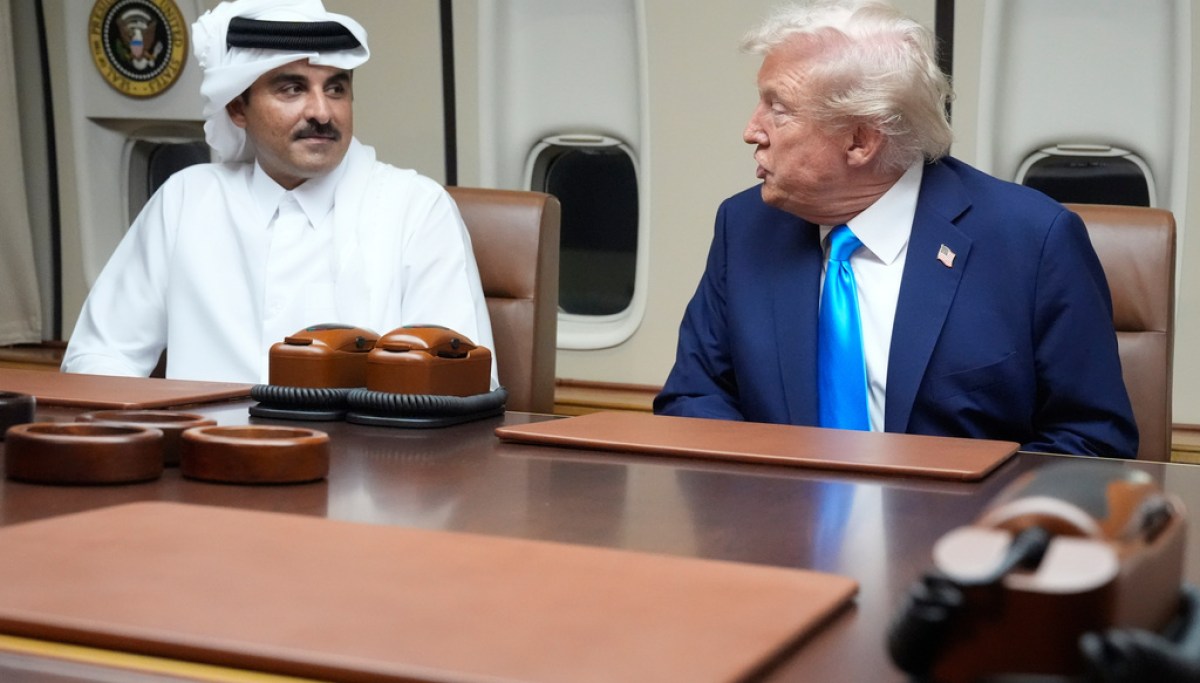
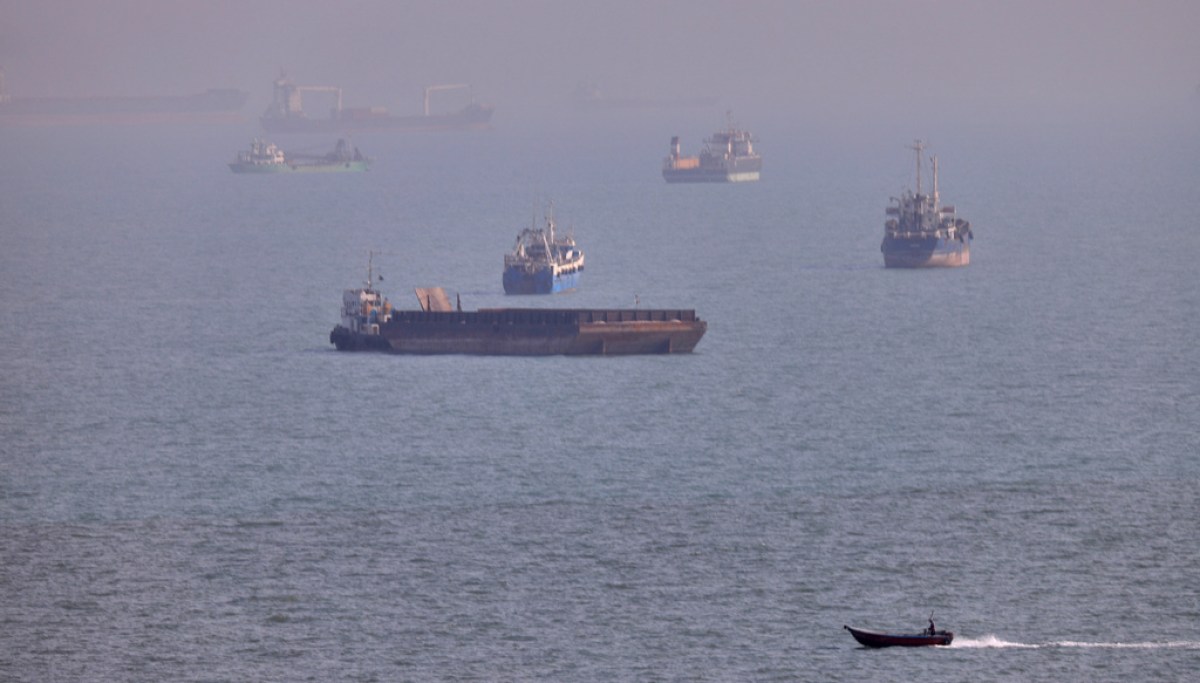
Qatar on Tuesday urged the United States to resume peace negotiations with Iran aimed at fully opening the Strait of Hormuz, as President Donald Trump continues to downplay the talks.
asserted
Trump → urge → talks
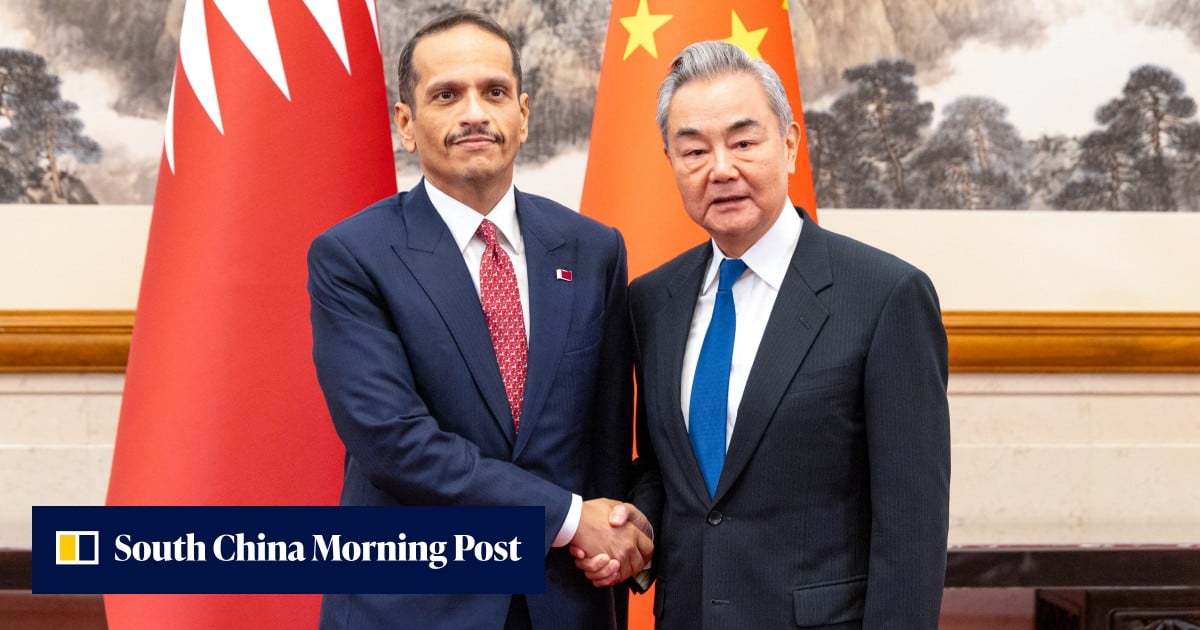
A Qatar foreign ministry spokesman said it is working with partners, including China, to resume peace talks between the U.S. and Iran.
asserted
it → say → U.S.
The announcement came after Qatari Prime Minister Sheikh Mohammed bin Abdulrahman al Thani led a delegation to Beijing.
asserted
Thani → come → Beijing
The opening of the Strait of Hormuz is critically important for everyone in the region, Qatar Foreign Ministry spokesman Ibrahim Al Hashami warned.
asserted
Hashami → warn → region
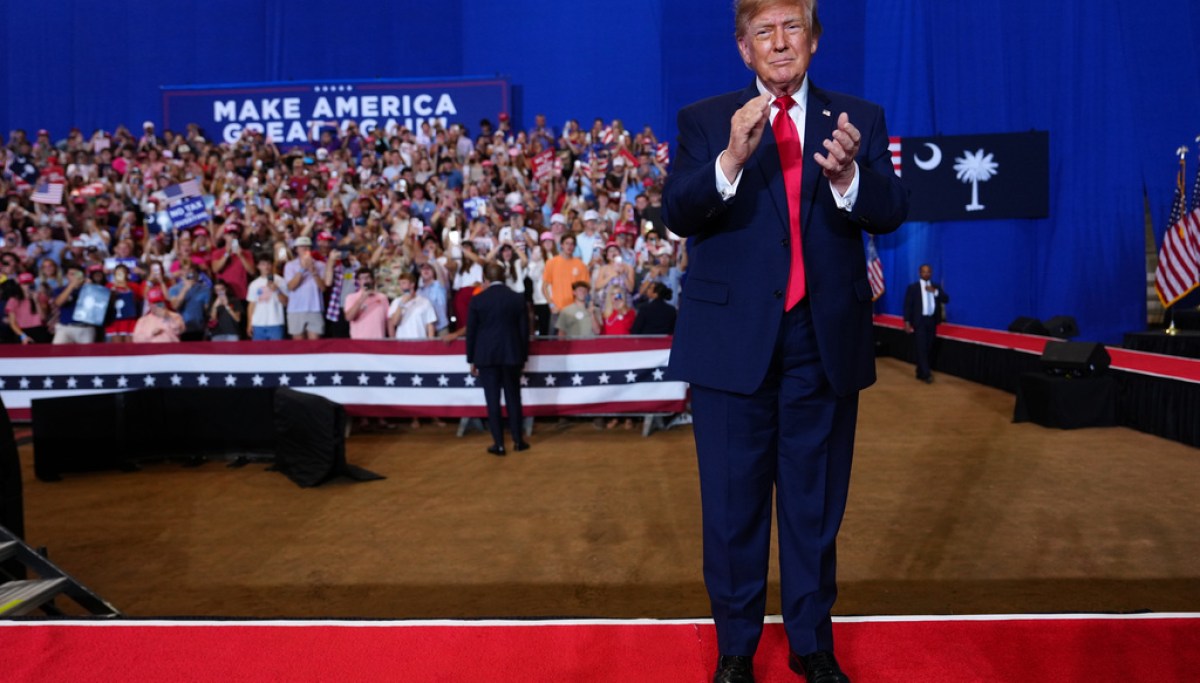
At the beginning of the month, Trump said he was not “trying to force Iran to the bargaining table,” musing he “couldn’t care less if they sign a worthless, to them, agreement.”
asserted
they → say → agreement
However, Chinese Foreign Minister Wang Yi on Tuesday posited that reopening dialogue between the U.S. and Iran is essential, worrying that the conflict “continues to affect the stability of energy markets, shipping, and supply chains”.
asserted
conflict → posit → markets
Dialogue and negotiation are the right path,” Wang said during the meeting in Beijing, in which he thanked Qatar for serving as a third-party mediator between the U.S. and Iran.
asserted
he → say → U.S.
In defiance of hard-liners in his country, Iranian President Masoud Pezeshkian has signaled key readiness to end the war.
asserted
Pezeshkian → signal → war
However, the U.S. negotiating team, led by special envoy Steve Witkoff and Jared Kushner, Trump’s son-in-law, has recently been far more engaged in peace talks seeking to end the Russia-Ukraine war than the conflict in Iran.
asserted
team → lead → Iran
The conflict recently passed its six-month mark, after the U.S. and Israel initially launched strikes against Iran on Feb. 28, citing concerns it could be developing nuclear weapons.
uncertain
it → pass → weapons
The war swiftly spiraled into a sweeping energy nightmare when the Strait of Hormuz, which Iran holds some leverage over, emerged as the chief pressure point in the geopolitical conflict due to its strategic placement as a global oil channel.
asserted
Iran → spiral → channel
The tiny channel remains a highly disputed territory, keeping the energy markets on their toes and sending gas prices soaring worldwide.
asserted
channel → remain → prices
The most significant peace deal reached by the U.S. and Iran thus far was a 60-day ceasefire, or “memorandum of understanding,” that was aimed at giving the two countries a reprieve while they hashed out details for resolving concerns about Iran’s nuclear program.
asserted
they → reach → program
The 60-day period ended on Aug. 17 without a nuclear deal.
asserted
period → end → deal
The Trump administration has since backed off from peace negotiations, aiming instead at attempting to destroy Iran’s economy, including through its new “Economic D-Day” operation against the Middle Eastern power.
asserted
administration → back → power
Attacks have now escalated on both sides, particularly in the Strait of Hormuz, after the U.S. resumed strikes against Iranian targets on Aug. 30, breaking a roughly four-week lull in hostilities.
asserted
U.S. → escalate → hostilities
“There may not be a nuclear agreement,” Energy Secretary Chris Wright said on Sunday.
uncertain
Wright → say → Sunday
“An agreement may await the next administration in Iran.
uncertain
agreement → await → Iran
We simply don’t know that.”
asserted
We → know → that
 The Aporia