That is 0 articles you have read today.
The Aporia is free and carries no advertising, so readers are the only
thing paying for it. If you are getting this much out of it, a small
donation is what keeps it independent.
Daily limit reached
You have read 0 articles today.
That is more than the 15 a day The Aporia gives away,
and well past what it can carry on nothing. Your allowance resets at
midnight.
There is no advertising here and nothing about you is sold, so readers
are the only thing paying for it. If the site is worth this much of
your day, it is worth a few dollars.
Everything else stays open: the
maps, the
directory and
search do
not count against this, and neither does re-opening something you have
already read today.
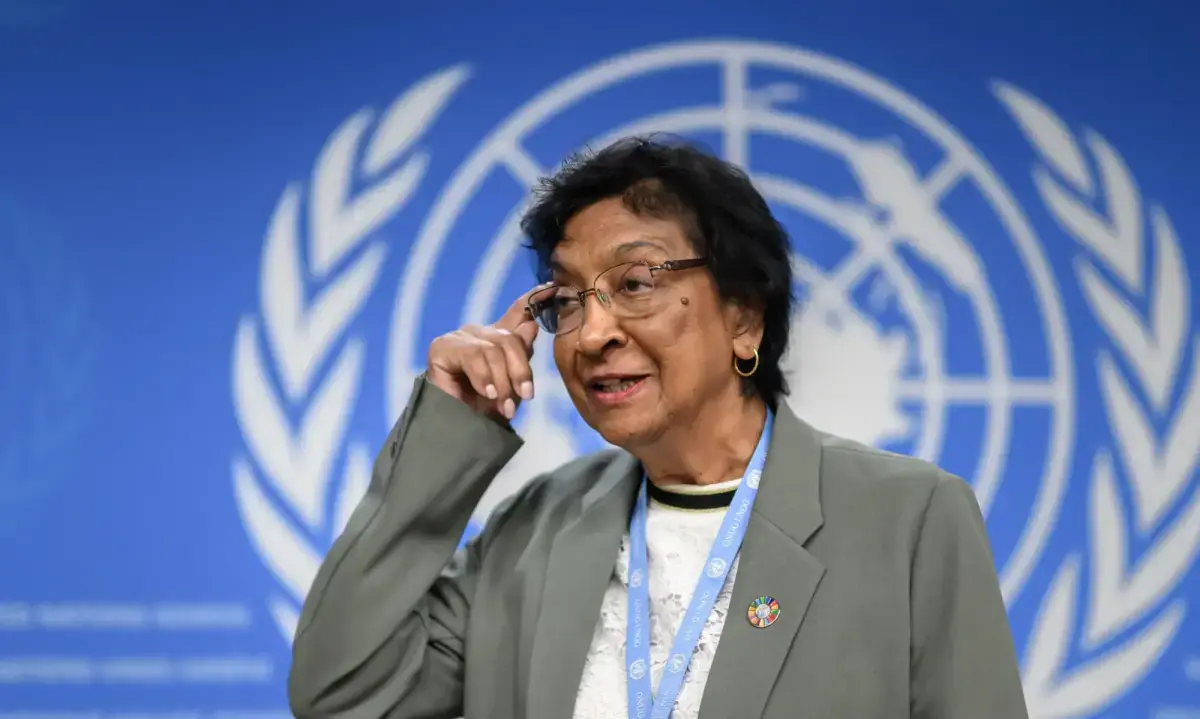
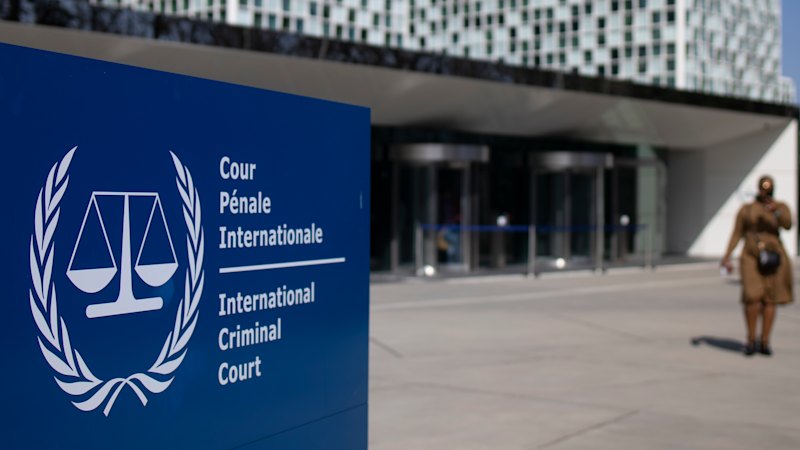
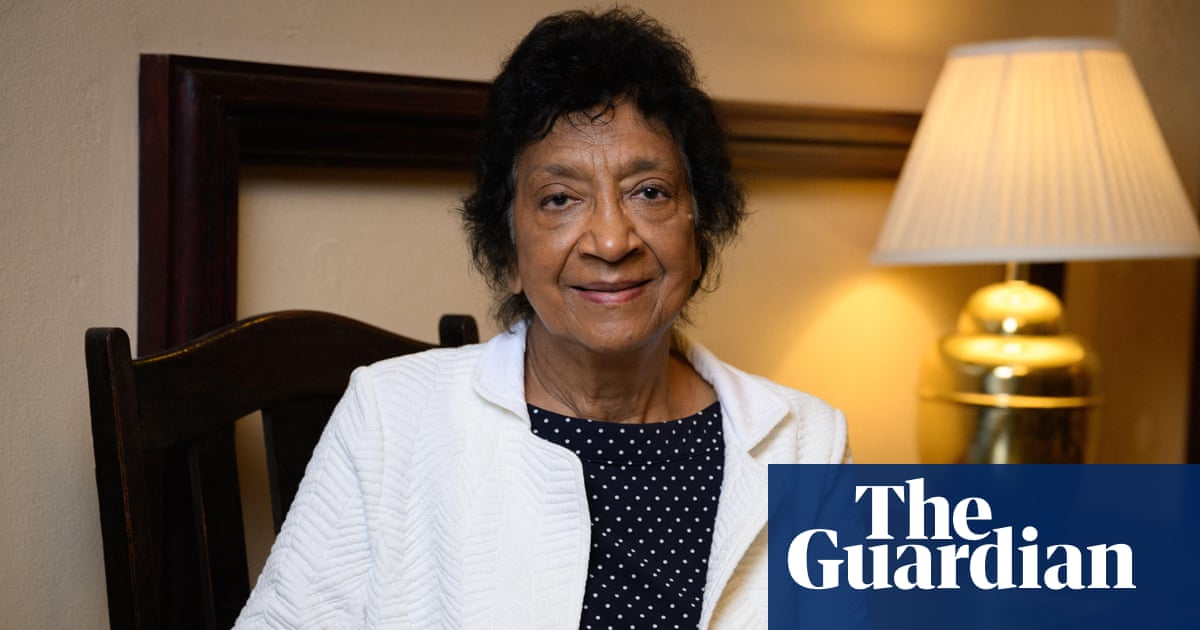
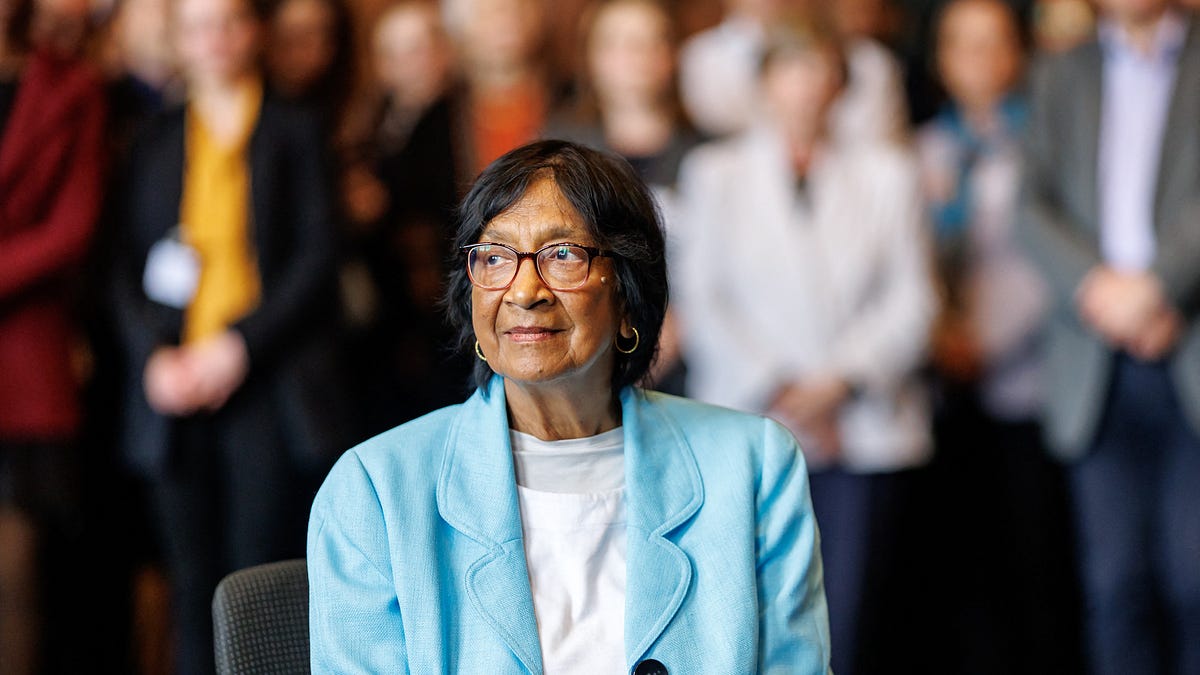
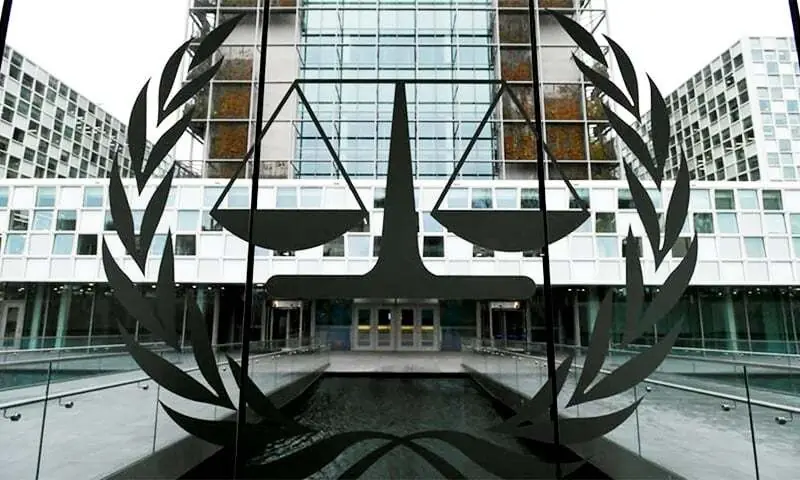
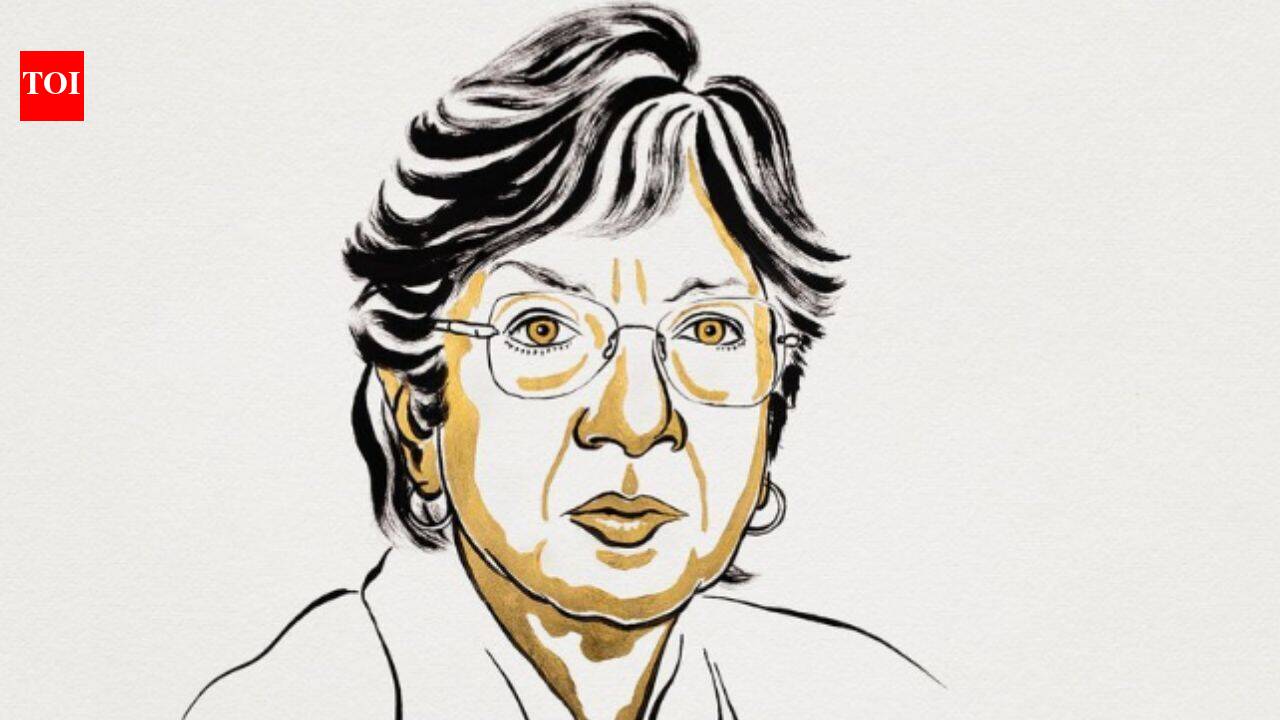
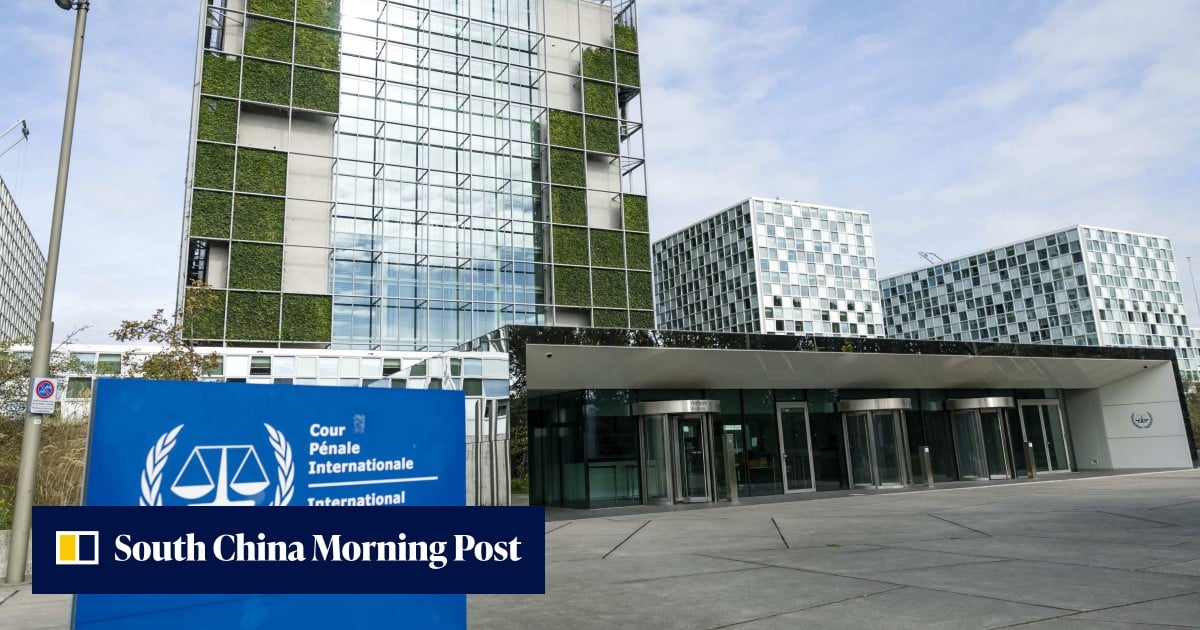
Navi Pillay, this year's Nobel Peace Prize laureate and former UN rights chief, criticized US sanctions on the International Criminal Court (ICC) as "unacceptable" during an event at the Nobel Peace Center in Oslo. The 85-year-old South African jurist spoke out against the sanctions imposed by the United States shortly after her award was announced, expressing concern for ICC staff and emphasizing that targeting judges for their judicial orders is unprecedented.
Written locally by qwen2.5:14b on 2026-10-10,
using this article's own text rather than the other coverage of the
same event (that is the story summary below).
Story summary
On October 8, the U.S. State Department announced new sanctions targeting the International Criminal Court (ICC) in response to its attempts to investigate American service members for potential war crimes. The move, spearheaded by Secretary of State Marco Rubio, bans transactions with the court and sets a six-month timeline for U.S. companies to wind down business with it, aiming to cripple the ICC’s ability to operate against the United States.
The sanctions come just hours after Navi Pillay, a former judge at the ICC who led investigations into potential charges against U.S. troops in Iraq and Afghanistan, was awarded the Nobel Peace Prize. The Trump administration has long been hostile towards the court, previously imposing sanctions on its judges and prosecutors but going further this time by targeting companies that provide services to the ICC itself.
Reacting to these measures, the ICC strongly condemned them as an assault on international legal order, asserting it will continue to function despite the sanctions. Deputy prosecutor Nazhat Shameem Khan stated that the court would not be halted and called upon member states to ensure its continued operation.
Written for “US Sanctions ICC” on 2026-10-10,
grounded in this article and the 16 other(s) covering the same event.
Why this leaning score
The model judged this article politically coded and scored it -0.65, but all 3 of its quote(s) are attributed speech - words the article quotes from someone, not the article's own narration, so the score is not published.
Written under an earlier scoring contract, which gave a paragraph
rather than checkable quotes. Re-analysing this article replaces it.
Leaning score withheld for article 70627: attributed speech only · logged 2026-10-10
Jurist and former UN rights chief Navi Pillay, the winner of this year’s Nobel Peace Prize, on Saturday called sanctions announced by the US on the International Criminal Court (ICC) “unheard of” and “unacceptable”.
asserted
Pillay → call → Court
“There is so much tension and anxiety over the continued existence of international courts, mainly the International Criminal Court in The Hague,” Pillay said via video link from Nuremberg during an event at the Nobel Peace Center in Oslo, lamenting “there are hundreds of staff who feel they are under threat”.
asserted
they → be → threat
“Most importantly, sanctions have been announced by one country against the judges, just for the judicial orders they issue.
asserted
they → announce → orders
This is unheard of, unacceptable,” the 85-year-old South African lawyer said.
asserted
lawyer → say → ?
The Norwegian Nobel Committee on Friday announced that Pillay, who once sat on the ICC, was this year’s recipient of the prestigious Nobel Peace Prize.
asserted
who → announce → Prize
Both the United States, whose leader Donald Trump has long coveted the award for himself, and ally Israel condemned her being awarded the honour.
Hours after Pillay was named the laureate, the United States announced new sanctions against the ICC, provoking swift condemnation from member states and the United Nations.
US Secretary of State Marco Rubio said Washington would ban transactions with what he described as a “rogue court”, escalating a long-running campaign by Trump’s administration against the Hague-based tribunal.
‘History will judge’
asserted
History → covet → tribunal
The court rejected the US sanctions as an attack on international law and warned in a statement that “history will judge this moment”.
asserted
history → reject → moment
In addition to serving on the ICC, Pillay was the UN human rights high commissioner from 2008 to 2014, and headed the UN Independent International Commission of Inquiry (COI), which found last year that genocide was occurring in Gaza.
asserted
genocide → serve → Gaza
The body does not speak on behalf of the UN.
asserted
body → speak → UN
Israel has rejected the COI’s findings, calling them “distorted and false”.
Israel’s foreign ministry said the award legitimised “anti-Israel hatred”, adding that it thought that Nazi propagandist Joseph Goebbels must be “applauding from hell”.
asserted
Goebbels → reject → hell
Israeli Prime Minister Benjamin Netanyahu said the awarding of the prize to Pillay showed the Nobel committee had “lost its moral compass” by honouring “a bigot”.
asserted
committee → say → bigot
Trump, who last month called on ICC member states to quit the court, meanwhile labelled the committee’s choice as “a disgraceful and embarrassing decision”, telling a rally of his supporters in Syracuse, New York, he had “never heard of” Pillay.
asserted
he → call → Pillay
 The Aporia