The Aporia
The Aporia
The Aporia

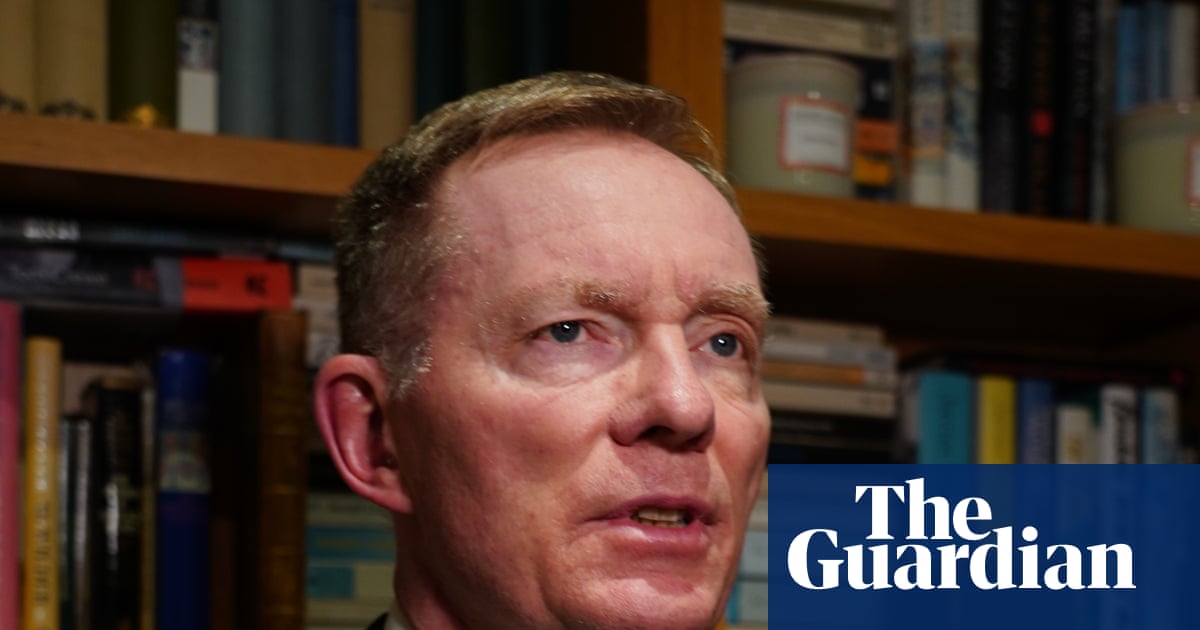
Sir Chris Bryant, the Northern Ireland Secretary, banned a contentious Drumcree parade in Portadown after almost two weeks of deadlock between the Orange Order and local Catholic residents. The Parades Commission had initially ruled in early July that the Protestant march could proceed with restrictions, but the standoff persisted due to large protests blocking the route on the predominantly Catholic Garvaghy Road. Following consultations with both sides and advice from PSNI chief constable, Sir Chris decided it was not in the public interest for the procession to take place, citing concerns over potential violence and unrest.
Michelle O'Neill, Northern Ireland's First Minister, hailed the ban as a long-overdue decision that would bring relief to residents who had endured weeks of anxiety. However, loyalists vowed legal action against the ban, indicating they view it as undermining the rule of law. The situation has drawn international attention, with Micheál Martin, Irish premier, also expressing support for the community's decision.
The ban ends a contentious period marked by nightly protests and heightened tensions between unionist and nationalist communities in Portadown, where such parades have been restricted since 1998 due to previous violent confrontations. Sir Chris emphasized his commitment to maintaining peace but faced criticism from some quarters over delays in resolving the dispute earlier.
The British government has blocked a contentious march from taking place in Northern Ireland after a two-week standoff between groups that support the region’s continued union with the United Kingdom and those who favor reunification with the Republic of Ireland.
Northern Ireland Secretary of State Chris Bryant intervened Friday night to ban the procession along Garvaghy Road in Portadown, saying it wasn’t possible to find a compromise between the union-supporting Orange Order and residents of the traditionally republican area through which it wanted to march.