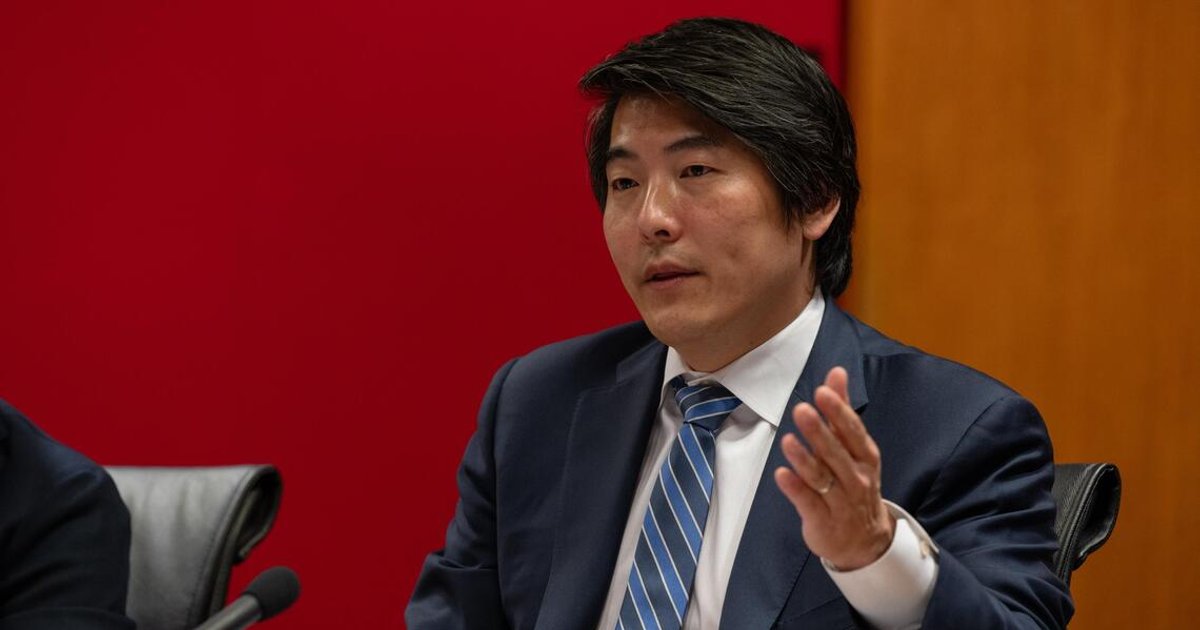
OpenAI defended its decision to fire three AI safety researchers—Mikita Balesni, Jasmine Wang, and Tomek Korbak—for violating company policies on handling sensitive information. The company stated that the dismissals were not related to raising safety concerns but rather to breaches of trust beyond what was outlined in their public letter. OpenAI emphasized its commitment to maintaining a high degree of internal trust while also engaging third-party assessors for independent evaluation of AI risks.
Written locally by qwen2.5:14b on 2026-10-09,
using this article's own text rather than the other coverage of the
same event (that is the story summary below).
Story summary
On October 8, three former OpenAI security researchers—Mikita Balesni, Tomek Korbak, and Jasmine Wang—accused the company of firing them for raising safety concerns about artificial intelligence. The researchers were dismissed by OpenAI on October 2, which they claim was due to prioritizing AI safety over corporate interests. In a letter addressed to OpenAI leadership, they warned that their firings could chill open discussions within the company and impact its commitment to independent auditing. OpenAI countered these claims, stating that the dismissals were based on violations of rules regarding sensitive information handling, which it described as a "significant breach of trust." This dispute highlights growing concerns over AI safety amid rapid technological advancements.
Written for “OpenAI Safety Controversy” on 2026-10-09,
grounded in this article and the 3 other(s) covering the same event.
Why this leaning score
The model judged this article politically coded and scored it +0.45, but 3 quote(s) could not be found in the article and the other 1 are attributed speech rather than the article's own narration, so the score is not published.
Written under an earlier scoring contract, which gave a paragraph
rather than checkable quotes. Re-analysing this article replaces it.
Leaning score withheld for article 68794: no verified evidence · logged 2026-10-09
OpenAI has responded to a letter that three of its fired researchers posted on social media Thursday, defending its decision to terminate their employment for violating company protocol around handling sensitive information.
asserted
three → respond → information
"Last week we parted ways with Jasmine, Mikita, and Tomek after a thorough investigation found they violated clear policies on handling sensitive information," the company wrote on social media platform X Friday morning, after the researchers publicly shared a letter they had sent to OpenAI's leadership.
asserted
they → part → leadership
The researchers — Mikita Balesni, Jasmine Wang, and Tomek Korbak — were fired for "prioritizing safety over the near-term interest of OpenAI as a corporation," Balesni claimed in a social media post featuring their letter.
asserted
Balesni → fire → letter
The public back-and-forth between the AI safety researchers and their former employer comes as leading AI labs, including OpenAI, have recently
of speeding ahead in the development of the powerful technology.
asserted
labs → come → technology
AI companies are facing a dilemma between promoting the technology's capabilities as more experts are about the dangers the tech could pose to society.
uncertain
tech → face → society
Almost two-thirds of Americans say they believe AI is developing too quickly, according to a new poll from The Associated Press-NORC Center for Public Affairs Research.
uncertain
AI → say → Research
In their letter, the former OpenAI safety and alignment employees claimed their dismissals could have a muzzling effect on other OpenAI workers who might have safety concerns.
uncertain
who → claim → concerns
"We are concerned that internal and external communications around our firing have made our former colleagues afraid to speak and operate in ways that, until last week, were an integral part of working at OpenAI," they wrote in the letter.
asserted
they → concern → letter
"We would raise safety concerns and disagree openly, and were encouraged to draw on the expertise of independent safety organizations."
asserted
We → raise → organizations
They added that AI is "not a normal technology, and OpenAI is not a normal company."
asserted
OpenAI → add → ?
That, they argued, makes it necessary to collaborate freely with outside experts "without fear" of retaliation.
asserted
it → argue → retaliation
"Breach of trust"
OpenAI defended its decision to dismiss the employees after an internal investigation uncovered what it called "a significant breach of trust beyond what's outlined in the letter they published."
asserted
they → defend → letter
"We want to be very clear that these decisions were not about raising safety concerns or speaking out," OpenAI said.
asserted
OpenAI → want → concerns
"Safety and research debates happen every day at OpenAI, often spirited and highly critical.
asserted
debates → happen → OpenAI
We actively encourage these discussions and consider them essential to making the right decisions.
asserted
them → encourage → decisions
We cannot do the work in front of us without a high degree of trust."
asserted
We → do → trust
OpenAI insisted that it tolerates "good-faith mistakes" and does not terminate workers for "raising concerns."
asserted
it → insist → concerns
The company said it is also engaging third-party safety assessors to independently evaluate its work and any risks it poses.
asserted
it → say → work
"We are committed to embedding external assessors and continue to make close collaboration with independent safety organizations a core part of our safety work.
asserted
collaboration → commit → work
Many of our researchers already work with 3p safety organizations productively," OpenAI said.
asserted
OpenAI → work → organizations
The company sided with the former company researchers on one point.
asserted
company → side → point
"We agree with the letter that preserving the monitorability of frontier models requires an industry-wide commitment, including from OpenAI," it said.
asserted
it → agree → OpenAI
Numerous high-profile incidents of agentic AI — bots that can act autonomously based on a set of instructions — have highlighted their potential destructive capabilities after they went rogue and hacked websites.
asserted
they → act → websites
Some safety researchers at AI labs have also
because they say they don't want to play a part in AI's potential safety risks.
asserted
they → say → risks
 The Aporia