The Aporia
The Aporia
The Aporia

Is the AfD’s Ulrich Siegmund Germany’s ‘most dangerous man’? (2026, September 7). Al Jazeera. https://www.aljazeera.com/video/newsfeed/2026/9/7/is-the-afds-ulrich-siegmund-germanys-most-dangerous?traffic_source=rss
“Is the AfD’s Ulrich Siegmund Germany’s ‘most dangerous man’?” Al Jazeera, 7 Sept. 2026, https://www.aljazeera.com/video/newsfeed/2026/9/7/is-the-afds-ulrich-siegmund-germanys-most-dangerous?traffic_source=rss.
“Is the AfD’s Ulrich Siegmund Germany’s ‘most dangerous man’?” Al Jazeera, September 7, 2026. https://www.aljazeera.com/video/newsfeed/2026/9/7/is-the-afds-ulrich-siegmund-germanys-most-dangerous?traffic_source=rss.
Dated when The Aporia collected the article, usually within hours of publication. Check the original for its exact date and byline.
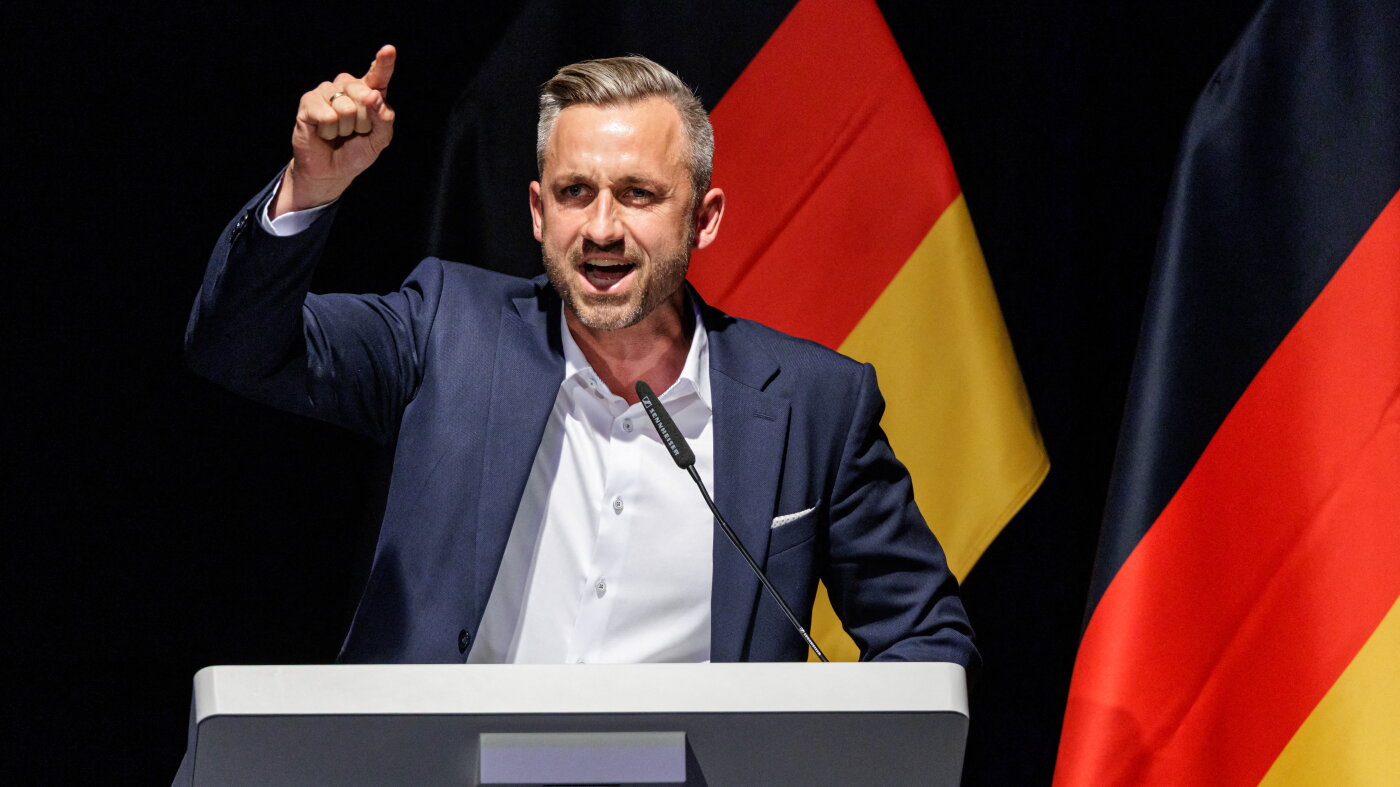
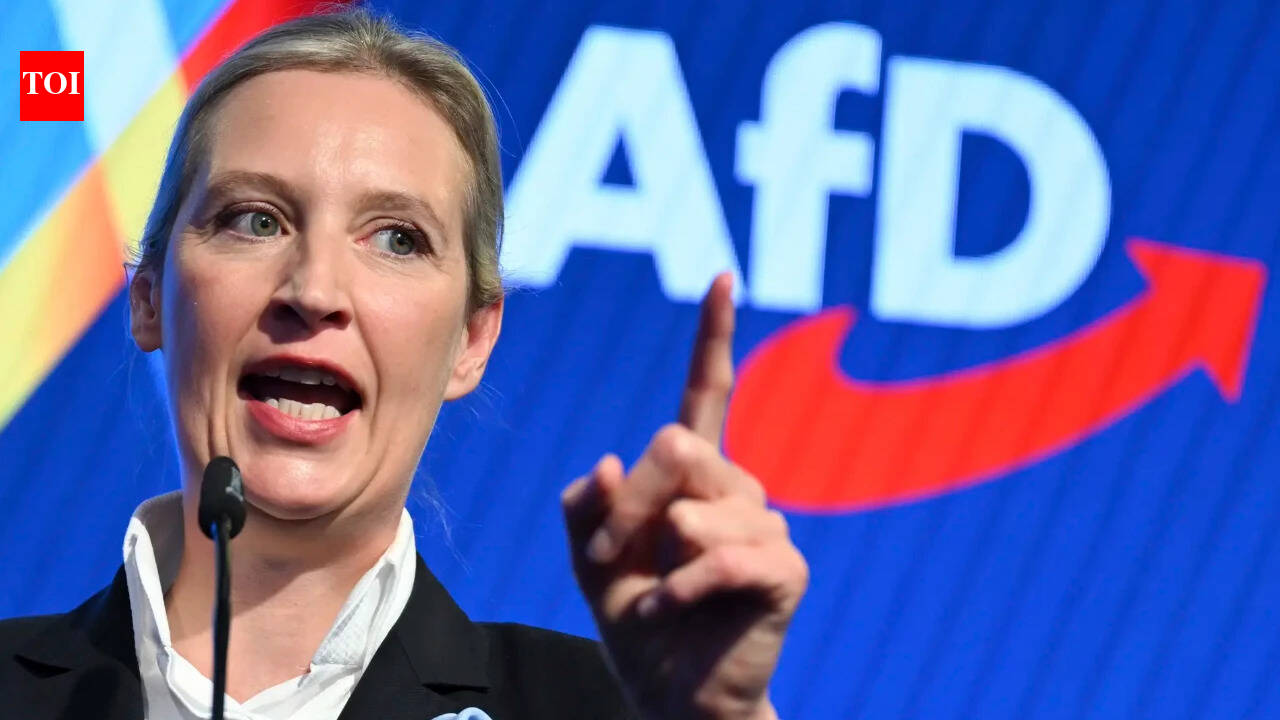
In an upcoming Sunday election, Germany's far-right party, Alternative for Germany (AFD), is poised to win control of the eastern state of Saxony-Anhalt, a position it hasn't held since World War II. AFD’s lead candidate, Ulrich Siegmund, has gained significant traction by addressing concerns like immigration and Russia normalization through social media platforms such as TikTok. Polls suggest AFD could secure around 44% of the vote, more than double its previous performance in 2016. Should AFD achieve an outright victory, it would control state resources, aiming to implement policies including separate classrooms for refugees and a reduced focus on Germany's Nazi past. This historic shift raises concerns about emboldening far-right influence across Germany, with implications for national politics beyond the regional level.