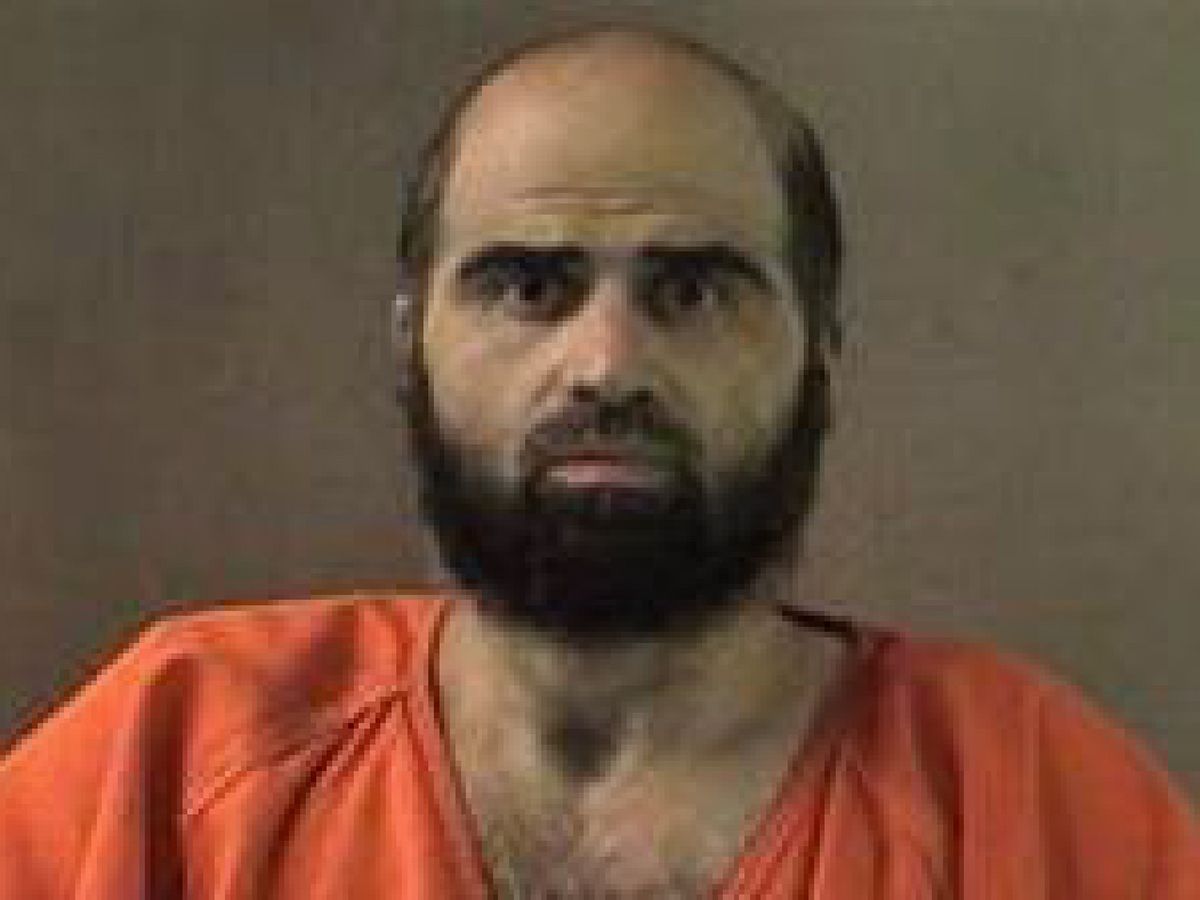
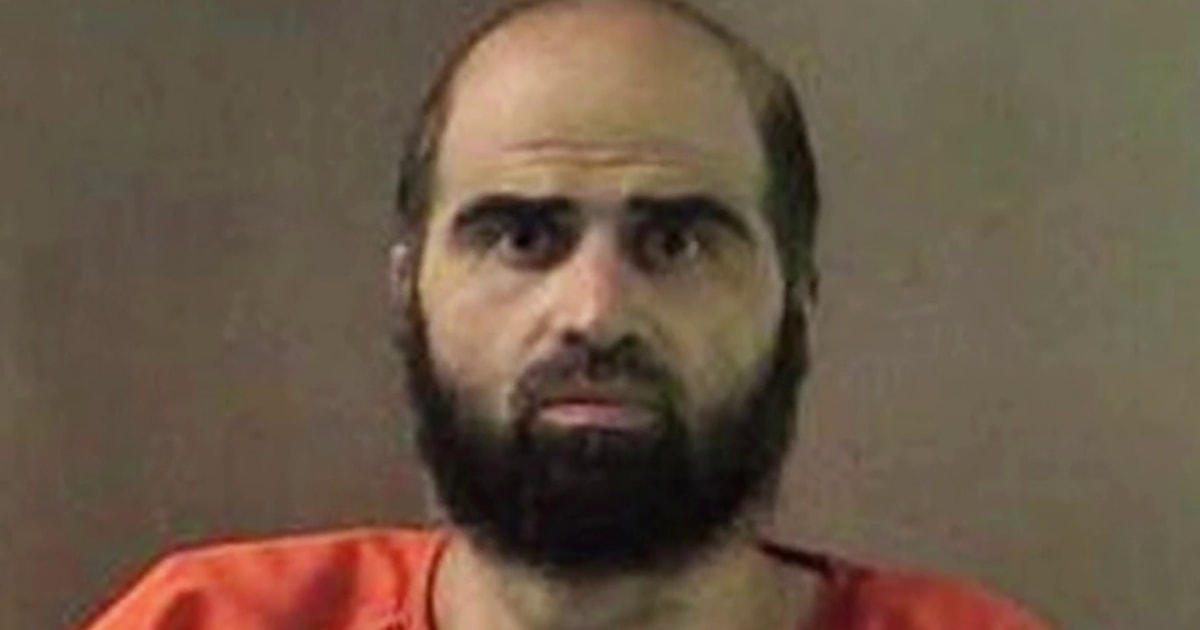
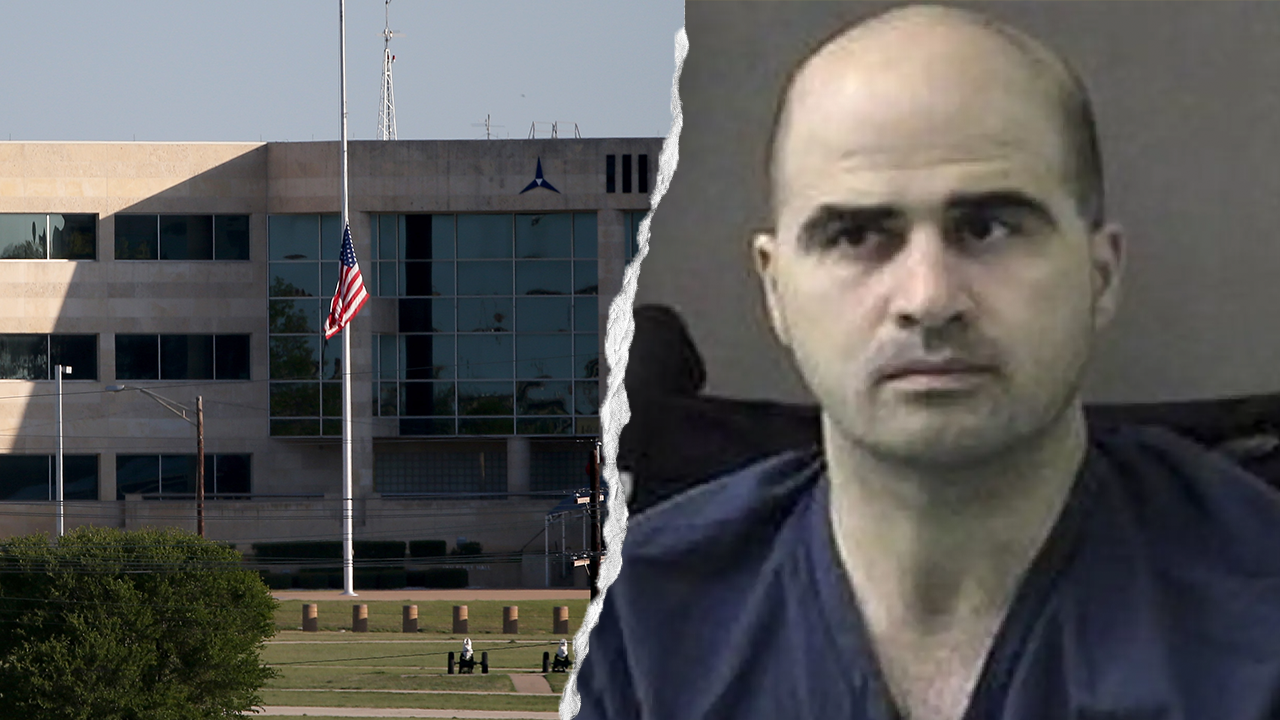
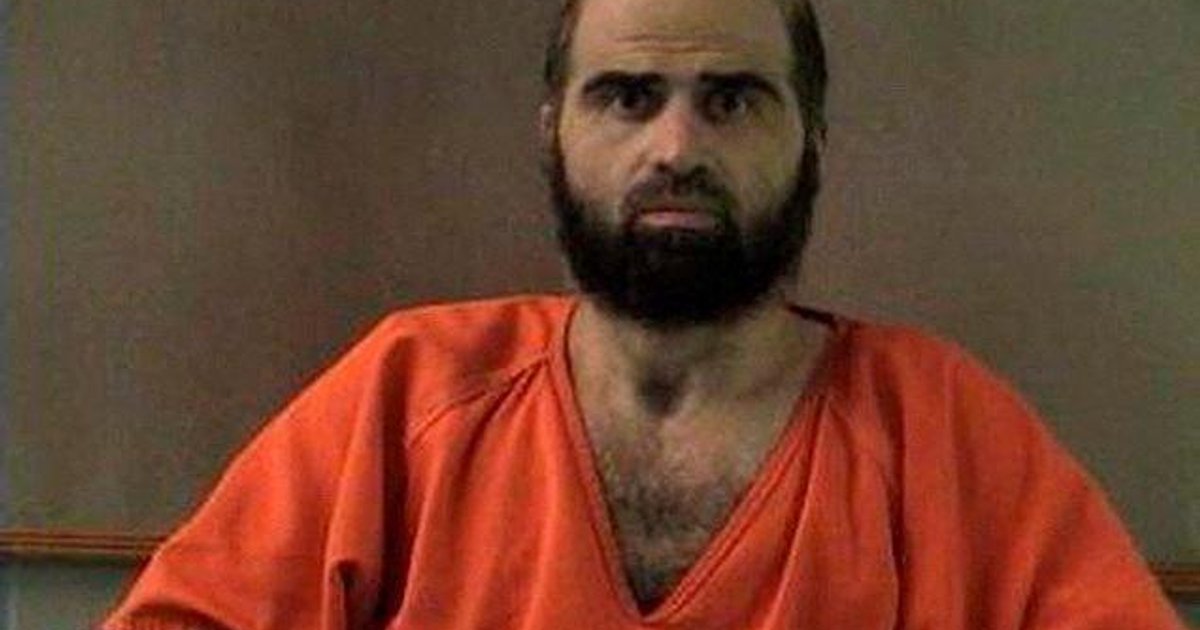
The Pentagon announced on October 9 that it would livestream the execution by firing squad of Nidal Hasan, who killed 13 people at Fort Hood in 2009. This raises legal questions about broadcasting executions since US law generally prohibits recording or broadcasting federal prison system executions but lacks a similar ban for military ones. Five states allow death by firing squad, and it is not considered "cruel and unusual punishment" according to the Supreme Court.
Written locally by qwen2.5:14b on 2026-10-09,
using this article's own text rather than the other coverage of the
same event (that is the story summary below).
Story summary
Nidal Malik Hasan, the former Army major convicted of killing 13 people and injuring over 30 others in a 2009 shooting spree at Fort Hood, Texas, will be executed by firing squad on December 3, 2023. President Donald Trump authorized the execution following a recommendation from Secretary of War Pete Hegseth. The Pentagon confirmed that the execution will take place publicly and be livestreamed to ensure people understand "there are serious consequences for these types of things." Hasan's attack was the deadliest on a domestic military installation in US history, and he has been held at Fort Leavenworth since 2013 after exhausting all appeals. Retired Staff Sgt. Alonzo Lunsford, who survived being shot multiple times including once in the head during the incident, plans to attend the execution for closure. This marks the first US military execution by firing squad since 1945.
Written for “Firing Squad Execution Livestreamed” on 2026-10-09,
grounded in this article and the 56 other(s) covering the same event.
Explainer-Is it legal for the US to livestream the Fort Hood shooter's execution?
asserted
US → livestream → execution
The Pentagon said on Thursday that it would livestream the firing squad execution of the man who killed 13 people at the Fort Hood military base in 2009, raising questions about the legality of the unprecedented announcement.
asserted
who → say → announcement
Here's what US law says about public executions and death by firing squad.
asserted
law → say → squad
IS DEATH BY FIRING SQUAD LEGAL IN THE US?
asserted
DEATH → fire → US
The US Supreme Court said in a unanimous 1879 decision that execution by firing squad is not "cruel and unusual punishment" prohibited by the Constitution.
asserted
execution → say → Constitution
The justices last year cleared the way for South Carolina to carry out its first execution by firing squad in decades.
asserted
Carolina → clear → decades
Five states currently allow executions by firing squad: Idaho, Mississippi, Oklahoma, South Carolina, and Utah.
asserted
states → allow → squad
The Trump administration earlier this year said it would allow execution by firing squad in the federal prison system.
asserted
it → say → system
The US Army also once regularly carried out executions by firing squad of US soldiers found guilty of desertion or other offenses.
asserted
Army → carry → desertion
Hundreds of US soldiers were sentenced to death during the Civil War from 1861 to 1865.
asserted
Hundreds → sentence → 1865
Under the Uniform Code of Military Justice, the president is the only person who can approve a death sentence for a member of the US armed services.
asserted
who → approve → services
President Donald Trump on October 5 signed off on the Pentagon's plan to execute the Fort Hood gunman, Nidal Hasan, a former Army psychiatrist.
asserted
Trump → sign → gunman
CAN EXECUTIONS BE BROADCAST?
asserted
EXECUTIONS → BROADCAST → ?
Executions in the US were once public spectacles, but in the last century have been carried out in correctional facilities away from the public eye.
asserted
Executions → carry → eye
In 1936, a man convicted of rape was hanged in front of thousands in Owensboro, Kentucky, while the following year, hundreds watched a public hanging in Missouri.
asserted
hundreds → convict → Missouri
A US law prohibits the recording or broadcasting of executions in the federal prison system.
asserted
law → prohibit → system
But military regulations have not applied that same prohibition to military executions.
asserted
regulations → apply → executions
Hasan was convicted of premeditated murder by a military jury in 2013, following a court-martial trial.
asserted
Hasan → convict → trial
State laws regulate who can witness executions, generally limiting access to authorized officials, family members, legal counsel, and a handful of media representatives.
asserted
who → regulate → representatives
Courts have long rejected lawsuits brought by media organizations seeking broader public access to executions.
asserted
Courts → reject → executions
In 2021, a judge denied a request by an internet company to livestream the lethal injection execution of Timothy McVeigh, an anti-government militant who bombed a federal building in Oklahoma City in 1995, killing 168 people.
asserted
who → deny → people
The Justice Department did provide a restricted, closed-circuit television broadcast exclusively for survivors of the bombing and victims' families.
asserted
Department → provide → bombing
COULD HASAN CHALLENGE HIS EXECUTION IN COURT?
uncertain
HASAN → challenge → COURT
While Hasan has exhausted his direct appeals within the military justice system, he can still challenge his underlying conviction and sentence in the federal civilian court system.
asserted
he → exhaust → system
Such a challenge, known as a federal habeas corpus proceedings, provides another layer of review before a death sentence is carried out.
asserted
sentence → know → review
Even if unsuccessful, such an could stall the execution, potentially for years.
uncertain
an → stall → years
Hasan's execution is currently set for December 3.
asserted
execution → set → December
 The Aporia