The Aporia
The Aporia
The Aporia
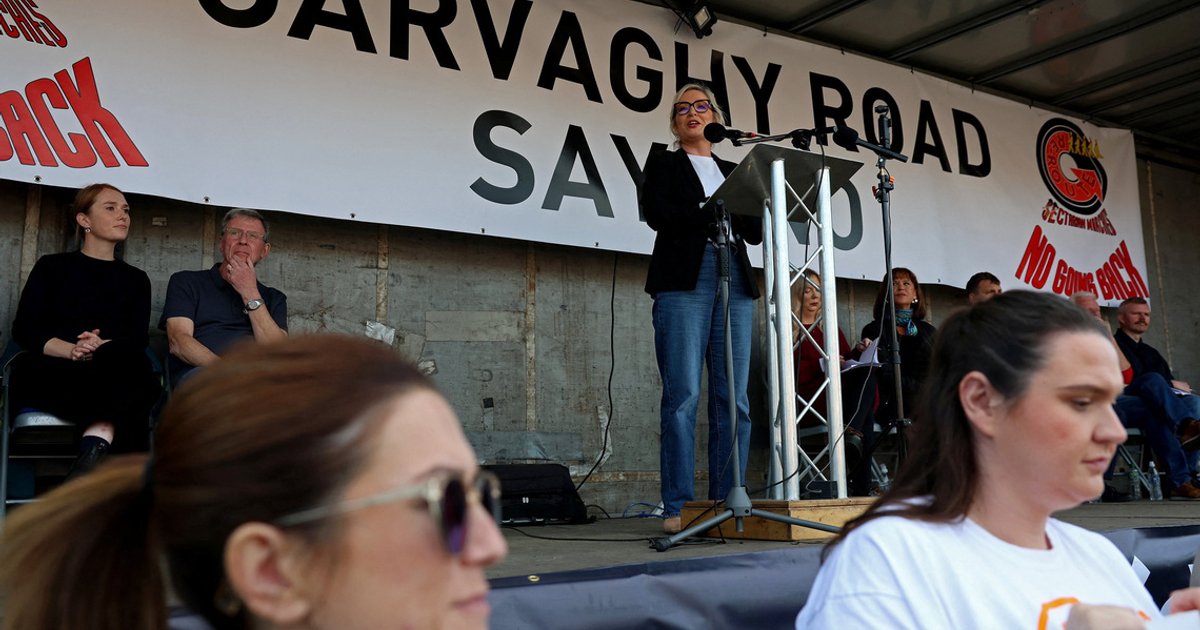
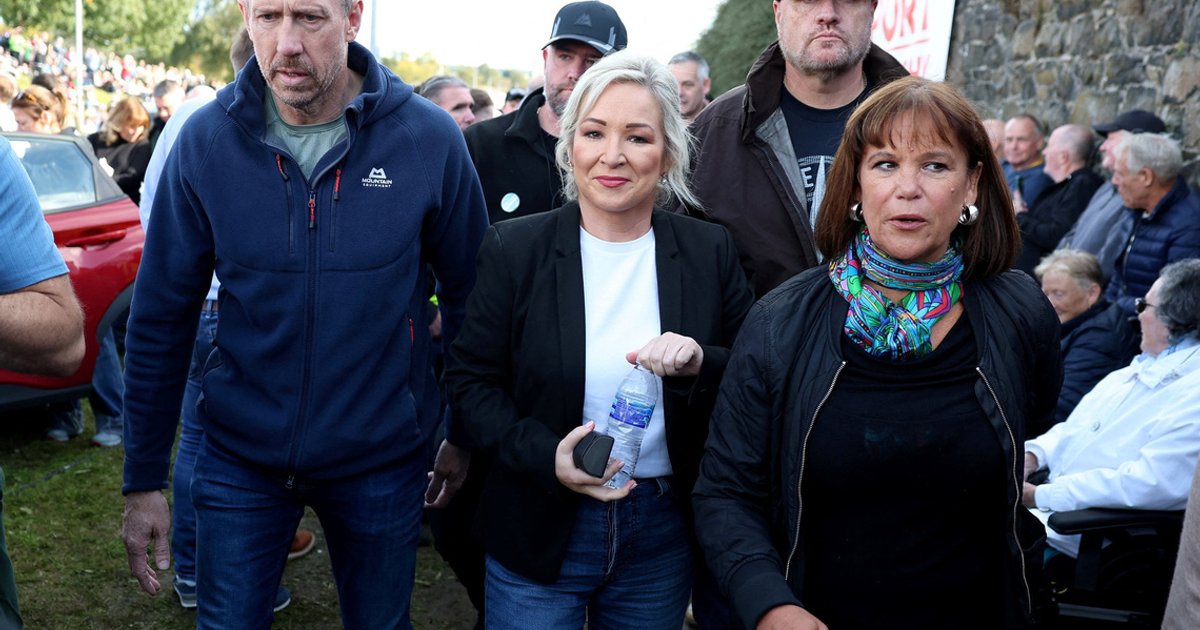
In Portadown, Northern Ireland, significant protests against a planned Orange Order parade have led to police investigations and potential legal consequences for those involved. The protest occurred after the Parades Commission allowed the parade to proceed along the Garvaghy Road, a route it had been banned from for nearly 30 years due to contentious history. Despite this decision, protesters, including First Minister Michelle O'Neill of Sinn Féin, gathered on September 26, preventing the march.
Chief Constable Jon Boutcher warned that there would be "consequences" for those breaking the law. On October 8, Assistant Chief Constable Davy Beck announced letters were being issued to individuals suspected of committing offenses during these protests. This followed a statement by Sinn Féin indicating some representatives and party members had received correspondence from police regarding interviews.
O'Neill confirmed on October 9 that she has received an invitation for a police interview related to the protest activities, emphasizing her intention to cooperate with the investigation while maintaining support for Garvaghy Road residents who oppose the parade. Unionist politicians have called for action against O'Neill and other senior Sinn Féin figures involved in the protests, further complicating the political landscape in Northern Ireland.
Thousands of protesters, including O'Neill of Irish nationalists Sinn Fein and the party's leader Mary Lou McDonald, gathered on the Catholic Garvaghy Road, in Portadown, to stop the September 26 march after it was allowed to proceed for the first time since the contentious route was banned in 1998.