BBC News
· collected 2026-10-09 · by Jayne McCormack, Brendan Hughes, Hayley Halpin, Angus Harron
Story summary
In Portadown, Northern Ireland, significant protests against a planned Orange Order parade have led to police investigations and potential legal consequences for those involved. The protest occurred after the Parades Commission allowed the parade to proceed along the Garvaghy Road, a route it had been banned from for nearly 30 years due to contentious history. Despite this decision, protesters, including First Minister Michelle O'Neill of Sinn Féin, gathered on September 26, preventing the march.
Chief Constable Jon Boutcher warned that there would be "consequences" for those breaking the law. On October 8, Assistant Chief Constable Davy Beck announced letters were being issued to individuals suspected of committing offenses during these protests. This followed a statement by Sinn Féin indicating some representatives and party members had received correspondence from police regarding interviews.
O'Neill confirmed on October 9 that she has received an invitation for a police interview related to the protest activities, emphasizing her intention to cooperate with the investigation while maintaining support for Garvaghy Road residents who oppose the parade. Unionist politicians have called for action against O'Neill and other senior Sinn Féin figures involved in the protests, further complicating the political landscape in Northern Ireland.
Written for “Drumcree Parade Dispute” on 2026-10-09,
grounded in this article and the 9 other(s) covering the same event.
- Published
First Minister Michelle O'Neill has said she has received a letter from police investigating protests over the Drumcree parading dispute.
asserted
she → publish → dispute
On Thursday, the police said they had begun issuing letters inviting people "reasonably suspected" of committing offences linked to the protests to interview.
asserted
people → say → protests
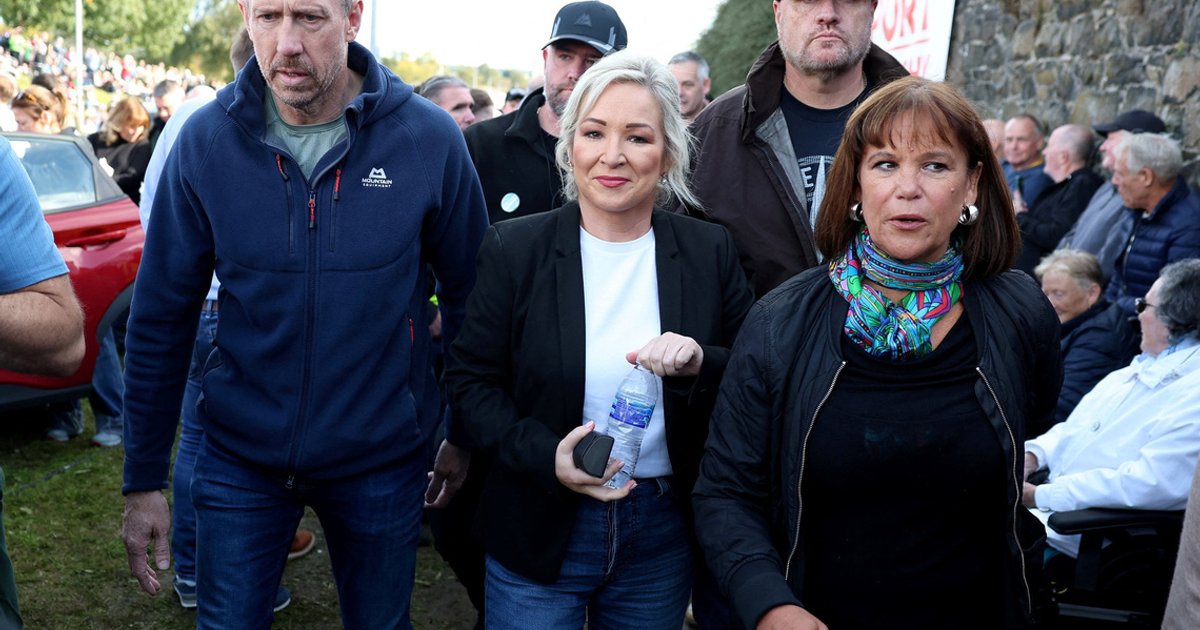
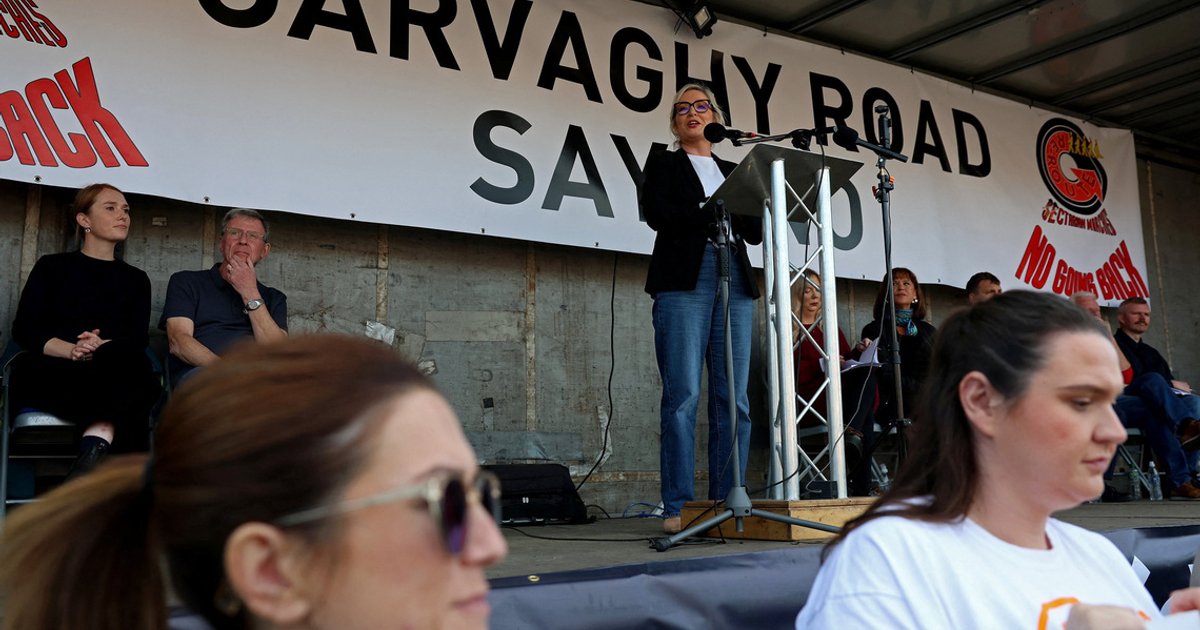
Unionist politicians have called for action to be taken against O'Neill and other senior Sinn Féin politicians who took part in the protests against the Orange Order march down the Garvaghy Road at the end of last month.
asserted
who → call → month
O'Neill has previously defended her attendance, saying she was "proud to stand with the residents" and that "when the law is wrong, I will stand firmly against it".
asserted
I → defend → it
The police statement did not name anyone they planned to issue a letter to.
asserted
they → name → letter
In a statement issued by Sinn Féin on Friday afternoon, O'Neill confirmed she has received a letter from the PSNI.
asserted
she → issue → PSNI
"I can confirm I have received a letter inviting me for a police interview in relation to a peaceful protest on the Garvaghy Road.
asserted
I → confirm → Road
I will co-operate with the investigation," O'Neill said.
asserted
O'Neill → co → investigation
"For the last two weeks, I have stood in solidarity with the Garvaghy Road residents as attempts were made to force an unwanted Orange march through their community," she said.
asserted
she → stand → community
"I will continue to stand with the Garvaghy Road residents who should be allowed to live in peace and free from sectarian intimidation," she added.
"Because it is always right to stand up for what is right.
asserted
what → continue → intimidation
Earlier, Sinn Féin President Mary Lou McDonald said the party would "cooperate" in every way it could but that they remained "comfortable" in standing up for Garvaghy Road residents.
uncertain
they → say → residents
Sinn Féin MLA Deirdre Hargey also told the BBC at an event in Belfast that she had received a letter and would seek legal advice.
asserted
she → tell → advice
Deputy First Minister Emma Little-Pengelly, of the Democratic Unionist Party (DUP) arrived separately at the Bank of America engagement.
asserted
Pengelly → arrive → engagement
She told reporters she welcomed developments in the PSNI investigation, adding that the letters were "absolutely the right thing".
"
asserted
letters → tell → investigation
It doesn't matter whether you are an ordinary citizen or first minister of the country, you have to be subject equally under the law."
asserted
you → matter → law
Little-Pengelly also defended her attendance at the business engagement, after the DUP previously said it could not be "business as usual" at Stormont in response to Sinn Féin's involvement in protests on Garvaghy Road.
uncertain
it → defend → Road
She said she did not want to punish "the work we need to do in terms of growing our economy and investing in public services... just because of the deeply reckless behaviour of Michelle O'Neill and Sinn Féin".
asserted
we → say → O'Neill
Speaking to The Nolan Show earlier, DUP leader Gavin Robinson said he expected "to see sanctions" for those investigated by the police.
asserted
he → speak → police
People Before Profit (PBP) MLA Gerry Carroll has also said he has received a letter and would make his case to the police "robustly".
asserted
he → say → police
Speaking to the BBC's Good Morning Ulster programme, Carroll defended the protests as "peaceful civil disobedience" and said he made "no apology" for "standing up and with the people of the Garvaghy Road".
asserted
he → speak → Road
After meeting residents on Friday, Social Democratic and Labour Party (SDLP) MP Colum Eastwood said anybody who gets a letter "should not be one bit worried".
asserted
who → meet → letter
"Political leaders are there to stand up for communities under threat - anybody who did it was doing the right thing," he added.
asserted
he → stand → thing
In a statement on Thursday evening, the Portadown District of the Orange Order said it welcomed the "initial limited steps" taken by the PSNI, adding it had written to the chief constable requesting he now takes "active steps to discharge his positive obligation to police the determination".
asserted
he → say → determination
It is more than a week since the decision to allow an Orange Order march down the Garvaghy Road on Sunday, 27 September.
asserted
It → allow → Sunday
That morning, up to 1,000 people - including politicians such as O'Neill - blocked the road, preventing Orangemen marching from Drumcree Church a mile to the west.
asserted
Orangemen → include → west
Since then, residents have maintained a constant presence around the road while Orangemen have also repeatedly tried to march the route before being turned back by police.
asserted
Orangemen → maintain → police
The stand-off has caused considerable political fallout in Northern Ireland, with O'Neill facing a vote of no confidence over her involvement in the protest.
asserted
O'Neill → cause → protest
The vote is due to fail because it requires cross-community support at the Northern Ireland Assembly.
asserted
it → fail → Assembly
Drumcree was one of Northern Ireland's most serious parading disputes, when stand-offs in the mid-to-late 1990s over attempts by the Orange Order to march along the Garvaghy Road were accompanied by riots, roadblocks and killings.
asserted
offs → march → riots
When the Orange Order was prevented by police from walking down the route in July 1995, there was a tense stand-off.
asserted
Order → prevent → July
The Parades Commission began operating in 1998 to regulate parades and try to defuse tension around marches.
asserted
Commission → operate → marches
Its decision not to allow a march down the Garvaghy Road that summer has been challenged by the order for the past three decades.
asserted
decision → allow → decades
Earlier this year the Parades Commission decided that the march could go ahead with restrictions in place after its original decision to stop the march was overturned in court.
uncertain
decision → decide → court
Meanwhile, the Court of Appeal is considering its ruling in a legal challenge brought by the residents to block the march going ahead.
asserted
march → consider → residents
 The Aporia