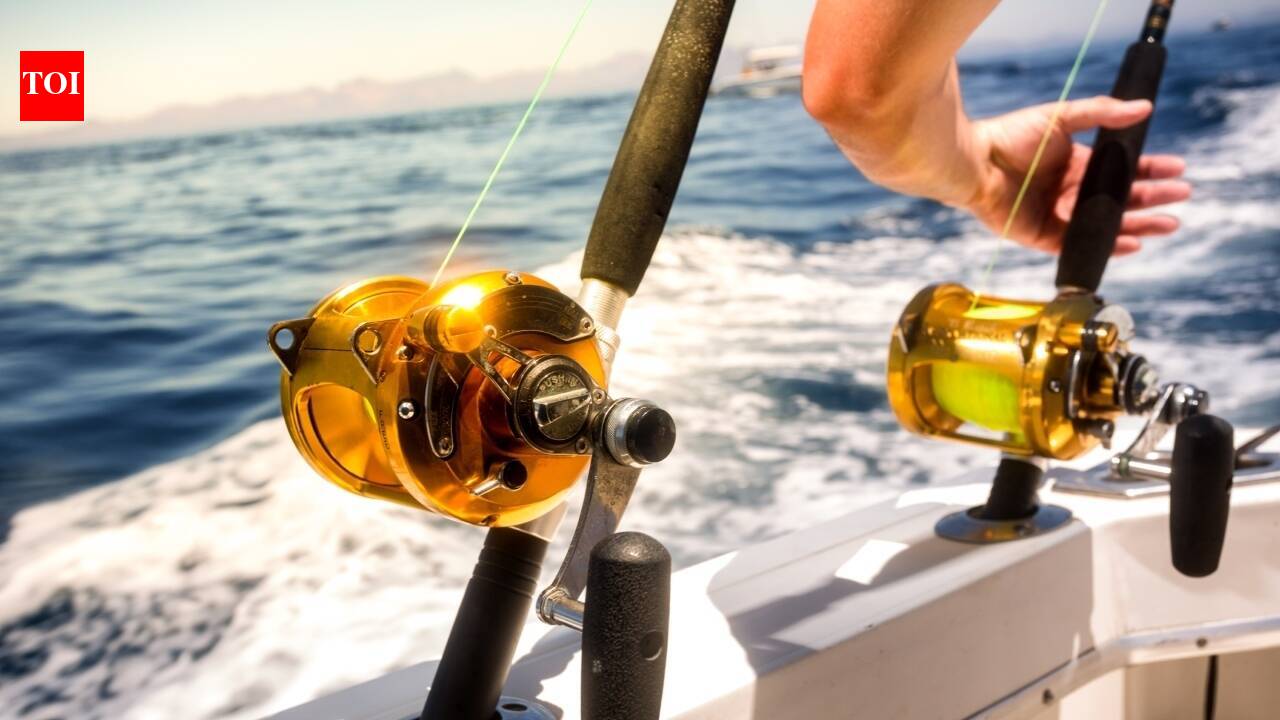
Southern Cal. anglers are catching unusually large & rare fish

Times of India · collected 2026-09-07 · by TOI Science Desk
Read the original at Times of India ↗

Summary

Southern California anglers are catching large and rare fish species due to rising ocean temperatures linked to El Niño and marine heatwaves. Fishermen in Marina del Rey and Santa Monica have reported unusually large catches of yellowtail, bonito, and dorado, with some species reaching up to 25 pounds. Dr. Julia Coates, an environmental scientist, attributes the changes to warmer ocean conditions driven by a marine heatwave overlapping with El Niño conditions. The influx of tropical and pelagic species may temporarily boost fishing opportunities but could have serious environmental consequences if it persists.
Written by the local model on 2026-09-07, using this article's own text rather than the other coverage of the same event (that is the story summary below).

Signals How these are calculated →

Claims extracted
27
claim-shaped sentences
Uncertain
4%
1 of 27 hedged
Leaning
not political
takes no side on a contested political question
Publisher trust
94.3
red-flag proxy, not a credibility rating
Outlets on this story
1
Environment
Narrative spread
1
articles carrying this framing
Analyzed 2026-09-07 · how these are computed

AI analysis (generated at analysis time, not now)

Story summary

Southern California anglers are catching unusually large and rare fish, including yellowtail and bonito, which are typically found in warmer waters off Mexico. The fish are being caught in areas such as Marina del Rey and Santa Monica, with some fishermen reporting the largest catches they've ever seen. According to boat captains Tony Villanueva and Alex Garcia, the abundance of these species is unprecedented, with many anglers catching large numbers of big bonito. The unusual catch is attributed to rising ocean temperatures due to a marine heatwave overlapping with El Niño conditions, which are bringing warmer-water fish into the area. Dr. Julia Coates, an environmental scientist with the California Department of Fish and Wildlife, notes that this phenomenon may have economic implications for local fishing industries, as anglers can catch these species in their own backyard rather than traveling to more distant waters. The rise in ocean temperatures has pushed sea surface temperature above normal, allowing warmer-water fish to thrive in areas where they are not typically found.

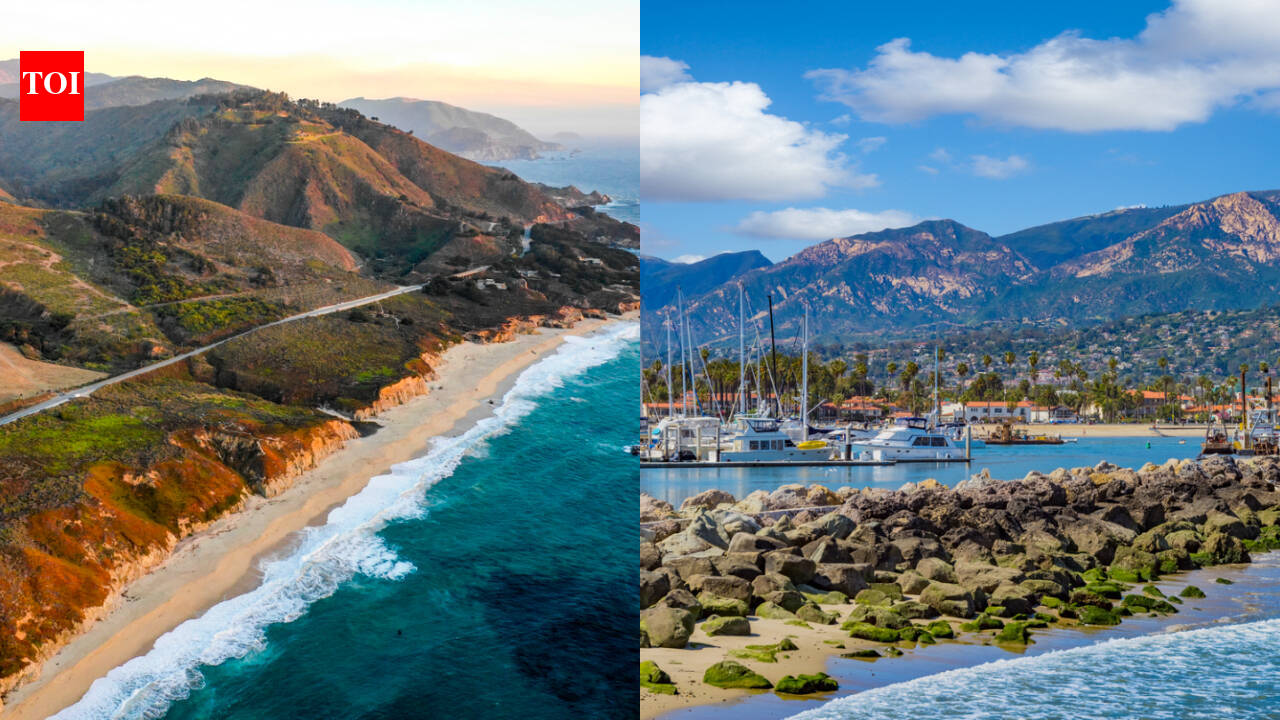
Written for “Rare Fish Landed in Socal” on 2026-09-07, grounded in this article and the 0 other(s) covering the same event.
Why this leaning score
This article does not take a side on a contested political question, so it has no leaning score. That is an answer rather than a gap: a match report or a rescue can be warmly or critically written without being left or right, and scoring it anyway is how approval of a subject gets recorded as a political position.
No political leaning scored for article 6865 · logged 2026-09-07

Story

📰 Rare Fish Landed in Socal
Environment · 1 article(s) covering the same event. This is the one the site leads with.

How this is being covered How these are calculated →

Article leaning vs. publisher reliability
Source leaning vs. consistency

Compared with similar articles

Nothing to compare against. No article is close enough to this one for the pipeline to have linked or judged the pair.

Publisher

Times of India · 213 article(s) · 0 correction(s) detected
No corrections detected for this publisher. That may mean careful reporting, or simply that nothing has been checked.

Who wrote this

TOI Science Desk
35 article(s) here · 1 carrying a prediction
🔮 Visitors may notice the bees, especially on warm, sunny days, but the insects are generally non-aggressive and focused on foraging and nest building rather than defending a large communal hive.
🔮 The temporary abundance is exciting; however, it may upend local fishing economics.
🔮 From the surface a lake might look like it is not changing at all but underneath it is a very different story.
🔮 Based on the surveys conducted, the team calculated that the total population could easily exceed 20,000 individuals.
🔮 Instead, scientists suggest, it may have been a competition between fundamentally different ways of wiring neural circuits, with limited brain space forcing different systems to compete, which influenced brain evolution.
🔮 The information from acoustic sonar could help wildlife authorities plan future maintenance and construction work.
🔮 Understanding these sounds could become increasingly important as Arctic ice continues to break up and retreat.
🔮 A single breeding pair of rats could, within a few years, rebuild a population large enough to threaten seabirds again.
🔮 The study looks at the Kv1.3 voltage-gated potassium channel, an ion channel found on immune cells that researchers believe may help control neuroinflammation linked to Alzheimer’s disease and other neurodegenerative conditions.
🔮 In the summer of 2026, workers and residents around the Williston Reservoir in northern British Columbia witnessed something that sounded like folklore: a large, forested island broke free from the shoreline, drifted across the lake, disappeared from view, and then turned up again about 30 kilometres away, still carrying mature trees, nesting birds and other wildlife.
Wire or desk byline, not an individual reporter.
Also by TOI Science Desk
Nothing else under this byline is closely related to this article, so these are simply their most recent.
All 35 articles by TOI Science Desk →

Topics

ABC 7 El Niño Marina del Rey Mexico Santa Monica

Subjects

Garcia PERSON · 4× Coates PERSON · 3× Villanueva PERSON · 3× Santa Monica GPE · 2× ABC 7 ORG · 1× Alex Garcia PERSON · 1× Julia Coates PERSON · 1× Marina del Rey GPE · 1× Mexico GPE · 1× Tony Villanueva PERSON · 1×

Narrative

Southern California anglers are seeing an unusual number of warm-water fish as rising ocean temperatures linked to El Niño and marine heatwaves bring species typically found farther south into local waters.
framing: assertive · carried by 1 article(s) · first seen 2026-09-07
🔮 The temporary abundance is exciting; however, it may upend local fishing economics.
2026-09-07 · Times of India
Southern Cal. anglers are catching unusually large & rare fish · assertive framing

Claims (27 extracted, 1 hedged)

Southern California anglers are seeing an unusual number of warm-water fish as rising ocean temperatures linked to El Niño and marine heatwaves bring species typically found farther south into local waters. asserted
temperatures → see → waters
Fishermen working in Marina del Rey and Santa Monica are catching fish species, in larger sizes, that are rarely seen in the area. asserted
that → work → area
Tony Villanueva, a boat captain who has been operating out of the area for years, describes the haul as unprecedented. asserted
who → operate → haul
“Biggest yellowtail I've ever seen up here,” Villanueva told ABC 7. asserted
Villanueva → see → ABC
Another captain, Alex Garcia, also said that anglers have been getting unusually large catches. asserted
anglers → say → catches
“We've been catching a bunch of big bonito,” Garcia said. asserted
Garcia → catch → bonito
These species of fish are often seen in waters off Mexico, but now they are appearing along the Southern California coast. asserted
they → see → coast
“People go on overnight trips and pay big money to go catch the fish that we're catching right here, right in our backyard,” Garcia added. asserted
Garcia → go → backyard
Ocean temperatures off Southern California have risen well above normal due to a marine heatwave overlapping with El Niño conditions. asserted
temperatures → rise → conditions
Dr Julia Coates, an environmental scientist with the California Department of Fish and Wildlife, told the broadcaster that warmer ocean conditions are driving these changes. asserted
conditions → tell → changes
“Right now we're experiencing warm water due to what's called a marine heatwave,” the scientist told the outlet. asserted
scientist → experience → outlet
She explained that the marine heatwave is bringing unusually warm water to Southern California, drawing tropical and pelagic species that typically inhabit deeper waters. asserted
that → explain → waters
These unusual conditions have resulted in these rare sightings for local anglers. asserted
conditions → result → anglers
“To see a hammerhead shark with yellowtails swimming around it was pretty cool.” asserted
shark → see → it
Boat captains who have spent decades fishing in the local waters have called it a rare event. asserted
who → spend → it
“We had fish up to, like, 25, almost pushing 30 pounds. asserted
We → have → pounds
Dorado, catching dorado on the anchor right off Santa Monica,” Villanueva said. asserted
Villanueva → catch → Monica
Garcia observed that water temperatures are significantly higher than normal. asserted
temperatures → observe → ?
The temporary abundance is exciting; however, it may upend local fishing economics. uncertain
it → upend → economics
Coates added that warmer waters have boosted fishing opportunities; similar conditions in the past have had serious environmental consequences. asserted
conditions → add → consequences
“We saw a dramatic loss of kelp and kelp forests in Northern CA, that ecosystem was dramatically changed and has not yet recovered,” Coates explained, referring to the previous thermal anomaly. asserted
Coates → see → anomaly
Villanueva also commented on the effects of unusually warm water farther south. asserted
Villanueva → comment → water
“Down south, the water's so warm that it's actually killing off some fish because the water's too warm.” asserted
water → kill → fish
Coates also cautioned against viewing the fish boom as simple good fortune. asserted
Coates → caution → fortune
Between 2013 and 2016, Southern California experienced a similar collision of El Niño and extended marine heatwaves during an event called ‘The Blob’. asserted
California → experience → event
Local fishing operators have plans to continue running trips despite expectations for high surf. asserted
operators → have → surf
“The fish are out there, it's a really cool time to get out on the water,” Garcia said. asserted
Garcia → get → water
💬 Give feedback
🕘 History 🎫 Support