That is 0 articles you have read today.
The Aporia is free and carries no advertising, so readers are the only
thing paying for it. If you are getting this much out of it, a small
donation is what keeps it independent.
Daily limit reached
You have read 0 articles today.
That is more than the 15 a day The Aporia gives away,
and well past what it can carry on nothing. Your allowance resets at
midnight.
There is no advertising here and nothing about you is sold, so readers
are the only thing paying for it. If the site is worth this much of
your day, it is worth a few dollars.
Everything else stays open: the
maps, the
directory and
search do
not count against this, and neither does re-opening something you have
already read today.
Dr. Eric Wargotz argues against the notion that protecting the environment necessarily harms economic interests, particularly on Maryland's Eastern Shore where the economy heavily relies on natural resources like the Chesapeake Bay. He cites a Pew Research Center survey showing 60% of Americans are concerned about global inaction on climate change but notes deep partisan divides over how to address it. Wargotz advocates for market-driven solutions that leverage private sector innovation and infrastructure upgrades, rather than strict federal mandates and rapid transitions away from fossil fuels which he believes could hurt American jobs and industry competitiveness.
Written locally by qwen2.5:14b on 2026-10-09,
using this article's own text rather than the other coverage of the
same event (that is the story summary below).
Story summary
Living on Maryland’s Eastern Shore, Eric Wargotz, a physician and former county commissioner, argues that the environment is not just an abstract issue but central to daily life, especially for watermen, farmers, and tourism industries dependent on the health of the Chesapeake Bay. According to the Pew Research Center Climate Pessimism Study, around 60% of Americans are deeply anxious about global inaction due to political division failing to mitigate environmental impacts. Wargotz criticizes the national discourse for presenting a false choice between economic shutdown and environmental neglect, emphasizing instead a market-driven approach that fosters technological innovation without stifling industry. He warns that aggressive federal mandates and international climate agreements could strip away American jobs, increase energy costs for families, and advantage foreign polluters. Despite debates over human-caused versus natural cycles of climate change, Wargotz asserts that human activity inevitably has an environmental impact through pollutants.
Written for “Climate Change Debate” on 2026-10-09,
grounded in this article and the 0 other(s) covering the same event.
Why this leaning score
The article's own words the score was based on. Each is quoted
verbatim and was checked against the article text before being
stored, so you can find it in the original.
-
the national discourse surrounding environmental policy has devolved into a paralyzing, false choice between total economic shutdown and absolute environmental neglect.
right frames the debate as an either/or choice favoring economic activity over environmental regulation
-
The focus should be on unleashing private-sector ingenuity, upgrading our domestic infrastructure, and facilitating a realistic transition that keeps American industry strong.
right advocates for market-driven solutions over government intervention
-
This strategy calls for strict statutory emissions targets, a rapid wind-down of fossil fuel production, and massive public investments in green energy generation to cultivate the workforce of the future.
left describes left-leaning policy proposals as part of an opposing framework
-
By encouraging American technological breakthroughs, cutting through the bureaucratic red tape that delays clean infrastructure investments, and maintaining a steadfast commitment to conservation, we can preserve our environment while keeping our economy strong and resilient.
right advocates for private sector solutions over government regulation
Leaning: leans strongly left for article 68601 (high confidence, 4 verified quotes) · logged 2026-10-09
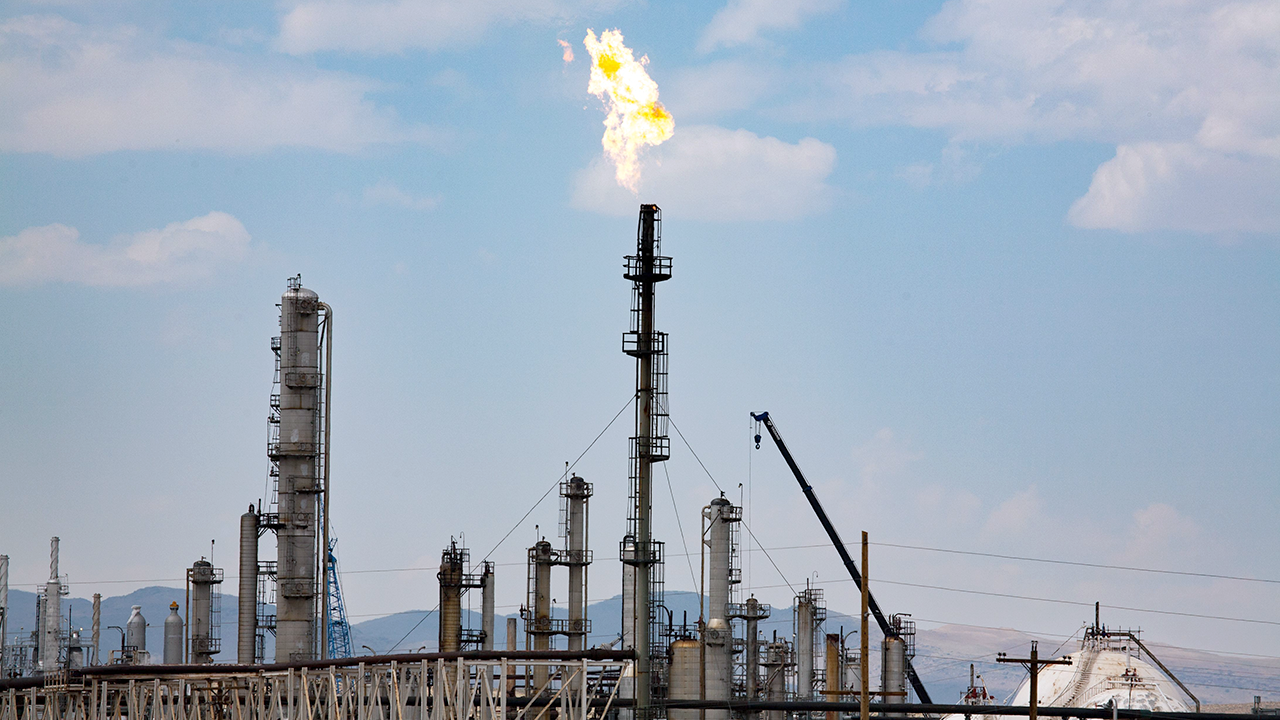
Living on Maryland’s Eastern Shore, the environment isn’t an abstract scientific white paper — it is the bedrock of our regional economy, our heritage, and our daily life.
asserted
it → live → economy
The health of the Chesapeake Bay directly impacts our watermen, our farmers, and our tourism industries.
asserted
health → impact → watermen
Yet, the national discourse surrounding environmental policy has devolved into a paralyzing, false choice between total economic shutdown and absolute environmental neglect.
asserted
discourse → surround → shutdown
National surveys published by the Pew Research Center Climate Pessimism Study document that roughly 60% of Americans express deep anxiety that global actors will fail to mitigate the worst environmental impacts due to political division.
asserted
actors → publish → division
The market-driven approach to stewardship emphasizes technological innovation and competitive balance.
asserted
approach → drive → innovation
The core argument warns that aggressive federal top-down mandates and international climate accords strip away American jobs, artificially inflate energy bills for working families, and give foreign polluters a competitive advantage.
asserted
mandates → warn → advantage
As the climate change debate rages on regarding human cause or natural earth cycles, the fact is that our existence has environmental impact through pollutants.
asserted
existence → rag → pollutants
The focus should be on unleashing private-sector ingenuity, upgrading our domestic infrastructure, and facilitating a realistic transition that keeps American industry strong.
asserted
that → unleash → industry
The crisis-driven framework treats changing climate as an immediate existential threat requiring an urgent, federal mobilization.
asserted
framework → drive → mobilization
A deeper look at the Pew Research Center Climate Science Report outlines that three-quarters of Democrats view immediate climate action as an urgent economic necessity, while deep partisan gridlock leaves the broader electorate divided on execution.
asserted
gridlock → outline → execution
This strategy calls for strict statutory emissions targets, a rapid wind-down of fossil fuel production, and massive public investments in green energy generation to cultivate the workforce of the future.
asserted
strategy → call → future
If we step back and take a 360-degree view, it becomes clear that economic viability and environmental conservation can exist in harmony.
asserted
viability → step → harmony
We do not need to bankrupt our local economies to protect our natural resources.
asserted
We → need → resources
By encouraging American technological breakthroughs, cutting through the bureaucratic red tape that delays clean infrastructure investments, and maintaining a steadfast commitment to conservation, we can preserve our environment while keeping our economy strong and resilient.
asserted
we → encourage → economy
Eric Wargotz, M.D. is a physician, businessman, former US Senate Nominee, and the former elected President of the Queen Anne’s County Board of County Commissioners where whose background combines medical insights into environmental public health with practical experience in local resource management.
asserted
background → elect → management
 The Aporia