Story summary
Eric Wargotz, an MD and former U.S. Senate nominee, criticizes the current debate on gun control in America as unproductive. A lifelong NRA member who supports the Second Amendment, he argues that defending constitutional rights does not mean tolerating dysfunctional administrative systems meant to protect the public from firearm violence.
Wargotz highlights the need for robust law enforcement and judicial accountability but also emphasizes the public health crisis caused by gun violence, which affects youth anxiety and community safety. He asserts that effective solutions require data-driven approaches rather than partisan rhetoric, advocating for improved execution and outcomes in addressing firearm-related issues.
Written for “America's Gun Debate” on 2026-10-08,
grounded in this article and the 0 other(s) covering the same event.
Why this leaning score
The model judged this article politically coded and scored it -0.45, but every quote it verified points right, so the score is not published.
Written under an earlier scoring contract, which gave a paragraph
rather than checkable quotes. Re-analysing this article replaces it.
Leaning score withheld for article 65827: score contradicts its own evidence · logged 2026-10-08
The right to feel safe in your own home, to walk down your local street after dark, and to send your children to school without a knot of anxiety in your stomach is a foundational expectation of civil society.
asserted
right → feel → society
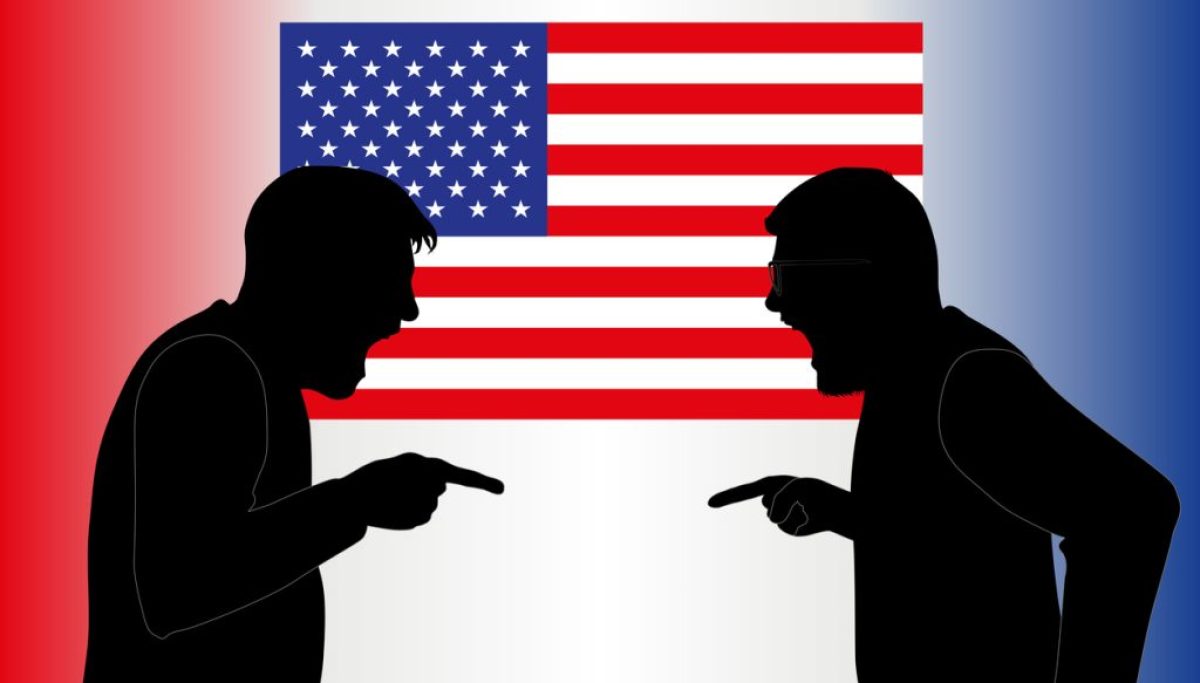
Yet, our national conversation around public safety and gun violence remains trapped in a loop of predictable, absolutist rhetoric.
asserted
conversation → remain → rhetoric
We look at the same tragic headlines and fall back into our partisan corners, while our communities continue to pay the price in human lives.
asserted
communities → look → lives
But defending a constitutional right does not require us to tolerate a status quo where the administrative systems meant to protect us are functionally broken.
asserted
systems → defend → us
The traditional law-and-order framework is correct that public safety requires robust law enforcement, judicial accountability, and the prosecution of violent offenders to the fullest extent of the law.
asserted
safety → require → law
Meanwhile, the public health sector correctly identifies that the cascading trauma and youth anxiety stemming from firearm violence have become a baseline clinical crisis.
asserted
trauma → identify → violence
But as a physician, my training forces me
data, execution, and outcomes.
asserted
training → force → data
We do not need more sweeping, emotionally driven legislative battles that infringe on law-abiding citizens while doing nothing to stop criminals.
asserted
that → need → criminals
Instead, we must treat public safety with the same clinical precision we apply to medicine by identifying the exact points of systemic failure and maximizing existing federal structures.
asserted
we → treat → structures
We must bridge the dangerous gap between mental health data and law enforcement infrastructure.
asserted
We → bridge → data
The National Instant Criminal Background Check System is only as good as the data fed into it.
asserted
System → feed → it
Right now, bureaucratic silos prevent critical, legally disqualifying mental health adjudications and violent misdemeanor records from reaching the database in real-time.
asserted
silos → prevent → time
Congress took an initial step with the Fix NICS Act, which penalized non-compliant federal agencies and rewarded states for uploading records.
asserted
which → take → records
However, these enforcement mechanisms must be expanded at the state level to ensure that individuals who are a documented danger to themselves or others are flagged instantly, without creating bureaucratic traps for legal buyers.
asserted
who → expand → buyers
Next, we need to treat firearm safety education with the same pragmatic seriousness we apply to pharmaceutical or automotive safety.
asserted
we → need → safety
Rather than pushing for punitive storage laws that are impossible to enforce, the federal government should utilize the tax code to incentivize responsible ownership.
asserted
government → push → ownership
Congress can achieve this through targeted policy frameworks like the Secure Storage Information Act, which proposes an individual tax credit of up to $500 for the purchase of qualified gun safes and biometric lock boxes.
asserted
which → achieve → safes
Pairing this tax deduction with community-led, voluntary safety education respects the intelligence of gun owners while measurably reducing accidental discharges and unauthorized youth access.
asserted
Pairing → pair → discharges
Finally, we must scale up focused enforcement models that pair targeted local policing with clinical street-level disruption.
asserted
that → scale → disruption
Data shows that a microscopic percentage of the population drives the vast majority of urban violent crime.
asserted
percentage → show → crime
Federal programs, such as the Department of Justice’s Community-Based Violence Intervention and Prevention Initiative, provide competitive grants to help local authorities implement targeted strategies.
asserted
authorities → provide → strategies
Flooding high-risk blocks with joint task forces of law enforcement and behavioral health professionals interrupts the cycle of retaliatory violence before it hits the emergency room.
asserted
it → flood → room
We do not have to choose between backing our police officers, protecting the constitutional liberties of law-abiding gun owners, and taking aggressive, practical steps to keep weapons away from violent criminals.
asserted
We → have → criminals
Constitutional rights and public safety are not opposing forces on a see-saw — they are the dual pillars of a functional society.
asserted
they → oppose → society
It is time to stop fundraising off the gridlock, demand execution over rhetoric, and deploy the data-driven safeguards required to protect both our citizens and our freedoms.
asserted
It → stop → citizens
Eric Wargotz, M.D., is a physician, businessman, former U.S. Senate Nominee, and the former elected President of the Queen Anne’s County Board of County Commissioners whose career in medicine provides a direct, pragmatic understanding of the human cost of violence and the necessity of data-driven public health and safety solutions.
asserted
career → elect → solutions
 The Aporia