Prime Minister Anthony Albanese's government took credit for a Reserve Bank decision to ban credit and debit card surcharges, claiming it would save consumers $1.6 billion annually by preventing price hikes based on payment method. However, small businesses warned that they would compensate for lost revenue by increasing prices, leading to about 17% of cafes raising coffee prices. The situation worsened when the Australian Tax Office announced it would no longer accept credit card payments for tax bills due to high fees, highlighting a perceived disconnect between government policies and business needs.
Written locally by qwen2.5:14b on 2026-10-09,
using this article's own text rather than the other coverage of the
same event (that is the story summary below).
Story summary
Prime Minister Anthony Albanese claimed that coffee prices would decrease due to a Reserve Bank decision banning credit and debit card surcharges effective October 2023. The government promoted this as a $1.6 billion annual savings for consumers, but small business owners quickly criticized the claim, stating they could not pass on transaction fees to customers anymore, potentially leading to higher prices instead of lower ones. Albanese's announcement drew backlash from businesses who argued that while surcharges were no longer allowed, transaction costs remained and would likely be absorbed into overall prices. Despite this, ministers struggled to clarify the situation, contradicting each other about why the Australian Tax Office made its decision and insisting only 5% of businesses used corporate plastic for tax management, further muddling the public's understanding of the policy impact.
Written for “Australian Politics Economy” on 2026-10-09,
grounded in this article and the 0 other(s) covering the same event.
Why this leaning score
The article's own words the score was based on. Each is quoted
verbatim and was checked against the article text before being
stored, so you can find it in the original.
Leaning: leans left for article 67537 (medium confidence, 1 verified quote) · logged 2026-10-09
It was the Reserve Bank that announced back in March that it would ban credit and debit card surcharges from October this year.
asserted
it → announce → October
But it was the government that took the credit, with MPs hailing the move as a win for consumers.
asserted
MPs → take → consumers
On social feeds from Albanese to the local backbencher, they said this would save consumers about $1.6 billion a year, and the price people paid for a meal, a coffee or their rent would be the same regardless of whether they paid by card or with cash.
asserted
they → say → cash
Somehow, they missed the warnings earlier this year that cafes, shops and bars were likely to hike their prices to recover the money lost now they could not pass on transaction fees.
uncertain
they → miss → fees
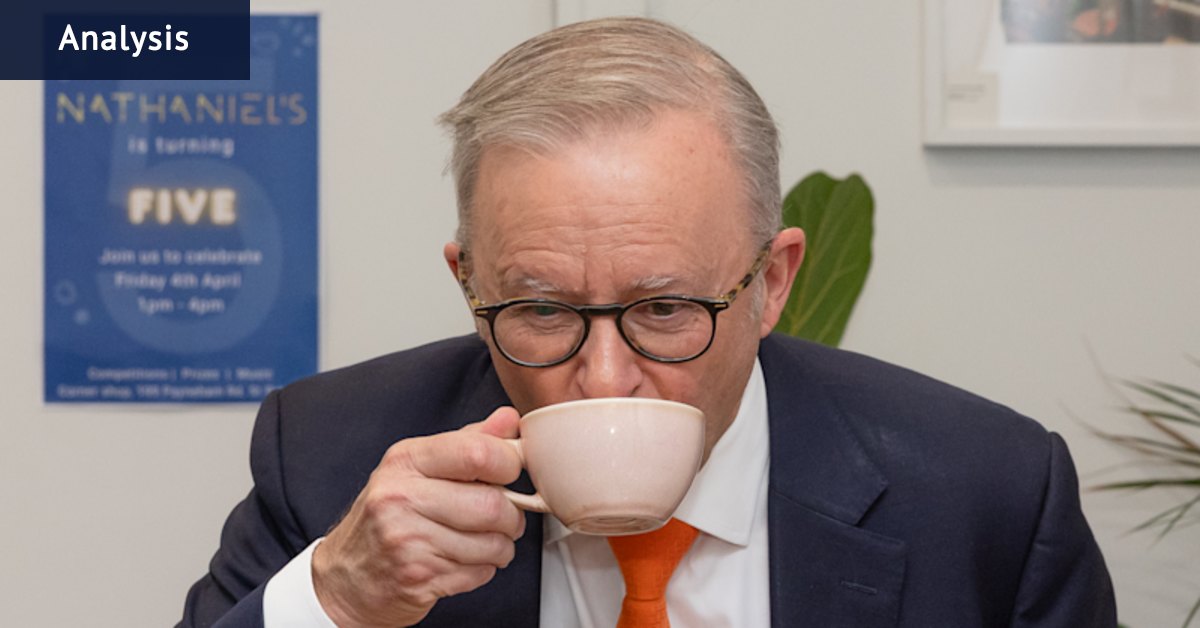
So when Prime Minister Anthony Albanese posted on his social media a week ago that coffee prices could come down because of the surcharge ban, he was instantly flamed by small business owners assailing him with straightforward explanations of why that simply wasn’t going to happen.
uncertain
that → post → explanations
The gist of it? That the surcharges that banks levy businesses for transactions weren’t disappearing, just the ability to pass the charge on to customers.
asserted
banks → levy → customers
In an economy under strain, in which small businesses are doing it at least as tough as the consumers they serve, that would mean only one thing: the price of your morning coffee was going to go up, not down.
asserted
price → do → coffee
And so it has proved.
asserted
it → prove → ?
Price tracker Small Flat White estimates 17 per cent of cafes upped the price of everyone’s daily caffeine jolt – or roughly one in six.
asserted
cent → estimate → six
But the issue didn’t properly catch fire until the Australian Tax Office showed just how out of touch it is when it announced it would no longer allow businesses, some of whom rely on credit cards to get around cash-flow problems, to pay their tax bills by credit card.
asserted
some → catch → card
The ATO said it would stop accepting credit card payments for tax bills by November 30 because it could not absorb the cost of the extra credit card fees, which it was unable to pass on to taxpayers.
uncertain
it → say → taxpayers
So while small business would have to cop it, either by absorbing the additional processing fees, or by passing on fees to already financially stretched customers, the ATO simply threw up its hands and walked away after a quick and dirty consultation period that looked like anything but.
asserted
that → have → anything
If it looked like a double standard, that’s because it was.
asserted
it → look → standard
The ATO’s cack-handed decision fed directly into one of the primary attack lines that the government’s opponents regularly take – that, at best, Labor doesn’t understand business and at worst, it doesn’t care about what the business community needs.
asserted
community → feed → what
So it was the government that wore the blame, rather than getting the credit for the promised savings for consumers, with ministers struggling to explain why the tax office had taken the decision it had, contradicting one another, and insisting only about five per cent of businesses used the corporate plastic to manage tax bills.
asserted
cent → wear → bills
The problem is, as the Australian Chamber of Commerce and Industry chief executive Andrew McKellar pointed out earlier this week, that five per cent equates to about a quarter of a million small businesses.
asserted
cent → point → businesses
An idea that began with good intentions, to cut the fees we all pay each time we tap our card or phone, had turned into a tale of small businesses being punished and government double standards.
asserted
businesses → begin → tale
By Friday morning Treasurer Jim Chalmers was on clean-up detail, metaphorical mop and bucket in hand, promising the tax boffins would undertake further consultation and that the ATO would continue to accept credit card payments at least until June 30 next year.
asserted
ATO → clean → June
Chalmers manfully attempted to convince people that the ATO’s actions did not amount to a double standard, but conceded that the issue had been raised with him and “we take that feedback seriously”.
asserted
we → attempt → feedback
Hence, a temporary stay on the tax office’s credit card decision which will surely end up being permanent.
asserted
which → end → decision
As far as humiliating back-downs go this wasn’t the worst one that Chalmers has had to endure, but it wasn’t pretty.
asserted
it → go → that
Subscribers can sign up to our weekly Inside Politics newsletter.
asserted
Subscribers → sign → newsletter
 The Aporia