That is 0 articles you have read today.
The Aporia is free and carries no advertising, so readers are the only
thing paying for it. If you are getting this much out of it, a small
donation is what keeps it independent.
Daily limit reached
You have read 0 articles today.
That is more than the 15 a day The Aporia gives away,
and well past what it can carry on nothing. Your allowance resets at
midnight.
There is no advertising here and nothing about you is sold, so readers
are the only thing paying for it. If the site is worth this much of
your day, it is worth a few dollars.
Everything else stays open: the
maps, the
directory and
search do
not count against this, and neither does re-opening something you have
already read today.
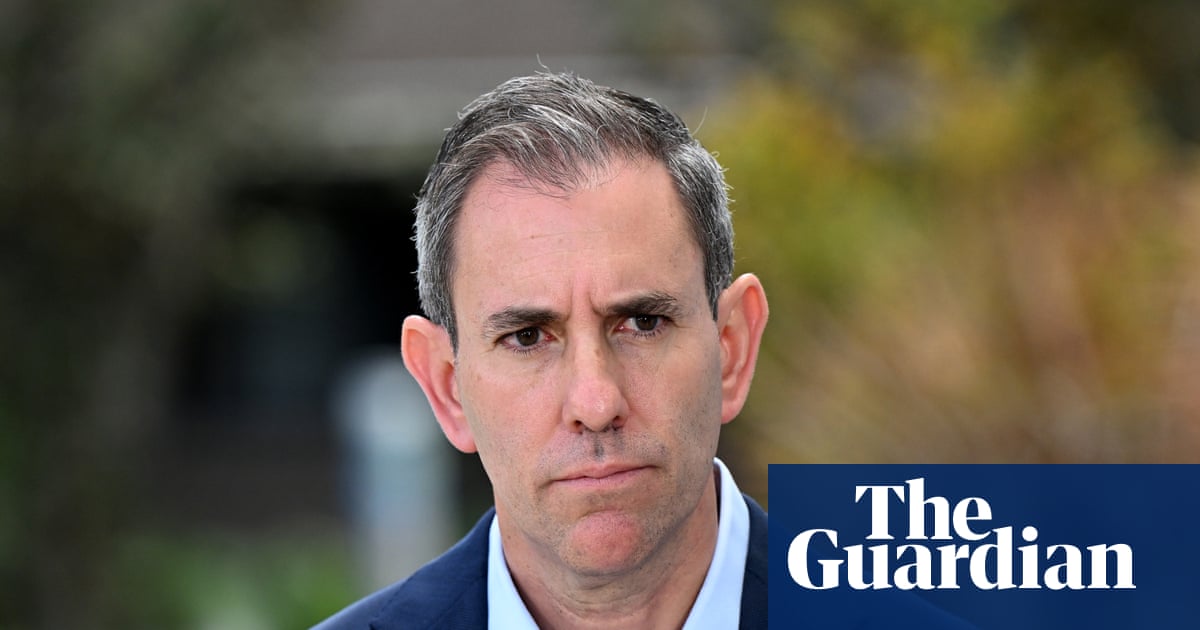
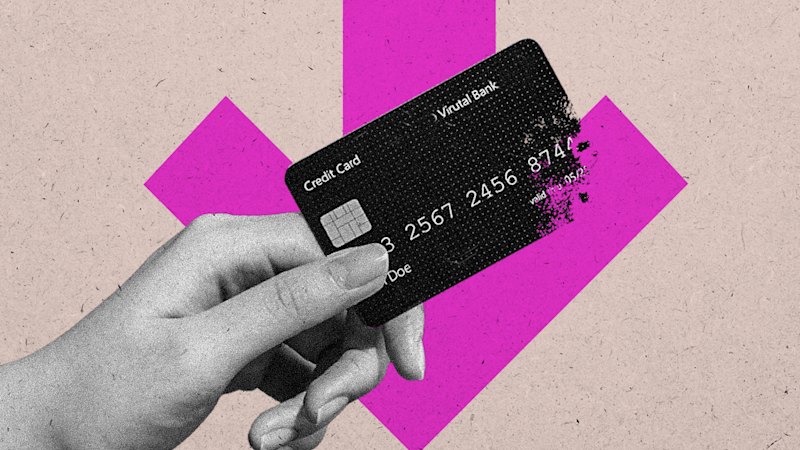
Treasurer Jim Chalmers has delayed a planned ban by the Australian Tax Office (ATO) on credit card payments for tax bills until June 2027, following criticism from small businesses. The ATO originally intended to stop accepting these payments from November due to high costs—nearly $200 million annually—but will continue to accept them via third parties and other low-fee methods like debit cards and bank transfers until the end of June. This decision aims to support small business cash flow needs, as some businesses rely on credit card payments to manage tax liabilities.
Written locally by qwen2.5:14b on 2026-10-09,
using this article's own text rather than the other coverage of the
same event (that is the story summary below).
Story summary
The Australian Taxation Office (ATO) has delayed its controversial ban on credit card payments for tax bills, originally set to take effect by November 30, after facing heavy criticism from small businesses and opposition parties. Treasurer Jim Chalmers announced additional funding for a year-long transition period during which the ATO will continue to accept credit card payments via third-party providers as well as other free or low-fee methods like debit cards and bank transfers until at least June 2024. The ATO had initially justified the ban by estimating it would cost taxpayers about $200 million annually to cover merchant fees, but this decision caused significant concern among small businesses relying on credit card payments for cash flow management. Chalmers emphasized that the government is committed to supporting small businesses, which are crucial to Australia's economy.
Written for “ATO Credit Card Ban Delayed” on 2026-10-09,
grounded in this article and the 4 other(s) covering the same event.
Why this leaning score
The article's own words the score was based on. Each is quoted
verbatim and was checked against the article text before being
stored, so you can find it in the original.
Leaning: leans left for article 67359 (high confidence, 1 verified quote) · logged 2026-10-09
Claims extracted
14
claim-shaped sentences
Uncertain
0%
0 of 14 hedged
Leaning
Leans left
of the writing, not the subject · beta estimate
Correction & hedging signals
68.4
corrections and hedging in what we collected;
not a measure of accuracy
Outlets on this story
5
Economy/Business
Narrative spread
1
articles carrying this framing
A controversial credit card ban for payments on tax bills will be delayed by six months as extra funding is announced for the Australian Tax Office.
asserted
funding → delay → Office
Treasurer Jim Chalmers announced on Friday extra funding for the ATO to halt the change until the end of June.
asserted
ATO → announce → June
“This decision is about putting small business first,” he said in a statement.
asserted
he → put → statement
The backflip follows criticism from small businesses in response to the ATO’s plan which was to stop accepting credit card payments for tax bills from the end of November.
asserted
which → follow → November
The tax office will continue to accept credit card payments via third parties as well as other free and low-fee payment methods like debit card and bank transfers from July 2027.
asserted
office → continue → July
On 1 October, the tax commissioner, Rob Heferen, announced moves to stop accepting credit card payments for tax bills from 1 December.
asserted
commissioner → announce → December
He said continuing to accept card payments would cost the ATO almost $200m a year, as those costs can no longer be passed on to card users.
asserted
costs → say → users
But some business owners, particularly smaller operators, use credit card payments as a cashflow tool, managing their liabilities by using credit when required.
asserted
owners → use → credit
The tax office said continuing to accept card payments would cost the ATO almost $200m a year under the Reserve Bank’s ban surcharges for credit card payments.
asserted
continuing → say → payments
Because tax liabilities are legislated by federal parliament, the ATO says it cannot build card payment costs into charges paid by taxpayers.
asserted
it → legislate → taxpayers
Estimates suggest about 5% of small businesses use credit card payments for tax bills.
asserted
% → suggest → bills
“Small business needs this facility in place,” the Australian Chamber of Commerce and Industry boss, Andrew McKellar, said this week.
asserted
boss → need → Commerce
“They’ve got to manage cash flow.
asserted
They → get → flow
What they are looking for is for one clear, consistent approach and solution from government.”
asserted
looking → look → government
 The Aporia