That is 0 articles you have read today.
The Aporia is free and carries no advertising, so readers are the only
thing paying for it. If you are getting this much out of it, a small
donation is what keeps it independent.
Daily limit reached
You have read 0 articles today.
That is more than the 15 a day The Aporia gives away,
and well past what it can carry on nothing. Your allowance resets at
midnight.
There is no advertising here and nothing about you is sold, so readers
are the only thing paying for it. If the site is worth this much of
your day, it is worth a few dollars.
Everything else stays open: the
maps, the
directory and
search do
not count against this, and neither does re-opening something you have
already read today.
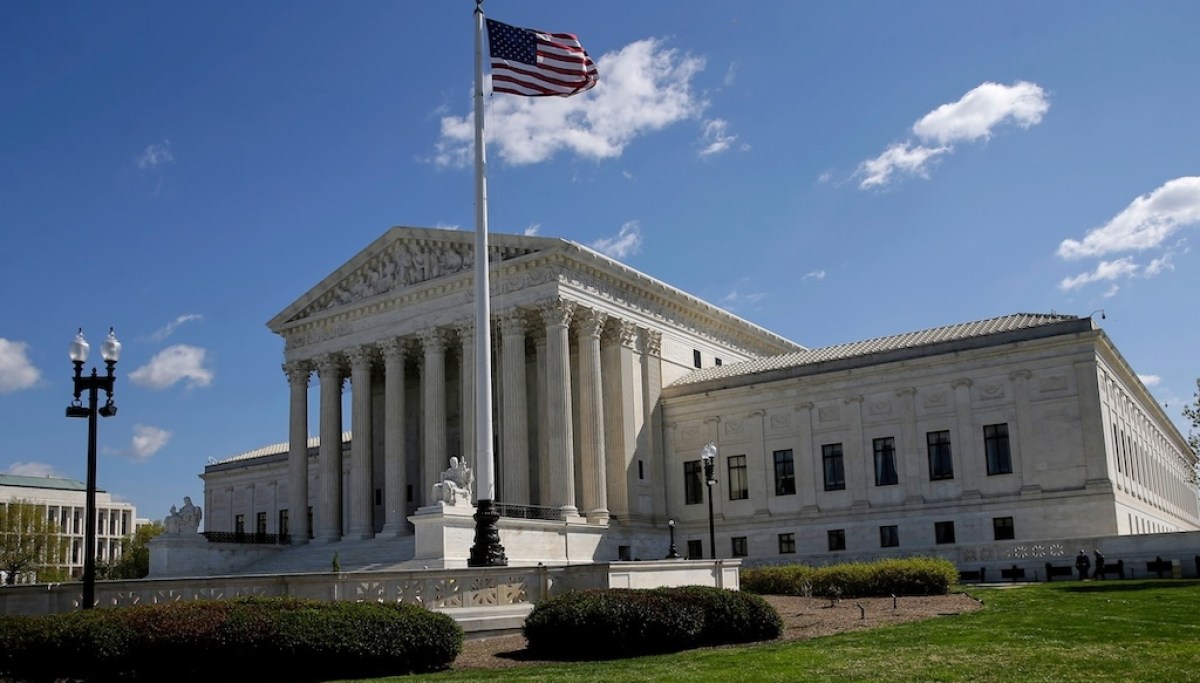
Chief Justice John Roberts granted a temporary stay of a ruling by the U.S. Court of Appeals for the 4th Circuit on Thursday, halting an order that would have required the FCC to issue a decision on a revised rule allowing political parties and joint fundraising committees access to more favorable television ad rates before November’s midterm elections. The move comes as both Democrats and Republicans are contesting this rule based on their respective financial advantages in campaigning. Roberts' action pauses the 4th Circuit's deadline while the Supreme Court considers emergency petitions from the Trump administration and GOP campaign arms to lift the lower court’s ruling, setting a new response timeline for Democratic challengers by Saturday evening.
Written locally by qwen2.5:14b on 2026-10-09,
using this article's own text rather than the other coverage of the
same event (that is the story summary below).
Story summary
On Thursday, Chief Justice John Roberts granted the Federal Communications Commission (FCC) a temporary reprieve in their legal dispute over who qualifies for favorable advertising rates during election periods. The case centers around a revised rule that allows political parties and joint fundraising committees to access television advertisement rates usually reserved for political candidates. A ruling by the U.S. Court of Appeals for the 4th Circuit had previously ordered the FCC to finalize its decision on this rule, which Democrats are against due to their cash advantage in individual candidate campaigns, while Republicans support it because they have a financial edge at the party level. Last month, the Supreme Court ruled 8-1 that the 4th Circuit prematurely halted the rule and that the FCC must first issue its decision before further appeals can proceed. However, on Wednesday, the 4th Circuit again instructed the FCC to make its final ruling by Friday, only for Roberts's stay to delay this requirement temporarily.
Written for “FCC Campaign Ad Rules” on 2026-10-09,
grounded in this article and the 0 other(s) covering the same event.
Why this leaning score
This article does not take a side on a contested political
question, so it has no leaning score. That is an
answer rather than a gap: a match report or a rescue can be warmly
or critically written without being left or right, and scoring it
anyway is how approval of a subject gets recorded as a political
position.
No political leaning scored for article 67237 · logged 2026-10-09
Chief Justice John Roberts gave the Federal Communications Commission a temporary win on Thursday in its legal battle over who is entitled to favorable advertising rates in the closing weeks of the costly and hotly contested midterm elections.
asserted
who → give → elections
Roberts granted an administrative stay of a ruling by the U.S. Court of Appeals for the 4th Circuit that would have forced the FCC to issue a final ruling on a revised rule allowing political parties and joint fundraising committees to access the more favorable television advertisement rates that are typically reserved for political candidates.
asserted
that → grant → candidates
The Democratic congressional candidates who brought the challenge are hoping to strike down the revised rule due to their cash advantage with individual candidates, and Republicans have pushed for the new rule due to their significant cash advantage at the party level.
asserted
Republicans → bring → level
Last month, the Supreme Court ruled 8-1 that the 4th Circuit had prematurely halted the rule, finding that the FCC must issue a decision on the Democratic candidates’ petition for review before the appeals court can get involved.
asserted
court → rule → review
On Wednesday, a three-judge panel on the 4th Circuit ordered the FCC to issue its decision by Friday, a move the Trump administration claims is to allow the appeals court to strike down the rule with less than a month to go before the elections.
uncertain
court → order → elections
Roberts halted the 4th Circuit’s ruling for now, pausing that deadline while the Supreme Court weighs the emergency petitions from both the Trump administration and the GOP Senate and House campaign arms to lift the lower court’s ruling.
asserted
Court → halt → ruling
The chief justice ordered the Democratic candidates to respond to the emergency petitions by 5 p.m. on Saturday but did not set a firm timeline for when the high court will rule on the petitions.
asserted
court → order → petitions
The fight over the FCC rule comes with less than a month to go in the fiercely contested and expensive midterm elections, with control of both the House and Senate at stake.
asserted
fight → come → stake
The Thursday applications are the latest election-related case to make its way to the Supreme Court’s emergency docket in recent months.
asserted
applications → relate → months
The other major fight on the emergency docket over the past several months has been regarding the Trump administration’s new mail ballot order, which the high court allowed to remain blocked through the midterm elections.
asserted
court → regard → elections
 The Aporia