Story summary
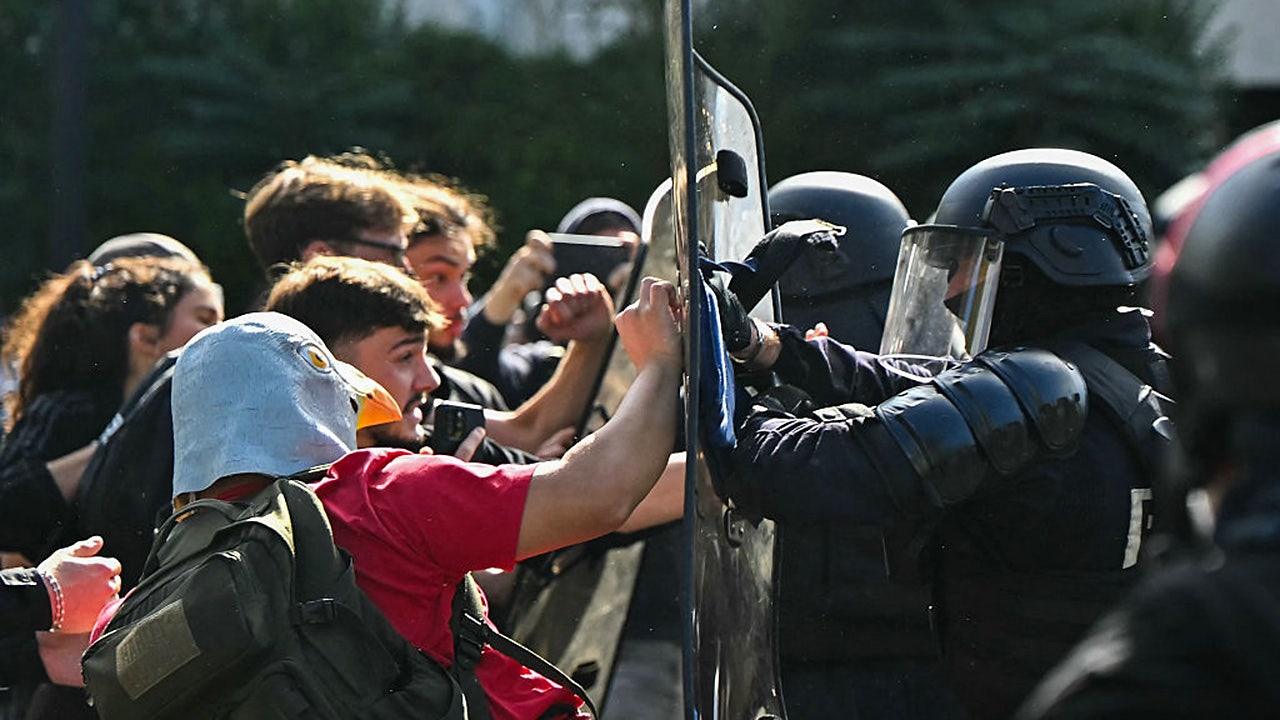
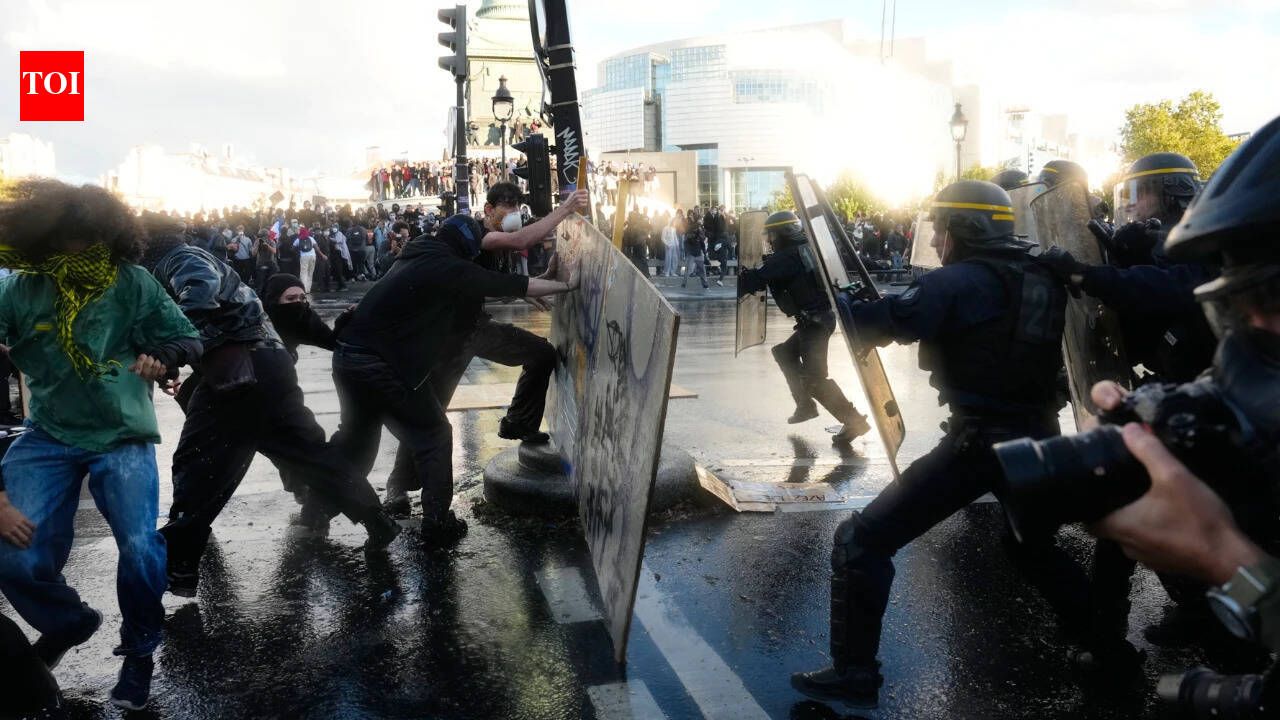
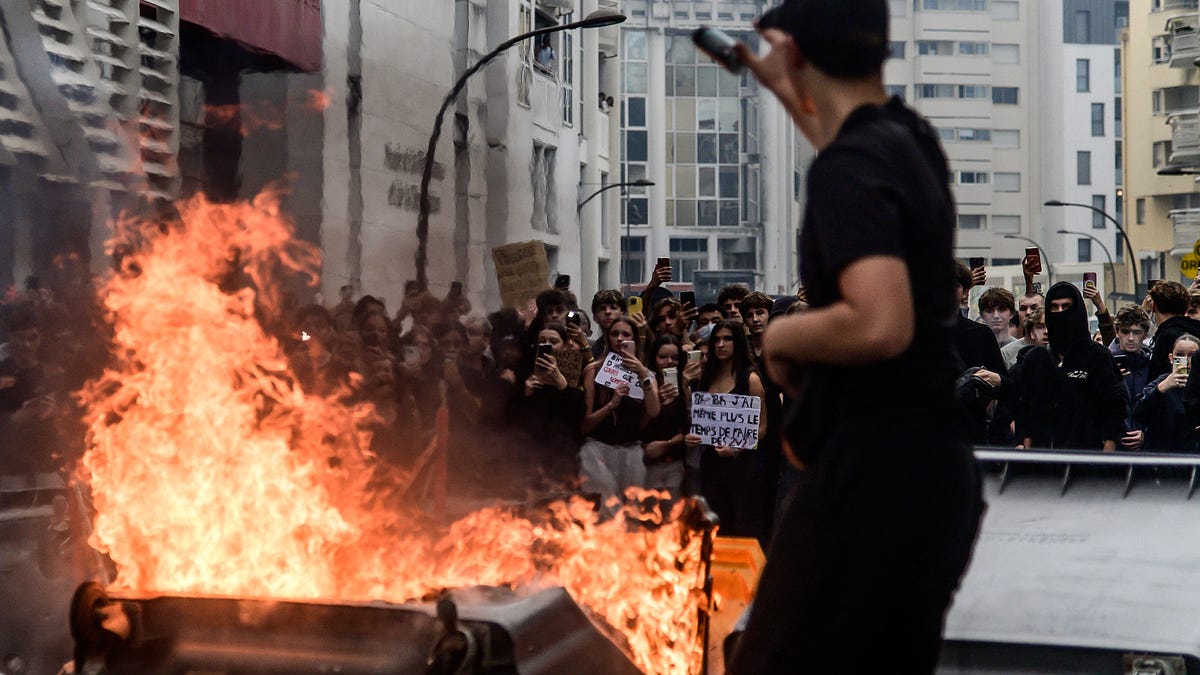
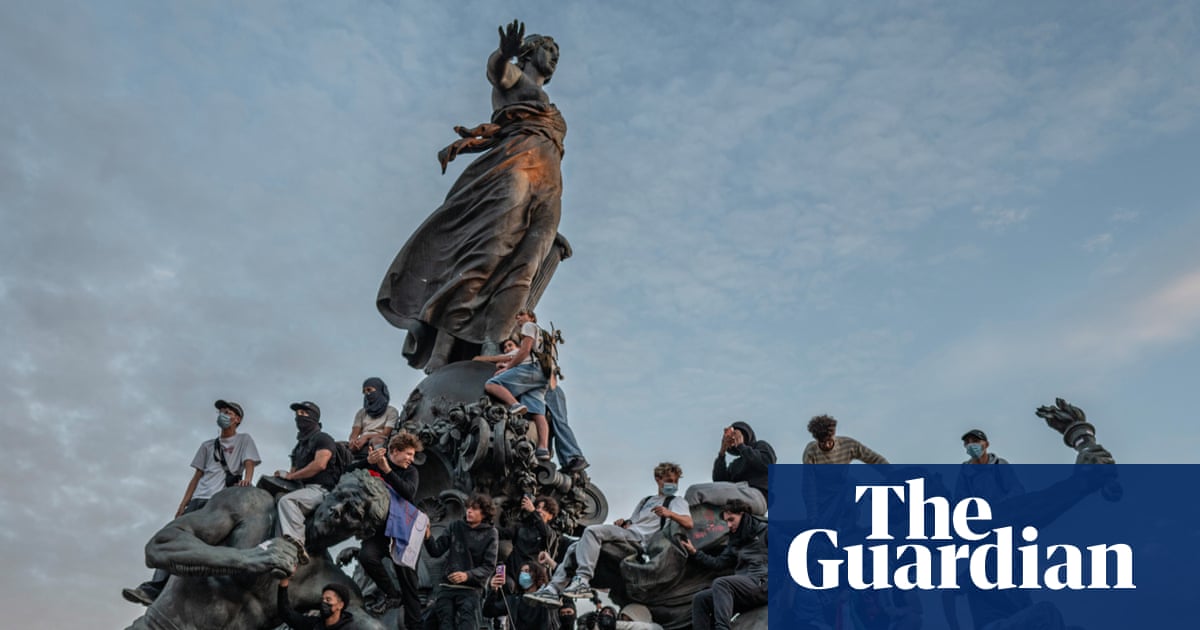
French high school students are continuing to protest across the country since late September, demanding better educational conditions and an increase in teacher numbers. The protests have led to hundreds of schools being closed or partially shut down; on Thursday alone, 224 high schools were closed, while 151 were reopening after previous closures. Demonstrators cite issues like dilapidated school buildings, extreme classroom temperatures during heatwaves, and insufficient staffing as major grievances.
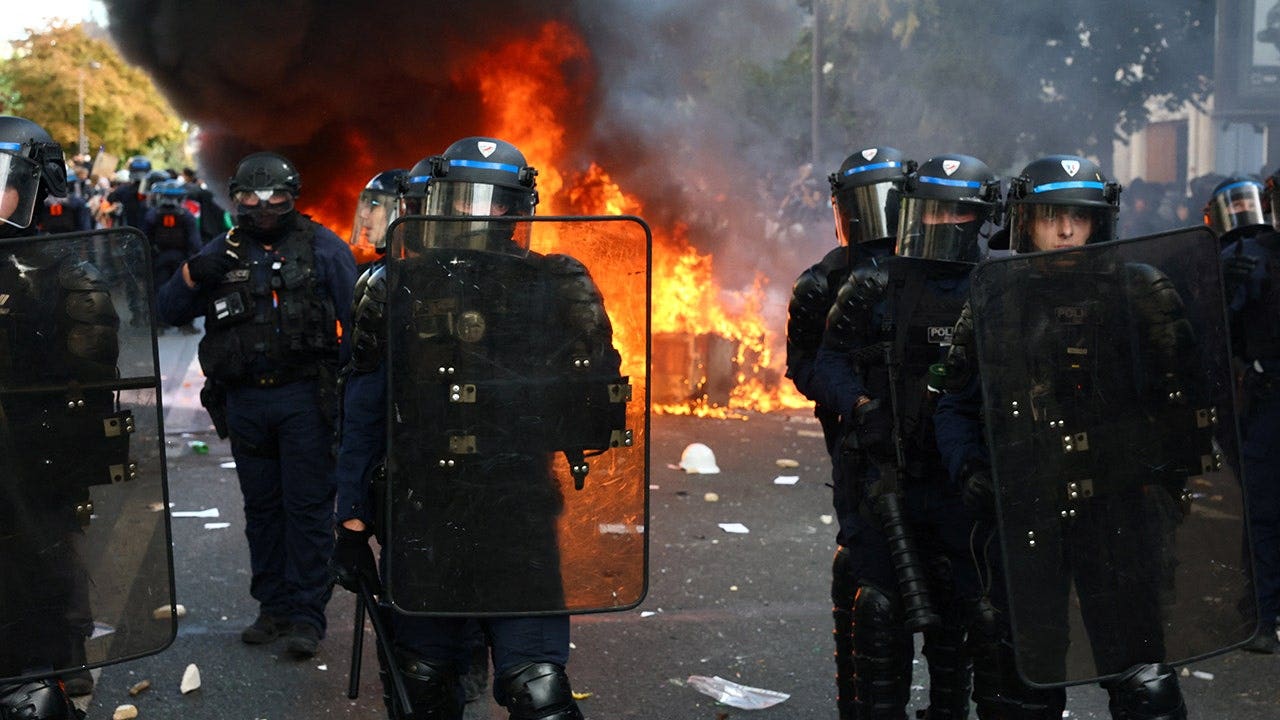
Prime Minister Sebastien Lecornu has promised to address these concerns but did not offer concrete solutions immediately, causing further frustration among the students. Despite his televised address acknowledging their anger, many students remain unsatisfied, emphasizing that they will continue protesting until real action is taken. The protests have also drawn criticism over police tactics; Interior Minister Laurent Nunez has suspended the use of stun grenades after a teenager lost part of her hand during clashes with authorities.
The ongoing unrest highlights deep-seated issues within France’s education system and its broader public services, exacerbated by financial constraints facing the government. As tensions rise, major demonstrations are planned for key locations like Place de la République and Place de la Bastille, expected to draw large crowds in Paris and beyond on October 17th.
Written for “French Student Protests” on 2026-10-08,
grounded in this article and the 50 other(s) covering the same event.
Editor's note: This op-ed is part of a series by Eli Steele exploring White guilt in America and the West.
asserted
ed → explore → America
Steele is the director of the newly released documentary essay, "White Guilt."
asserted
Steele → release → essay
One of the most striking images of the riots that I saw sweeping France in recent days was that of a burning school in Nantes.
asserted
I → see → Nantes
The student movement in the streets around the school called itself a demand for education.
asserted
movement → call → education
I was scrolling through my X feed when I saw the image of a burning trash can outside Lycée Nelson Mandela.
asserted
I → scroll → Mandela
The flames spread to the walls of the building and into the glass entrance hall.
asserted
flames → spread → hall
There were still students in their classrooms and, thankfully, every one of them got out.
asserted
one → be → them
When this school opened 12 years ago, its construction cost approximately €64 million, and it was touted as a beacon of hope and possibility for young people.
asserted
it → open → people
Now the school has been shuttered for repairs, and its 1,700 students must learn from home for the time being.
asserted
students → shutter → time
According to the education minister, 24 schools have been burned or ransacked since late September, and about 30,000 students won't see the inside of their classrooms for weeks.
uncertain
students → accord → weeks
More than 6,500 people have been arrested, most of them minors.
asserted
most → arrest → them
At least 215 students have been hurt, along with 85 teachers and staff.
asserted
students → hurt → teachers
A 16-year-old lost the use of an eye.
asserted
old → lose → eye
In La Ciotat, a physics teacher was sprayed in the face with gasoline and struck by a student from his own lycée while trying to put out a fire.
asserted
teacher → spray → fire
Many media figures and nonprofit organizations like Amnesty International emphasized the students’ demands for better educational conditions and criticized the police response, while also acknowledging violence by some demonstrators.
asserted
figures → emphasize → demonstrators
In the more shocking videos that flowed from the streets of France out into the world, there were teachers who made a point of standing with the students in the streets.
asserted
who → flow → streets
In some cases, parents and union members joined in.
asserted
parents → join → cases
The mayor of Saint-Denis, Bally Bagayoko, stood with students who were blockading their own school and argued that violence can sometimes be legitimate, although he also said he opposed violence and called for de-escalation.
asserted
he → stand → escalation
No matter what France does, it loses.
asserted
it → do → what
Every attempt by the 'oppressor system' to restore law and order becomes a new grievance for the oppressed.
asserted
attempt → restore → oppressed
As one watches the footage of students swarming the streets, seemingly with impunity, one has to wonder how the civilization that gave the world Voltaire, Rousseau, Camus and the free public school arrived at a place where schools can burn amid a movement demanding better schools.
asserted
schools → watch → schools
What is happening in the streets of France is the latest iteration of the White guilt formula that has its roots in America.
asserted
that → happen → America
My father, Shelby Steele, has written about White guilt since the 1980s.
asserted
father → write → 1980s
It is not the guilt a person feels for something he did.
asserted
he → feel → something
Almost no Whites alive today owned slaves or ran colonies.
asserted
Whites → own → colonies
How can one feel guilt for sins one did not commit?
asserted
one → feel → sins
The left has condemned all Whites for the sins of the West, from slavery and segregation to colonialism.
asserted
left → condemn → colonialism
It has made whiteness a symbol of historical evil that must be torn down.
asserted
that → make → evil
In doing so, it has created the terror of being called a racist or a colonialist and stripped of moral authority.
asserted
it → do → authority
To escape that terror, many Whites try to buy their way out.
asserted
Whites → escape → way
But only the "oppressed" can grant innocence, and so a bargain is struck.
asserted
bargain → grant → innocence
The "oppressed" sell victimhood for power.
asserted
oppressed → sell → power
The "oppressor" buys innocence with deference, programs, and lower expectations, and when the pressure is high enough, silence in the face of the match.
asserted
pressure → buy → match
Both sides get what they want, except the children, who are mere pawns.
asserted
who → get → children
In the 1960s, people were oppressed.
asserted
people → oppress → 1960s
Today they are taught oppression.
asserted
they → teach → oppression
Most of these students never lived under colonialism.
asserted
Most → live → colonialism
They have been taught that they still do.
asserted
they → teach → ?
In the 1960s, people were oppressed.
asserted
people → oppress → 1960s
Today they are taught oppression.
asserted
they → teach → oppression
…and 29 more, not listed.
 The Aporia