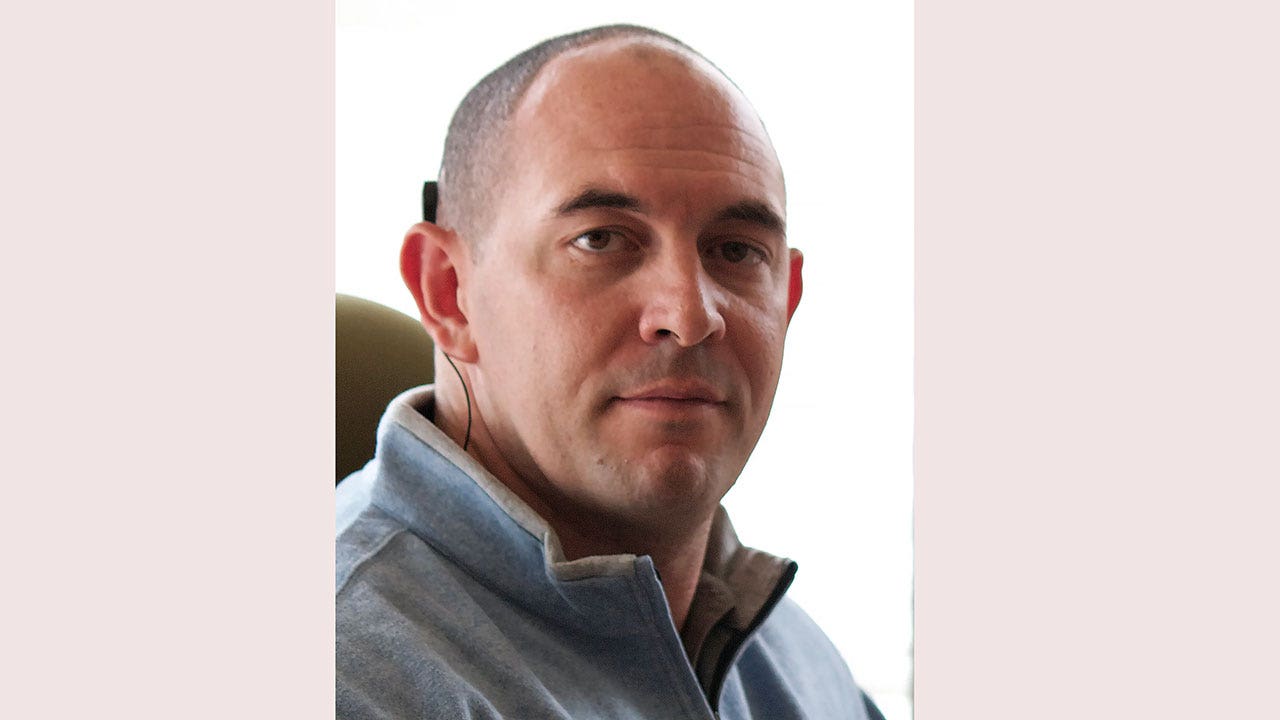
Shelby Steele, a columnist and senior fellow at Stanford University's Hoover Institution, discusses his experiences with people avoiding public acknowledgment of viewpoints that could be perceived as racist, even when they privately agree with him. One instance involves a white man who commends Steele’s speech on racial issues but avoids publicly supporting it out of fear of being labeled a racist. Steele argues that this fear of accusation has stifled free speech and hindered progress since the civil rights era, noting how accusations of racism are often used to silence opposition in contemporary social and political discourse.
Written locally by qwen2.5:14b on 2026-10-06,
using this article's own text rather than the other coverage of the
same event (that is the story summary below).
Why this leaning score
The model judged this article politically coded and scored it -0.65, but every quote it verified points right, so the score is not published.
Written under an earlier scoring contract, which gave a paragraph
rather than checkable quotes. Re-analysing this article replaces it.
Leaning score withheld for article 59623: score contradicts its own evidence · logged 2026-10-06
When my father, Shelby Steele, author, columnist, and senior fellow at Stanford University's Hoover Institution, began publishing his essays on race in the late 1980s, my teenage self was often by his side when he gave speeches.
asserted
he → publish → speeches
After each speech, the same scene unfolded as a crowd of people gathered to the side of the podium, each wanting a word.
asserted
each → unfold → word
I remember one man in particular who hurried to reach my father first.
asserted
who → remember → father
He wore a corduroy sports coat with leather elbow patches.
asserted
He → wear → patches
He said, "Dr. Steele, that was truly a remarkable speech.
asserted
that → say → ?
I want to thank you for saying the things you said up there."
asserted
you → want → things
My father thanked him, and the man lowered his voice and leaned in as if to share a conspiracy.
asserted
man → thank → conspiracy
"You know I can't say those things."
asserted
I → know → things
My father leaned back and said, "Why not?"
asserted
father → lean → ?
The man smiled, as if to say, come on, "I am a White man."
asserted
I → smile → ?
My father had spent the past hour arguing for moving beyond the stifling limits of racial identity to the far greater possibilities within the American identity.
asserted
father → spend → identity
The man agreed with every word, yet he could not bring himself to say them.
uncertain
he → agree → them
He did not do so out of modesty but out of fear.
asserted
He → do → fear
To escape the charge of racism, he reduced himself to his race.
asserted
he → escape → race
The fear had done to him exactly what racism does.
asserted
racism → do → what
So, he stayed silent and let others like my father speak for him.
asserted
others → stay → him
No charge in American life carries more destructive power than the accusation of racism.
asserted
charge → carry → racism
Once charged with this modern-day Scarlet Letter, how do you disprove it?
asserted
you → charge → it
Do you trot out your Black friends and have them testify to your innocence?
asserted
them → trot → innocence
Or do you look into your accuser’s eyes and say the words that no one believes: I am not a racist?
asserted
I → look → that
You cannot disprove it — the accusation is the verdict.
asserted
accusation → disprove → it
This terror has reigned since the civil rights era, when the nation admitted to centuries of racial horror and rightfully vowed never to repeat it.
asserted
nation → reign → it
Americans wanted to be better.
asserted
Americans → want → ?
For many, this terror came to overtake even the biblical sins.
asserted
terror → come → sins
A man could be forgiven for greed, a lie, or even adultery, but not racism.
uncertain
man → forgive → greed
Those sins of the Bible had a way back through confession, repentance, and forgiveness.
asserted
sins → have → confession
Racism had none.
asserted
Racism → have → none
There was no amount of confession that absolved it.
asserted
that → be → it
This terror has reigned since the civil rights era, when the nation admitted to centuries of racial horror and rightfully vowed never to repeat it.
asserted
nation → reign → it
Americans wanted to be better.
asserted
Americans → want → ?
Some Americans went further.
asserted
Americans → go → ?
They believed that their nation's founding principles were stained with racism to the point that they no longer held any legitimacy or role in their redemptive efforts.
asserted
they → believe → efforts
They embraced the Marxism of liberation ideology, dividing us into White oppressors and oppressed people of color.
asserted
They → embrace → color
And when they came to understand the full power of this White guilt terror, they molded it to their advantage.
asserted
they → come → advantage
Anyone who stood in their way also stood in the path of justice.
asserted
who → stand → justice
At first, this terror enforced our behavior from the outside, and then it began to seep into our minds.
asserted
it → enforce → minds
On the nightly news, in newspaper headlines, or before our own eyes — we saw people or companies shamed as racist for not being diverse enough, for a word taken out of context, or for a donation to the wrong cause.
asserted
people → see → cause
Careers ended.
asserted
Careers → end → ?
Offenders were socially ostracized.
asserted
Offenders → ostracize → ?
We saw all of this, and we began to police our own speech and thoughts out of fear of saying the wrong thing.
asserted
we → see → thing
…and 55 more, not listed.
 The Aporia