Far-right victory in German state expected to send shockwaves throughout the world
Alternative for Germany (AfD) secured historic win in Saxony-Anhalt on Sunday
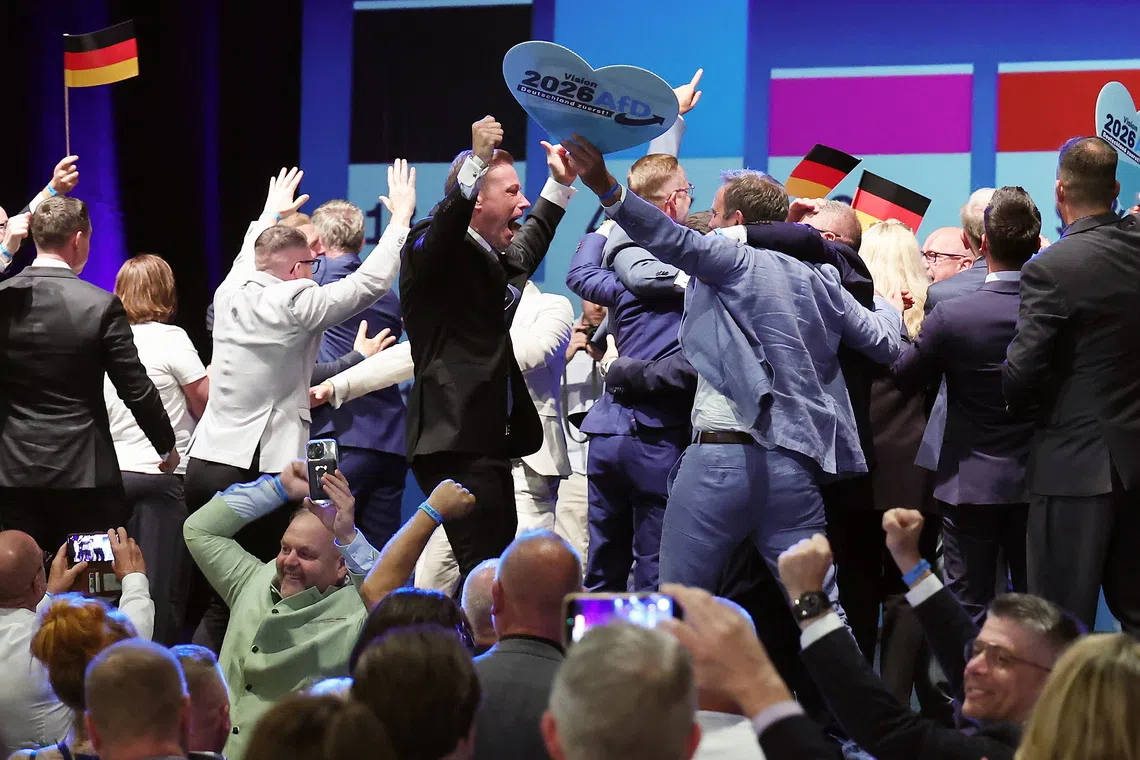
Voters in the eastern German state of Saxony-Anhalt have overwhelmingly chosen the far-right Alternative for Germany (AfD) to run their government.
asserted
Voters → expect → government
It's a historic victory for a once-fringe populist party that's designated as right-wing extremist by local domestic intelligence agencies in numerous states, including in Saxony-Anhalt, and whose members have come under fire for using Nazi slogans.
asserted
members → designate → slogans
Some experts say the win Sunday signifies a deep crisis of established politics in Germany and sends a message to right-wing populists around the world, ahead of numerous regional and federal elections in the European Union, that the political tides are in their favour.
asserted
tides → say → favour
"I'm feeling so excited and I'm so proud of our team here in Saxony-Anhalt," Alice Weidel, federal co-leader of the AfD, told CBC News at the election media centre in Magdeburg, the state's capital.
"
asserted
Weidel → feel → Magdeburg
We have a huge responsibility, not only in Saxony-Anhalt, but in overall Germany."
asserted
We → have → Germany
The AfD in Saxony-Anhalt promises to improve relations with Russia, ban Pride flags in schools and create separate classrooms for refugee children.
asserted
AfD → promise → children
It calls for "remigration," a term often used in far-right circles to refer to mass deportations of people who come from a migration background.
asserted
who → call → background
"No one who is honest, and no one who is accepting our laws and no one who is not illegal in Germany has to be scared because of our party," said AfD Saxony-Anhalt chairman Martin Reichardt.
asserted
Reichardt → accept → party
Elon Musk, Trump react to election results
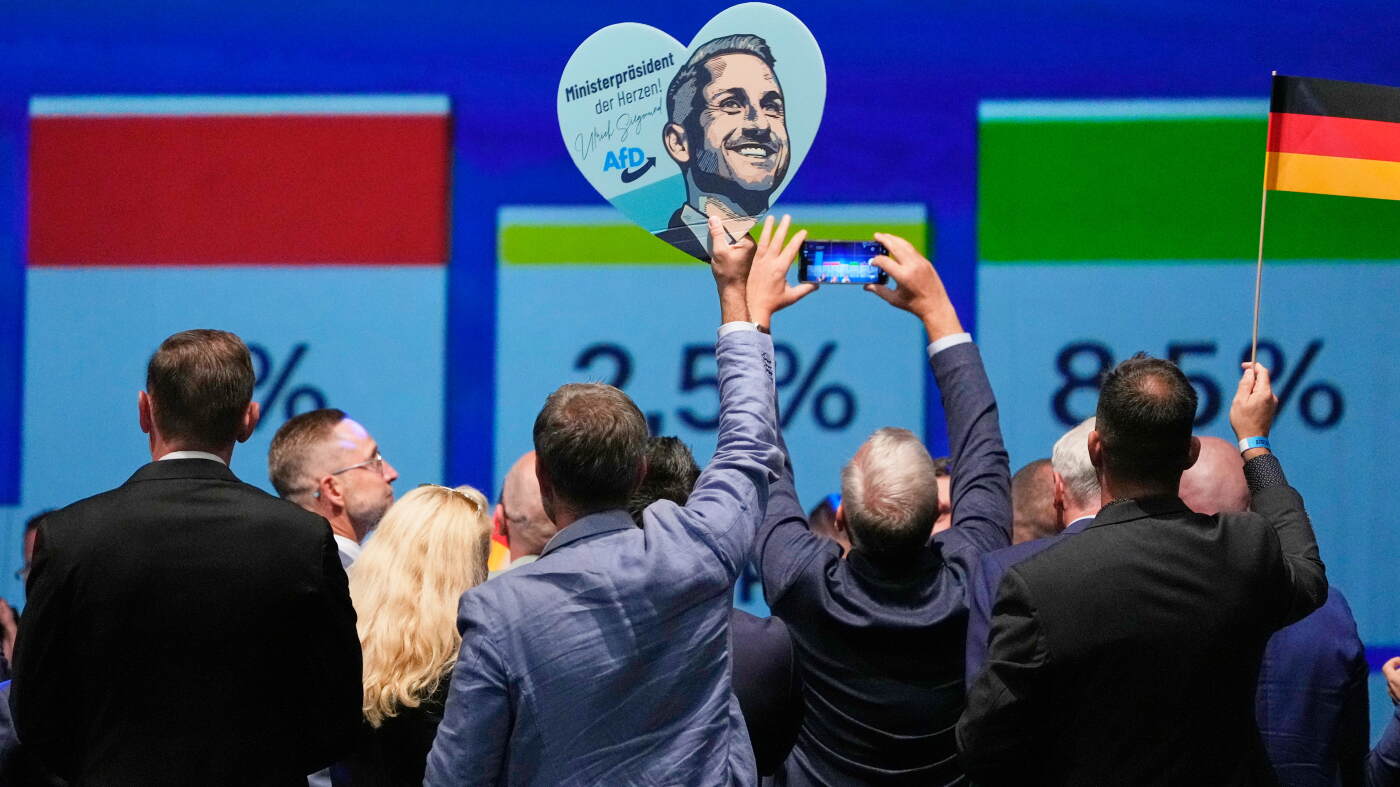
AfD politicians in Saxony-Anhalt have praised U.S. President Donald Trump as a source of inspiration, even using the catchphrase "Make Saxony-Anhalt Great Again" on the campaign trail, an echo of Trump's MAGA movement.
Some in the United States are already responding to Sunday's win with their congratulations.
Elon Musk wrote "Gut gemacht!" (which translates to "well done") in response to Weidel's post on X congratulating Ulrich Siegmund, the AfD candidate to lead Saxony-Anhalt, on his win.
asserted
which → react → win
Musk previously endorsed the party at a rally in Saxony-Anhalt in 2025.
asserted
Musk → endorse → 2025
Trump also posted a screenshot of the preliminary election results to his Truth Social page on Sunday evening.
asserted
Trump → post → evening
Siegmund said Germany's success hinges on having more “sensible diplomacy” with other countries such as the U.S. and Russia.
"Momentum is still on the side of the right-wing populists," said Oliver Schmidtke, former director of the Centre for Global Studies at the University of Victoria in B.C.
"
asserted
Schmidtke → say → B.C.
I think right-wing populists around the western world, they see it as a sign that the frustration with old parties is very profound.
asserted
frustration → think → parties
"
The win is also an unprecedented blow to the established political system in Germany, according to Marcus Böick, a University of Cambridge professor who studies modern German history.
uncertain
who → establish → history
Voters in rural areas, of which there are many in Saxony-Anhalt, feel neglected by so-called elites in Berlin, he said.
asserted
he → be → Berlin
"At the moment it’s quite desperate, the situation," said Böick, who is from Saxony-Anhalt.
asserted
who → ’ → Anhalt
He said many people living in the former East Germany have grappled with ongoing inequality, unemployment and a lower quality of life compared to states in the west, more than three decades after the fall of the Berlin Wall.
asserted
people → say → Wall
"How should you get out of the mess?"
asserted
you → get → mess
German chancellor faces widespread unpopularity
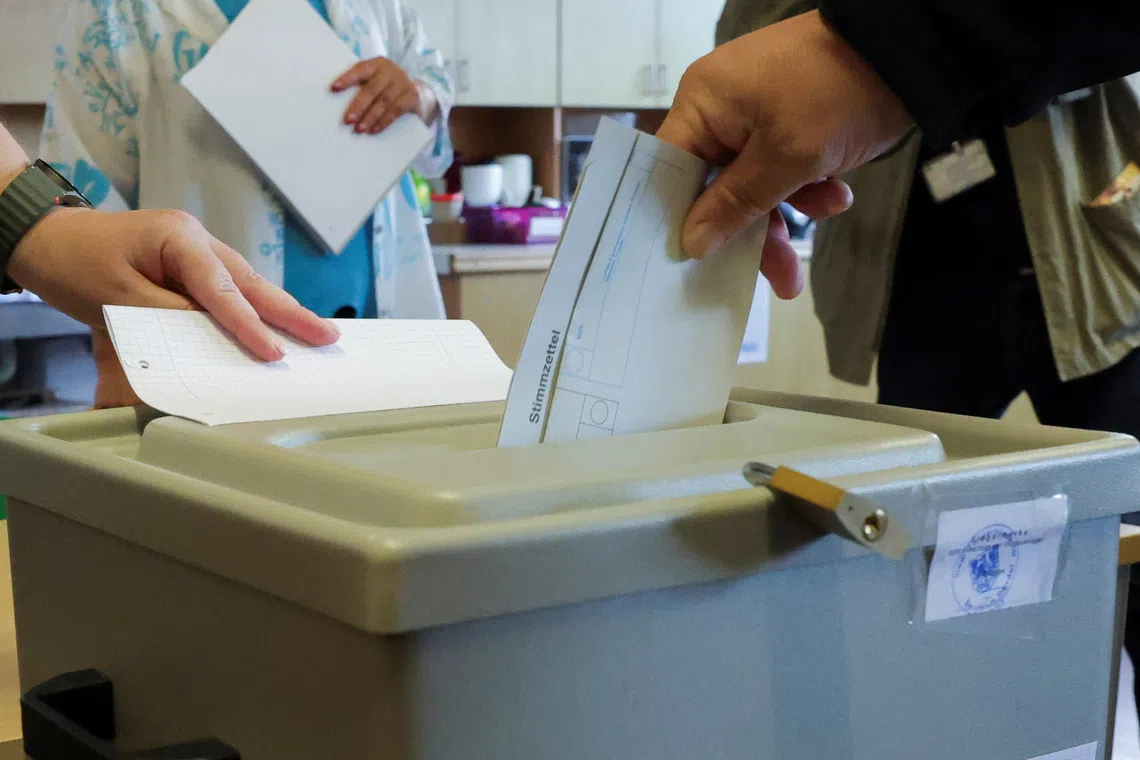
Voter turnout in Sunday's election was around 78 per cent, according to the state election commissioner, reportedly the highest turnout in Saxony-Anhalt since German reunification in 1990.
The AfD more than doubled its support from Saxony-Anhalt's last election in 2021, but it fell just three seats short of securing an absolute majority.
uncertain
it → face → majority
That means the party could still face challenges in forming government or electing Siegmund to head the state, since the German political system is usually governed by a coalition of more than one party.
uncertain
system → mean → party
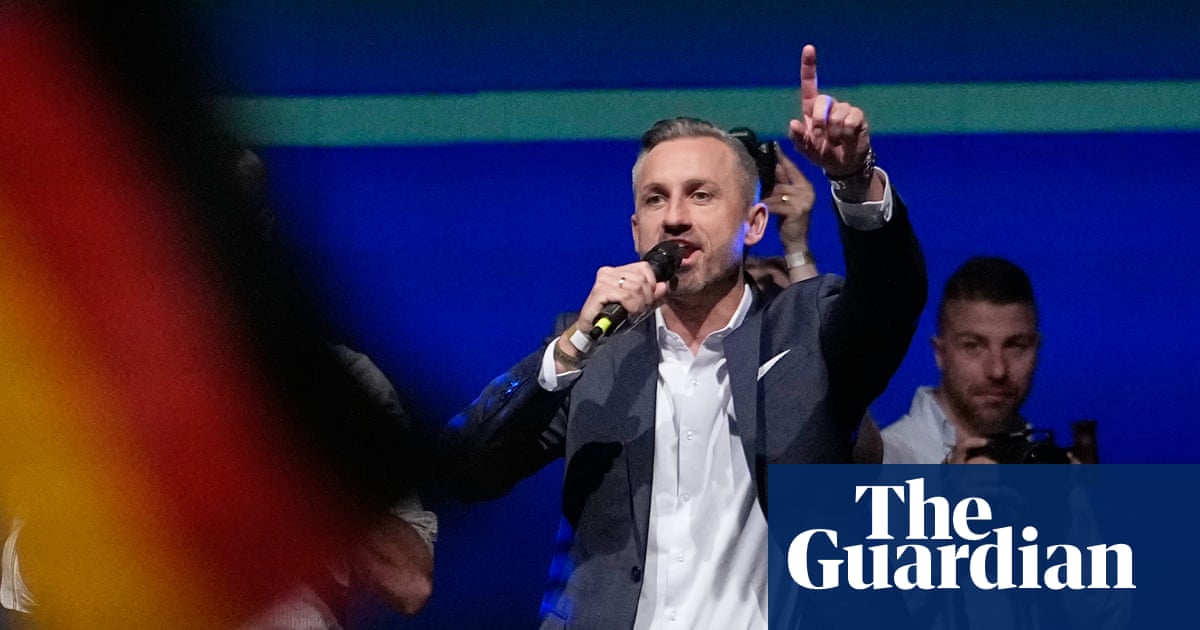
At a news conference in Berlin on Monday, Siegmund said the AfD will speak with individual parliamentary groups and lawmakers to see if they would support the party in governing Saxony-Anhalt.
asserted
they → say → Anhalt
"We will, of course, hold discussions to see whether there are — and this is a crucial message today — individual parliamentary groups or individual MPs willing to join us in tackling this historic task," said Siegmund in German.
asserted
Siegmund → hold → German
The win is also already leading to questions for the Christian Democratic Union (CDU), which after 24 years of governing in Saxony-Anhalt suffered major losses on Sunday.
asserted
which → lead → Sunday
The CDU received just 17.2 per cent of the vote, compared to 37.1 per cent last election.
asserted
CDU → receive → cent
The centre-right party also leads Germany federally under Chancellor Friedrich Merz, who faces widespread unpopularity.
asserted
who → lead → unpopularity
"I predict that the CDU will never again win a federal election," Weidel told reporters in German on Sunday.
asserted
Weidel → predict → Sunday
Merz said at a news conference in Berlin on Monday that the results of Saxony-Anhalt's election have shaken him personally.
asserted
results → say → him
He said Germany has a special responsibility to protect its constitution because of its past, and he pledged introducing reforms to improve the country's sluggish economy.
asserted
he → say → economy
"We are all deeply shocked," said Merz, standing beside the lead candidate for the CDU in Saxony-Anhalt, Sven Schulze.
asserted
Merz → shock → Anhalt
"We did not expect it to turn out like this.
asserted
it → expect → this
We must, of course, accept it.
asserted
We → accept → it
"But yesterday marked a turning point not only in Saxony-Anhalt, but throughout Germany.
asserted
yesterday → mark → Germany
And this election result will have consequences."
asserted
result → have → consequences
The CDU and other mainstream political parties previously kept the AfD out of state power by forming coalition governments by refusing to work with them.
asserted
CDU → keep → them
The strategy is known as "the firewall" and is meant to safeguard German democracy against threats to the country's postwar liberal values and constitution.
asserted
strategy → know → values
But experts say options for the mainstream political parties to form a coalition that will keep the AfD out of power in Saxony-Anhalt are limited, especially with the party's level of public support.
asserted
that → say → support
The AfD also leads national opinion polls at 27 per cent, according to German election research company Infratest-Dimap, and secured the second-highest number of seats in the 2025 federal election.
uncertain
AfD → lead → election
A feather in Russia's cap
The AfD is also pitching major overhauls to Germany's current policy toward Russia.
asserted
AfD → pitch → Russia
There are also reported concerns about the party's ties to the country, because if the AfD holds state power, it could control state-level domestic intelligence services.
uncertain
it → be → services
Weidel told reporters on Sunday that the AfD party wants to help facilitate peace negotiations amid the ongoing Russia-Ukraine war, but experts say the party takes a clear pro-Russia stance.
asserted
party → tell → stance
…and 9 more, not listed.
 The Aporia