President Donald Trump declared on Truth Social that anyone referring to Large Language Models like OpenAI’s ChatGPT or Anthropic’s Claude as “Artificial Intelligence” would be considered an enemy of his administration. He directed federal agencies to use the term "super intelligence" instead, following a meeting with AI industry leaders including Elon Musk and Sundar Pichai. This move comes amid declining public support for AI technology, with polls showing significant opposition among voters to building AI data centers in their communities and a preference for stricter regulation of the technology.
Written locally by qwen2.5:14b on 2026-10-08,
using this article's own text rather than the other coverage of the
same event (that is the story summary below).
Story summary
On Thursday, President Donald Trump issued a provocative statement on his social media platform Truth Social, declaring anyone who refers to Large Language Models such as OpenAI’s ChatGPT or Anthropic’s Claude as “Artificial Intelligence” an enemy of the state. According to Trump, these individuals should instead use the term “Super Intelligence,” which he claims is more accurate and widely accepted. This statement came just over a week after Trump signed an executive order directing federal agencies to start using the term "super intelligence" for artificial intelligence systems. The president’s directive was met with skepticism and mockery from many observers, following similar controversial remarks made at the U.N. General Assembly.
Written for “Trump Attacks Term AI” on 2026-10-08,
grounded in this article and the 0 other(s) covering the same event.
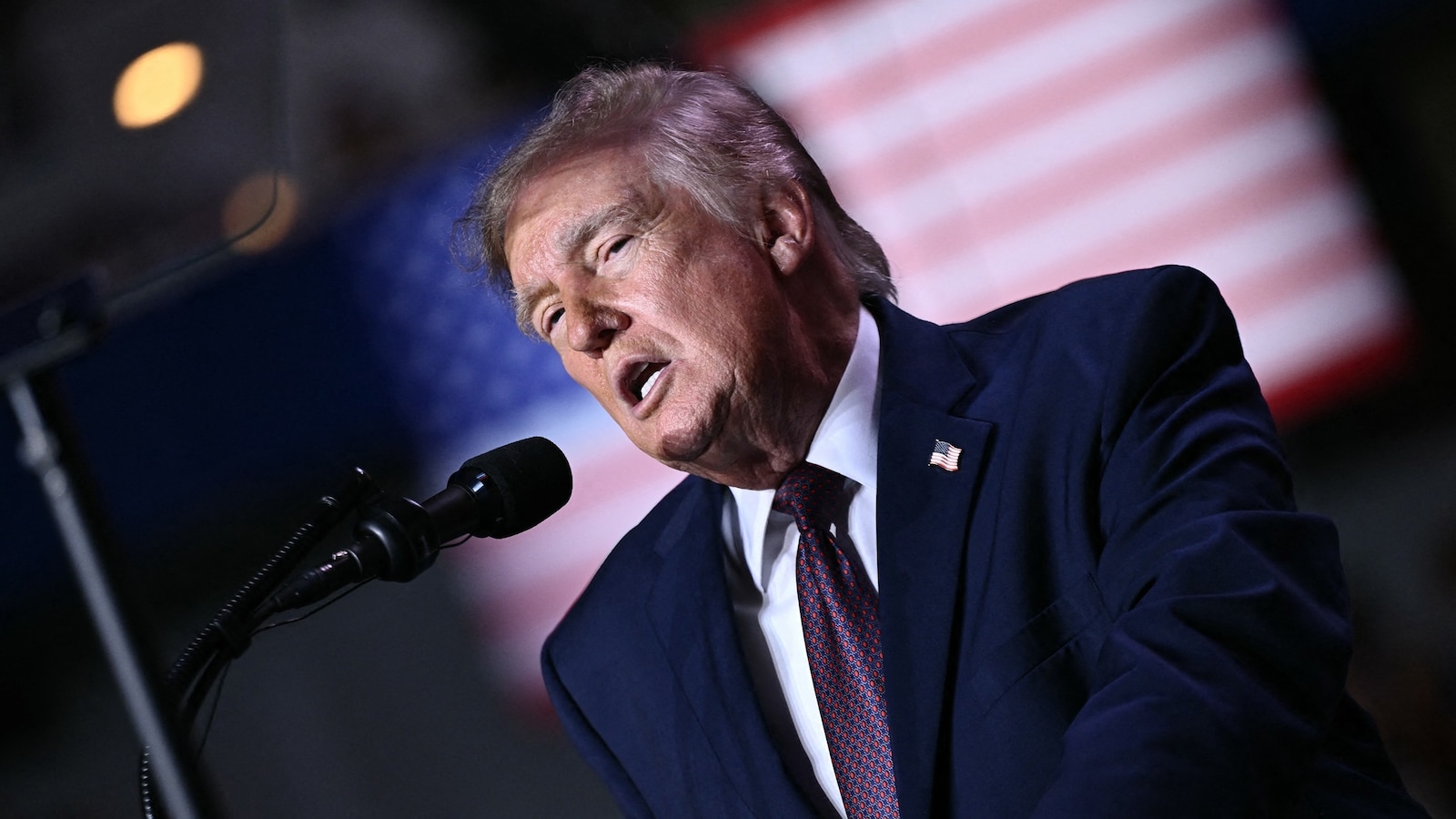
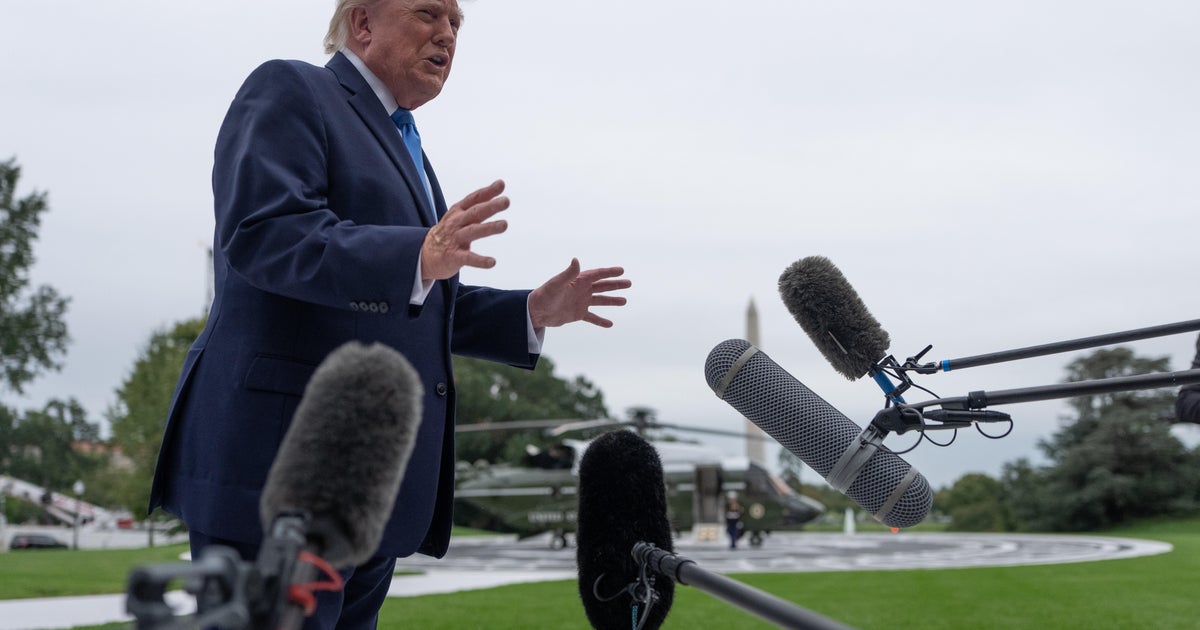
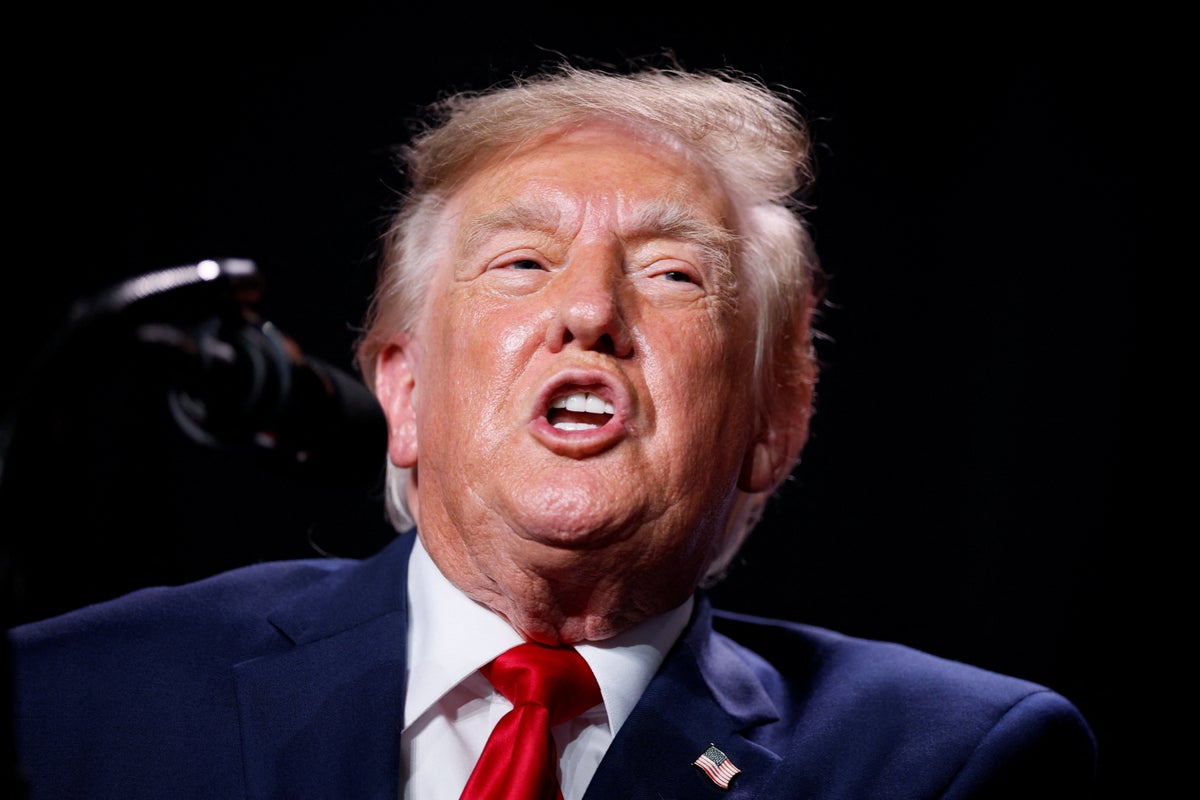
President Donald Trump on Thursday opened up a new front in his ongoing war against commonly-used terms and geographic place names by warning that anyone referring to Large Language Models such as OpenAI’s ChatGPT or Anthropic’s Claude as “Artificial Intelligence” would earn themselves a place on his enemies list.
Writing on Truth Social, he declared that the White House “considers anyone that uses the term, ‘Artificial Intelligence,’ as opposed to the highly accepted new and more accurate term, ‘Super Intelligence,’ THE ENEMY!”
asserted
that → open → term
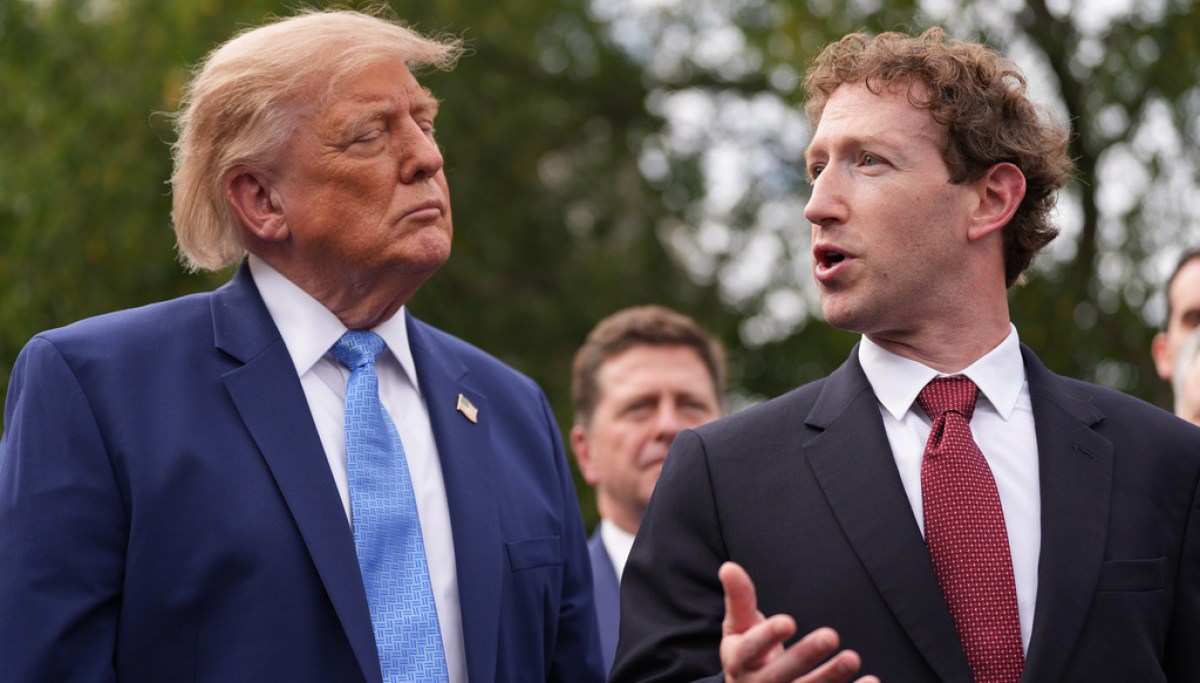
The president’s outburst-cum-veiled threat landed just over a week after he signed an executive order directing executive branch agencies to begin referring to artificial intelligence, which is now embedded across the federal government, as “super intelligence” following a lunch with leaders in the AI industry, including Elon Musk, Sundar Pichai, Dario Amodei and others.
asserted
which → veil → Musk
That widely-mocked directive followed bizarre remarks to the U.N. General Assembly in which he declared that the U.S. “totally rejects any attempt to construct a globalist scheme” for regulating AI and declaring that the technology would be “hereinafter officially called superintelligence” because “use of the word artificial makes intelligence fake.”
“It makes it sound fake, and it is not fake.
asserted
it → mock → word
It's actually amazing,” said Trump, who the week before had launched a poll in his Truth Social feed over the weekend asking respondents to vote for either “SuperIntelligence,” “Superior Intelligence,” or “Extreme Intelligence.”
asserted
who → say → SuperIntelligence
The president’s latest linguistic ultimatum is the most recent example of his ongoing effort to change the minds of voters — including many of his own supporters — who’ve increasingly soured on the industry that has tied itself tightly to his unpopular administration.
asserted
that → change → administration
In recent months, that souring has shown up in nearly every poll that asks about AI.
asserted
that → show → AI
A Quinnipiac University survey of 1,032 registered voters taken late last month found 73 percent oppose "the building of an AI data center in your community," including 55 percent of Republicans, and 79 percent said safety matters more than keeping the United States at the forefront of AI development.
asserted
safety → register → development
Just 25 percent approve of Trump's handling of the technology against 58 percent who disapprove, and 71 percent said they'd be more likely to back a candidate who supports "stricter guardrails" on it — a figure that includes a majority of Republicans, at 52 percent, and nearly three-quarters of independents.
asserted
that → approve → independents
A separate Fox News poll of 1,211 registered voters conducted earlier in September put overall opinion of AI at 37 percent favorable to 60 percent unfavorable, a net rating of minus 23 that has worsened from minus 11 in April and minus 9 in July.
asserted
that → register → July
The same survey found voters trust Democrats over Republicans to handle data centers by 14 points, and that among those who oppose the facilities anywhere, Democrats lead the generic ballot by at least 19 points.
asserted
Democrats → find → points
Trump’s demand for widespread adoption of “super intelligence” in lieu of AI comes just over a month after his last attempt at linguistic coercion, an executive order directing the executive branch to rename Lake Ontario as “Lake America.”
asserted
demand → come → America
The order to rename one of the five Great Lakes along the U.S.-Canada border came in a fit of rage over his ongoing trade war with Ottawa and echoed a similar move from early in his second term when he attempted to unilaterally rename the Gulf of Mexico as the “Gulf of America.”
While the president does have the authority to direct how the government recognizes the names of places and landmarks, he cannot force Canada or individual citizens on either side of the border to follow his preferred naming conventions.
asserted
he → rename → conventions
The same goes for use of the term “super intelligence.”
asserted
same → go → term
He can direct the government to use it but he cannot force Americans — or anyone else — to use his preferred terminology.
asserted
he → direct → terminology
The Independent has reached out to NVIDIA, Palantir, Meta, OpenAI, Google, Tesla and Anthropic regarding whether the companies have any plans to use the president’s new terminology in promotional materials or other customer communications; none responded.
asserted
none → reach → materials
But the White House has touted a short list of tech CEOs who’d used the phrase, including Elon Musk and NVIDIA’s Jensen Huang.
asserted
who → tout → Musk
Complicating the matter, the word superintelligence already means an AI system that surpasses human intellect and ability across multiple domains in couding reasoning, social skills and scientific research — a step toward the kind of rogue AI that many fear, sparking the calls for guardrails and kill switches.
asserted
many → complicate → guardrails
 The Aporia