That is 0 articles you have read today.
The Aporia is free and carries no advertising, so readers are the only
thing paying for it. If you are getting this much out of it, a small
donation is what keeps it independent.
Daily limit reached
You have read 0 articles today.
That is more than the 15 a day The Aporia gives away,
and well past what it can carry on nothing. Your allowance resets at
midnight.
There is no advertising here and nothing about you is sold, so readers
are the only thing paying for it. If the site is worth this much of
your day, it is worth a few dollars.
Everything else stays open: the
maps, the
directory and
search do
not count against this, and neither does re-opening something you have
already read today.
South Korea is recalling its ambassador to Ukraine following a dispute over the transfer of two North Korean soldiers to Seoul from Ukrainian custody. The foreign ministry did not specify when Ambassador Park Hee-chang will return, but emphasized that South Korea remains committed to resolving the issue through negotiation. This move comes after Ukrainian President Volodymyr Zelenskyy revealed the secret transfer during a UN speech last month, violating what South Korea claims was a confidentiality agreement aimed at protecting the soldiers' safety and relatives.
Written locally by qwen2.5:14b on 2026-10-08,
using this article's own text rather than the other coverage of the
same event (that is the story summary below).
Story summary
In January 2025, Ukraine captured two North Korean soldiers fighting alongside Russia in the conflict. These soldiers expressed a desire to move to South Korea, and after negotiations, they were transferred secretly to Seoul in September 2025. The situation escalated when Ukrainian President Volodymyr Zelensky publicly disclosed their transfer during his speech at the U.N. General Assembly, which was meant to be confidential. This disclosure put the soldiers' families back in North Korea at risk and complicated diplomatic relations on the Korean Peninsula.
In response, South Korea's President Lee Jae Myung accused Ukraine of breaching a confidentiality agreement aimed at protecting the soldiers' families from retaliation by the North Korean regime. The South Korean government recalled its ambassador to Ukraine as tensions escalated over this breach. While Kyiv initially denied there was an official non-disclosure agreement, it later acknowledged that secrecy had been requested by both sides but contended no formal pact existed.
Despite some initial attempts at resolving the misunderstanding through diplomatic channels, South Korea decided on a more confrontational approach by recalling its ambassador to Ukraine as of mid-October 2025. Both countries have expressed hope for continued dialogue and resolution of outstanding issues, though concrete steps remain unclear.
Written for “South Korea Ukraine Diplomatic Row POWs” on 2026-10-08,
grounded in this article and the 5 other(s) covering the same event.
Why this leaning score
This article does not take a side on a contested political
question, so it has no leaning score. That is an
answer rather than a gap: a match report or a rescue can be warmly
or critically written without being left or right, and scoring it
anyway is how approval of a subject gets recorded as a political
position.
No political leaning scored for article 65667 · logged 2026-10-08
In short:
South Korea will recall its ambassador to Ukraine, the foreign ministry said.
asserted
ministry → recall → Ukraine
It comes after Ukraine revealed it had transferred two North Korean soldiers to Seoul.
asserted
it → come → Seoul
It is not clear when Ambassador Park Hee-chang will return to South Korea.
asserted
chang → return → Korea
South Korea will recall its ambassador to Ukraine, the foreign ministry has said, as tensions between the two countries escalate over a prisoner of war return.
asserted
tensions → recall → return
South Korea’s Foreign Ministry did not specify when the ambassador, Park Hee-chang, would return.
asserted
ambassador → specify → ?
It added the country would continue to negotiate with Kyiv and hoped the current issues between the two nations could be resolved.
uncertain
issues → add → nations
The countries have been locked in a diplomatic dispute after Seoul accused Kyiv of breaching a confidentiality agreement over the transfer of two captured North Korean soldiers.
asserted
Seoul → lock → soldiers
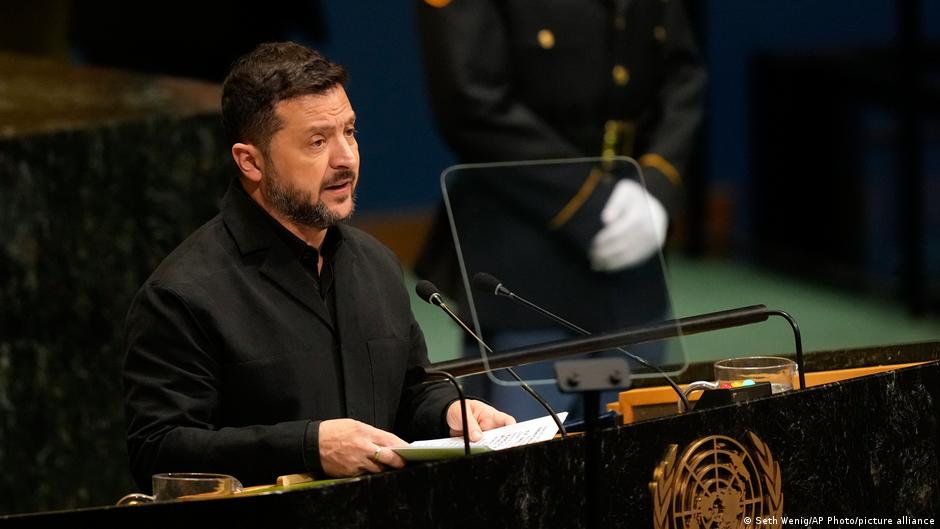
Ukrainian President Volodymyr Zelenskyy revealed the supposedly secret transfer during a UN speech last month.
asserted
Zelenskyy → reveal → speech
South Korea accused the president of violating a non-disclosure agreement on their transfer, but Kyiv denied ever agreeing to such a deal.
asserted
Kyiv → accuse → deal
The move to recall its ambassador came just days after South Korean President Lee Jae Myung called for an apology over the incident and threatened to take further steps if Ukraine refused.
asserted
Ukraine → recall → steps
Earlier this week, Ukraine also accused South Korea of helping Russia ease its fuel crisis caused by drone strikes.
More than 30 per cent of Russia's fuel imports in August came from South Korea, Ukraine's top sanctions official Vladyslav Vlasiuk said on Tuesday.
asserted
official → accuse → Tuesday
Soldiers wanted to resettle in South Korea
asserted
Soldiers → want → Korea
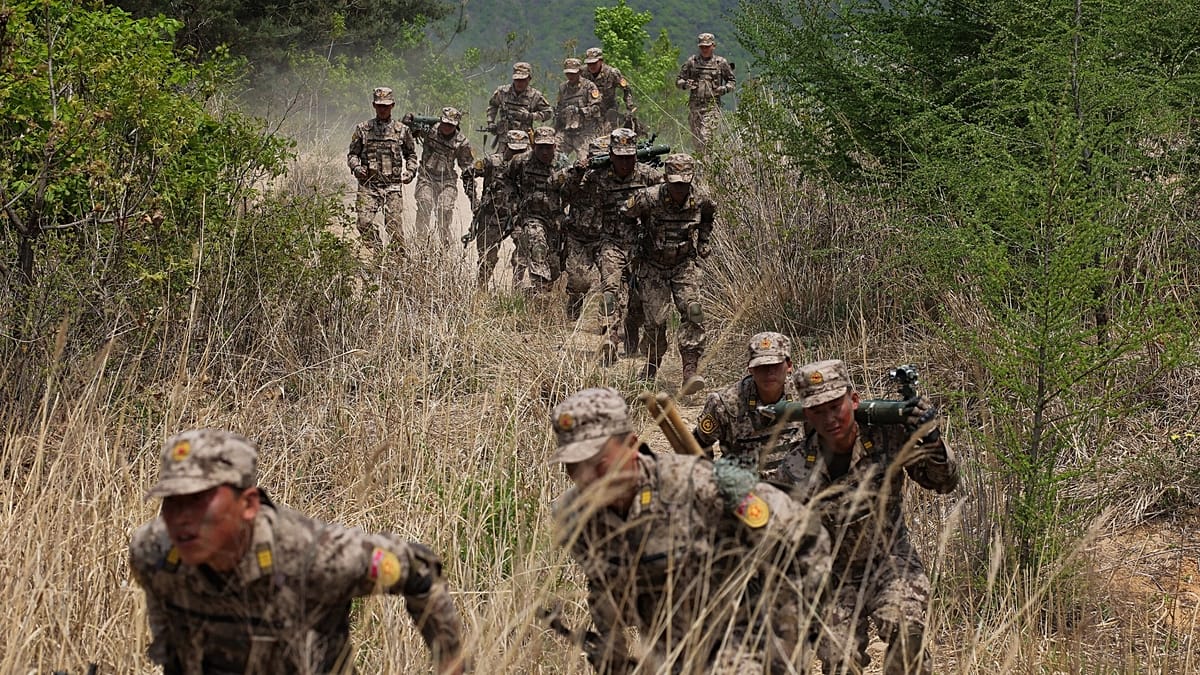
The two prisoners of war returned to South Korea recently were among thousands of North Korean troops deployed to support Russia in its war against Ukraine.
asserted
prisoners → return → Ukraine
Since their capture in early 2025, the soldiers had asked to resettle in South Korea, because they could face persecution if repatriated home.
uncertain
they → ask → persecution
South Korea had said it would accept them, because it legally regards North Korea as part of its territory and has a policy of accepting and financially supporting North Korean defectors.
asserted
it → say → defectors
North Korea's state media has not commented on the soldiers' transfer.
asserted
media → comment → transfer
But Pyongyang has previously reacted angrily to major defections of its citizens, accusing South Korea of kidnapping them.
asserted
Pyongyang → react → them
South Korean officials said the non-disclosure agreement with Ukraine was made because they were concerned about the safety of the North Korean soldiers and their relatives, but some experts say South Korea may be worried the disclosure could hurt their efforts to improve relations with North Korea.
uncertain
disclosure → say → Korea
South Korea has previously supported the Ukraine war effort, providing more than $640 million in humanitarian assistance to Ukraine since 2022.
asserted
Korea → support → 2022
In July, the country promised $143 million in aid during a meeting with Mr Zelenskyy.
asserted
country → promise → Zelenskyy
 The Aporia