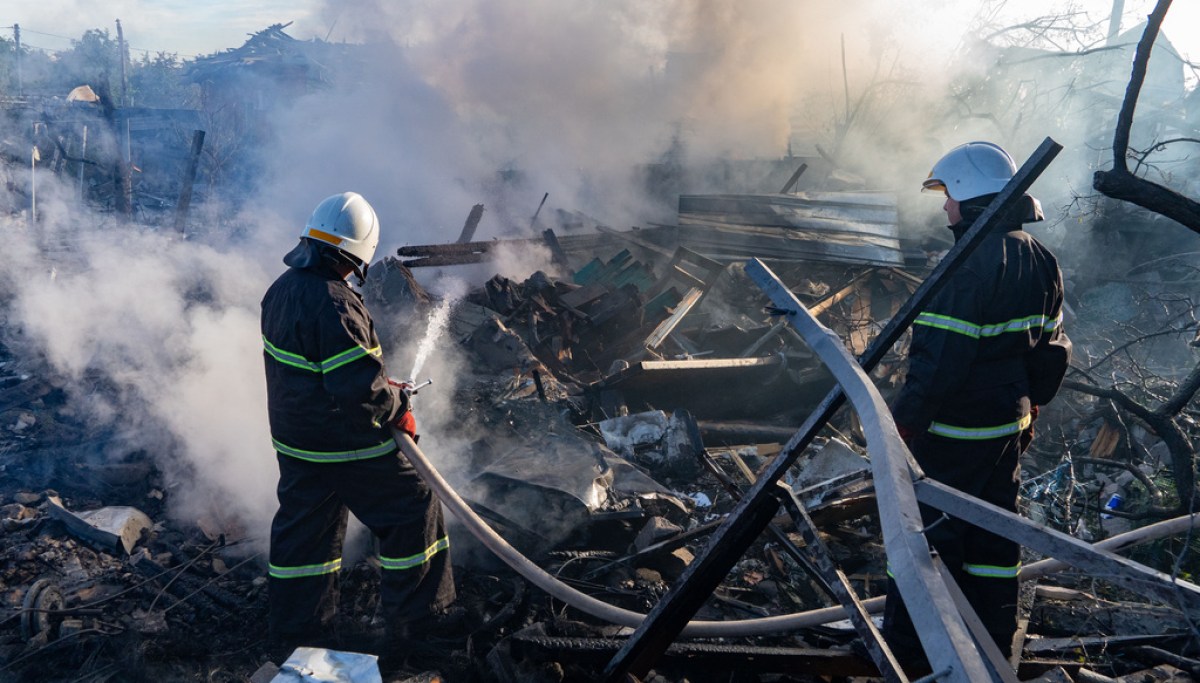
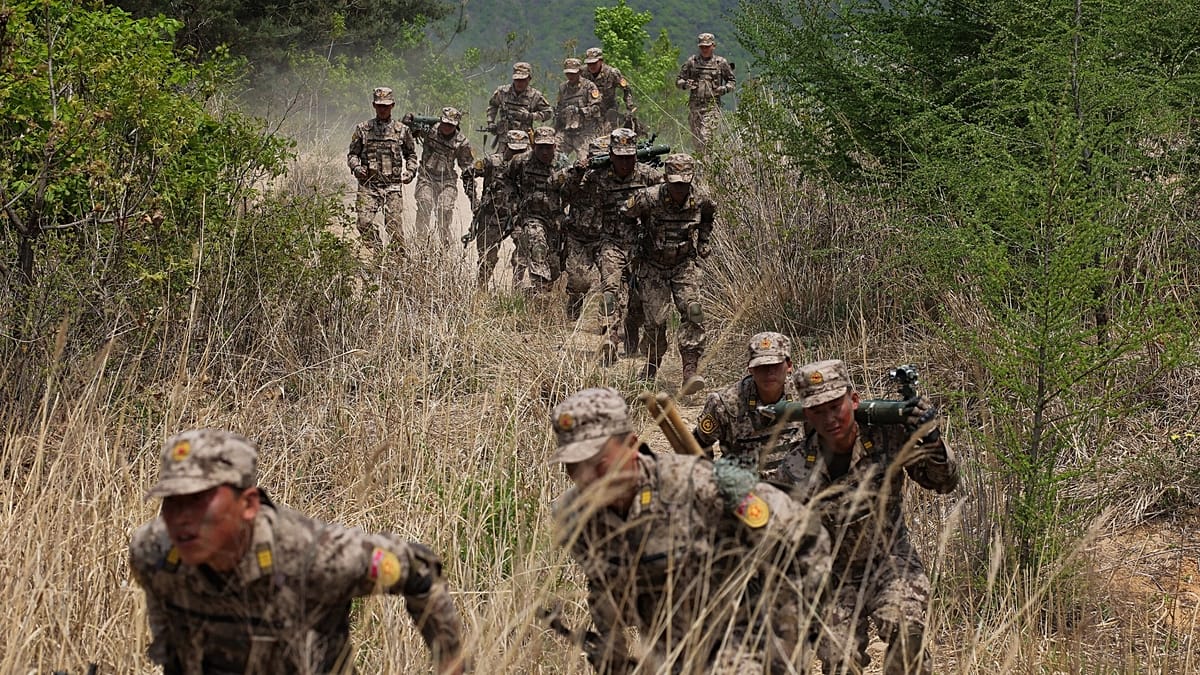
Ukraine and South Korea are locked in a dispute over Ukraine's public announcement of transferring two captured North Korean soldiers to South Korea. The transfer, initially kept secret by mutual agreement, turned into a diplomatic issue when Ukrainian President Volodymyr Zelensky revealed it during his speech at the U.N. General Assembly. Additionally, the dispute has been fueled by concerns over South Korea’s energy trade with Russia, with Ukraine accusing South Korea of shipping 176,000 tons of petroleum products to Russia in July and August, which accounted for about 31% of Russia's fuel imports that month. This situation underscores differing approaches to security between the two nations: Ukraine sees North Korea’s involvement in the Russian war as a broader security threat, while South Korea is cautious about escalating tensions with both North Korea and Russia.
Written locally by qwen2.5:14b on 2026-10-08,
using this article's own text rather than the other coverage of the
same event (that is the story summary below).
Story summary
In January 2025, Ukraine captured two North Korean soldiers who were fighting alongside Russia. These soldiers expressed a desire to relocate to South Korea, and after negotiations, they were quietly transferred to Seoul in September. However, the situation escalated when President Volodymyr Zelensky of Ukraine publicly announced this transfer during his speech at the UN General Assembly, turning what was supposed to be a confidential operation into a diplomatic issue.
Seoul argued that announcing the transfer endangered the soldiers' families still living in North Korea and complicated diplomacy on the Korean Peninsula. South Korean President Lee Jae Myung stated that both countries agreed to keep the matter secret initially but later revealed that Kyiv had requested confidentiality first. This led to a diplomatic spat, with Seoul demanding an apology from Ukraine.
The disagreement escalated further when South Korea recalled its ambassador to Ukraine, citing unauthorized disclosure of information about the handover. While Ukrainian Foreign Minister Andrii Sybiha described it as a misunderstanding and expressed hopes for resolution, South Korea insisted that the public disclosure could jeopardize the safety of the soldiers' families in North Korea.
This dispute highlights broader tensions over how countries manage sensitive diplomatic and humanitarian operations involving North Korean personnel, especially amidst ongoing conflicts like Russia’s war against Ukraine.
Written for “Ukraine South Korea Diplomatic Disput…” on 2026-10-08,
grounded in this article and the 3 other(s) covering the same event.
A dispute is escalating between Ukraine and South Korea.
asserted
dispute → escalate → Ukraine
The root of the disagreement flows from Ukraine’s capture of two North Korean soldiers who were fighting alongside Russia in January 2025.
asserted
who → flow → January
Both soldiers later expressed a desire to relocate to South Korea.
asserted
soldiers → express → Korea
After negotiations, they were quietly transferred to Seoul in September.
asserted
they → transfer → September
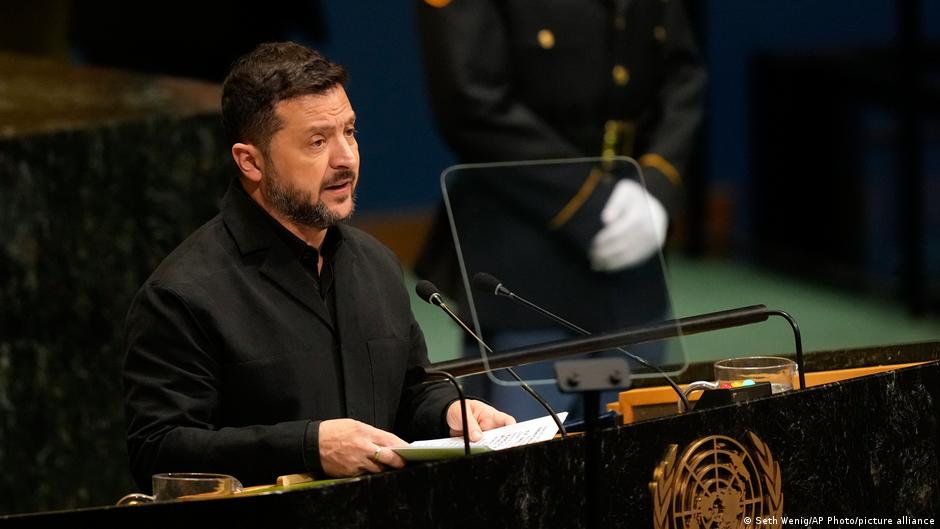
Then Ukrainian President Volodymyr Zelensky announced the soldiers’ transfer during his speech to the U.N. General Assembly late last month.
asserted
Zelensky → announce → Assembly
It turned what Seoul regarded as a sensitive intelligence and humanitarian operation into a public diplomatic issue.
asserted
Seoul → turn → issue
South Korean President Lee Jae Myung said that Ukraine and South Korea had agreed to keep the transfer confidential because publicity could endanger the soldiers, their families in North Korea, and complicate diplomacy on the Korean Peninsula.
uncertain
publicity → say → Peninsula
Kyiv initially disputed the existence of such an agreement.
asserted
Kyiv → dispute → agreement
But South Korean intelligence officials later told lawmakers that Ukraine had, itself, first requested secrecy.
asserted
Ukraine → tell → secrecy
Seoul demanded an apology, while Ukrainian Foreign Minister Andrii Sybiha described the affair as a diplomatic misunderstanding.
asserted
Sybiha → demand → misunderstanding
Still, this disagreement only highlights a widening gap between Seoul and Kyiv over a much larger question.
asserted
disagreement → highlight → question
Namely, that Ukraine increasingly sees North Korea’s participation in the war as proof that European and Korean security have become part of the same conflict.
asserted
security → see → conflict
In contrast, South Korea remains wary of risking a deeper confrontation with either North Korea or Russia.
asserted
Korea → remain → Korea
The bilateral relationship has also been strained by energy trade.
asserted
relationship → strain → trade
Ukraine’s sanctions adviser, Vladyslav Vlasiuk, said more than 176,000 tons of petroleum products were shipped from South Korean ports to Russia in July and August, accounting for about 31% of Russia’s fuel imports in August.
asserted
tons → say → August
These transfers came just as Ukrainian strikes were hitting Russian refineries.
asserted
strikes → come → refineries
Seoul disputed the implication that South Korea was supplying Russia and said it was investigating the shipments.
asserted
it → dispute → shipments
South Korea still depends on Russian liquefied natural gas under long-term contracts and has sought sanctions exemptions to protect those supplies.
asserted
Korea → depend → supplies
This is not to say that South Korea is on Russia’s side.
asserted
Korea → say → side
On the contrary, South Korea has supported Ukraine since Russia’s full-scale invasion.
asserted
Korea → support → invasion
It has joined sanctions against Moscow and provided reconstruction funding and other assistance to Kyiv.
asserted
It → join → Kyiv
And while South Korea has not provided lethal assistance to Ukraine, it manufactures artillery ammunition, air-defense systems, missiles, and other weapons Ukraine desperately needs.
asserted
Ukraine → provide → ammunition
For a period under former president Yoon Suk Yeol, South Korean policy appeared more flexible.
asserted
policy → appear → Yeol
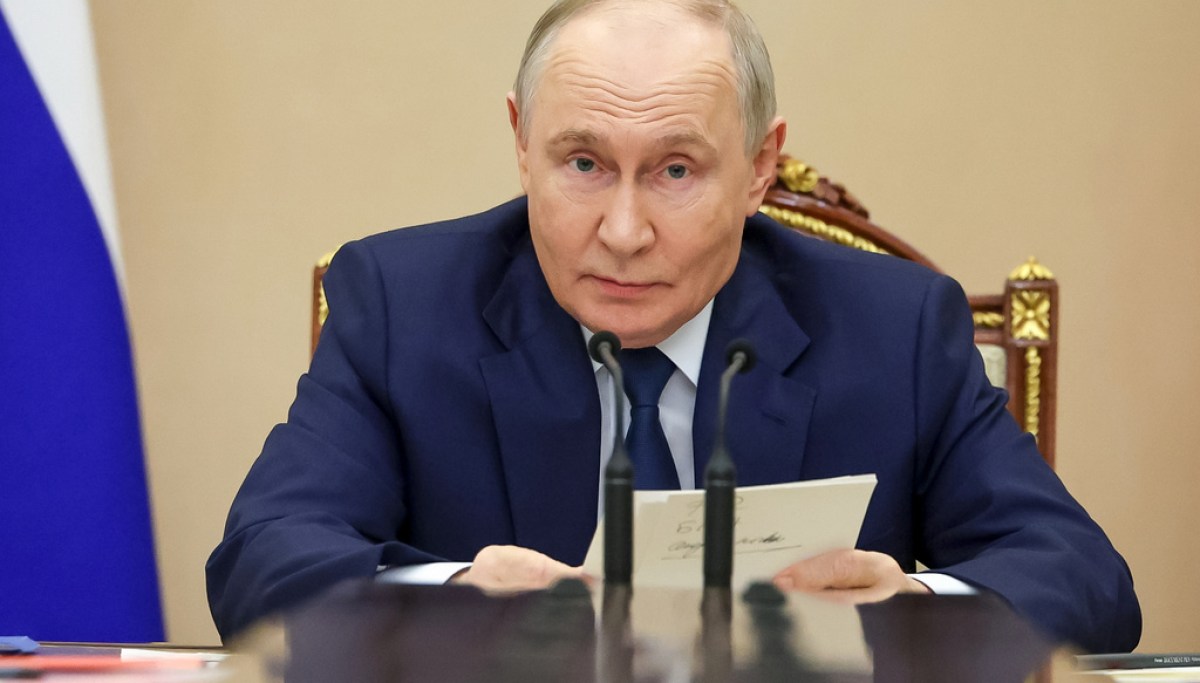
After Russian President Vladimir Putin and North Korean leader Kim Jong Un signed a mutual-defense treaty in 2024, Seoul said it would reconsider supplying arms to Ukraine.
asserted
it → sign → Ukraine
North Korea’s deployment of troops to Russia gave the debate greater urgency.
asserted
deployment → give → urgency
South Korean officials discussed sending personnel to observe North Korean tactics, while Ukrainian officials pressed Seoul for air-defense systems and other military equipment.
asserted
officials → discuss → systems
In contrast, Lee has taken a more cautious approach.
asserted
Lee → take → approach
He fears that direct military support for Ukraine could encourage Russia to accelerate transfers of missile, satellite, air-defense, or other advanced technology to North Korea.
uncertain
support → fear → Korea
The difficulty with Lee’s calculation is that Russia has already greatly expanded its military-technical cooperation with Pyongyang.
asserted
Russia → expand → Pyongyang
South Korean and Western officials have repeatedly warned that this relationship is helping North Korea improve its military capabilities, and Ukraine now believes Moscow has also shared technology related to jet-powered drones.
asserted
Moscow → warn → drones
North Korean forces are also gaining experience in a war shaped by drones and rapid adaptation.
asserted
forces → gain → drones
Seoul has been careful throughout the war, but Moscow has shown no comparable restraint.
asserted
Moscow → show → restraint
That leaves Seoul protecting against an escalation that already exists.
asserted
that → leave → escalation
The dispute over the two prisoners exposes a larger problem.
asserted
dispute → expose → problem
South Korea is trying to preserve some distance from the war, but the transfer itself showed how difficult that has become.
asserted
that → try → war
 The Aporia