The Guardian
· collected 2026-10-08 · by Peter Walker Senior political correspondent
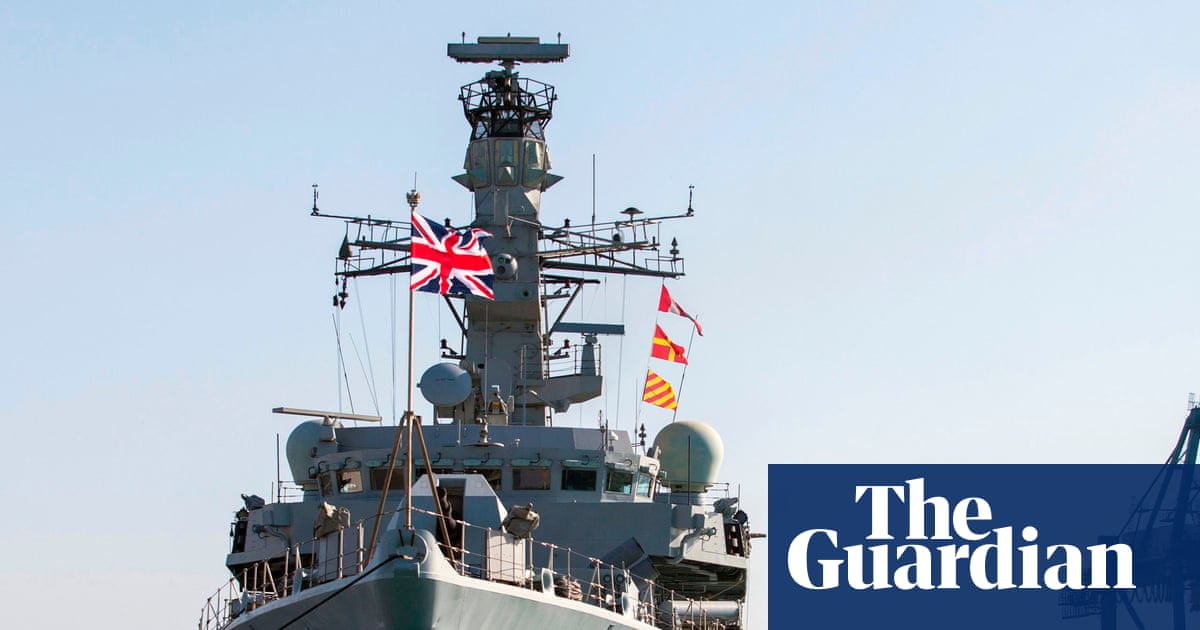
A thinktank report by the Transition Security Project warns that the UK’s military spending is overly focused on global commitments rather than domestic defense. The report states that about 23% of Britain's defense budget in 2024/25, or roughly £14 billion, was spent on overseas missions, making it the most internationally oriented military among European NATO members. Researchers argue this approach leads to waste and questions whether the UK is becoming safer from these global engagements. They suggest reallocating funds towards domestic defense needs instead of maintaining a global network of military bases.
Written locally by qwen2.5:14b on 2026-10-08,
using this article's own text rather than the other coverage of the
same event (that is the story summary below).
Story summary
The Transition Security Project, a research centre linked to the thinktank Common Wealth, has released a report critical of Britain's military spending priorities. The report argues that Britain allocates almost one-quarter of its defence budget to overseas commitments across five continents, making it the most globally oriented European nation. This focus, combined with high levels of waste in procurement, suggests poor allocation of public investment. The thinktank urges a review of military posture, prioritizing domestic security over global force projection. Despite this criticism, the government plans to increase defence spending to 3.5% of GDP by 2035 under the Defence Investment Plan (Dip), which would double the budget from £70bn in 2026 to £151bn by 2035. The report questions whether such a significant increase will effectively enhance national security if not redirected towards domestic needs.
Written for “UK Military Spending Priorities” on 2026-10-08,
grounded in this article and the 0 other(s) covering the same event.
Why this leaning score
The model judged this article politically coded and scored it -0.65, but 1 quote(s) could not be found in the article and the other 3 are attributed speech rather than the article's own narration, so the score is not published.
Written under an earlier scoring contract, which gave a paragraph
rather than checkable quotes. Re-analysing this article replaces it.
Leaning score withheld for article 64894: no verified evidence · logged 2026-10-08
The UK’s military is too focused on global commitments at the expense of domestic defence, meaning the government’s planned increase in defence spending is likely to result in even greater waste, a thinktank report has warned.
asserted
report → mean → waste
According to an analysis by researchers at the Transition Security Project, Britain has the most overseas-oriented military among European nations, with almost a quarter of the defence budget spent on commitments across five continents.
uncertain
quarter → accord → continents
Calling this a symptom of a “destructive, outdated foreign policy” centred on overseas missions which have often made the globe less safe, the report says the imminent uptick in spending should be accompanied by a change of stance, with a much bigger focus on domestic defence.
asserted
uptick → call → defence
The government is committed to spending 3.5% of GDP on defence by 2035 amid a defence investment plan (Dip) unveiled in July at the tail end of Keir Starmer’s premiership.
asserted
government → commit → premiership
Starmer’s then defence secretary, John Healey, resigned over a refusal to commit to reaching 3% by 2030, but now that he is chancellor that target has been shelved for now.
asserted
target → resign → 2030
It would involve a doubling of the defence budget in nominal terms from £70bn in 2026 to £151bn in 2035, according to the Transition Security Project, a research centre which was spun out of Common Wealth, a thinktank with close links to Andy Burnham.
uncertain
which → involve → Burnham
Using figures from 2024/25, the study estimated that about 23% of the military budget for that year was spent on overseas commitments, costing just over £14bn, with the real figure likely to be higher.
asserted
figure → use → 14bn
About £2.8bn was spent outside Europe, including bases in places like Cyprus, Kenya and Oman and elsewhere as “strategic hubs” for projecting UK military power.
asserted
2.8bn → spend → power
The report says this makes the UK the most overseas-committed military among European Nato members, even if France has more personnel posted abroad.
asserted
France → say → personnel
The Dip seems unlikely to reverse this, talking about ongoing commitments in a series of continents.
asserted
Dip → seem → continents
It questions whether more of the new money should be used for domestic defence, and whether the focus on overseas missions has even made the UK safer.
asserted
UK → question → missions
Since 2001, the study said, the UK has spent more than £51bn in modern terms on military interventions in Iraq, Afghanistan, Libya and elsewhere.
asserted
UK → say → Iraq
“Britain’s decision to maintain a global network of military bases and force projection capabilities, combined with high levels of waste in the military procurement system, raise serious questions about how it is allocating public investment,” it says, urging the government to “review its military posture, prioritising defence over the global projection of military force”.
asserted
it → maintain → force
Kevin Cashman, a researcher at Transition Security Project, who co-authored the report, said: “Britain should not pour more money into a bloated military sector geared towards alignment with the United States while Washington starts wars around the world that drive up our bills.”
asserted
that → co → bills
Khem Rogaly, the co-director of the organisation, and also a co-author, said: “The billions of pounds Britain wastes on global military deployments every year symbolise its destructive, outdated foreign policy.
asserted
wastes → say → policy
“Britain should end its support for these attempts at global policing.
asserted
Britain → end → policing
Instead, it should focus its military resources on defence and its public investment on health, housing and the climate emergency.
asserted
it → focus → health
There is an awareness of the importance of avoiding waste among defence officials, including the risk that an arbitrary focus on reaching a certain level of spending could exacerbate this.
uncertain
focus → be → this
The intention is to focus instead on what is necessary – primarily on preparing the UK for a possible war in Europe.
asserted
what → focus → Europe
 The Aporia