New Zealand’s wētāpunga, the largest giant wētā species and once widespread across parts of the North Island, is showing signs of recovery after conservation efforts spanning 15 years. Over this period, more than 11,000 wētāpunga were released at 10 sites including predator-free islands and fenced reserves. This initiative has resulted in multiple generations being born in the wild on Motuora and Tiritiri Matangi Islands, marking a significant conservation success that improved the species' status from "Threatened Nationally Endangered" to "Threatened Nationally Increasing."
Written locally by qwen2.5:14b on 2026-10-08,
using this article's own text rather than the other coverage of the
same event (that is the story summary below).
Story summary
New Zealand’s Department of Conservation (DOC) has reported significant recovery for the wētāpunga, the country's largest giant wētā species. Once widespread across parts of the North Island, the insect faced severe population declines due to habitat loss from early European settlers and introduced predators like rats, stoats, and other pests.
Beginning in the 1990s when the species was considered endangered, conservationists started a captive breeding program after collecting a small number of wētāpunga from Little Barrier Island. Over 15 years, this initiative released over 11,000 insects into suitable habitats. Chris Green, an honorary research associate at DOC and co-author of the study, notes that reliable breeding methods developed during this program could also aid in conserving other threatened insect species.
The recovery efforts have shown promising results, with the future looking brighter for the wētāpunga despite its earlier critical status.
Written for “Weta Recovery Efforts New Zealand” on 2026-10-08,
grounded in this article and the 0 other(s) covering the same event.
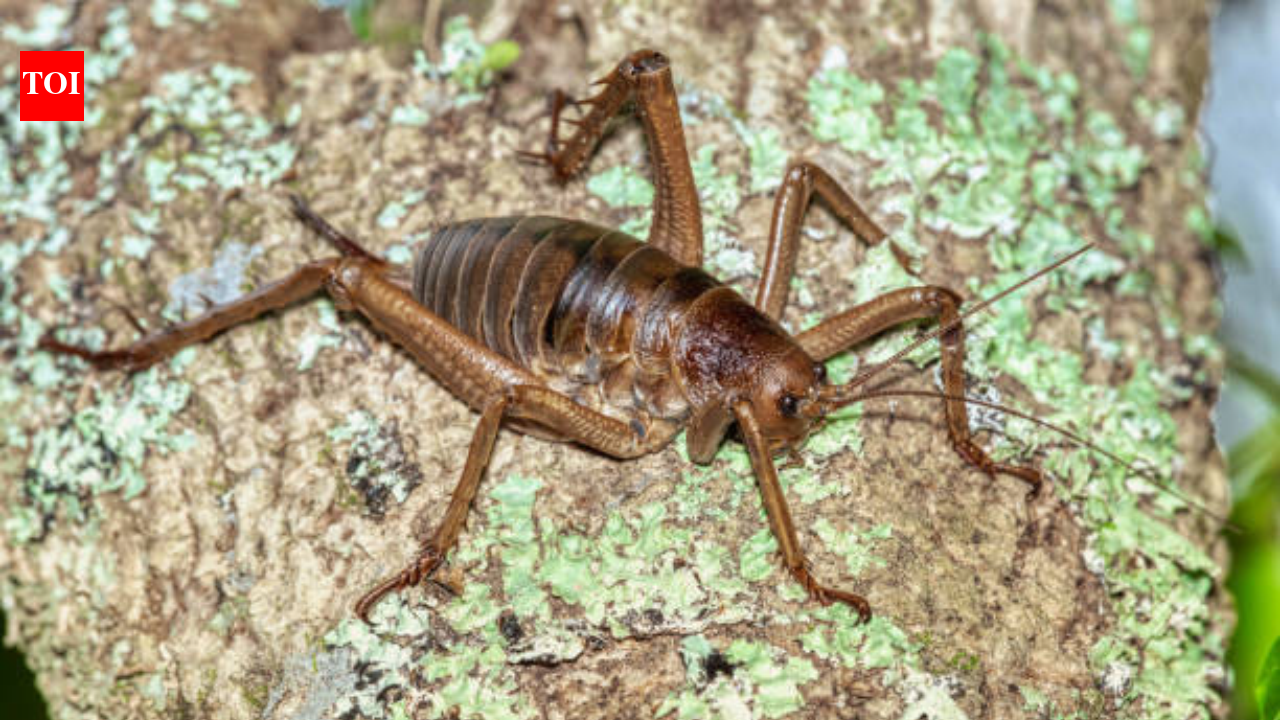
A giant insect that can grow to nearly 10cm and weigh as much as a mouse is showing signs of recovery after decades of decline.
asserted
that → grow → decline
The wētāpunga, New Zealand’s largest giant wētā species, was once found across parts of the North Island but disappeared from the mainland after habitat loss and introduced predators drove its numbers down.
asserted
loss → find → numbers
According to the Department of Conservation (DOC), the species’ decline began after early European settlers cleared large areas of land for farming, destroying much of the wētāpunga's habitat.
uncertain
settlers → accord → habitat
Introduced rats, stoats and other pests added further pressure, causing populations to fall dramatically and eventually disappear from all areas except Te Hauturu-o-Toi, also known as Little Barrier Island.
asserted
populations → introduce → Island
By the 1990s, the species was considered endangered.
asserted
species → consider → 1990s
With the remaining population too small for direct translocations, conservationists developed a captive breeding programme to increase its numbers before releasing the insects into suitable habitats.
asserted
conservationists → remain → habitats
Breeding programme begins
The programme began with a small number of wētāpunga collected from Little Barrier Island and taken to Butterfly Creek, where conservationists worked on developing reliable breeding methods.
asserted
conservationists → begin → methods
The first captive-bred insects were released on Motuora Island in 2010 and Tiritiri Matangi Island in 2011.
asserted
insects → breed → 2011
Auckland Zoo established a second breeding colony in 2012, helping researchers refine methods for raising the insects.
asserted
researchers → establish → insects
Young wētāpunga nymphs are fed fresh foliage and leaf litter, along with fish-flake protein.
asserted
nymphs → feed → protein
Over the past 15 years, conservation teams have carried out 45 translocations involving more than 11,000 wētāpunga.
asserted
teams → carry → wētāpunga
The insects have been released at 10 new sites, including predator-free islands and fenced mainland reserves.
asserted
insects → release → islands
Four generations born in the wild
The releases are now showing signs of longer-term success.
asserted
releases → bear → success
At least four generations of wētāpunga have been born in the wild on Motuora and Tiritiri Matangi.
asserted
generations → bear → Motuora
The presence of multiple generations indicates that populations are reproducing without relying solely on continued releases from captive breeding facilities.
asserted
populations → indicate → facilities
The species' conservation status has also improved.
asserted
status → improve → ?
It was classified as “Threatened Nationally Endangered” in 2004 but was listed as “Threatened Nationally Increasing” in 2022.
asserted
It → classify → 2022
Community restoration groups have also played a role by raising funds, helping organise releases and monitoring the insects after they were returned to the wild.
asserted
they → play → wild
Ngāti Manuhiri, the kaitiaki and mana whenua of Little Barrier Island, has supported the programme.
asserted
Manuhiri → support → programme
The iwi regards the wētāpunga as a taonga species.
asserted
iwi → regard → species
Females can weigh about as much as a mouse, while their bodies can reach around 10cm in length.
asserted
bodies → weigh → length
Their legs can give them a span of roughly 20cm.
asserted
legs → give → cm
Despite their size, the insects remain vulnerable to predators and habitat changes.
asserted
insects → remain → predators
Their disappearance from mainland areas illustrates the impact introduced species can have on native insects that evolved without such predators.
asserted
that → illustrate → predators
The conservation programme has therefore focused not only on increasing numbers but also on establishing populations in places where the insects can survive and reproduce.
asserted
insects → focus → places
Methods could help other threatened insects
Chris Green, an honorary research associate at New Zealand’s Department of Conservation and co-author of the study, said the future of the wētāpunga looks promising.
uncertain
future → help → wētāpunga
The researchers documented the breeding and release programme in a study published in the
New Zealand Journal of Zoology, noting that the methods could also provide useful information for conserving other threatened invertebrates.
uncertain
methods → document → invertebrates
Green described the scale of the programme, involving more than 11,000 releases, as extraordinary.
asserted
Green → describe → releases
The breeding techniques are already being used to inform conservation work involving the Māhoenui giant wētā at Ōtorohanga Kiwi House.
asserted
techniques → use → House
The knowledge could also benefit conservation efforts for species such as the Canterbury knobbled weevil and native stag beetles.
uncertain
knowledge → benefit → weevil
The programme has expanded the wētāpunga's presence beyond the single island population that remained in the wild.
asserted
that → expand → wild
Continued monitoring will help determine whether the newly established populations remain self-sustaining.
asserted
populations → help → ?
 The Aporia