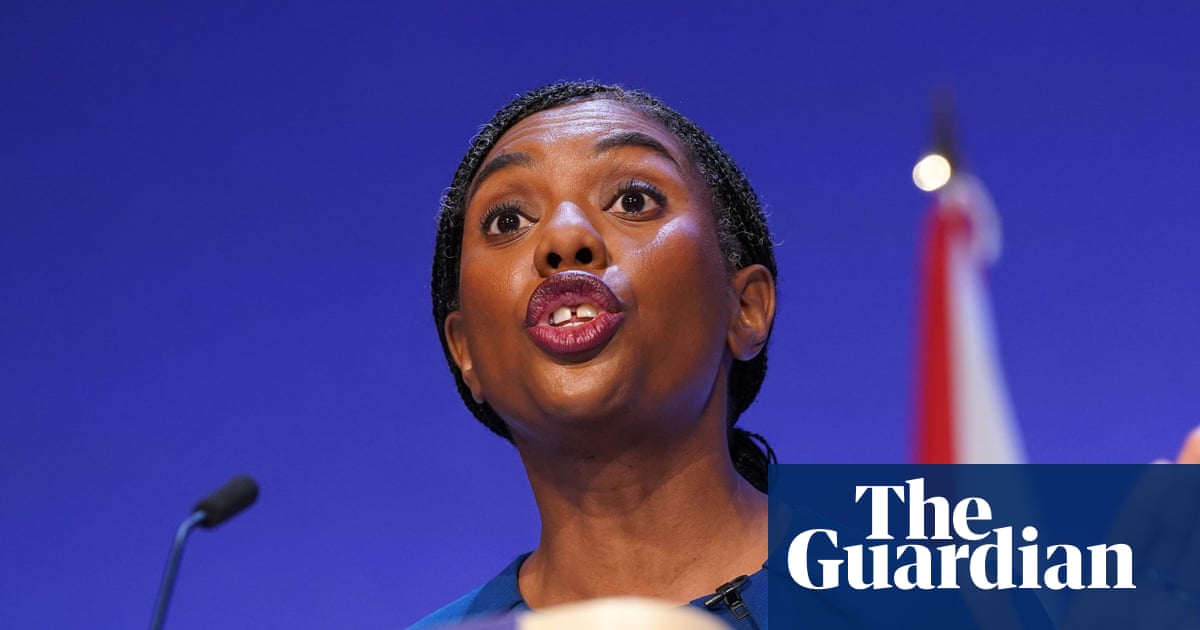
Kemi Badenoch, Conservative leader, announced plans at her party's annual conference to overhaul inheritance tax if the Conservatives win the next election. The proposal includes exempting family homes entirely and increasing the threshold for paying inheritance tax from £325,000 to £500,000 per person, with an additional £1 million exemption for couples. Currently, around 30,400 deaths in the UK result in estates liable for inheritance tax each year, or about 5% of all deaths; this number is projected to rise due to increasing inherited wealth and a frozen threshold. The Conservative plan aims to reduce affected estates to 22,000 by 2030 but faces criticism that it primarily benefits the wealthy, potentially discouraging older homeowners from downsizing.
Written locally by qwen2.5:14b on 2026-10-07,
using this article's own text rather than the other coverage of the
same event (that is the story summary below).
Story summary
Conservative leader Kemi Badenoch pledged to scrap inheritance tax (IHT) on family homes and increase the amount couples can leave tax-free to £1 million during her keynote speech at the party's conference in Birmingham. This change would reduce the number of families paying death duties by half, according to Badenoch. She also expressed an ambition to abolish IHT entirely "as soon as we can afford it," but acknowledged current spending commitments on defense, prisons, and the economy prevent such a move immediately.
Badenoch portrayed the Tories as the "no-nonsense party" compared to Reform UK, which she described as a "circus." She emphasized that her party would fight against Labour’s plans for higher taxes and increased public spending, framing the upcoming election as a "battle for the soul of this nation."
Critics argue these proposals prioritize support for wealthier individuals rather than broader economic issues. Liberal Democrat leader Sir Ed Davey criticized Badenoch's speech, saying she was lecturing on fiscal responsibility while making unfunded promises amounting to tens of billions. The planned changes would take effect before a proposed mansion tax on properties valued at more than £2 million in England. Overall, the Conservative Party aims to differentiate itself from Labour and Reform UK by advocating for lower taxes and economic growth through reduced state intervention.
Written for “Conservatives Inheritance Tax Plan” on 2026-10-07,
grounded in this article and the 15 other(s) covering the same event.
- Published
Conservative leader Kemi Badenoch has announced she will overhaul inheritance tax if her party wins the next general election.
asserted
party → publish → election
She told the Conservatives' annual conference that "nobody will ever pay inheritance tax on their family home" and couples will be able to leave an additional £1m tax free.
asserted
couples → tell → m
Tax experts say the party's £6bn per year estimate of the cost of the plan is reasonable, but warn the policy would primarily benefit wealthier households and could discourage older people from moving to smaller homes.
uncertain
policy → say → homes
BBC Verify has looked into the details of the policy.
asserted
Verify → look → policy
How will it work?
asserted
it → work → ?
Under the current system, inheritance tax of 40% is paid when someone's estate - the total value of their money and property exceeds £325,000.
asserted
estate → pay → 325,000
Anything under this amount is not taxed.
asserted
Anything → tax → amount
And, when a person dies, they can currently transfer this tax-free allowance to a surviving spouse or civil partner which increases the combined threshold for a couple to £650k.
asserted
which → die → 650k
On top of this individuals can get an additional transferable allowance for a family home of £175k each when it is left to children or other direct descendants.
asserted
it → get → children
So at present most married couples can potentially leave £1m without paying inheritance tax.
asserted
couples → leave → tax
The Conservative plan would increase the £325,000 threshold - the point at which you start paying the tax - to £500,000 and fully exempt a family home from inheritance tax.
asserted
you → increase → tax
That would reduce to zero under the Conservatives.
asserted
That → reduce → Conservatives
How many people currently pay inheritance tax?
asserted
people → pay → tax
Official figures show that in 2024-25 around 30,400 deaths in the UK left estates which were liable for inheritance tax.
This was around 5% of all UK deaths in that year.
asserted
This → show → year
But the number of estates paying inheritance tax is set to rise, due to the increasing value of inherited wealth being passed on and the threshold having been frozen.
asserted
threshold → pay → wealth
The Institute for Fiscal Studies (IFS) has estimated that by 2032-33 around 12% of people will have inheritance tax due either on their own death or that of their spouse or civil partner.
asserted
% → estimate → spouse
Citing analysis by the consultancy Oxford Economics, the Conservatives say the number of estates paying the tax will rise to 52,100 in 2029-30.
asserted
number → cite → 2029
How many people would benefit from the Conservative policy?
asserted
people → benefit → policy
The Conservatives estimate their reforms would reduce the number of affected estates in 2030 to 22,000.
asserted
reforms → estimate → 22,000
Official data shows higher value estates pay the majority of the inheritance tax collected.
asserted
estates → show → tax
The IFS has estimated that if inheritance tax were to be entirely scrapped, which Badenoch has identified as a longer term aspiration, the wealthiest 1% of estates - those worth £2.1m or more - would get half of the benefit of the tax reduction.
And one long-standing criticism of inheritance tax is that the wealthy use legal ways to avoid paying it like putting their assets into family trusts to reduce the amount of inheritance tax ultimately due from their estates when they die.
asserted
they → estimate → estates
In 2023-24, estates with a valuation of £10m only paid an average effective inheritance tax rate of 18%, according to estimates from HM Revenue and Customs.
uncertain
estates → pay → Revenue
Responding to Wednesday's conference announcement, the IFS said: "The biggest beneficiaries would be those with the highest wealth and the most valuable homes – and their descendants.
"
asserted
beneficiaries → respond → wealth
This is a very well-off group, mainly living in London and the South-East of England."
asserted
This → live → England
The Office for Budget Responsibility (OBR), the official forecaster, estimates inheritance tax will raise £9.5bn in 2026-27 - equivalent to around 0.3% of GDP.
asserted
tax → estimate → GDP
The OBR projects this will rise to £14.5bn in 2030-31 or 0.4% of GDP.
asserted
this → project → GDP
The Conservatives estimate their plan would cost £6bn a year in 2029-30, based on Oxford Economics' analysis.
asserted
plan → estimate → analysis
The party says it has identified £71bn in annual savings including £36bn a year from welfare cuts.
asserted
it → say → cuts
Prof Andy Summers, director of the Centre for the Analysis of Taxation, told BBC Verify this was "just about about the worst possible way to deliver an inheritance tax cut".
asserted
this → tell → cut
"Exempting the family home however much it's worth will just encourage older people to concentrate their savings in their home, prevent downsizing, and so further gum up the housing market," he said.
asserted
he → exempt → market
The Conservatives argue in their press release accompanying the policy announcement that inheritance taxes are "bad for growth".
asserted
taxes → argue → growth
But analysis by the Organisation for Economic Co-operation and Development suggests inheritance taxes in general are less damaging to economic growth than taxes on income from work.
uncertain
taxes → suggest → work
 The Aporia