Who will win the 2026 Nobel Prize in economics?
asserted
Who → win → economics
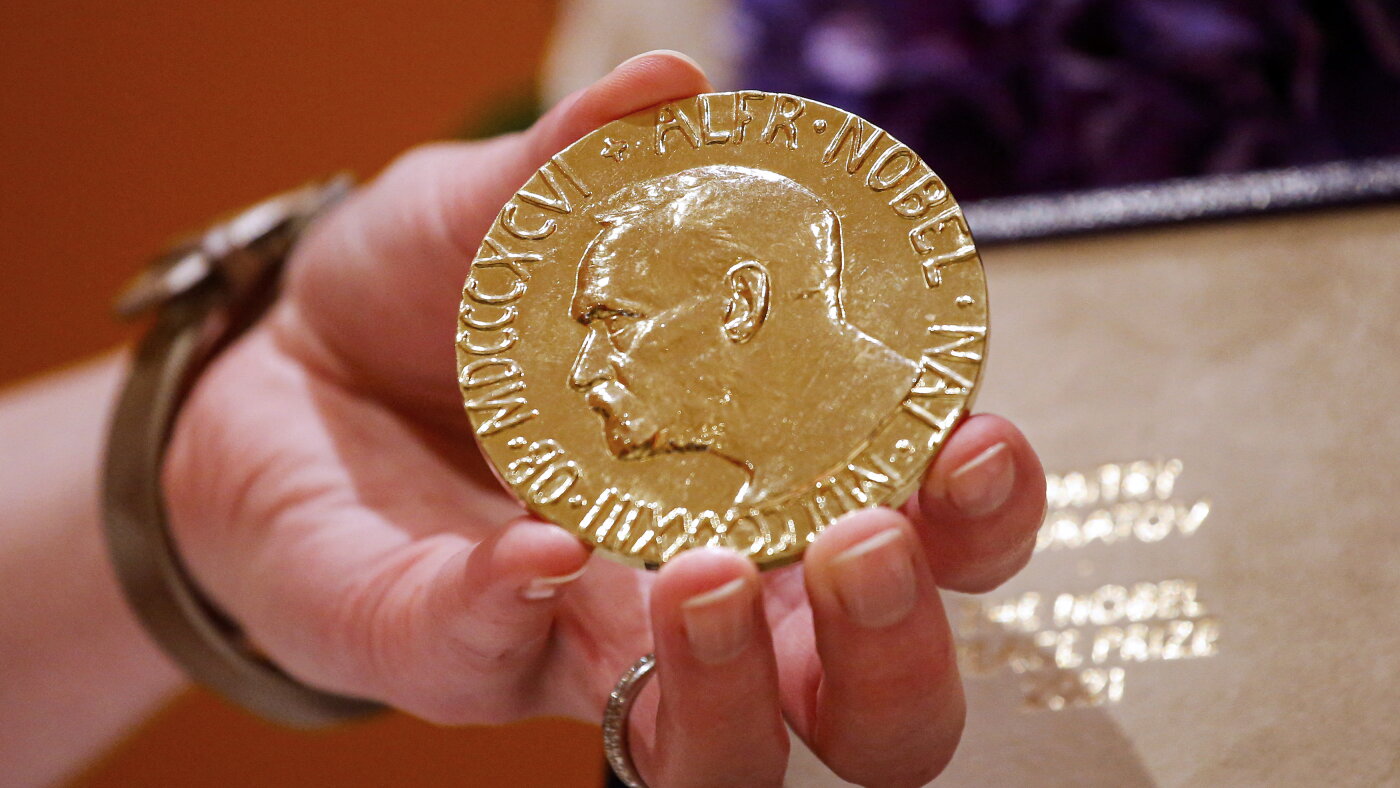
And the winner of the 2026 Nobel Prize in economics is … we don't know yet.
asserted
we → know → economics
That announcement is scheduled for Monday, and we'll be covering it here in the Planet Money newsletter and The Indicator podcast.
asserted
we → schedule → newsletter
In the meantime, the week before the announcement is a great time to partake in a nerdy pastime: remembering all the amazing economics research that hasn't yet gotten a Swedish medal, and guessing who might get the world's most coveted wake-up call.
uncertain
who → partake → call
It's a mouthful, so we'll stick with "Nobel Prize in economics."
asserted
we → stick → economics
Unlike the original Nobel Prizes, this one wasn't established by Alfred Nobel's will.
asserted
one → establish → will
Sweden's central bank created it in 1968 — a history we'll explore in a forthcoming episode of The Indicator.
asserted
we → create → Indicator
Many factors go into choosing a Nobel laureate.
asserted
factors → go → laureate
Winners tend to be older, partly because the committee wants the passage of time to help them assess the candidates' impact on the field and/or broader world.
asserted
them → tend → field
Sometimes the committee picks research that speaks to the zeitgeist.
asserted
that → pick → zeitgeist
Other times it's because of very technical work that has given economists stronger empirical tools to study the world.
asserted
that → give → world
So how might we make a guess?
uncertain
we → make → guess
Well, there's one tool that economists love for making predictions: markets.
asserted
economists → be → predictions
Markets can aggregate the scattered information held by countless people, boiling down what they know about the world into a single number: a price — an idea famously articulated by economist Friedrich von Hayek, who, naturally, won a Nobel Prize back in 1974.
asserted
who → aggregate → 1974
Those prices can sometimes offer clues about the future.
asserted
prices → offer → future
Many economists view it as a kind of giant information-processing machine.
asserted
economists → view → machine
In this view, a company's stock price reflects the crowd's beliefs about that company's future profits.
asserted
price → reflect → profits
It can provide a kind of crystal ball.
asserted
It → provide → ball
The same idea applies to prediction markets, which have really taken off in recent years.
asserted
which → apply → years
Instead of betting on a company's future profits, traders bet on whether a particular event will happen — say, who will win a Nobel Prize.
asserted
who → bet → Prize
And, wouldn't you know it, there's a prediction market for who will win the 2026 Nobel in economics.
asserted
who → know → economics
There's just one problem: It's incredibly small, or as traders might call it, thin.
uncertain
traders → be → it
Maybe economists are too rational — or too busy — to bet on something this unpredictable?
asserted
economists → bet → something
As of this writing Tuesday afternoon, Oct. 6, this prediction market for who will win the 2026 prize had recorded about $11,000 in trading volume.
asserted
who → win → volume
For comparison, Kalshi's main market for the 2024 presidential election recorded about $670 million — tens of thousands of times as much.
asserted
market → record → million
That prediction market correctly favored Donald Trump to win the election.
asserted
market → favor → election
With such little trading, however, this Nobel prediction market seems less like the wisdom of crowds, and more like the guesstimates of a small number of nerdy gamblers.
asserted
market → seem → gamblers
As we sat down to write this on Tuesday, Oct. 6, we watched, somewhat frustratingly, as the market swung wildly over who was favored to win based on what seemed to be relatively small new bets.
asserted
what → sit → Tuesday
But let's give this prediction market the benefit of the doubt and call it a starting point.
asserted
's → let → it
It at least provides an excuse to explore some big economic ideas and methods and the people behind them.
asserted
It → provide → them
By late Tuesday afternoon, we decided to stop hitting refresh.
asserted
we → decide → afternoon
Ariel Pakes and Susan Athey were trading places at the top of Kalshi's rankings, with Robert Barro rounding out the top three.
asserted
Barro → trade → three
Ariel Pakes: What happens when competitors merge?
asserted
competitors → happen → ?
Ariel Pakes is an economist at Harvard University who has made big contributions to an area of economics known as industrial organization.
asserted
who → make → organization
It studies how industries are organized and how that structure affects competition and the prices and choices of consumers.
asserted
structure → study → consumers
For example, how do prices and product offerings differ when a market is dominated by a single company versus many competing ones?
asserted
market → differ → ones
In 1995, Pakes, together with Steven Berry and James Levinsohn, published a landmark paper about the American automobile industry.
asserted
Pakes → publish → industry
The method they developed, known as BLP, helps economists figure out how consumers choose among competing products.
asserted
consumers → develop → products
Those estimates can help simulate whether a proposed merger or acquisition will raise prices, and by how much.
asserted
merger → help → much
The BLP model has evolved over time, and antitrust regulators use these tools to estimate how a proposed merger could affect consumers — giving them evidence to weigh when deciding whether to challenge a deal.
uncertain
merger → evolve → deal
…and 52 more, not listed.
 The Aporia