Should kids living with obesity be on GLP-1s?
asserted
kids → live → GLP-1s
New global guidance says yes — in some cases
World Health Organization has released its first-ever guidelines on managing childhood obesity
asserted
Organization → say → obesity
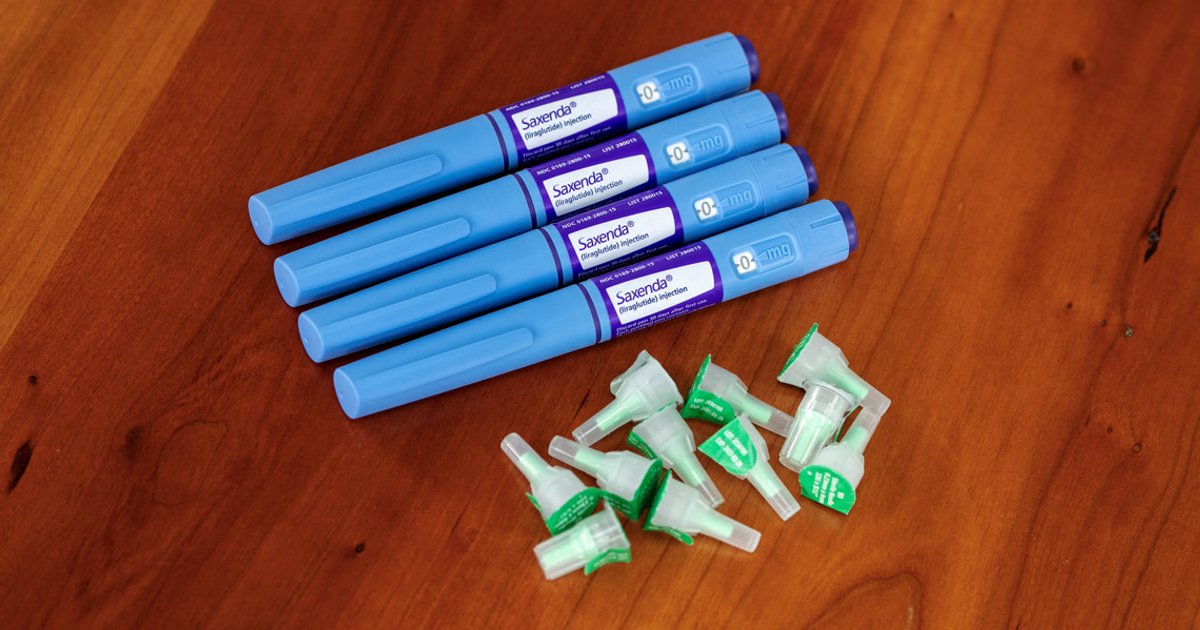
The first-ever international guidelines on managing childhood obesity from the World Health Organization (WHO) are raising the profile of GLP-1 treatments for kids and teens — but with strict criteria and a high degree of caution.
asserted
guidelines → manage → caution
The new global guidance, released on Wednesday, recommends a broad range of interventions to manage diet, boost physical activity and change behaviours for the rising number of global youth living with obesity.
asserted
guidance → release → obesity
And in certain cases, for some older children and teenagers, that could also mean medication or bariatric surgery.
uncertain
that → mean → medication
The WHO doesn't recommend medical treatment, surgery or weight-loss devices for children up to the age of nine, the organization notes.
asserted
organization → recommend → nine
For older youth from the age of 10 to 19, medical treatments may be considered only when a supervised lifestyle program hasn't achieved results, the guidance states, while bariatric surgery should only be an option under strict conditions for youth living with severe obesity.
uncertain
surgery → consider → obesity
"The foundation of obesity care for children and adolescents is not medicine or surgery, but access to comprehensive support that enables healthy eating, physical activity and sustainable behaviour change," said Dr. Luz María De Regil, the WHO's director of the department of nutrition and food safety.
asserted
Regil → enable → nutrition
London, Ont.-based pediatric endocrinologist Dr. Marina Ybarra welcomed the organization's cautious acknowledgement of medications as one avenue to tackle obesity.
asserted
Ybarra → welcome → obesity
Here in Canada, two GLP-1s are approved for weight management for youth aged 12 and up, but young patients typically have to pay for the drugs through their parents' insurance or out of pocket, said Ybarra, who works with Western University and leads the London Health Sciences Centre Children's Hospital pediatric weight management clinic.
asserted
who → approve → clinic
"The news about WHO encouraging GLP-1 as a possible treatment for children living with obesity — I think it's very good news," she said.
"Because maybe that will help us to get funding through the public system in Canada for children living with obesity.
asserted
us → encourage → obesity
170 million youth living with obesity
The WHO's new guidance is meant to tackle skyrocketing rates of obesity among global youth.
asserted
guidance → live → youth
Roughly 170 million children and teens around the world between the ages of five to 19 were living with obesity in 2024, the WHO noted.
asserted
WHO → live → 2024
Obesity prevalence in this age group has also quadrupled since 1990, rising from two to eight per cent.
asserted
prevalence → quadruple → cent
The global recommendations echo recent Canadian guidance to manage obesity in children.
asserted
recommendations → echo → children
That long-awaited 2025 update also called for behavioural and psychological support and, in some cases, additional medical or surgical interventions.
asserted
update → await → cases
- Video
How family doctors navigate the rise of weight loss drugs
- Video
Can GLP-1s curb more than your desire for food?
asserted
GLP-1s → navigate → food
But Canadian physicians recommend only using GLP-1s to manage obesity in children after the age of 12, two years above the WHO's cutoff due, and don't stipulate that medical intervention should only be tried after lifestyle changes.
"There is no evidence to support a stepwise approach whereby pharmacologic and surgical interventions should be offered only if behavioural and psychological interventions prove ineffective," reads the guidance published in the Canadian Medical Association Journal.
asserted
guidance → recommend → Journal
"Using shared decision-making with families, health care providers should consider all intervention options."
The WHO, in contrast, focused on the "practicality and universality" of diet, physical activity and behavioural changes as the pillars of obesity management, and it stressed the need for "structured long-term follow-up" in cases where patients use medication alongside other lifestyle interventions.
asserted
patients → use → interventions
Caution around GLP-1 use among children
GLP-1s and other similar medications — known by household brand names like Ozempic, Mounjaro, Rybelsus, Wegovy and Zepbound — have exploded in popularity among adults to treat obesity and diabetes, and for general weight loss, even without a clear medical need.
asserted
Caution → know → need
The drugs work by mimicking the body's glucagon-like peptide-1 hormone, which helps manage appetite, slow digestion and regulate blood sugar.
asserted
which → work → sugar
Ybarra stressed the medications are now an effective tool for many young patients with obesity, helping to both reduce weight and improve quality of life.
asserted
medications → stress → life
While some children and teens face similar side effects to older patients, including nausea and other gastrointestinal issues, "we didn't see many of the severe complications that were seen in the adult population," Ybarra noted.
asserted
Ybarra → face → population
Younger and younger patients are also trying this growing class of drugs.
asserted
patients → try → drugs
One U.S. study, published in the medical journal Pediatrics in September, revealed a 310-fold increase in GLP-1 prescriptions for children ages eight to 11, shooting up from 0.03 per cent to more than nine per cent between 2019 and 2026 — though overall use in this younger group remains rare.
asserted
use → publish → group
Still, the WHO stressed the need for caution regarding GLP-1 use among children and teens, given limited research and the potential for misuse among certain groups, such as athletes or patients with eating disorders.
asserted
WHO → stress → disorders
The WHO's new guidelines note that overall evidence linked to various medication treatments for childhood obesity, including GLP-1s and other drugs such as metformin or sibutramine, was "generally of low quality due to short term follow-up and evaluation, and [due to] the small numbers of studies and participants."
asserted
evidence → note → studies
Ybarra agreed there's a lack of long-term data for the use of GLP-1s among youth, given how new these drugs are for younger patients.
"The data we have though, it's very reassuring and helpful — in terms of there's more benefits than risks."
Drug trials underway for younger kids
asserted
trials → agree → kids
As for the line in the sand regarding children under 10 avoiding GLP-1s, the WHO's María De Regil stressed in a Tuesday news conference that the agency "recommends prioritizing other interventions in this age group."
asserted
agency → regard → group
"However, it is clear that the research is going in this area," she said.
asserted
she → go → area
"Some national pediatric associations may recommend it."
uncertain
associations → recommend → it
Denmark's Novo Nordisk and U.S.-based Eli Lilly are among the drug makers currently trialling pediatric obesity medications for kids as young as six, though María De Regil wouldn’t speculate on how any of those ongoing trials might change the WHO's recommendations.
uncertain
any → trialle → recommendations
Major questions still remain about how children should safely use these types of drugs, and for how long, stressed María De Regil.
asserted
Regil → remain → drugs
"We realize that this is a rapidly evolving field," she said.
asserted
she → realize → ?
 The Aporia