That is 0 articles you have read today.
The Aporia is free and carries no advertising, so readers are the only
thing paying for it. If you are getting this much out of it, a small
donation is what keeps it independent.
Daily limit reached
You have read 0 articles today.
That is more than the 15 a day The Aporia gives away,
and well past what it can carry on nothing. Your allowance resets at
midnight.
There is no advertising here and nothing about you is sold, so readers
are the only thing paying for it. If the site is worth this much of
your day, it is worth a few dollars.
Everything else stays open: the
maps, the
directory and
search do
not count against this, and neither does re-opening something you have
already read today.
On October 7, the World Health Organization released guidelines recommending lifestyle changes such as diet and exercise over weight-loss drugs like GLP-1 for treating child obesity. The guidelines emphasize that medication and surgery should only be considered after non-drug interventions have failed, especially noting insufficient safety data for children under 10. With about 400 million people aged 5 to 19 being overweight in 2024, including 170 million with obesity, the organization underscores the importance of comprehensive support for healthy living and sustainable behavior change.
Written locally by qwen2.5:14b on 2026-10-07,
using this article's own text rather than the other coverage of the
same event (that is the story summary below).
Story summary
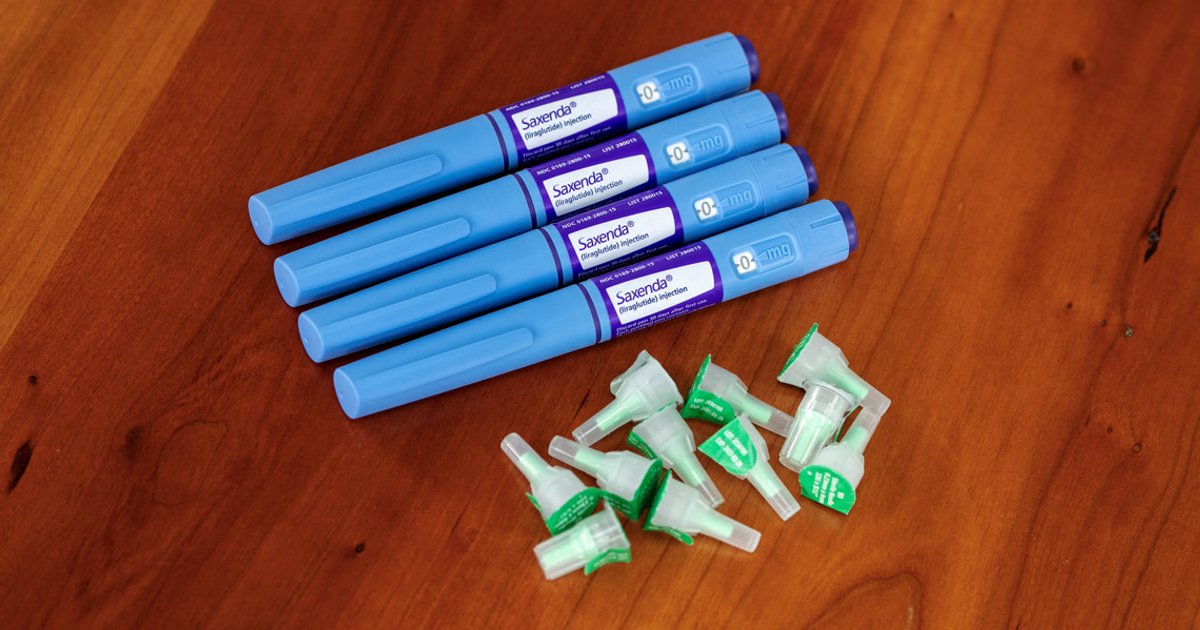
On October 7, WHO released its first global guidelines addressing rising childhood obesity rates. According to UNICEF, obesity now surpasses being underweight as the most common form of malnutrition among school-aged children and adolescents worldwide. The WHO recommends comprehensive support focusing on healthy eating, physical activity, and sustainable behavior change rather than relying solely on medical interventions like weight-loss drugs such as Saxenda or bariatric surgery.
For adolescents aged 10 to 19, the guidelines suggest considering GLP-1 drugs only after supervised lifestyle interventions have failed. For those with severe obesity who are physically and mentally mature, bariatric surgery can be considered if six months of ineffective treatment has been documented. However, for children under 10 years old, diet, physical activity, and behavioral support are endorsed instead due to safety concerns regarding medications and surgical options.
Luz María De Regil, director of the Department of Nutrition and Food Safety at WHO, emphasized that current evidence is insufficient on GLP-1 drugs but noted ongoing research could lead to revised recommendations.
Written for “WHO Guidance On Child ObesityTreatment” on 2026-10-07,
grounded in this article and the 1 other(s) covering the same event.
Why this leaning score
The article's own words the score was based on. Each is quoted
verbatim and was checked against the article text before being
stored, so you can find it in the original.
Leaning: leans left for article 62168 (high confidence, 2 verified quotes) · logged 2026-10-07
Claims extracted
15
claim-shaped sentences
Uncertain
33%
5 of 15 hedged
Leaning
Leans left
of the writing, not the subject · beta estimate
Correction & hedging signals
59.2
corrections and hedging in what we collected;
not a measure of accuracy
Outlets on this story
2
Health
Narrative spread
1
articles carrying this framing
WHO endorses lifestyle changes over GLP-1 drugs in child obesity fight
Oct 7 -
asserted
WHO → endorse → fight
The World Health Organization on Wednesday recommended diet, exercise and counseling over popular weight-loss drugs in its first global guidelines addressing rising obesity among younger children.
asserted
Organization → recommend → children
According to UNICEF data, obesity has surpassed being underweight as the most common form of malnutrition in school children and adolescents worldwide.
uncertain
obesity → accord → children
The health agency said weight-loss drugs may be considered for adolescents aged 10 to 19 with obesity but only after supervised interventions have failed.
uncertain
interventions → say → obesity
Bariatric surgery could be considered for physically and mentally mature adolescents with severe obesity after six months of unsuccessful treatment, it said.
uncertain
it → consider → treatment
For children under 10, WHO endorsed diet, physical activity and combined behavioral support instead of obesity medication, surgery or devices because of doubts over their safety and long-term effectiveness.
asserted
WHO → endorse → safety
Luz María De Regil, director of the Department of Nutrition and Food Safety, said there is currently insufficient evidence on GLP-1 drugs, though researchers are monitoring efficacy and safety trials and may revise that assessment as more data emerges.
uncertain
data → say → assessment
"The foundation of obesity care for children and adolescents is not medicine or surgery, but access to comprehensive support that enables healthy eating, physical activity and sustainable behaviour change," De Regil said.
asserted
Regil → enable → eating
Some GLP-1 medicines are already approved for weight-loss in younger patients.
asserted
medicines → approve → patients
Novo Nordisk's Wegovy and Saxenda can be used by certain adolescents 12 and older in the United States and the European Union.
asserted
Wegovy → use → States
The EU also allows Saxenda for some children aged six to 11.
asserted
EU → allow → children
For children and adolescents with obesity, WHO strongly suggested tailored diets, physical activity and behavioral programs involving caregivers, with supervised digital support cited as optional.
uncertain
support → suggest → caregivers
Healthy diets and physical activity must also be accessible and affordable because treatment alone cannot halt rising obesity, WHO said.
asserted
WHO → halt → obesity
About 400 million people aged 5 to 19 were overweight in 2024, including 170 million living with obesity, WHO said.
asserted
WHO → age → obesity
Obesity prevalence in the group has quadrupled since 1990.
asserted
prevalence → quadruple → 1990
 The Aporia