1 in 4 NFL players — or more — developed brain disease CTE, new study suggests
Experts say findings offer 'another wake-up call' about the risks of contact sports
At least one in four former National Football League (NFL) players had evidence of chronic traumatic encephalopathy, or CTE, at the time of death, according to a new study from one of the U.S. research teams at the forefront of studying the devastating brain disease.
uncertain
players → develop → disease
CTE — which can only be confirmed after death — is associated with repeated head trauma, often from contact sports.
asserted
which → confirm → sports
It can lead to debilitating symptoms ranging from severe memory loss and balance problems to major personality changes, including depression, aggression and thoughts of suicide.
asserted
It → lead → suicide
A growing body of research has already shown exceptionally high rates of the disease in the donated brains of former NFL players.
asserted
body → grow → players
But researchers are quick to note that brain banks skew heavily toward people who experienced concerning symptoms during life and wanted their brains studied after death.
asserted
brains → note → death
The new research, from Mass General Brigham, Boston University and the Concussion & CTE Foundation, aimed to estimate the prevalence of CTE among all NFL players.
asserted
research → aim → players
"We were unfortunately both surprised but saddened to see that the minimum rate was so alarmingly high," said lead author Dr. Daniel Daneshvar, chair of Physical Medicine and Rehabilitation at Mass General Brigham and an associate professor at Harvard Medical School.
asserted
Daneshvar → sadden → School
Nine in 10 donated brains had CTE
The researchers identified all former players who died between 2008 and 2021 — before the rise of soft-shell helmet additions that can reduce the severity of head impacts — including 235 who chose to donate their brains.
asserted
who → donate → brains
More than nine in 10 of the donated brains showed evidence of CTE, according to the paper published Tuesday in the British Medical Journal.
uncertain
10 → donate → Journal
CTE ruins lives but can’t be confirmed until you’re dead.
asserted
you → ruin → lives
Canadian scientists are trying to change that
Claude Lemieux's brain will be donated to Boston University's CTE Center, his family says
To account for the 878 players who did not donate their brains, researchers calculated a range of possible CTE prevalence.
asserted
researchers → try → prevalence
The most conservative estimate was about 25 per cent, assuming the confirmed cases among donors were the only instances of disease among the entire cohort of players.
asserted
cases → assume → players
The team says the true number likely falls somewhere in the middle.
asserted
number → say → middle
Also striking, said Daneshvar, was that roughly six in 10 NFL brain donors with CTE met the clinical criteria for dementia.
asserted
met → say → dementia
"They had clinical impairment in their thinking and memory that was so severe they couldn't take care of their own activities of daily living," he explained.
asserted
he → have → living
"Things like grooming themselves or feeding themselves, or managing their day-to-day activities — they couldn't do it because the pathology was so severe in their brain.
asserted
pathology → groom → brain
The more severe the CTE pathology was in someone's brain, Daneshvar added, the more likely they were to have dementia before death.
asserted
they → add → death
Efforts to protect athletes' brains
The findings were unsurprising to leading Canadian neuroscientist Dr. Charles Tator, a longtime brain injury researcher and outspoken advocate for safety measures in professional and amateur sports.
asserted
findings → protect → sports
"If we're going to be faced with that degree of disability, I think it's another wake-up call that we have to pay more attention," said Tator, an emeritus scientist at the University Health Network's Krembil Brain Institute in Toronto.
asserted
Tator → go → Toronto
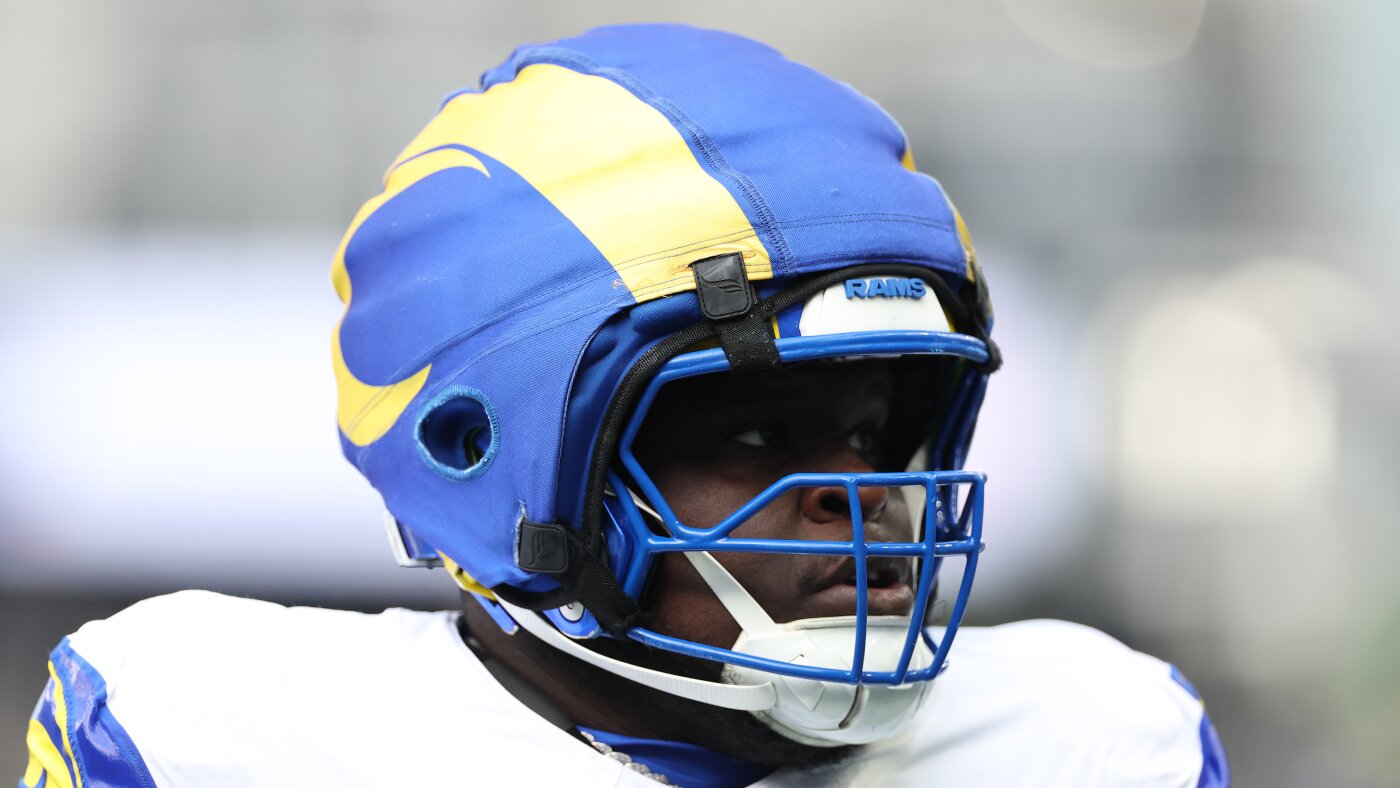
The NFL, like other professional sports leagues, has made strides to better protect players, including its efforts to reduce dangerous tackles after kickoffs while allowing players to wear extra protective caps.
asserted
players → make → caps
But Daneshvar said greater awareness of the risks is crucial, given mounting evidence that "the cumulative force to the head that someone experiences over their life has long-term consequences."
asserted
someone → say → consequences
His research team said further studies should examine athletes who played more recently, and that prevention efforts should focus on reducing all sorts of repetitive head impacts that could drive CTE risk — not just concussions.
uncertain
that → say → risk
"How do we make common-sense decisions to protect our athletes' brains?" he said.
asserted
he → make → brains
Tator said those decisions need to start early, long before people enter the world of professional contact sports, to prevent people from having decades of repeated head injuries in football, rugby, hockey and beyond.
asserted
people → say → football
He cited the strict "remove-from-sport" protocols that are part of Ontario's concussion prevention legislation, dubbed Rowan's Law in memory of Rowan Stringer, an Ottawa high school rugby player who died after suffering multiple concussions.
asserted
who → cite → concussions
"Now you might ask yourself, how come there isn't a similar law in other provinces of Canada — and there isn't," Tator continued.
uncertain
Tator → ask → Canada
"All provinces have done something about repetitive concussions, so it's not that they have no safeguards and no injury prevention programs, but they don't have what Ontario has, which is a law."
asserted
which → do → what
Former Canadian Football League (CFL) player Tim Fleiszer, who heads advocacy group Concussion Legacy Foundation, said it's important for minor sports leagues to reduce head impacts on developing brains, including those that don't typically result in obvious concussions.
asserted
that → head → concussions
"The biggest bang for the buck would be taking heading out of soccer for young children, particularly in practice, and following the lead of the United States and the U.K.," he said.
asserted
he → take → States
The new findings on the possible prevalence of CTE among NFL players should "stir up some good discussion" heading into the football preseason, said cognitive neurologist and Sunnybrook Health Sciences Centre clinician Dr. Matthew Burke.
asserted
Burke → stir → preseason
Still, he stressed the study is limited by its retrospective design and the inherent challenges of studying a condition that wasn't actually diagnosed during someone's life.
asserted
that → stress → life
"A critic of a study like this would say that we have to take [these numbers] cautiously … but the data is never going to be absolutely perfect.
asserted
data → say → numbers
At the same time, Burke said the findings advance our understanding of CTE, which remains one of the most feared and high-profile brain diseases associated with the deaths of multiple well-known athletes — but one that's ultimately preventable.
asserted
that → say → athletes
Further study is needed to understand why some players with heavily impacted brains go on to develop dementia symptoms while others do not, Burke added, as researchers continue to untangle the mechanisms involved.
asserted
researchers → need → mechanisms
"On a surface level, it makes sense: Like, yeah, we shouldn't be hitting our heads over and over again and causing inflammation and damage," said Burke.
asserted
Burke → make → inflammation
"But I do still think our understanding of the pathophysiology is somewhat limited."
asserted
understanding → think → pathophysiology
The study also hammers home an underlying challenge with CTE: People who suspect they have the condition can't receive a definitive diagnosis while they're still alive, meaning there is no treatment tailored specifically to CTE beyond supportive care for what can be a life-altering range of symptoms.
asserted
what → hammer → symptoms
"We need to move conversations beyond just understanding this disease process towards curing it," Daneshvar said.
asserted
Daneshvar → need → it
 The Aporia