Consumer confidence in Australia has dropped to a historic low, according to a recent Westpac-Melbourne Institute survey released on Tuesday. The sentiment index fell 4.7% in October to 80.4 points, its lowest since April, with respondents particularly pessimistic after the Reserve Bank's fourth interest rate hike this year. Economists warn of “recession-like” conditions for households next year due to high inflation and rising costs, with many expecting further mortgage rate increases and no relief from current financial pressures.
Written locally by qwen2.5:14b on 2026-10-06,
using this article's own text rather than the other coverage of the
same event (that is the story summary below).
Why this leaning score
The model judged this article politically coded and scored it -0.35, but all 2 of its quote(s) are attributed speech - words the article quotes from someone, not the article's own narration, so the score is not published.
Written under an earlier scoring contract, which gave a paragraph
rather than checkable quotes. Re-analysing this article replaces it.
Leaning score withheld for article 60788: attributed speech only · logged 2026-10-06
Households will face “recession-like” conditions next year, a leading forecaster has warned, as fresh evidence shows consumers are losing confidence in the economy amid growing cost-of-living pressures.
asserted
consumers → face → pressures
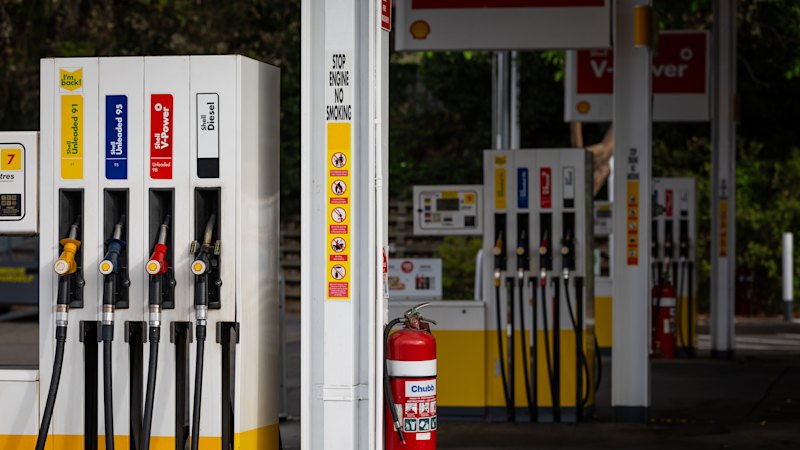
A key gauge of consumer sentiment has fallen to a historic low after the Reserve Bank lifted official interest rates to a 15-year high last week and average petrol prices pushed above the $2.30 a litre mark.
asserted
prices → fall → mark
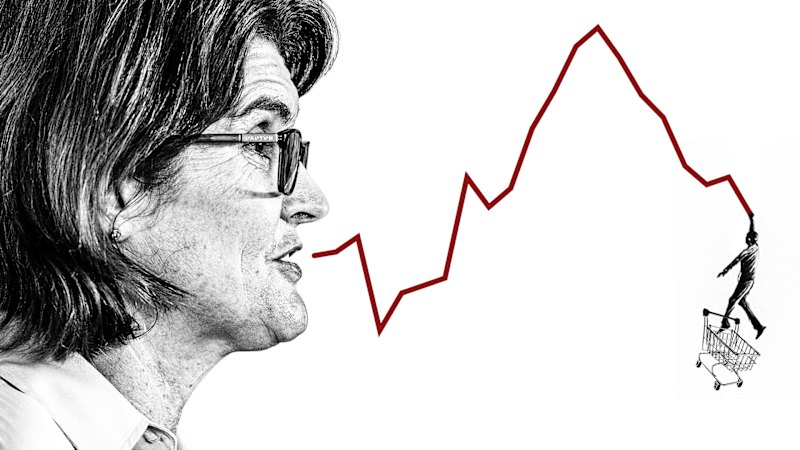
The latest Westpac-Melbourne Institute consumer sentiment index, released on Tuesday, fell 4.7 per cent in October to 80.4 points – its lowest level since April.
asserted
index → release → April
But among the 40 per cent of people who responded to the survey after the RBA’s fourth rate hike this year, the index crashed to just 67.2 points – the worst result since November 1990 when the economy was in deep recession.
asserted
economy → respond → recession
Westpac economist Matthew Hassan described the huge fall following the rates decision as “alarming” and said it showed pessimism was “intense and widespread” among respondents.
“Australian consumers remain stuck in a cost-of-living nightmare that seems to have no end in sight,” he said.
asserted
he → describe → sight
Even when all survey respondents before and after the rate hike were included, the index level was the 39th-worst result since the bank’s monthly survey began in the early 1970s.
asserted
survey → include → 1970s
A sub-index tracking assessments of “family finances versus a year ago” fell 8 percentage points to what Hassan called an “extreme low” in October.
asserted
Hassan → track → October
But consumers do not expect cost-of-living pressures to ease up any time soon; the study’s measure for expected “family finances over the 12 months” also dropped sharply in the month.
asserted
measure → expect → month
Australia’s gloomy consumers are also on high alert for further interest rate increases; over 80 per cent of respondents expect mortgage rates to rise over the next year.
asserted
rates → expect → year
“The latest RBA move looks to have badly rattled consumers,” said Hassan.
asserted
Hassan → look → consumers
A separate report released on Wednesday shows leading forecaster Deloitte Access Economics has cut its expectations for Australia’s economic growth to 1.7 per cent in 2027-28, down from 1.9 per cent forecast three months ago.
asserted
Economics → release → forecast
Last financial year the economy grew by 2.1 per cent.
asserted
economy → grow → cent
The report’s lead author, Deloitte partner Stephen Smith, said while the economy may avoid a near-term recession for households caught between high inflation, rising interest rates and weak growth, “it will feel like one”.
uncertain
it → say → one
He says the key drivers of that growth, including government spending, data centre construction and spending by older and wealthier Australians “appear largely impervious to higher interest rates”.
asserted
drivers → say → rates
That means the RBA’s actions to reduce inflation by lifting interest rates will pile pressure on economic sectors that will respond to higher borrowing costs, especially households.
asserted
that → mean → costs
“The adjustment will therefore be concentrated among lower-income and mortgaged households, dwelling construction, and business investment outside the AI ecosystem,” Smith said.
asserted
Smith → concentrate → ecosystem
“While Australia is expected to avoid a recession in the aggregate, households will continue to experience recession-like conditions.
asserted
households → expect → conditions
That divergence will weigh on discretionary consumer spending, widen differences across sectors and intensify political pressure.”
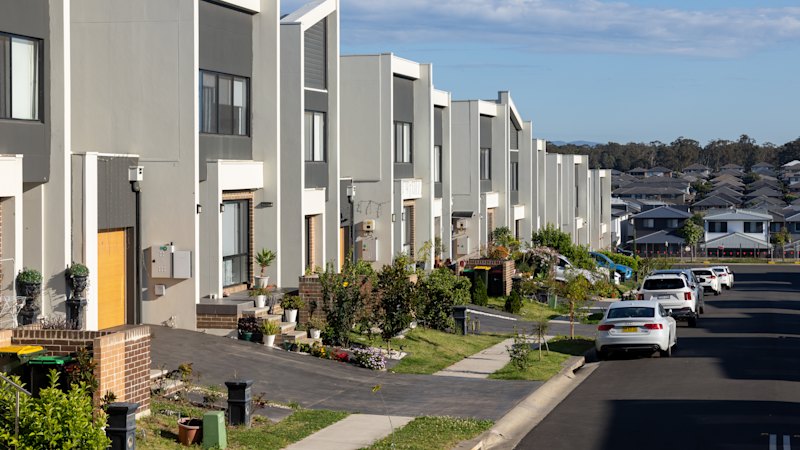
The Albanese government is under intense pressure to tackle elevated inflation following this year’s four interest rate increases and the threat of more to come.
asserted
government → weigh → more
The opposition and many economists claim undisciplined government spending is making it more difficult for the Reserve Bank to reduce price pressures across the economy.
uncertain
Bank → claim → economy
Treasurer Jim Chalmers, who is visiting Japan to promote trade and investment, defended the government’s budget management, saying public (or government) demand growth has been easing.
“Like every country … we are being impacted by this prolonged war in the Middle East, pushing up inflation and weighing heavily on growth at the same time,” he said.
asserted
he → visit → time
The consumer sentiment survey showed fears about job losses are rising.
asserted
fears → show → losses
The Westpac–Melbourne Institute Unemployment Expectations Index, released as part of the report, rose in October and is now well above the long-term average (higher values on this index mean more consumers expect unemployment to rise over the year ahead).
asserted
unemployment → release → year
While the labour market has been fairly resilient this year, the unemployment rate climbed to a five-year high of 4.6 per cent in August.
asserted
rate → climb → August
As Labor’s spending comes under scrutiny, one of the world’s most important financial institutions, the International Monetary Fund, warned against using broad-based subsidies – such as the government’s cuts to fuel excise earlier this year – to deliver cost-of-living support.
asserted
one → come → support
The fund’s twice-yearly World Economic Outlook said broad subsidies are inefficient and can cause lasting damage to government budgets; targeted relief to lower-income families hardest hit by high inflation is much more efficient.
asserted
relief → say → inflation
“Assistance, when warranted, should be temporary and delivered through targeted income support measures, ideally using existing social protection systems that can be scaled up quickly,” the fund said.
asserted
fund → warrant → systems
Subscribers can sign up to our weekly Inside Politics newsletter.
asserted
Subscribers → sign → newsletter
 The Aporia