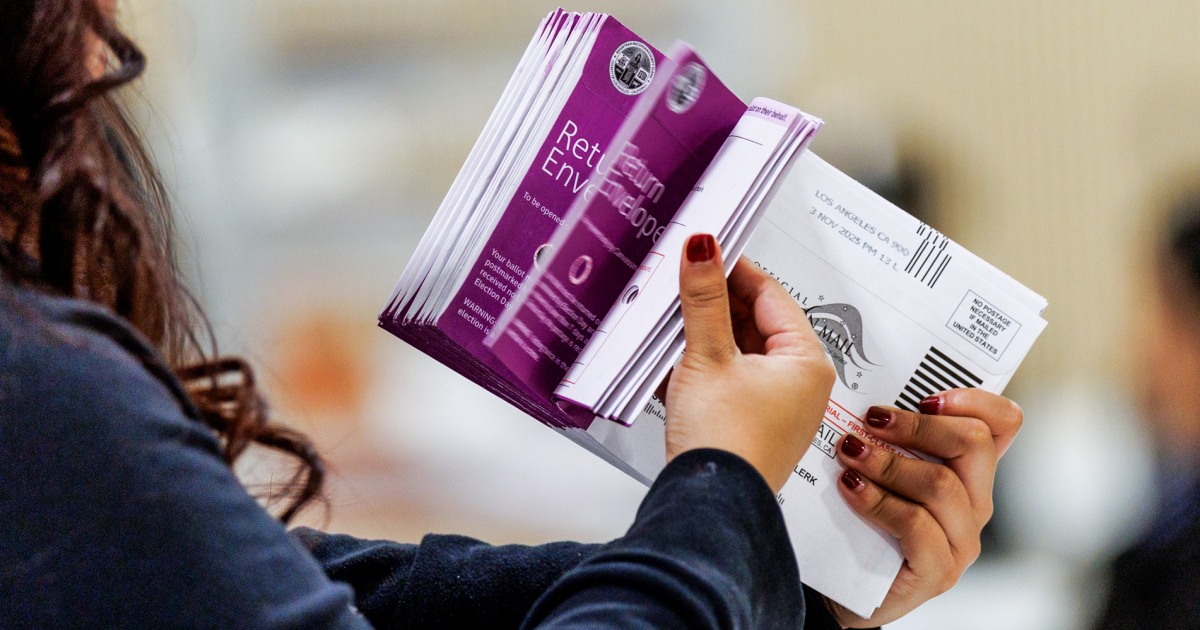
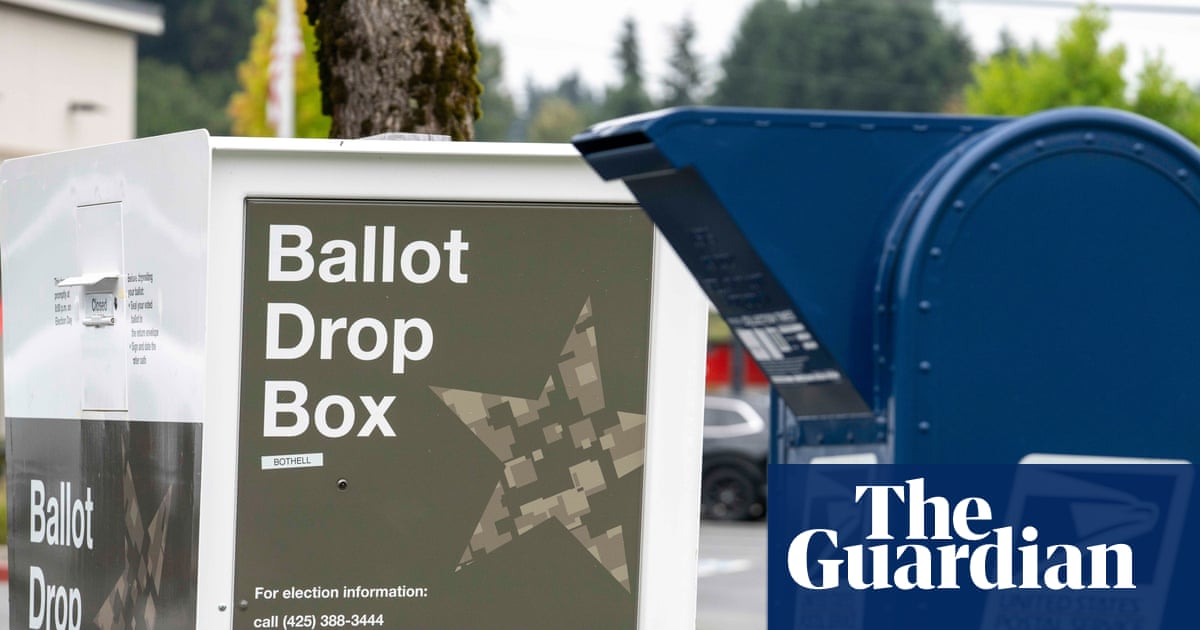
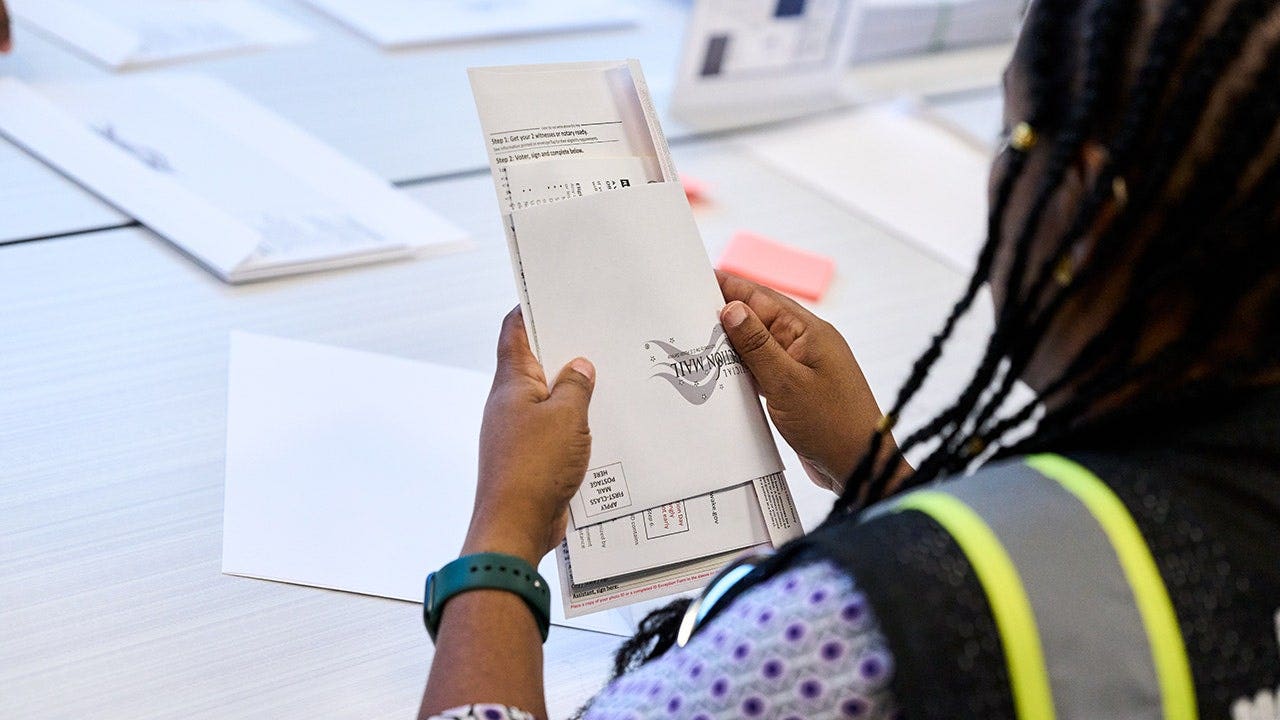
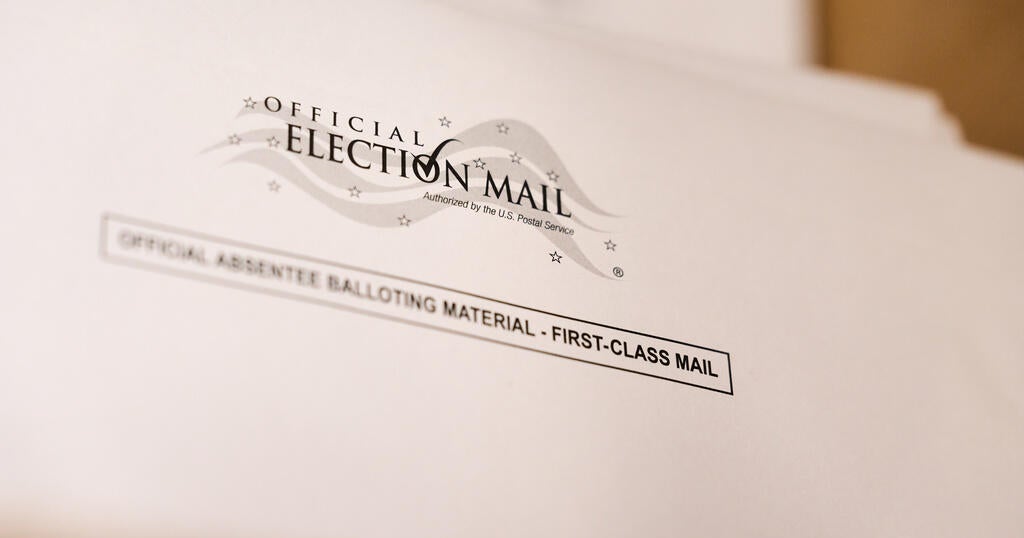
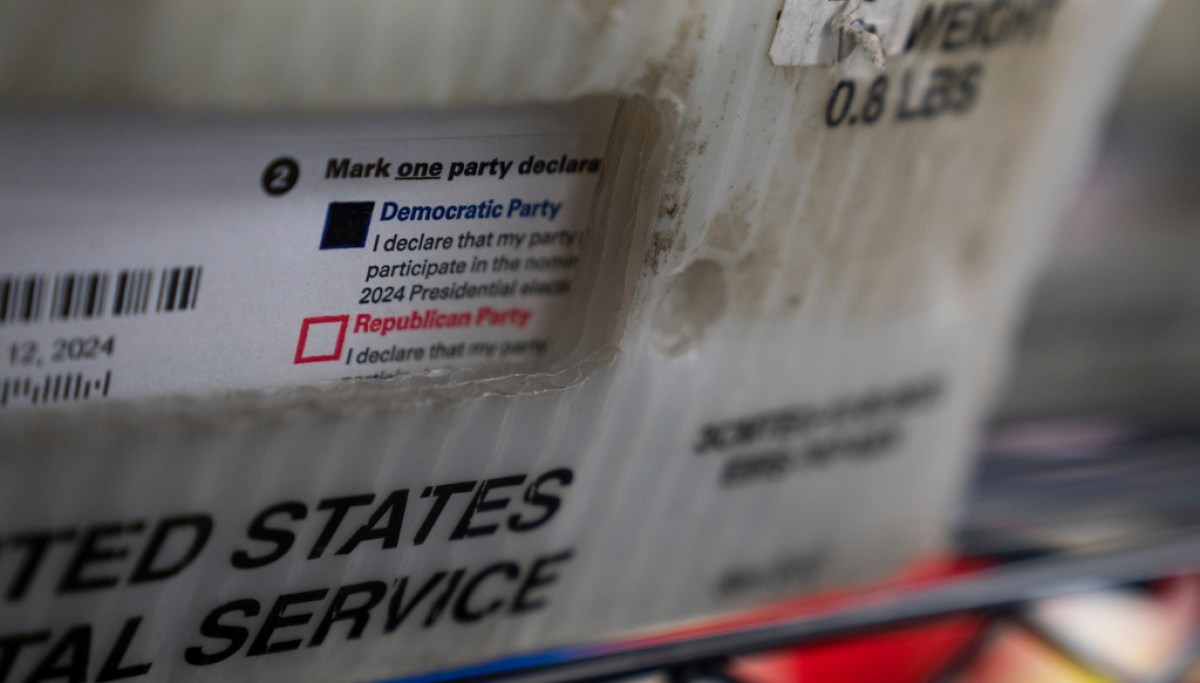
The Trump administration has asked the Supreme Court for a third time to allow new U.S. Postal Service rules governing mail-in voting to take effect before November's midterm elections. The proposed rules would require states to report qualified voters to the USPS and implement a new ballot envelope design, with potential penalties for non-compliance. A federal judge in Boston has already indefinitely paused the plan, citing concerns over voter privacy and lack of evidence supporting the need for urgent implementation. Solicitor General D. John Sauer argues that the rule imposes "reasonable preparation requirements" but Judge Indira Talwani questioned the justification for the rule's rushed approval.
Written by the local model on 2026-09-07,
using this article's own text rather than the other coverage of the
same event (that is the story summary below).
Story summary
Here's a summary of the news story:
USPS Whistleblower Warns of Potential Chaos in Mail Voting
A whistleblower at the US Postal Service (USPS) has come forward to warn that a new system for handling mail ballots, tied to President Trump's executive order on mail voting, is "untested and error-prone" and could lead to millions of Americans not receiving their mail-in ballot this fall. The whistleblower also alleges that the USPS is defying court orders by pushing forward with the new system despite concerns about its reliability.
The controversy centers around a March executive order by President Trump, which requires states to give the USPS a list of all voters eligible to receive a ballot in the mail and for the USPS to refuse to deliver mail-in ballots if the state does not comply. This has led to concerns from election officials that the new system could cause chaos for voters in the middle of the midterm elections.
A federal judge has already blocked the new rules, but the Trump administration is asking the Supreme Court to lift the block and allow the changes to take effect. Meanwhile, North Carolina has become the first state to start sending out mail-in ballots, despite the uncertainty surrounding the new federal rules.
Background
- President Trump issued an executive order in March calling for the Department of Homeland Security to develop lists of adult U.S. citizens in each state and for the USPS to refuse to deliver mail-in ballots when state election officials don't turn over these lists.
- The USPS has been implementing changes to its system for handling mail ballots, but a whistleblower warns that the new system is "untested and error-prone."
- Election officials have expressed concerns about the reliability of the new system and the potential for it to cause chaos for voters.
Impact
- Millions of Americans may not receive their mail-in ballot this fall due to the uncertainty surrounding the new federal rules.
- The controversy has led to concerns from election officials that the new system could cause chaos for voters in the middle of the midterm elections.
- The Supreme Court's decision on whether to allow the changes to take effect will have significant implications for the integrity of the electoral process.
Written for “Trump Mail Voting Controversy” on 2026-09-07,
grounded in this article and the 31 other(s) covering the same event.
Why this leaning score
The article's own words the score was based on. Each is quoted
verbatim and was checked against the article text before being
stored, so you can find it in the original.
Leaning score +0.35 for article 6016 (high confidence, 1 verified quote) · logged 2026-09-07
The Trump administration on Sunday asked the Supreme Court for a third time to allow it to restrict mail-in voting before November's midterm elections.
asserted
it → ask → elections
Administration lawyers in an emergency application urged the court to allow for new U.S. Postal Service rules to take effect, which would change how mail-in ballots are handled ahead of the elections.
asserted
ballots → urge → elections
Solicitor General D. John Sauer said in a court filing that the new rule "does not seize control of states' administration of elections -- it simply imposes reasonable preparation requirements for certain election-related mail."
asserted
it → say → mail
On Friday, a federal judge in Boston said she was indefinitely pausing the plan while lower courts hear other challenges.
asserted
courts → say → challenges
Judge Indira Talwani a day earlier held a hearing with lawyers representing Democratic-led states and voting rights groups as well as Postal Service attorneys and Republican-led states that back the rule.
asserted
that → hold → rule
The rule would compel states to report to the USPS which voters are qualified to receive mail-in ballots, as well as a new ballot envelope design that can be scanned and linked to voters.
asserted
that → compel → voters
The USPS would be allowed to withhold deliveries of ballots in states that do not comply.
asserted
that → allow → states
Talwali ruled that the states would be required to violate their own privacy laws and implement requirements that appeared likely to cause some voters to be disqualified.
asserted
voters → rule → requirements
She also raised questions about why the USPS was proceeding with urgency to have the rule approved for November while claiming it was routine and would need small clerical changes.
asserted
it → raise → changes
Talwani also questioned U.S. President Donald Trump's assertion the rule was needed for secure elections.
asserted
rule → question → elections
She said in her ruling that the USPS' argument "includes no evidence relating to fraudulent mail voting to support the rushed implementation."
asserted
argument → say → implementation
Talwani did not question or prevent Republican-led states from voluntarily complying with the rule.
asserted
Talwani → question → rule
She said her ruling is only for this year's elections, and that other courts could later determine if the rule was lawful.
uncertain
rule → say → elections