That is 0 articles you have read today.
The Aporia is free and carries no advertising, so readers are the only
thing paying for it. If you are getting this much out of it, a small
donation is what keeps it independent.
Daily limit reached
You have read 0 articles today.
That is more than the 15 a day The Aporia gives away,
and well past what it can carry on nothing. Your allowance resets at
midnight.
There is no advertising here and nothing about you is sold, so readers
are the only thing paying for it. If the site is worth this much of
your day, it is worth a few dollars.
Everything else stays open: the
maps, the
directory and
search do
not count against this, and neither does re-opening something you have
already read today.
Malaysian Prime Minister Anwar Ibrahim announced that approximately 10,000 Myanmar nationals have been repatriated since January, with nearly 1,500 returned by sea last week under a bilateral agreement. Despite concerns from human rights groups and the UNHCR over potential safety risks for returnees, particularly Rohingya Muslims, Anwar stated that Myanmar authorities have assured fair treatment upon their return. He plans to further discuss these issues with Myanmar President Min Aung Hlaing during an upcoming visit to Kuala Lumpur. The repatriation efforts come as Malaysia faces criticism for escalating raids on refugee communities and detaining over 50,000 refugees in 2026.
Written locally by qwen2.5:14b on 2026-10-06,
using this article's own text rather than the other coverage of the
same event (that is the story summary below).
Story summary
Malaysian Prime Minister Anwar Ibrahim announced that about 10,000 people have been repatriated to Myanmar since January. Despite warnings from human rights groups and the UNHCR about safety risks, especially for Rohingya Muslims, Anwar said Myanmar authorities had given assurances these individuals would not face harm upon return. He detailed that some were flown back via arrangements made by Myanmar's government, while nearly 1,500 were returned by sea in a recent bilateral agreement. Anwar is scheduled to meet with Myanmar’s President Min Aung Hlaing, who will visit Kuala Lumpur “in the next few days,” as part of his efforts to gain diplomatic legitimacy following the 2021 coup and subsequent civil war.
Written for “Myanmar Refugees Repatriation” on 2026-10-06,
grounded in this article and the 0 other(s) covering the same event.
Why this leaning score
The model judged this article politically coded and scored it -0.35, but 1 quote(s) could not be found in the article and the other 2 are attributed speech rather than the article's own narration, so the score is not published.
Written under an earlier scoring contract, which gave a paragraph
rather than checkable quotes. Re-analysing this article replaces it.
Leaning score withheld for article 59609: no verified evidence · logged 2026-10-06
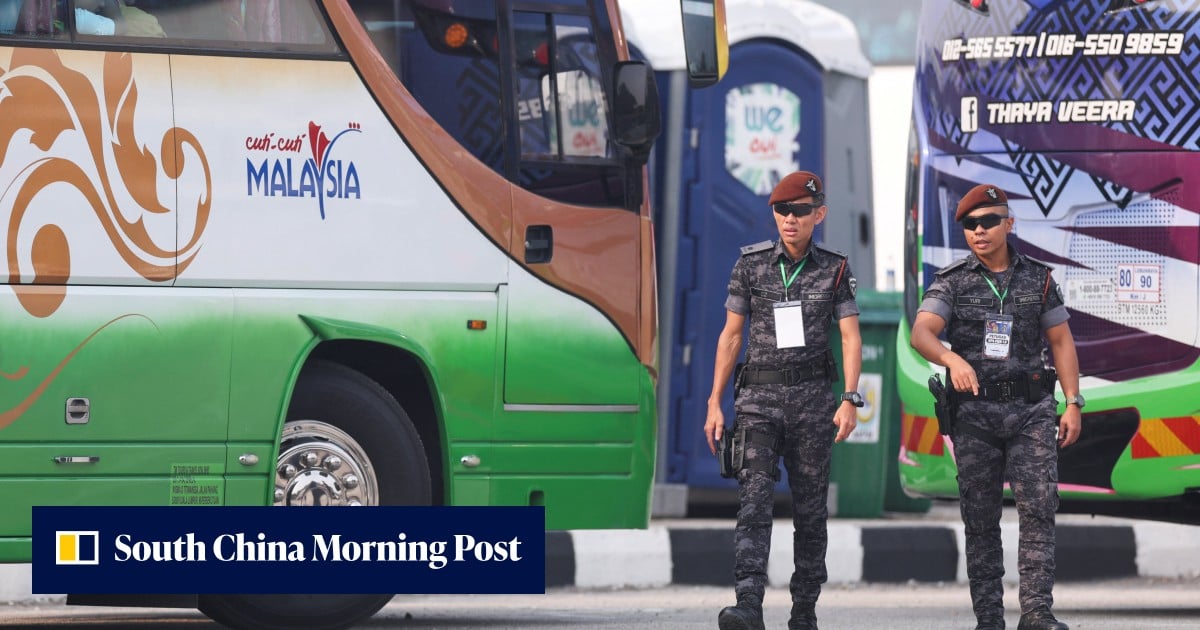
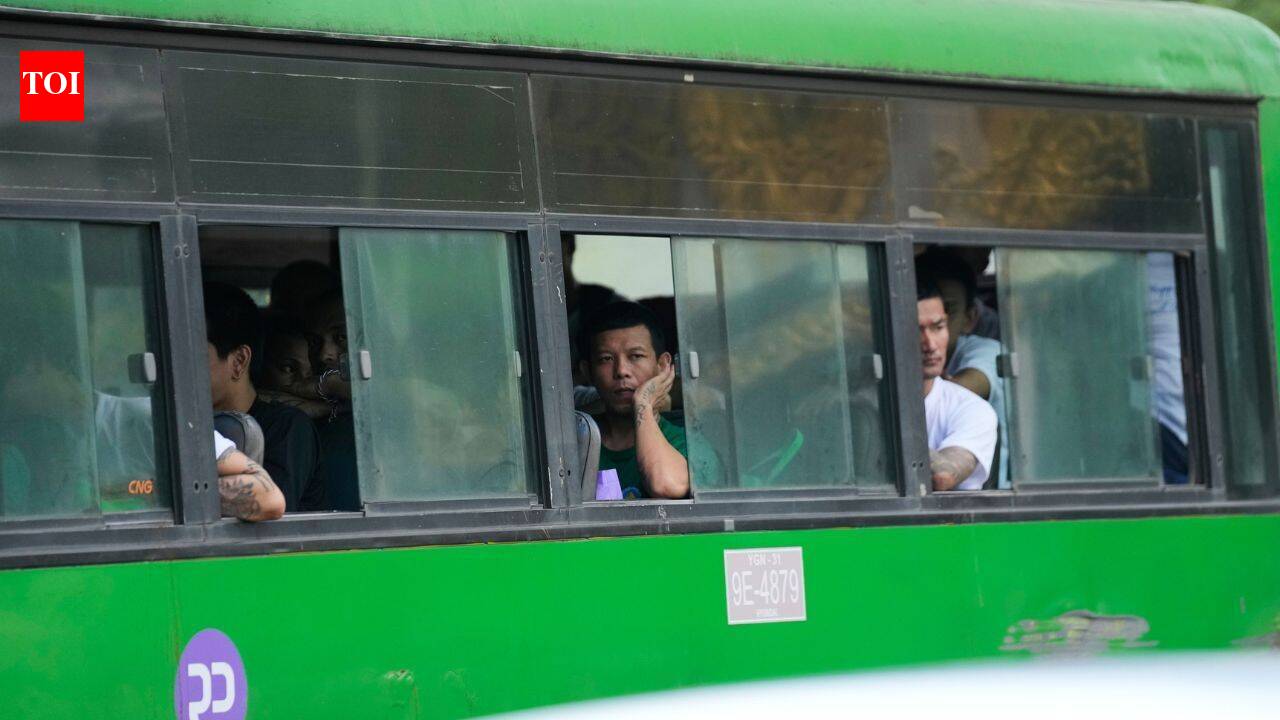
Malaysian Prime Minister Anwar Ibrahim says about 10,000 people have been sent back to Myanmar since January, despite safety warnings by human rights groups and the United Nations refugee agency.
asserted
people → say → groups
Anwar told parliament on Tuesday that a number of those deported were sent back by planes arranged by the Myanmar government, while nearly 1,500 were returned by sea last week as part of a bilateral arrangement.
asserted
1,500 → tell → arrangement
Anwar acknowledged concerns by rights groups and lawmakers over the potential safety risks faced by those being repatriated, especially those from the Rohingya Muslim minority, but said Myanmar authorities had given assurances that they would not be harmed upon their return.
asserted
they → acknowledge → return
“The conditions that we placed on Myanmar is that they must bring home their citizens,” Anwar said.
asserted
Anwar → place → citizens
“Secondly, it is that they treat their people fairly so that there are no abuses, coercion or rights violations.”
asserted
they → treat → people
Anwar said he would continue to discuss the matter with Myanmar’s President Min Aung Hlaing, who is due to visit Kuala Lumpur “in the next few days”.
asserted
who → say → days
The visit is part of a diplomatic push for legitimacy by the Myanmar leader, whose 2021 coup plunged Myanmar into civil war and who led a 2017 military crackdown that forced hundreds of thousands of Rohingya people to flee the country.
asserted
that → plunge → country
Malaysia insists all returnees agreed to repatriation, but rights monitors have raised concerns that Myanmar refugees had little choice.
asserted
refugees → insist → choice
The UN High Commissioner for Refugees (UNHCR) said last week that its staff was not allowed to meet the Myanmar nationals to confirm whether their decisions to return “were genuinely free and informed”.
asserted
decisions → say → nationals
The deportations come amid escalating raids on refugee communities in Malaysia by immigration officials, which led to the detention of more than 50,000 refugees in 2026.
asserted
which → come → 2026
Rohingya make up the majority of Myanmar refugees and asylum seekers in Malaysia, but it remains unclear how many members of the persecuted group were among those deported.
uncertain
members → make → those
Malaysia took in about 193,000 refugees from Myanmar, according to UN data.
uncertain
Malaysia → take → data
While Malaysia is not a party to the UN Refugee Convention and treats refugees as undocumented migrants, it is home to about 215,600 refugees and asylum seekers registered with the UNHCR.
asserted
it → treat → UNHCR
Myanmar has been accused of committing genocide against the Rohingya.
asserted
Myanmar → accuse → Rohingya
Earlier this year, the International Court of Justice (ICJ) opened its first genocide case it has heard in full in more than a decade.
asserted
it → open → decade
The UNHCR and rights groups said returnees could face persecution and forced military conscription in an active war zone.
uncertain
returnees → say → zone
Myanmar has been embroiled in a civil war since the military seized power from the elected government in 2021.
asserted
military → embroil → 2021
The war has killed more than 100,000 people since the coup, according to the Armed Conflict Location and Event Data (ACLED) project.
uncertain
war → kill → project
 The Aporia