Researchers found a significant increase in Wedge-tailed Shearwater breeding pairs on D’Arros Island in Seychelles following rat eradication in 2003. Breeding pairs increased from approximately 254 in 2009 to 2,768 in 2016 and 2,406 in 2021—nearly ten times the pre-eradication count. The colony also expanded its territory and showed higher nesting densities, supporting the conclusion of genuine population growth.
Written locally by qwen2.5:14b on 2026-10-05,
using this article's own text rather than the other coverage of the
same event (that is the story summary below).
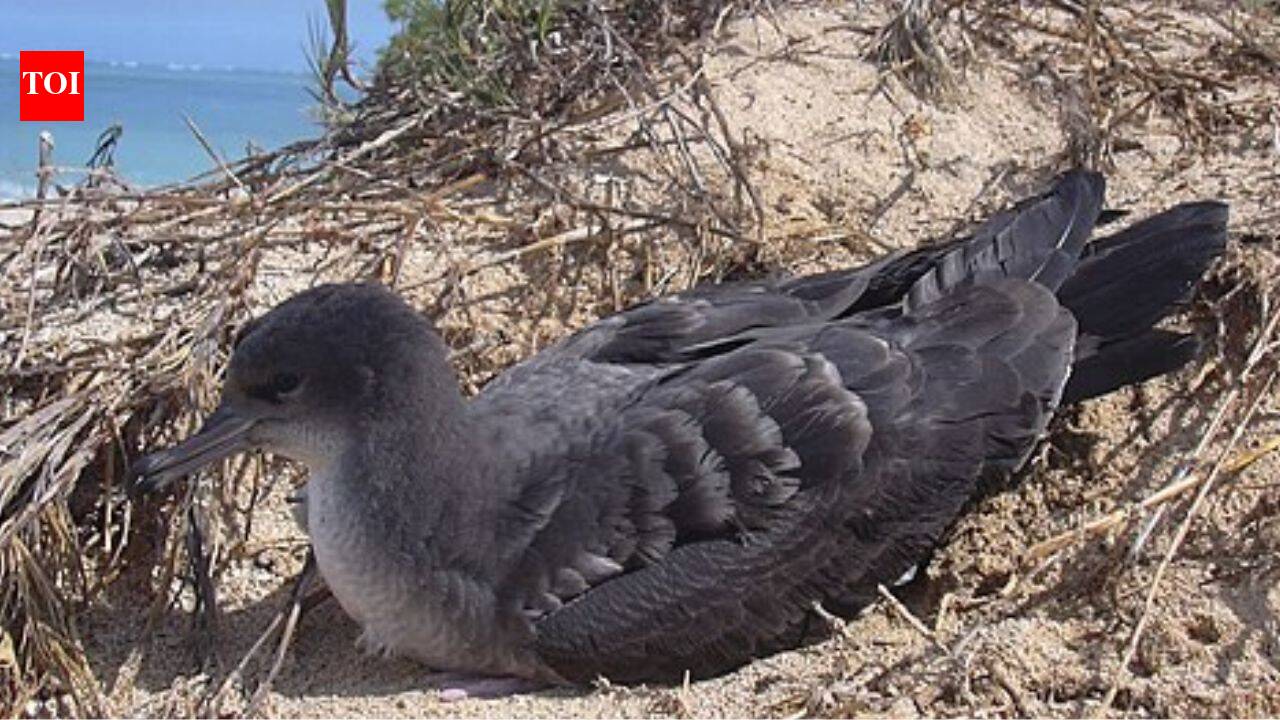
D’Arros Island in Seychelles has recorded a sharp rise in its Wedge-tailed Shearwater breeding population after rats were eradicated in 2003.
asserted
rats → record → 2003
Researchers counted 2,768 breeding pairs in 2016 and 2,406 in 2021, compared with about 254 pairs recorded in 2009.
asserted
Researchers → count → 2009
The colony also spread across a larger area, while breeding burrow density increased during the later surveys.
asserted
density → spread → surveys
According to research published in Marine Ornithology titled ‘
Rapid increase in size of Wedge-tailed Shearwater Ardenna pacifica colony following rat eradication’, the results indicate a true population increase.
uncertain
results → accord → increase
The researchers noted that differences in census timing and methods affected comparisons, but the larger colony area and higher burrow density supported the finding.
asserted
area → note → finding
How did rat eradication affect Wedge-tailed Shearwaters on D’Arros Island
asserted
eradication → affect → Island
The researchers estimated 2,768 breeding pairs on D’Arros in November 2016 and 2,406 pairs in November 2021.
asserted
researchers → estimate → November
Both figures were nearly ten times the approximately 254 breeding pairs estimated in 2009.
asserted
figures → estimate → 2009
The 2016 estimate had a 95% confidence interval of 2,424-3,112 pairs, while the 2021 estimate had a 95% confidence interval of 2,143–2,667 pairs.
asserted
estimate → have → pairs
The study described the change as a rapid increase in colony size following rat eradication.
asserted
study → describe → eradication
D’Arros had been rat-free since 2003, giving the researchers a 13-year gap between eradication and the first new census.
asserted
D’Arros → give → eradication
They also found that the colony occupied a larger area and had higher nesting density, supporting the conclusion that the population increase was genuine.
PC: Wikipedia
What changes were recorded in the Wedge-tailed Shearwater colony
The total Wedge-tailed Shearwater colony covered 3.40 hectares across six colony sites in 2016.
asserted
colony → find → 2016
By 2021, it covered 3.85 hectares across seven sites.
asserted
it → cover → sites
The later estimate included a very small nesting area in the northwest of the island that had not previously been identified.
asserted
that → include → island
The researchers also found Wedge-tailed Shearwaters vocalising at night inside dense coconut palm vegetation during both surveys, but no nests were found there, so those areas were excluded from the census.
asserted
areas → find → census
Breeding burrow densities ranged from 21 to 1,866 pairs per hectare in 2016 and from 17 to 2,391 pairs per hectare in 2021.
asserted
densities → range → 2021
The increase in total colony area and burrow density helped confirm that the population had increased.
asserted
population → help → area
How did researchers estimate the number of breeding pairs
The study combined direct counts with area-based estimates.
asserted
study → estimate → estimates
Researchers used direct counts in areas with relatively low burrow densities and area-based estimates in high-density areas where walking could collapse closely spaced burrows.
uncertain
walking → use → burrows
In those areas, they selected 50-square-metre plots and inspected burrows for signs of occupation.
asserted
they → select → occupation
A burrow-scope helped researchers inspect deep and convoluted burrows, with some extending more than 70 centimetres below the ground.
asserted
some → help → ground
In 2016, researchers also used call playback to confirm the status of burrows that appeared empty but showed signs of recent activity.
asserted
that → use → activity
The researchers noted that differences in sampling methods made direct comparisons with the 2009 census difficult.
asserted
comparisons → note → census
Researchers identify November as the peak incubation period on D’Arros
asserted
Researchers → identify → D’Arros
The researchers examined burrow status from October to December 2021 to identify the peak incubation period on D’Arros.
asserted
researchers → examine → D’Arros
They found that November had a significantly higher proportion of burrows occupied by incubating birds than October or December.
asserted
November → find → October
In the high-density plots, the average number of total breeding burrows was seven in November, compared with two in October and one in December.
asserted
number → compare → December
In the low-density area, seven breeding burrows were recorded in November, compared with six in October and seven in December.
asserted
burrows → record → December
The researchers said identifying the peak incubation period was essential for future comparisons of population estimates.
asserted
identifying → say → estimates
 The Aporia