The Aporia
The Aporia
The Aporia

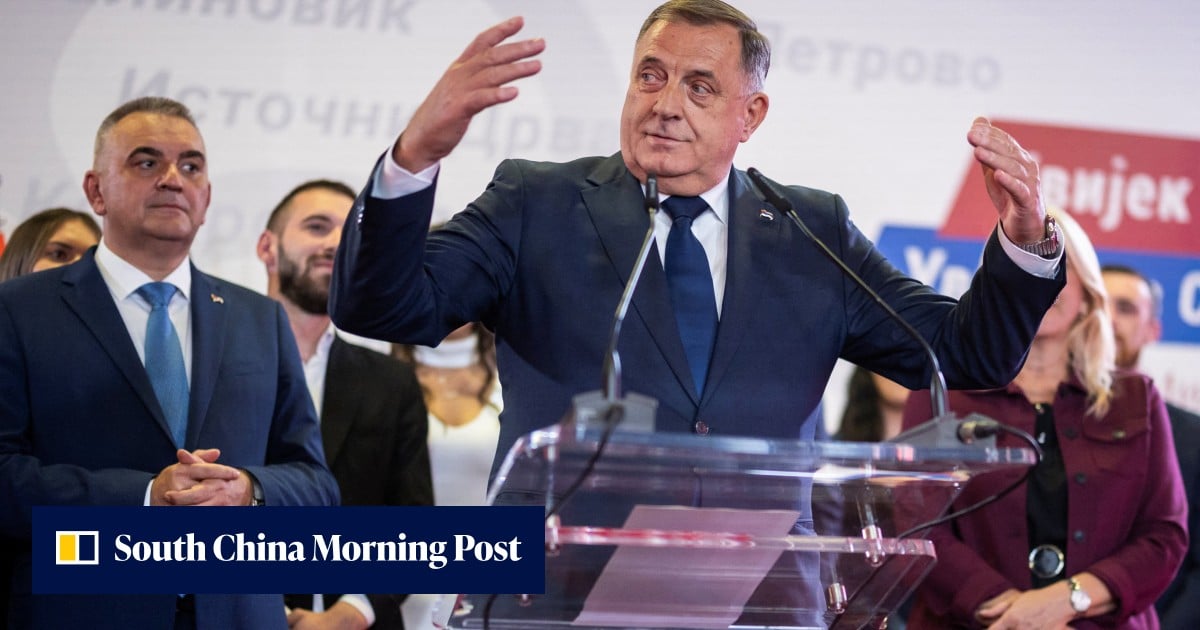
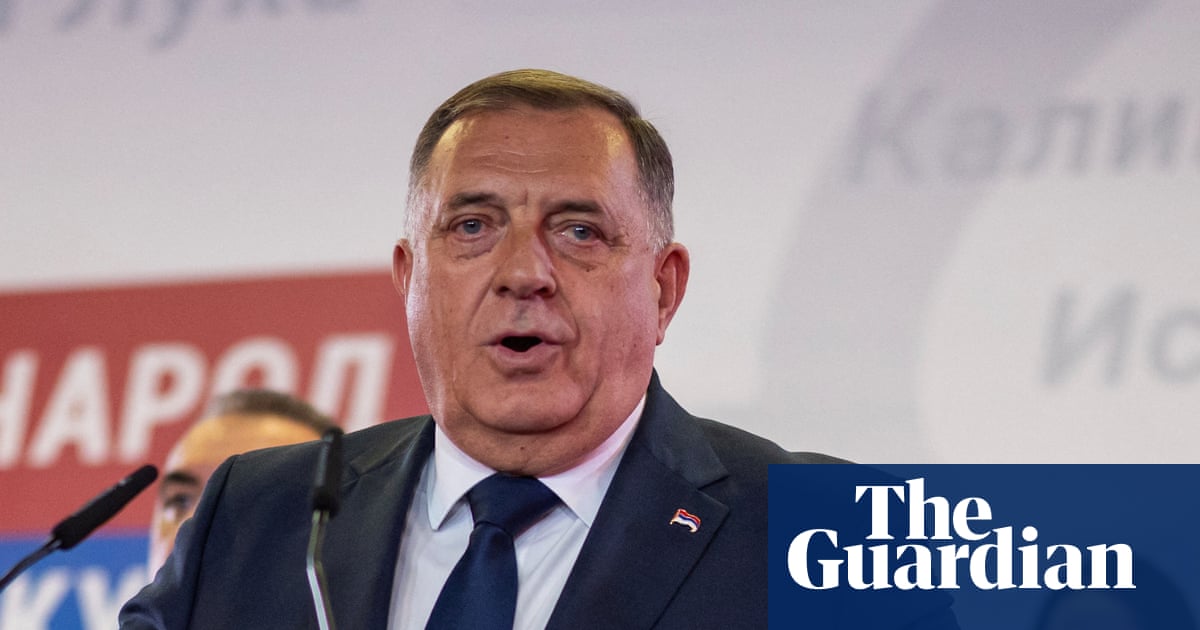
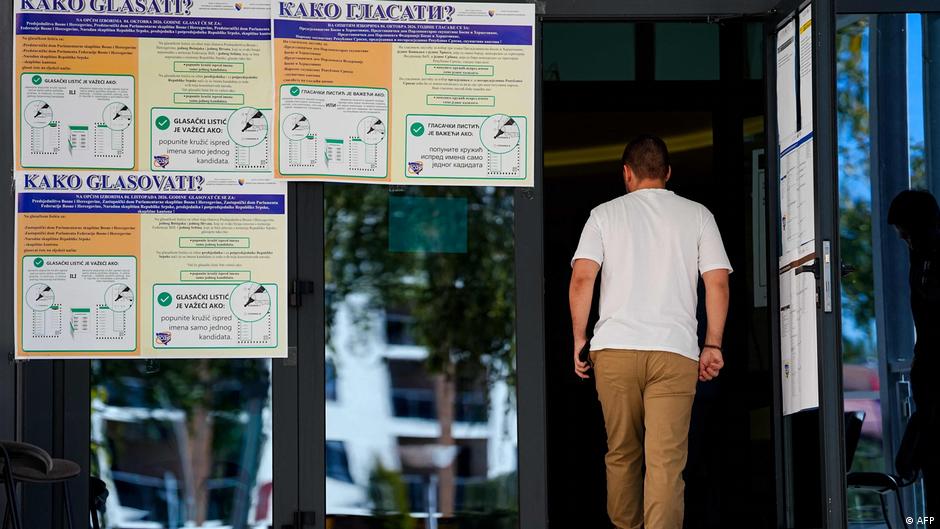
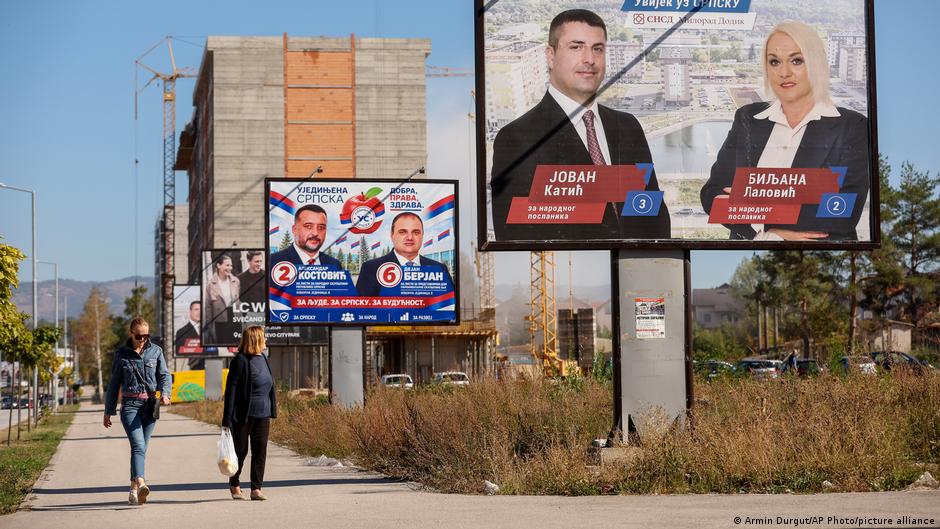
On October 4, Bosnia held national elections, crucial for its bid to join the European Union and determining the influence of major powers like Russia and the United States in the Balkans. With over 3.4 million eligible voters, citizens chose three members of the multi-ethnic presidency, lawmakers for the national parliament, and leaders for the two federal entities: the Federation of Bosnia and Herzegovina and Republika Srpska. Voter frustration stems from economic slowdowns, slow EU accession talks, and unresolved ethnic divisions since the 1992-1995 war. Prominent pro-Russian politician Milorad Dodik, although ineligible to run due to a conviction for defying international peace agreements, still exerts significant influence over the election, exacerbating tensions. Despite these challenges, many voters hope this election will address issues beyond ethnic divisions and move Bosnia forward toward EU membership.