Washington Examiner
· collected 2026-10-05 · by Callie Patteson and Maydeen Merino
WHAT’S HAPPENING TODAY:
asserted
WHAT → happen → ?
The Seattle Seahawks held their annual Corgi Cup yesterday afternoon, during their game against the Los Angeles Chargers.
asserted
Seahawks → hold → Chargers
Eight corgis raced down the field during halftime, with the fast and furriest winner Banana giving a Usain Bolt look-back mid-race.
asserted
Banana → race → back
We’re kicking off this week with the Supreme Court starting its fall term with what could be the most consequential climate change-related case in modern history.
uncertain
what → kick → history
If you didn’t get to tune into the arguments, we have what you need to know below!
asserted
you → get → what
If a friend sent this to you and you’d like to sign up, click here.
asserted
you → send → you
If signing up doesn’t work, shoot us an email, and we’ll add you to our list.
SCOTUS TAKES ON CLIMATE CHANGE CASE:
asserted
SCOTUS → sign → CASE
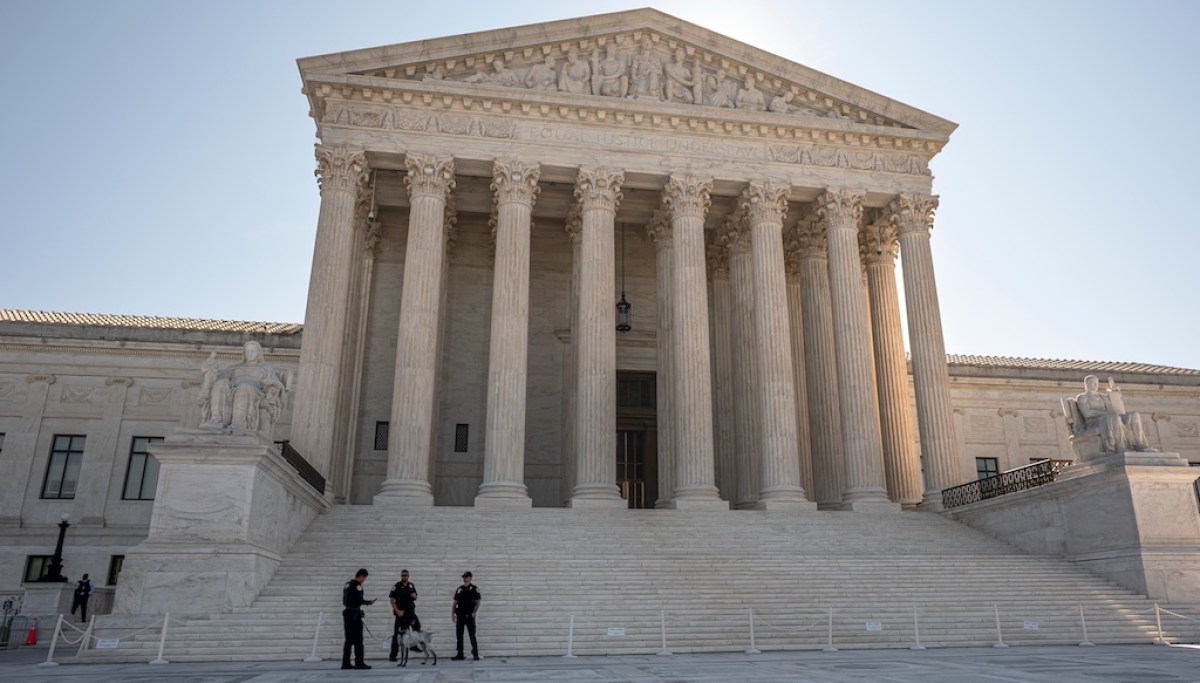
This morning, the Supreme Court kicked off its fall term with a banger of a case that will decide if states and localities can collect damages from oil and gas companies for their contributions to climate change.
asserted
states → kick → change
Now, we won’t rehash every aspect of the case – last week Callie wrote up an explainer touching on the primary arguments and why we might not even get a ruling here.
uncertain
we → rehash → ruling
But here’s the gist: Boulder County, Colorado, has sued Suncor Energy and Exxon Mobil, claiming the fossil fuel companies deceived the general public about the dangers of their oil and gas operations and the associated effects on climate change through their advertising and marketing.
asserted
companies → ’ → advertising
Last year, the Colorado Supreme Court allowed the suit to continue to state court.
asserted
suit → allow → court
And the oil companies have asked the justices to overturn the ruling, arguing that Boulder’s claims are preempted by the Clean Air Act.
uncertain
claims → ask → Act
What you might have missed: If you weren’t able to tune into this morning’s hearing, the main thing you missed is that the justices are far from reaching a unanimous agreement.
uncertain
justices → miss → agreement
Barrett, who was appointed by President Donald Trump during his first term, questioned the oil companies over their claim that the Clean Air Act gives the Environmental Protection Agency the primary authority to regulate emissions – thereby preempting state law.
uncertain
Act → appoint → law
This argument, however, clashes with the Trump administration’s own claims that the Clean Air Act does not give the EPA the authority to regulate emissions for vehicles and power plants – a claim affirmed by the agency as recently as last month.
uncertain
Act → clash → month
Suncor’s lawyer, Kannon Shanmugam, disregarded the recent EPA rulings, saying that “any decision the EPA makes has no bearing on our argument concerning constitutional structure.
asserted
EPA → disregard → structure
Our arguments concerning constitutional structure apply with full force, regardless of what EPA says.”
asserted
EPA → concern → what
Barrett criticized the argument, telling Shanmugam, “Ok, well I think that’s a little slippery.”
asserted
that → criticize → Shanmugam
Other key questions: The justices also pressed the attorneys on whether the high court actually has the authority to hear the case without a final judgment from Colorado courts, or if it is too early and needs to proceed to trial.
asserted
it → press → trial
Chief Justice John Roberts and Justice Elena Kagan both questioned whether there are situations where pollution caused in one state could be subject to a different state’s laws if it is directly harming that first state.
Additionally, several of the justices questioned why Shanmugam was not just making the argument that the Clean Air Act forecloses the lawsuit, something they said would be easier under the high court’s precedents.
uncertain
they → question → precedents
For more details on what went down during this morning’s hearing, check out this article from the Washington Examiner’s Supreme Court reporter Jack Birle here.
asserted
what → go → Birle
TRUMP TO UNVEIL ORDER FOR GREATER ACCESS TO DYED DIESEL:
asserted
TRUMP → unveil → DIESEL
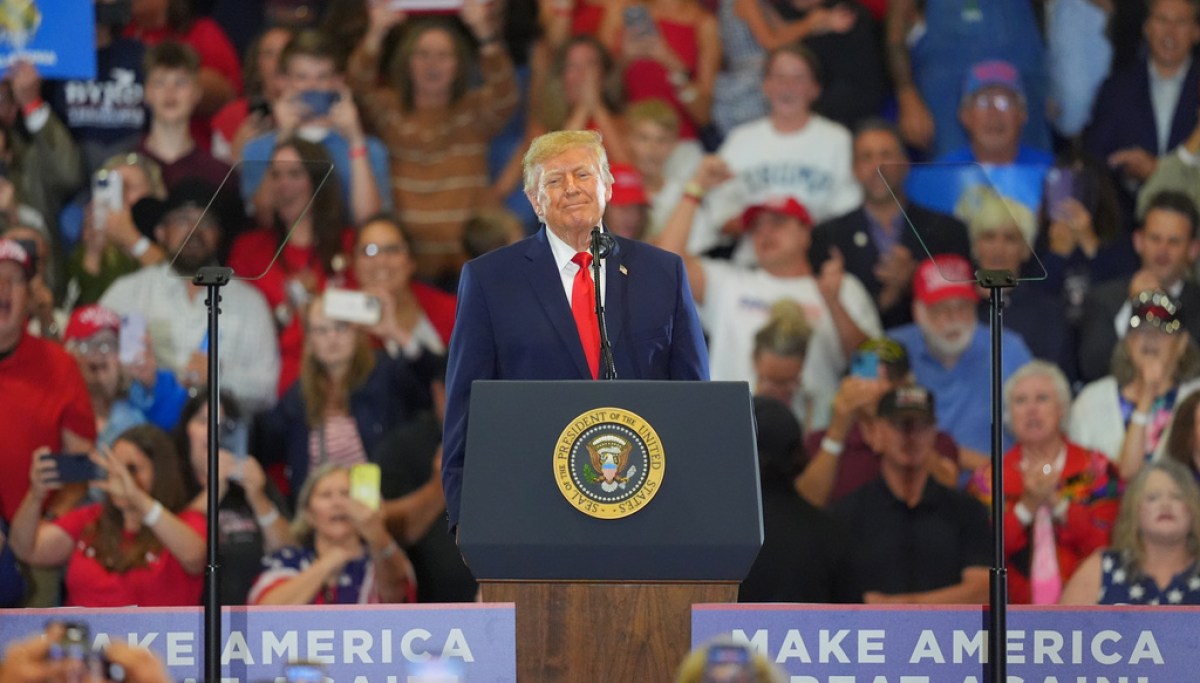
President Trump plans to unveil an executive order today to allow for greater access to red-dyed diesel.
asserted
Trump → plan → diesel
Red-dyed diesel is typically reserved for off-road uses, such as farming.
asserted
diesel → reserve → farming
Reuters reported that the executive order would also direct the Transportation Department to coordinate with states to waive taxes on road diesel.
asserted
order → report → diesel
Many states in recent weeks have already waived taxes on diesel or have allowed for more access to dyed diesel.
asserted
states → waive → diesel
The national average price for diesel remains at a record high of $6.32 per gallon.
asserted
price → remain → gallon
The president has also retreated from imposing an export ban on diesel after European countries agreed Friday to release emergency stock of oil and diesel.
asserted
countries → retreat → oil
GLOBAL OIL RESERVES ‘SCARILY THIN,’ SAUDI COMPANY WARNS:
asserted
COMPANY → reserve → THIN
The CEO of Saudi Aramco, Amin Nasser, is warning that that worldwide stockpiles of crude oil have hit “scarily thin” levels, as the war in Iran continues.
asserted
war → warn → Iran
“The system is already straining,” Nasser said during the Energy Intelligence Forum conference in London today.
asserted
Nasser → strain → London
“And with precious little else the world can turn to, the supply resilience cushion is scarily thin.”
asserted
cushion → turn → little
Nasser estimated that before the war began, the world had almost 10 billion barrels of global oil reserves.
asserted
world → estimate → reserves
And amid months-long disruptions caused by significant dips in traffic through the Strait of Hormuz, supplies have dropped by nearly 3 billion barrels.
asserted
supplies → cause → barrels
Of what remains, however, he said the “vast majority” is not “practically available.”
asserted
majority → remain → ?
“Until Hormuz fully re-opens and confidence returns, the crude reality is that pressure at both ends of the barrel will intensify,” Nasser said.
asserted
Nasser → re → barrel
Even once normal flows through the strait resume, he estimated, it will take up to two years to replenish global reserves.
asserted
it → resume → reserves
BAKER HUGHES SIGNS MAJOR VENEZUELA GAS INFRASTRUCTURE DEAL:
asserted
HUGHES → sign → DEAL
Baker Hughes signed agreements to expand Venezuelan natural gas infrastructure, potentially paving the way for LNG exports.
asserted
Hughes → sign → exports
Baker Hughes signed a deal with PDVSA, Lindsayca, and Fulcrum LNG, Inc. to revitalize the country’s natural gas infrastructure and supply chain.
asserted
Hughes → sign → infrastructure
…and 31 more, not listed.
 The Aporia