The Guardian
· collected 2026-10-05 · by Aletha Adu, Peter Walker and Deborah Cole
Story summary
Summary
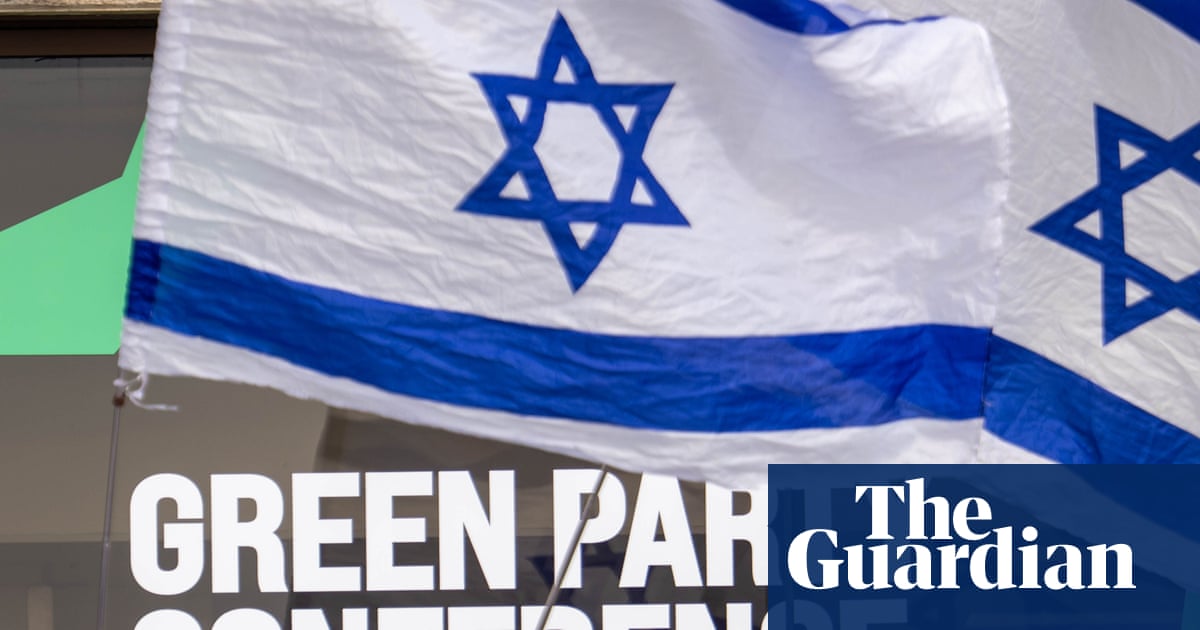
The Green Party in England and Wales adopted a controversial motion equating Zionism with racism at their annual conference in Brighton. The motion was passed by 1,022 votes to 813, defining Zionism as an ideology supporting "an ethnonationalist Jewish state" and calling for the establishment of a single Palestinian State with equal rights for all citizens.
Key Points
- Motion Details: The policy declares Zionism will be treated as racism within the party.
- Support and Opposition: While some members supported the motion, it faced significant opposition from former leaders like Caroline Lucas and Adrian Ramsay.
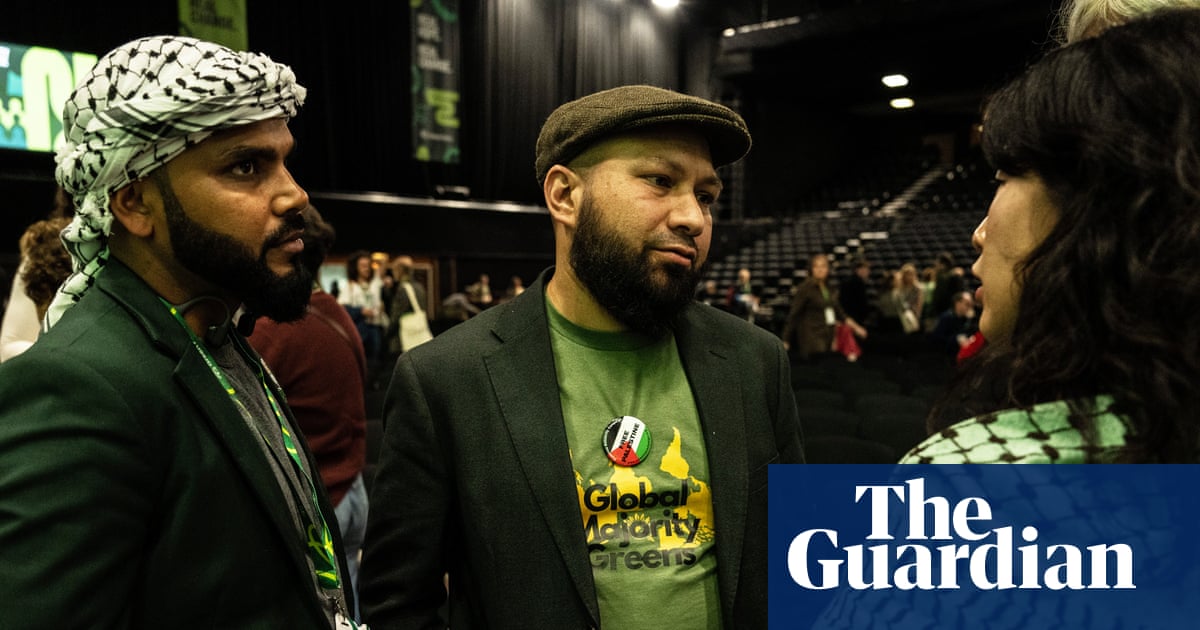
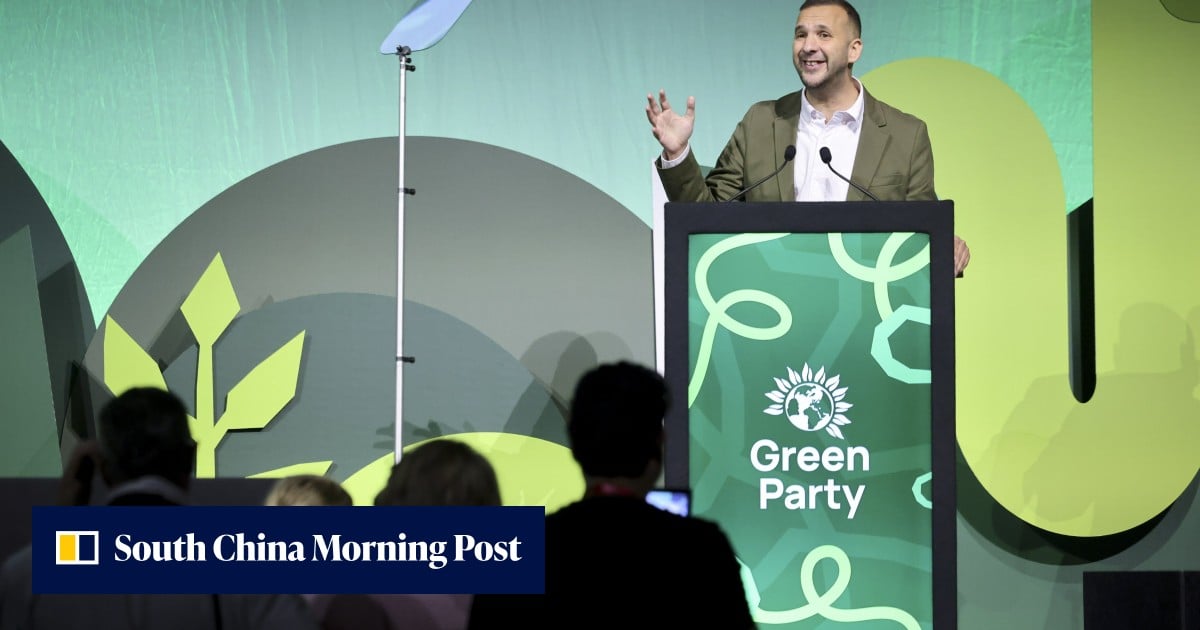
- Leadership Divide: Party leader Zack Polanski missed the vote to campaign in a by-election, while deputy leader Mothin Ali backed the proposal.
- Consequences: The policy could alienate Jewish party members who consider themselves Zionists or attend synagogues that do so. Jewish groups like the Board of Deputies and Jewish Leadership Council warned against its implications for antisemitism.
- Policy Implications: Despite these concerns, Green Party officials argue it reflects their commitment to human rights and opposition to racism in all forms.
Criticism
The motion has sparked intense debate within the party and among observers. Critics argue that labeling Zionism as inherently racist could be counterproductive to fostering a dialogue on Middle East issues and may alienate Jewish members of the Green Party and sympathizers.
Supporters, however, maintain it is necessary for addressing human rights violations and advocating for Palestinian statehood.
Outcome
While the policy has been adopted, its implementation remains contentious with ongoing debates about its potential impact on party unity and public perception. The Green Party leadership faces the challenge of balancing ideological purity with inclusivity and practical political goals.
Written for “Green Party Zionism Policy” on 2026-10-05,
grounded in this article and the 31 other(s) covering the same event.
The English and Welsh Greens are facing international ostracism after adopting a policy declaring Zionism as a form of racism, which has drawn dismay from the group representing European Greens.
asserted
which → face → Greens
The co-leader of the German Greens separately said the policy was “intolerable and unacceptable”, running contrary to its belief in the right of Israel to exist.
asserted
policy → say → Israel
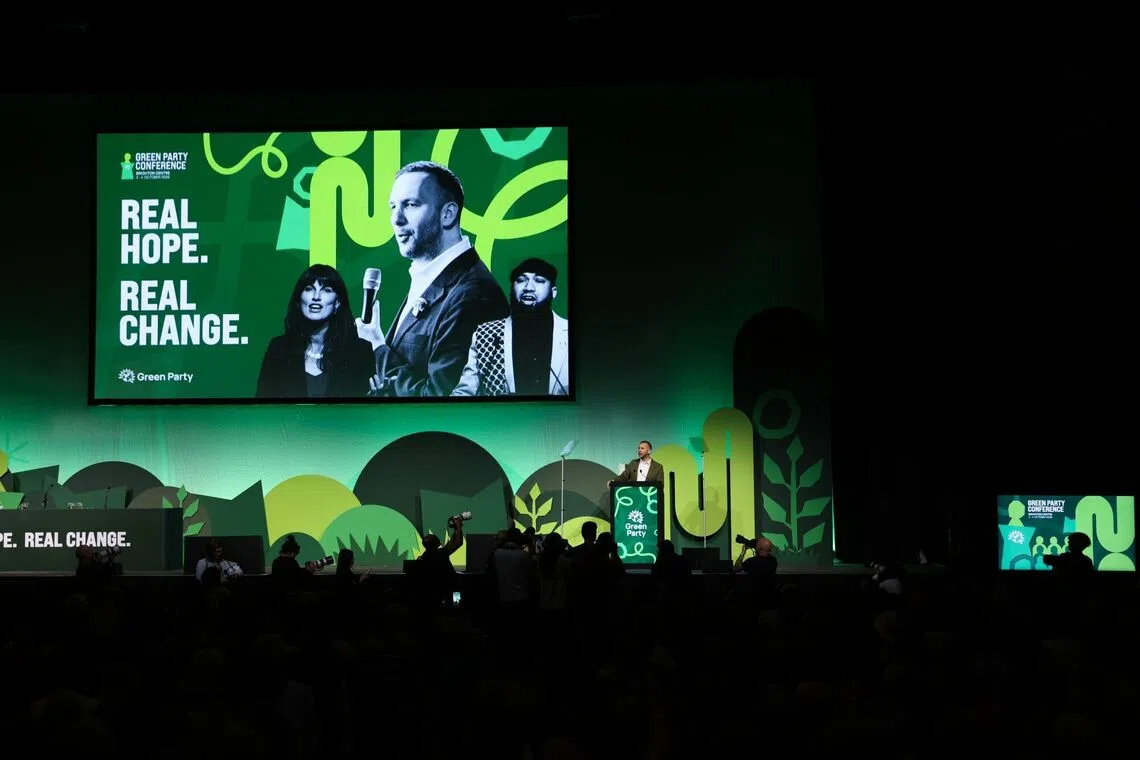
The binding policy motion passed in a vote at the Greens’ conference in Brighton on Sunday.
asserted
motion → bind → Sunday
Four of the party’s five MPs opposed it.
asserted
Four → oppose → it
The policy says Zionism, the movement for a Jewish state, should be “treated as any other form of racism”, and backs a single democratic Palestinian state across historic Palestine “with equal rights for all”.
asserted
Zionism → say → all
The European Green party, which represents 47 parties, including the Green party of England and Wales (GPEW), said it supported a two-state solution for Israel and Palestine, and the new motion went against this.
asserted
motion → represent → this
The alliance “will immediately demand clarity from the leadership and parliamentary group of GPEW, to understand the official party policy of GPEW, how they position themselves towards the self-determination of Israelis and Jews as well as the protection of Jewish people and members in the party”, it said in a statement.
asserted
it → demand → statement
Felix Banaszak, the leader of the German Greens, known formally as Alliance 90/the Greens, told a press conference the motion was “intolerable and unacceptable”.
asserted
motion → know → conference
“It runs counter to everything that Alliance 90/the Greens stands for in Germany, and it also runs counter to what the European Green party stands for,” he added.
asserted
he → run → what
Banaszak said: “There is a widely held view within the European Green party that Israel has a right to exist and that this right must not be undermined.”
asserted
right → say → right
His party would “approach our partner parties in Europe to clarify how to deal with this”.
asserted
party → approach → this
Sandy Ruthven, the chair of Amnesty International UK’s charitable trust and a longstanding Green member, resigned over the motion and accused the party of failing to confront antisemitism.
asserted
Ruthven → resign → antisemitism
The fallout from Sunday’s vote has also intensified a debate over whether the Greens’ highly decentralised policymaking structures remain suitable for a party whose membership has expanded rapidly.
asserted
membership → intensify → party
Policy is made at the party’s two annual conferences, which generally involve a small proportion of members.
asserted
which → make → members
The Zionism motion won just over 1,000 votes, approximately 0.4% of the total membership.
asserted
motion → win → membership
Ellie Chowns, a former co-leader, said the party’s governance and policymaking “urgently need to be modernised”.
asserted
governance → say → ?
“As a party we pride ourselves on our democratic member-led policymaking process, but I do think we need to ask ourselves some searching questions when less than 1% of our members actually participate,” Chowns, the Green MP for North Herefordshire, told the Guardian.
asserted
Chowns → pride → Guardian
“This is long overdue and has become even more urgent with the huge expansion of our membership.”
asserted
This → become → membership
Chowns said she understood the concerns of European Greens, which she shared, but stressed: “There is still much more that unites us than divides us.”
asserted
that → say → us
One source in the party said the criticism from European Greens, especially those in Germany, was understandable given their differing stances on Gaza and Israel.
asserted
criticism → say → Gaza
They said: “The German Greens support arming Israel, opposed a ceasefire to Israel’s onslaught on Gaza, backed the suspension of funding to Unrwa and co-sponsored a Bundestag resolution describing the arguments and methods of the peaceful, Palestinian-led BDS campaign as antisemitic.”
asserted
Greens → say → campaign
Any change to internal party structures would be hard to implement.
asserted
change → implement → structures
One Green insider said that to give MPs greater authority over members would undermine the party’s commitment to grassroots democracy.
asserted
give → say → democracy
However, they said the existing model could produce a lack of coherence and strategic direction, while giving a disproportionate influence to members with the most time to participate in policymaking.
uncertain
model → say → policymaking
They suggested members could determine broad strategic priorities, with smaller bodies developing detailed policy while remaining accountable to the membership.
uncertain
members → suggest → membership
Another senior Green defended the party’s model of direct democracy, arguing that allowing members to determine policy was fundamental to the party’s character.
asserted
members → defend → character
Daniel Schuster, the regional director of the Simon Wiesenthal Center’s European office, said: “The British Green party’s decision to formally classify Zionism as a form of racism is absurd, not based on any logical basis and is itself racist.
asserted
decision → say → basis
And timing, just days before the third anniversary of the 7 October terrorist Hamas attacks, is designed to inflict pain on a deeply solemn occasion.
asserted
timing → design → occasion
“Branding Zionism itself as racism crosses a profoundly consequential line.
asserted
Branding → brand → line
It takes a movement for Jewish national self-determination and transforms it into something for which Jews are expected to apologise.
asserted
Jews → take → which
The Green party of England and Wales was approached for comment.
asserted
party → approach → comment
 The Aporia