The Green Party of England and Wales has faced international condemnation following a conference vote declaring Zionism as racism, resulting in Israel's foreign ministry banning the party leader Zack Polanski from entering the country. This decision highlights internal tensions within the party between its membership, which adopted the controversial motion, and elected officials who largely opposed it. The article explores how this episode reveals changing dynamics in the Green Party, moving towards a more left-populist stance with a focus on anti-imperialist foreign policy, potentially leading to further public disputes over policy differences.
Written locally by qwen2.5:14b on 2026-10-05,
using this article's own text rather than the other coverage of the
same event (that is the story summary below).
- Published
It is not exactly typical for a British party conference, let alone that of one of the smaller parties, to elicit international condemnation.
asserted
conference → publish → condemnation
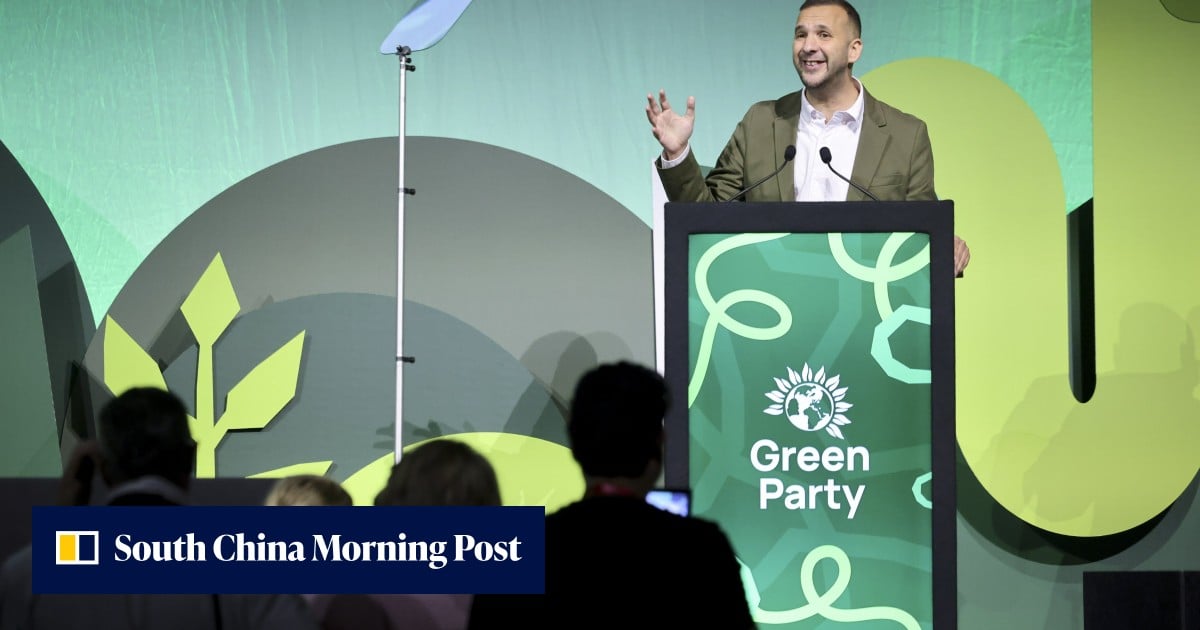
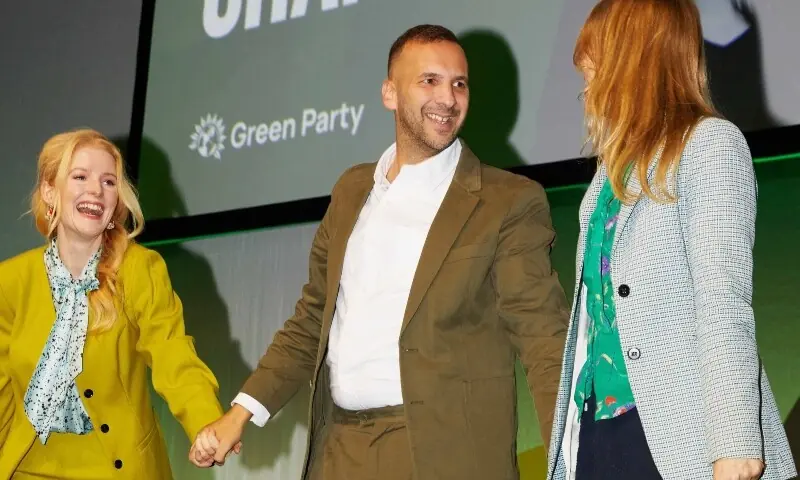
Yet that is the position the Green Party of England and Wales is in today after Israel's foreign ministry said it was banning their leader, Zack Polanski, from entering the country.
asserted
it → say → country
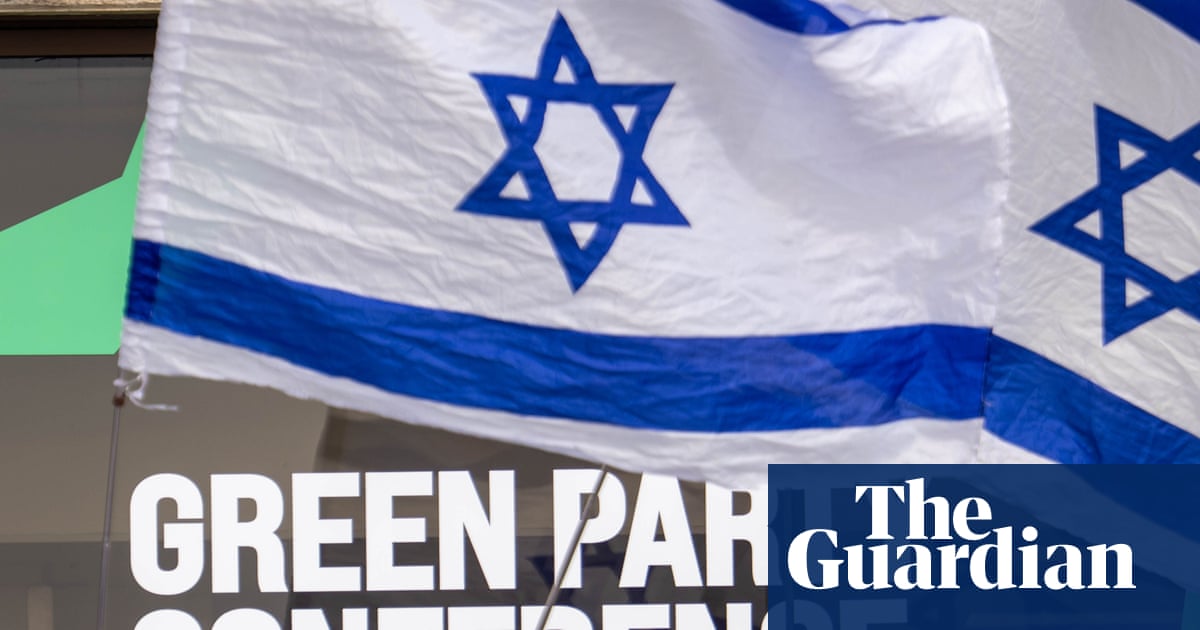
The cause was the motion proposed by party members and adopted by the conference on Sunday, declaring Zionism, which is the belief in the right to a Jewish homeland, to be racism.
asserted
which → propose → homeland
The Green motion describes Zionism as an ideology supporting "an ethnonationalist Jewish state", and supports instead a "single democratic Palestinian state in all of historic Palestine".
asserted
motion → describe → Palestine
It's hardly likely that Polanski or indeed many Greens are going to be much troubled by Israel's condemnation of the motion.
asserted
Polanski → go → motion
What may be more troubling for the Greens institutionally is what this episode reveals about some of the dynamics in the party.
uncertain
reveals → reveal → party
Many Greens are proud of the party's internal democracy: this motion was proposed by and voted on by party members.
asserted
motion → propose → members
Yet that has resulted in the scenario of leading Green elected politicians facing scrutiny over party policy which the vast majority of them opposed.
asserted
majority → result → them
Polanski, who is not an MP, wanted changes to the motion which were rejected by the conference, and ultimately did not participate in the debate or vote.
asserted
which → want → debate
Of the Greens' five MPs, four opposed the motion.
asserted
four → oppose → motion
The most vocal of them was Adrian Ramsay, the MP for Waveney Valley, who was a Green co-leader for four years until September last year when he and his running mate were defeated by Polanski by a vast margin.
asserted
he → defeat → margin
So an element of this is the changing nature of the Greens' activist base under Polanski's leadership, moving away from an environmental focus to a more general left-populist politics, incorporating a large element of 'anti-imperialist' foreign policy.
Yet this may not be the last issue where that results in a public dispute between the membership and their MPs, four of whom were elected at the last general election under different leadership.
uncertain
four → change → leadership
And it is striking that, though Polanski's election as leader was a clear symbol of that shift in the Greens' approach, he did not back this motion.
asserted
he → strike → motion
So this could presage tensions too between Polanski and the party membership, some of whom will have been inspired to join the Greens by his leadership.
uncertain
some → presage → leadership
In practical terms, the Green MPs will be able to continue espousing a different position in parliament to the party's new policy.
asserted
MPs → continue → policy
The Greens do not have a whipping system, meaning that MPs are free to vote as they wish.
asserted
they → have → system
This is also true of their councillors, including in the almost 40 councils where the Greens are in power after the May local elections.
uncertain
Greens → include → elections
It will be interesting to see whether as a result of these tensions there is a push either to constrain the ability of the party conference to make policy, or in the other direction - to constrain the ability of elected representatives to defy party policy.
asserted
It → see → policy
Separately, this motion may present a political headache down the line for Andy Burnham.
uncertain
motion → present → Burnham
In his Labour conference speech last week, the prime minister said he was forming a "national commission" on electoral reform, with a view to changing the system used for general elections in the long-term.
asserted
he → say → term
While Burnham did not specify what system he wanted, he said that Labour would at the next general election commit to a new system where "everyone's vote counts and everyone's voice is heard".
asserted
voice → specify → system
In the scenario of a hung parliament, the Greens are a party to which Labour would naturally look for support as part of the progressive bloc.
asserted
Labour → hang → bloc
And yet the Greens are also now a party whose actions this weekend have been condemned by the Labour chair, Bridget Phillipson, as "shameful" and "fundamentally wrong".
asserted
actions → condemn → chair
Angela Rayner, the communities secretary, said the Zionism motion "crosses a line and is rightly being condemned across the political spectrum."
asserted
motion → say → spectrum
Labour has long been divided on the question of electoral reform.
asserted
Labour → divide → reform
Their leader now has a clear position in favour but the Green motion this weekend could have the unintended effect of bolstering opposition within Labour to that element of the prime minister's agenda.
uncertain
motion → have → agenda
 The Aporia