That is 0 articles you have read today.
The Aporia is free and carries no advertising, so readers are the only
thing paying for it. If you are getting this much out of it, a small
donation is what keeps it independent.
Daily limit reached
You have read 0 articles today.
That is more than the 15 a day The Aporia gives away,
and well past what it can carry on nothing. Your allowance resets at
midnight.
There is no advertising here and nothing about you is sold, so readers
are the only thing paying for it. If the site is worth this much of
your day, it is worth a few dollars.
Everything else stays open: the
maps, the
directory and
search do
not count against this, and neither does re-opening something you have
already read today.
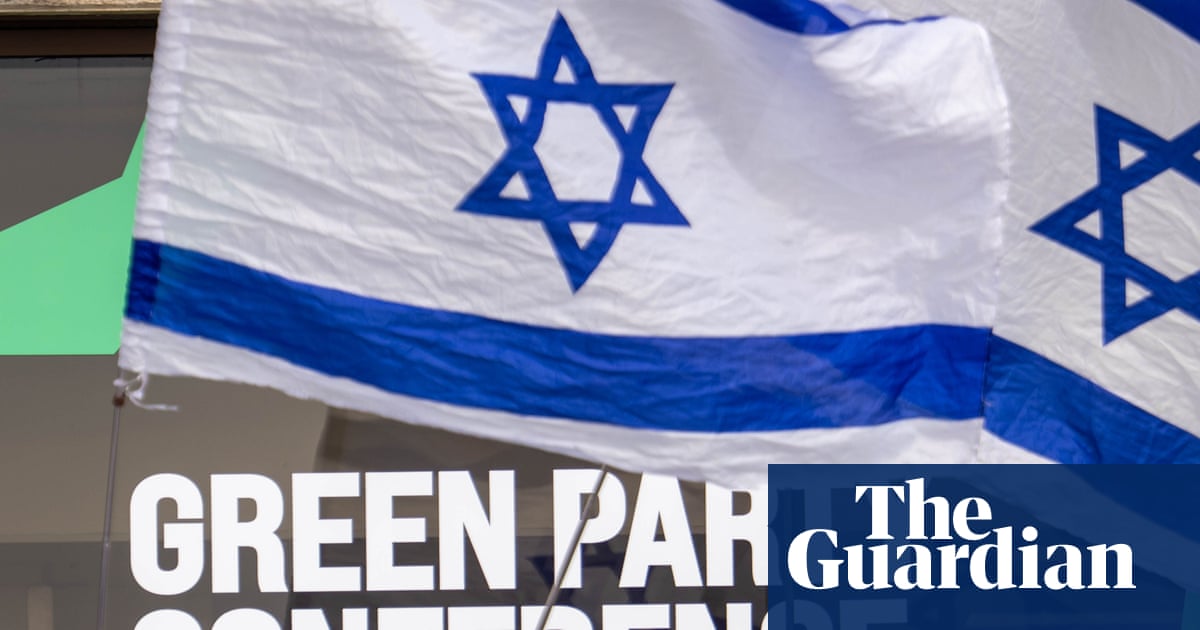
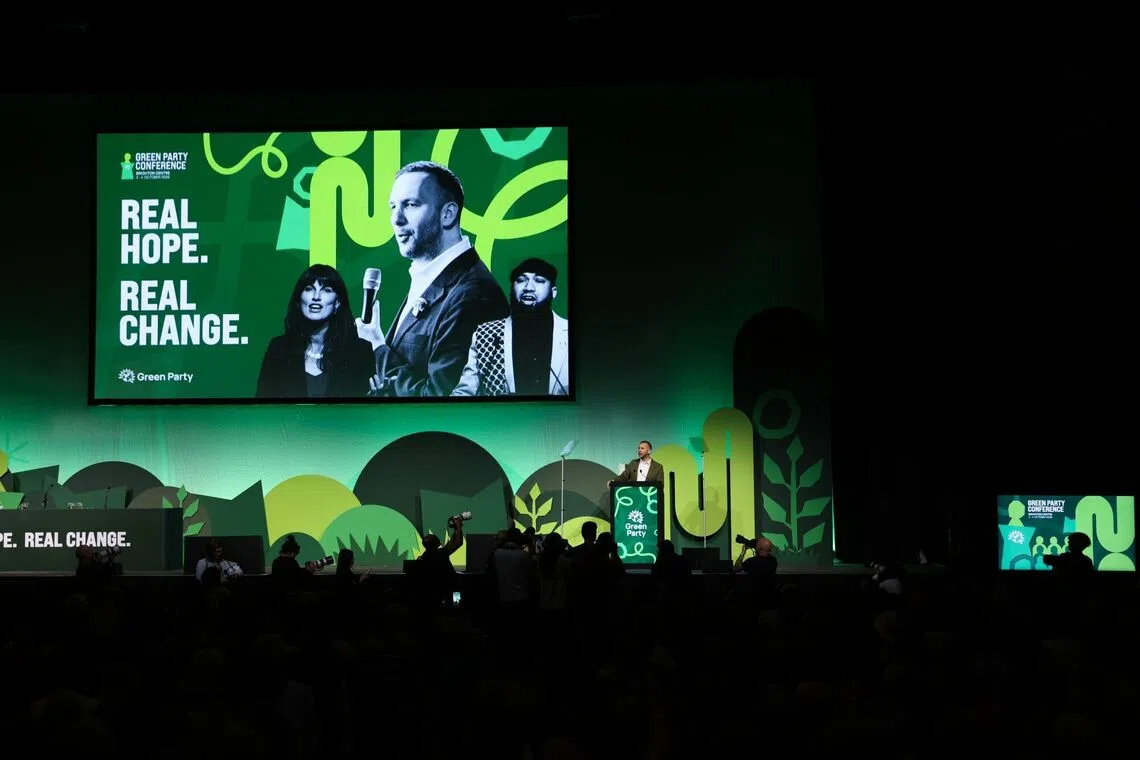
At the Green Party's annual conference in Brighton, members voted 56% to 44% to approve a motion brought by Greens 4 Palestine that defines Zionism as an ethnonationalist ideology and calls for a single state with equal rights for Palestinians and Jews, but also labels Zionism as racism. The move faced opposition from several senior party figures who warned it would alienate Jewish members and deepen internal divisions. Despite amendments to soften the language being rejected, the motion now becomes official Green Party policy under their rules, despite only 1,835 of over 200,000 members participating in the vote.
Written locally by qwen2.5:14b on 2026-10-04,
using this article's own text rather than the other coverage of the
same event (that is the story summary below).
Story summary
At the Green Party's annual conference in Brighton, members voted 1022 to 813 to adopt a motion equating Zionism with racism. The motion, pushed by Greens for Palestine, defines Zionism as an ideology supporting "an ethnonationalist Jewish State" and calls for a single democratic Palestinian state encompassing all of historic Palestine. Former party leaders like Caroline Lucas criticized the divisive nature of this policy, warning it could alienate Jews within the Green Party. Despite these concerns, current leader Zack Polanski skipped the vote to campaign in a by-election, while some Jewish organizations expressed alarm over what they see as an overtly anti-Semitic stance. The adopted motion also states that Zionism should be treated "as any other form of racism," raising further debate about its implications for Jewish members and the party's commitment to equality and human rights. Despite opposition from within, the policy now stands as formal Green Party doctrine in England and Wales.
Written for “Green Party Zionism Policy” on 2026-10-05,
grounded in this article and the 26 other(s) covering the same event.
Claims extracted
16
claim-shaped sentences
Uncertain
6%
1 of 16 hedged
Leaning
Leans left
of the writing, not the subject · beta estimate
Correction & hedging signals
67.0
corrections and hedging in what we collected;
not a measure of accuracy
Outlets on this story
27
Politics
Narrative spread
2
articles carrying this framing
Green Party members have voted to back a controversial motion on Zionism and the future of Palestine, despite opposition from several senior figures within the party.
asserted
members → vote → party
The motion, brought forward by the members' group Greens 4 Palestine, was approved at the party's annual conference in Brighton by 56 per cent of delegates, with 44 per cent voting against.
asserted
cent → bring → delegates
The motion defines Zionism as a political ideology advocating "an ethnonationalist Jewish State" and calls for the establishment of a single Palestinian state with equal rights for all citizens, including Jewish people.
However, the motion also states that Zionism should be “treated as any other form of racism”, which critics point out could include practicing Jews and members of synagogues across Britain - making it impossible for them to join the Greens.
uncertain
them → define → Greens
The proposal has already proven to be a cause of deep division within the party, as a number of high-profile Green politicians urged members to reject it before the vote.
asserted
number → prove → vote
Westminster leader Ellie Chowns made a last-minute intervention calling for the motion to be defeated, while former party leaders Sian Berry, Adrian Ramsay and Carla Denyer were also critical of the proposal.
asserted
Berry → make → proposal
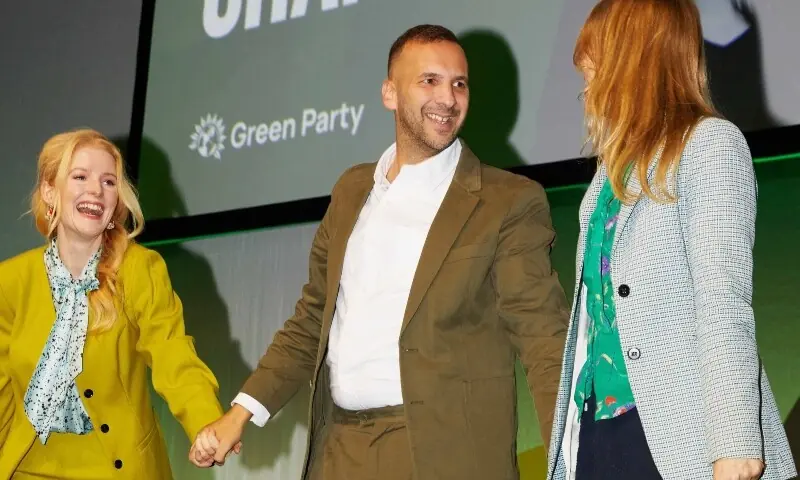
The party's deputy leaders were split, with Rachel Millward voting against the motion while fellow deputy leader Mothin Ali backed it.
asserted
Ali → split → it
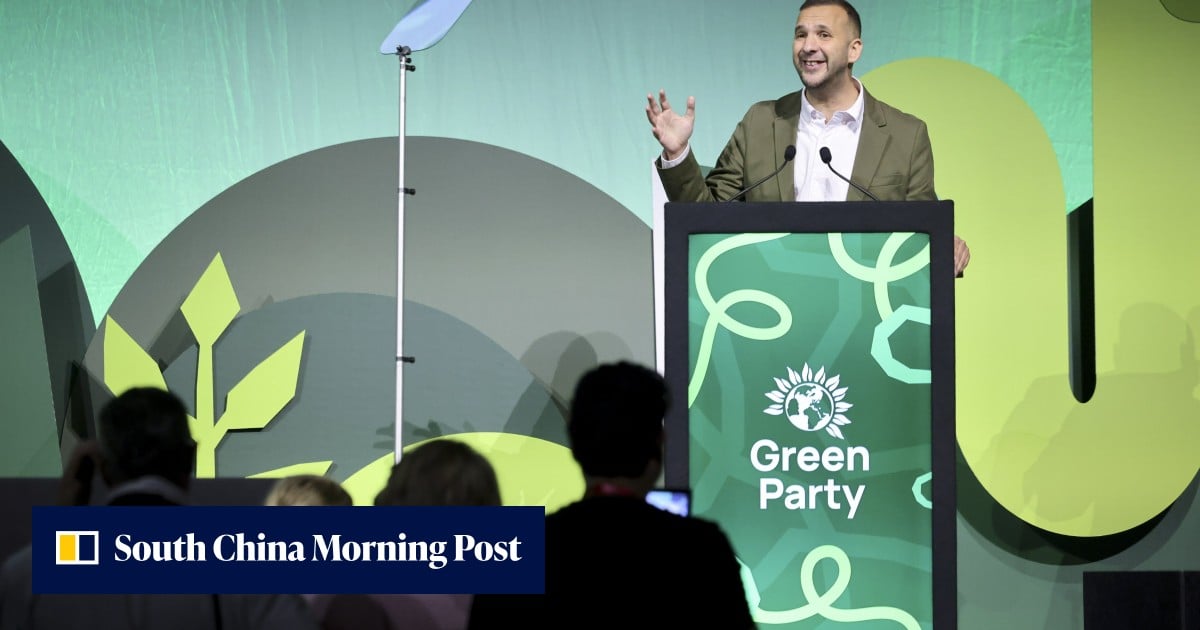
Green leader Zack Polanski did not vote on the motion itself, but supported amendments that would have softened some of its language and added protections for Jewish members who identify as Zionists.
asserted
who → vote → Zionists
Those amendments were rejected.
asserted
amendments → reject → ?
The motion was selected for debate after topping a ballot of issues submitted by party members for discussion at conference.
asserted
motion → select → conference
The Green Party's existing policy has supported either a one-state or two-state solution to the Israeli-Palestinian conflict if achieved through a democratic process.
asserted
policy → exist → process
The newly approved motion specifically calls for a single Palestinian state and does not advocate a two-state settlement.
asserted
motion → approve → settlement
Under Green Party rules, the decision means the motion will now form part of official party policy.
asserted
motion → mean → policy
In a statement following the vote, a party spokesperson said: "This has been a serious and deeply felt debate within our membership.
asserted
This → follow → membership
Our members value the ability to bring forward and decide party policy, and conference has now made its decision."
asserted
conference → value → decision
The spokesperson said the party remained committed to equality, justice and human rights, adding that the Greens continued to oppose racism "in all its forms".
asserted
Greens → say → forms
Only 1,835 members participated in the vote, despite the party having a membership of more than 200,000.
asserted
party → participate → 200,000
 The Aporia