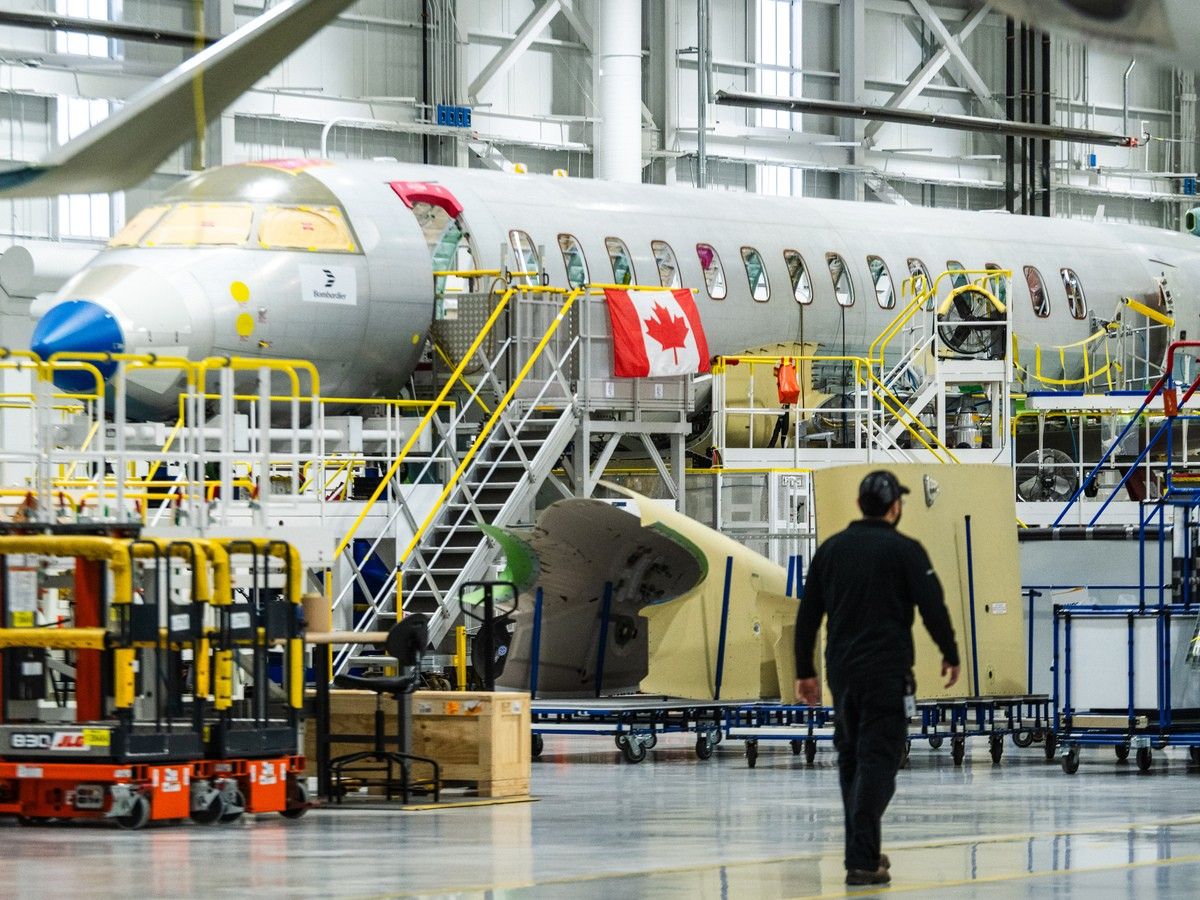
In the past week, the trade war saw new U.S. import restrictions on $1 billion in Canadian goods, fresh pain for Canadian steel workers, and more fiery rhetoric from the White House.
asserted
war → see → House
Last Monday, hundreds of Stelco workers in Ontario learned of looming layoffs and a plan to halt operations at the Hamilton Works plant.
asserted
hundreds → learn → plant
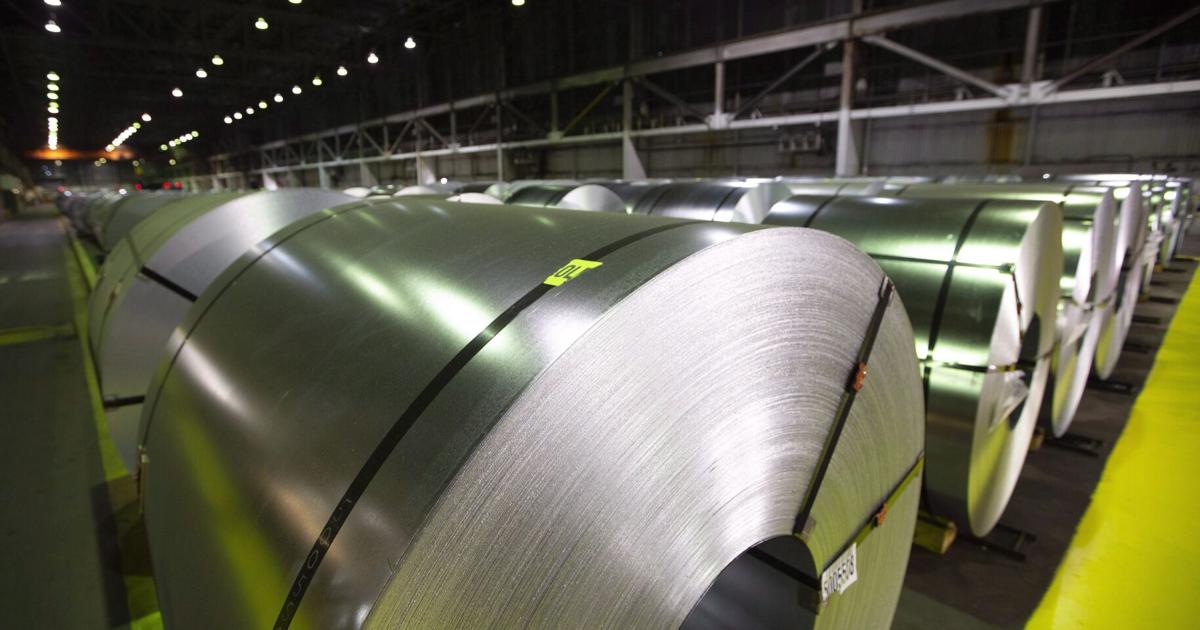
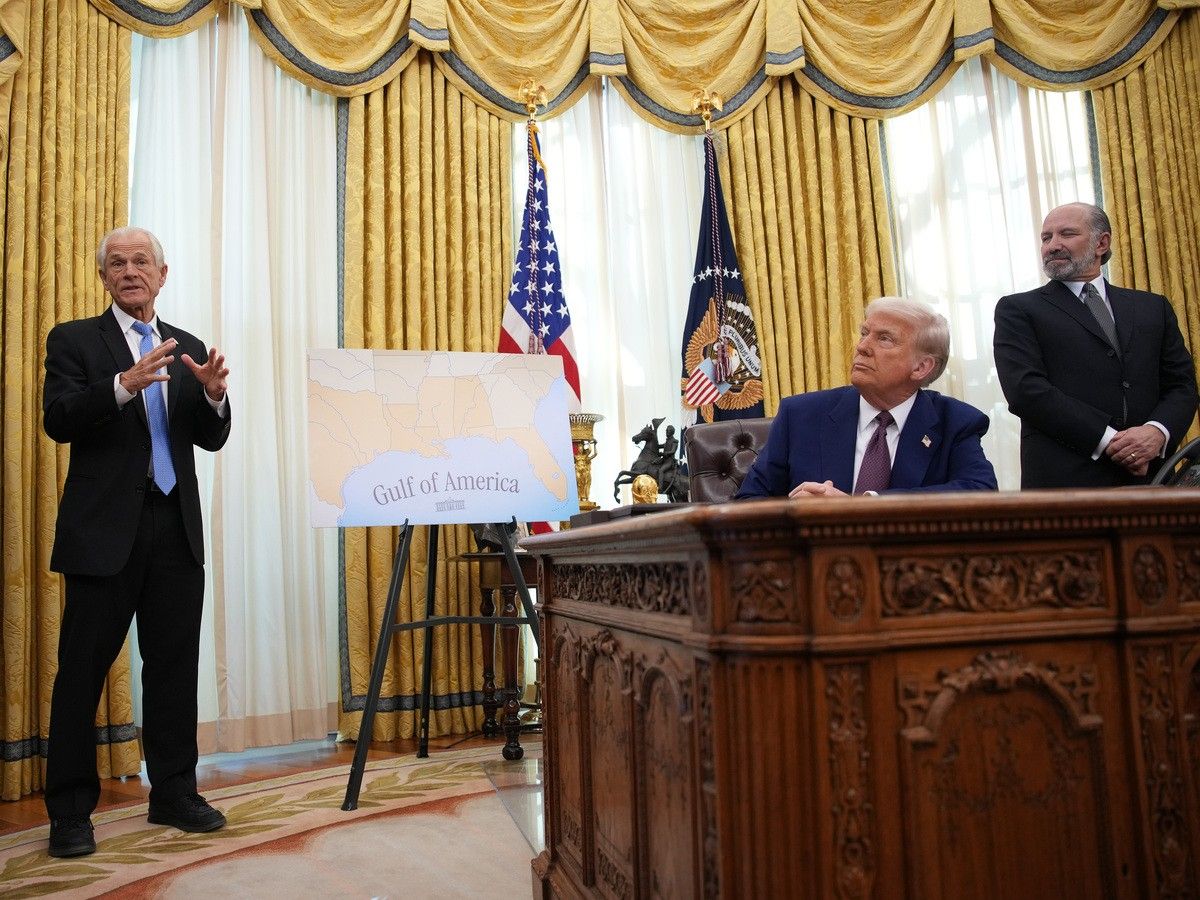
Meanwhile, President Donald Trump announced a massive, $15 billion mega-steel plant project for Iowa, touting hundreds of new jobs for the region.
asserted
Trump → announce → region
“These are your 232 tariffs, the steel tariffs, at work,” U.S. Commerce Secretary Howard Lutnick said during that announcement, referring to the Section 232 tariffs Washington has imposed to support U.S. steel.
asserted
Washington → say → steel
“Without those tariffs, this mine doesn’t get built, and this steel plant doesn’t get built.”
asserted
plant → build → tariffs
Prime Minister Mark Carney laughed off U.S. President Donald Trump’s comment that Canada would say “sorry” for its retaliatory tariffs, but as trade tensions heat up, industry leaders are finding the tariffs anything but funny.
asserted
tariffs → laugh → tariffs
That’s especially true in the heating, ventilation, air conditioning, and refrigeration (HVACR) field, where costs are rising just in time for the colder months.
asserted
costs → ’ → months
This has led to an unusual cross-border response by the HVACR industry, with Canadian and U.S. groups that represent contractors, distributors, and manufacturers working together to push Ottawa and Washington to preserve the tariff-free trade arrangement under the Canada-U.S.-Mexico Agreement (CUSMA).
asserted
that → lead → Agreement
They warn that duties on equipment and components are driving up costs, disrupting tightly integrated supply chains, and even pushing buyers to look for offshore suppliers.
asserted
duties → warn → suppliers
“In a few weeks, it’s going to get cold, and people are going to need to turn on their furnaces.
asserted
people → go → furnaces
Those furnaces that are old and need to be replaced are being tariffed,” said Victor Hyman, executive director of ClimateCare Canada, an HVAC contractor cooperative in Ontario.
asserted
Hyman → need → Ontario
“For the homeowner that needs to replace their furnace or heat pump or air conditioner this year, they’re going to pay a lot more than they would have pre-trade war,” he added, noting that a job that would’ve cost $5,000 two years ago is now $5,700 or $5,800.
asserted
that → need → 5,000
Because the Canadian and U.S. HVACR markets are so integrated, with some parts and appliances crossing the border multiple times during production, industry leaders in both countries are asking Washington and Ottawa to “prioritize a return to free, fair, and predictable trade,” according to the Heating, Refrigeration and Air Conditioning Institute (HRAI) of Canada.
uncertain
leaders → integrate → Canada
HRAI recently announced that it was “joining its American counterparts in calling for the preservation of the benefits of the Canada-United States-Mexico Agreement (CUSMA/USMCA),” according to a press release.
uncertain
it → announce → release
Its U.S. counterpart, Heating, Air-conditioning, and Refrigeration Distributors International (HARDI), alongside the Air Conditioning Contractors of America, the Air-Conditioning, Heating, and Refrigeration Institute, and the Plumbing-Heating-Cooling Contractors Association, wrote a similar message to U.S. Trade Representative Jamieson Greer in early September.
asserted
counterpart → write → September
They wrote to “express our strong support for the United States-Mexico-Canada Agreement (USMCA) and urge the Office of the United States Trade Representative to protect the agreement’s benefits to the heating, ventilation, air conditioning, refrigeration, and water heating (HVACR) industry.”
asserted
They → write → industry
Martin Luymes, VP of government and stakeholder relations at HRAI, which represents roughly 1,200 member companies nationwide, says the industry’s concerns are more urgent now that the tariff exposure has expanded.
asserted
exposure → represent → companies
In 2025, in response to the 232 tariffs, Canada responded with a retaliatory set of tariffs that impacted U.S.-origin gas furnaces coming north.
asserted
that → respond → furnaces
This led Canada’s industry to campaign for tariff relief, which was granted in June, Luymes explained.
asserted
Luymes → lead → June
But now, following the introduction of Washington’s Section 338 tariffs on hundreds of Canadian imports this August, Ottawa has imposed new retaliatory tariffs that are raising the prices on HVACR equipment and components being shipped into Canada — and now the impact is close to universal.
asserted
impact → follow → Canada
“Air conditioning products, heat pumps, and a variety of others are included, including refrigeration components, parts … and are all within scope of different levels of tariffs, anywhere from 15 to 25 to 50 per cent,” Luymes explained.
asserted
Luymes → include → tariffs
Tariffs increasing the cost of products that are very necessary — whether it is heating in winter, air conditioning in summer … have a dramatic impact on people’s lives
Because Canada imports more HVACR equipment from the U.S. than it exports, Luymes said Ottawa’s retaliatory tariffs are hitting Canada’s side harder than the original U.S. tariffs.
asserted
tariffs → increase → tariffs
“The impacts on the Canadian economy, in our sector at least, are greater — are more driven by the Canadian response than by the original U.S. tariffs,” he said.
asserted
he → drive → tariffs
That’s why Hyman and others want the retaliatory tariffs, at least on HVACR products, lifted.
asserted
tariffs → ’ → products
“As much as we would like to stand up to U.S. trade aggression, we shouldn’t do it despite ourselves,” Hyman said.
asserted
Hyman → like → ourselves
Without a policy change, he anticipates sticker shock for customers this winter.
asserted
he → anticipate → customers
“If your furnace dies this winter, you need to replace it this winter.
asserted
you → die → it
You can’t wait a couple of years to replace it,” he said.
asserted
he → wait → it
In the U.S., Alex Ayers, HARDI’s VP of government affairs, also sees the tariffs and price increases as unfair to consumers, especially given that heating and cooling are essential goods.
“Tariffs increasing the cost of products that are very necessary — whether it is heating in winter, air conditioning in summer … and then very specifically refrigeration … have a dramatic impact on people’s lives,” he said.
asserted
he → see → lives
A return to CUSMA free trade, meanwhile, would restore much-needed certainty the industry has been lacking, he said.
asserted
he → restore → certainty
“We as an industry view USMCA as successful.
asserted
We → view → USMCA
We want to continue to see it be successful,” Ayers said.
asserted
Ayers → want → ?
The goal of Trump’s tariffs was to foster more domestic manufacturing, but they have not succeeded in expanding U.S. domestic HVAC production, and the supply chain issues and higher costs have simply added more uncertainty.
asserted
issues → foster → uncertainty
Ayers noted that the fluctuating tariffs are wreaking havoc on operations.
asserted
tariffs → note → operations
“A product being manufactured anywhere in the world can take weeks to get to its final destination for a contractor to install it.
asserted
contractor → manufacture → it
So, when tariffs are constantly changing, it’s hard to say what the price of that product is going to be,” Ayers said.
asserted
Ayers → change → product
Tariff uncertainty and the higher costs for parts, plus the administrative costs companies have had to absorb to ensure they’re keeping up with the duties, are also beginning to change business behaviour, with some suppliers looking elsewhere for products so they can avoid the red tape and higher prices.
asserted
they → have → tape
Luymes and Hyman said this has HVACR suppliers already starting to turn toward offshore suppliers for heat production and supplies of other components.
Luymes said he knows of a member company, a large contractor who buys tens of thousands of units each year, that has already shifted suppliers.
asserted
that → say → suppliers
The owner, he said, told him, “‘I’m not buying anything from the United States any more.’”
asserted
I → say → States
That owner has since started sourcing his supplies from China instead, he said.
asserted
he → start → China
…and 4 more, not listed.
 The Aporia