Up to 900 tons of giant driftwood are removed from Seattle-area waterways each year by the
US Army Corps of Engineers, Seattle District.
asserted
tons → remove → Engineers
Much of the material does not end up as waste.
asserted
Much → end → waste
Instead, the Corps works with local organisations to give the recovered timber a second use in habitat restoration projects.
asserted
Corps → work → projects
The wood is collected during routine work to keep waterways safe for vessels, then used along damaged shorelines where it can help protect banks and provide valuable spaces for wildlife.
asserted
it → collect → wildlife
Up to 900 tons of driftwood are removed each year by Army Corps
The large pieces of wood are collected as part of an important but largely unseen job.
asserted
pieces → remove → job
The Seattle District’s Navigation Section removes objects and debris that could damage vessels or create risks to public health, recreation or the environment in publicly maintained commercial boat harbours.
uncertain
that → remove → harbours
According to the US Army Corps of Engineers Seattle District, the Motor Vessel Puget patrols inland waters of Puget Sound to collect debris and obstructions to navigation.
uncertain
Puget → accord → navigation
The crew also cuts large pieces of wood into more manageable sections before moving them onto barges for transport.
asserted
crew → cut → transport
The amount of timber recovered can be substantial.
asserted
amount → recover → timber
Stephen Green, a small craft operator with the Motor Vessel Puget, said the vessel can clear about 900 tons of large woody debris from a waterway during a high-flow year.
asserted
vessel → say → year
The Corps says much of the wood is old-growth timber that is dense and has been well preserved by the water.
asserted
that → say → water
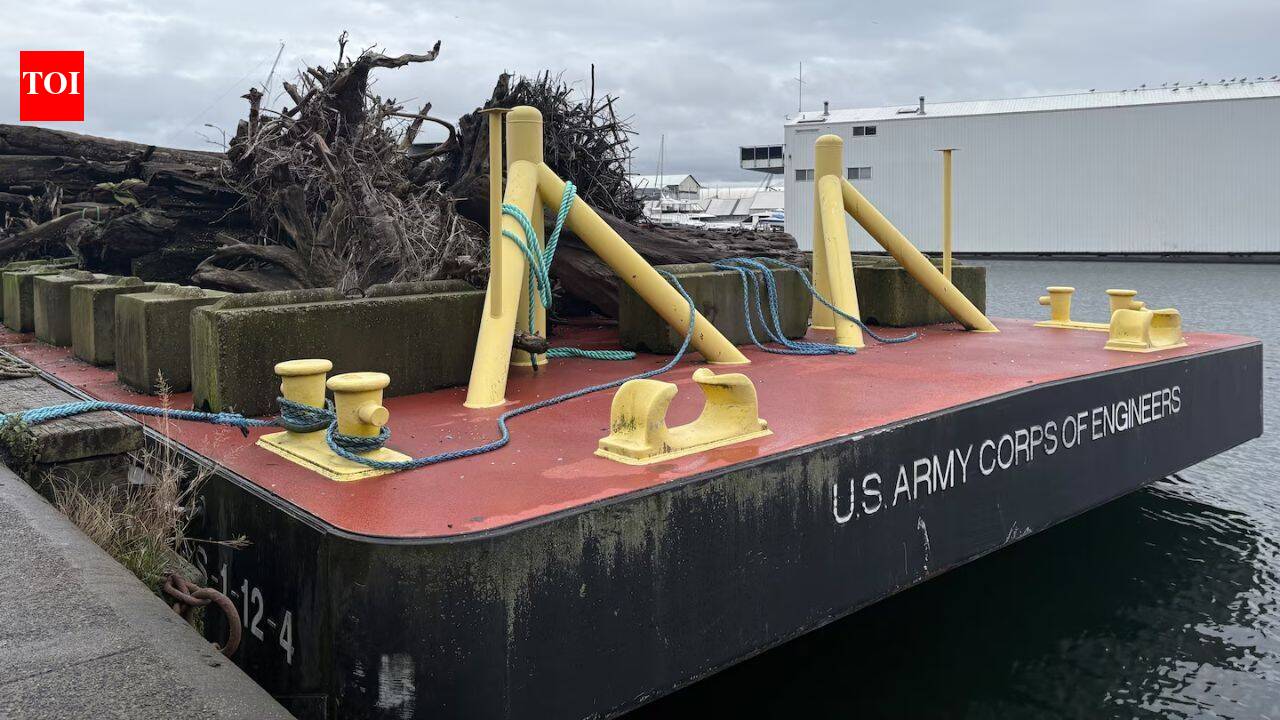
A US Army Corps of Engineers' barge, at Lake Washington Ship Canal and Hiram M. Chittenden Locks, Seattle, overflows with large woody debris, derelict objects, waterfront debris and other sources of drift, that may damage vessels or threaten public health, recreation or the environment at publicly maintained commercial boat harbors.
uncertain
that → overflow → harbors
Image Credit: US Army Corps of Engineers
How does the recovered wood find another purpose
asserted
wood → recover → purpose
The material does not simply disappear once it has been taken out of the water.
asserted
it → disappear → water
The Seattle District has developed partnerships with environmental and conservation organisations that can make use of the salvaged timber in restoration work.
asserted
that → develop → work
The Corps said it finds beneficial reuse for about 80% of the tonnage it collects.
asserted
it → say → tonnage
That means a large share of the wood removed for navigation and safety purposes can instead become part of projects designed to improve shorelines and aquatic environments.
asserted
share → mean → shorelines
The process involves collecting the large woody debris, reducing it to manageable pieces and placing it on barges near the Lake Washington Ship Canal and Hiram M. Chittenden Locks in Seattle.
asserted
process → involve → Seattle
From there, the material can be transported to restoration sites.
asserted
material → transport → sites
This approach gives the recovered timber a practical role after its original removal.
asserted
approach → give → removal
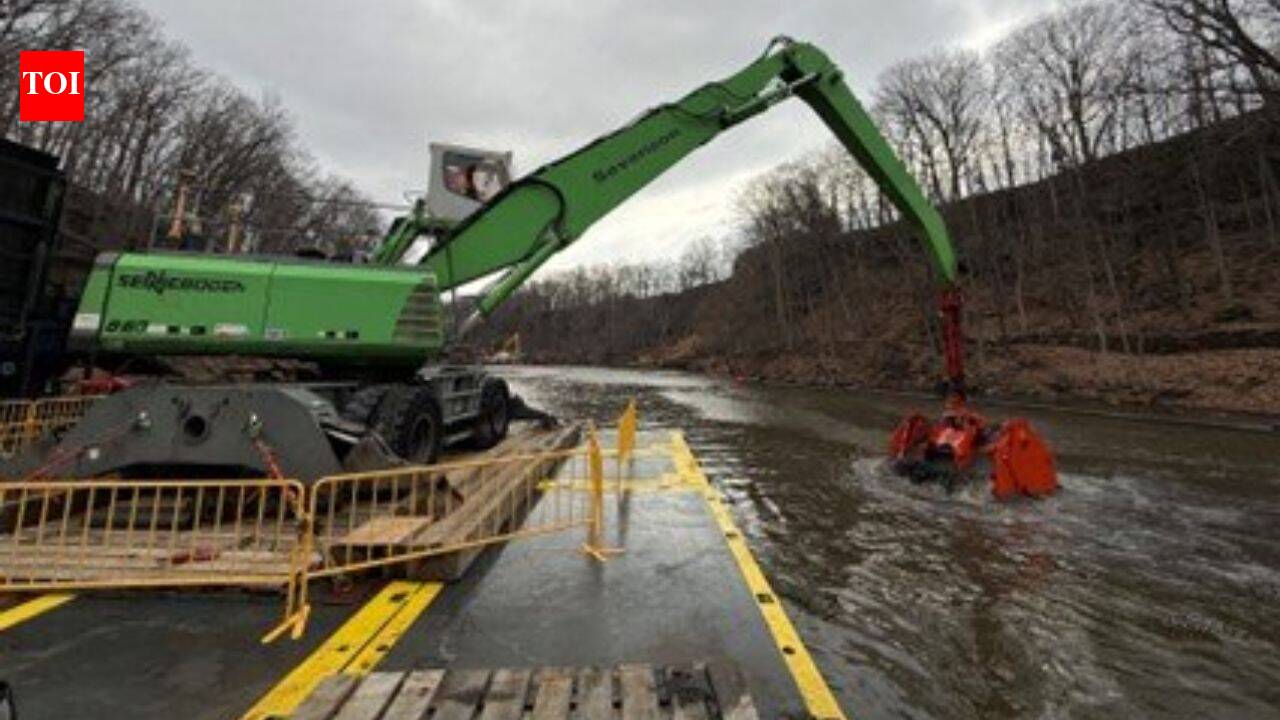
Motor Vessel (MV) Puget crew members stack recovered timber piles, for safe transportation to Lake Washington Ship Canal and Hiram M. Chittenden Locks, Seattle.
asserted
members → stack → Canal
The vessel patrols the inland waters of Puget Sound, collecting debris and obstructions to navigation.
asserted
vessel → patrol → navigation
Image Credit: US Army Corps of Engineers
The Port of Seattle uses the logs along damaged shorelines
One of the main partners is the Port of Seattle, which uses salvaged large woody debris in shoreline restoration projects around Elliott Bay and the Duwamish Waterway.
asserted
which → use → Bay
The logs are used to help stabilise eroding bank lines while also adding structure to areas where fish and wildlife can live.
asserted
fish → use → areas
Kathleen Hurley, senior environmental programme manager for Maritime Environment and Sustainability at the Port of Seattle, explained in the Corps article that the logs are installed to reproduce the role that large wood historically played when timber moved downstream and accumulated in estuarine areas.
asserted
timber → explain → areas
The resulting structures provide habitat while stabilising the shoreline.
asserted
structures → result → shoreline
The scale of that work has grown over time.
asserted
scale → grow → time
According to the US Army Corps of Engineers, the Port has used between 1,450 and 1,475 salvaged logs in 10 separate shoreline projects built since 2006.
uncertain
Port → accord → 2006
These include projects along the Duwamish Waterway as well as sites at Terminal 91 and Centennial Park.
asserted
These → include → Terminal
The Port has also used the large woody debris in 4 city projects and a number of community art projects, giving the recovered material uses beyond the original navigation work.
A rehabilitated shoreline section near Seattle, showing post-salvage environmental improvements and erosion control vegetation.
asserted
Port → use → improvements
What makes the old timber useful for habitat
The logs are particularly useful because of their size and durability.
asserted
logs → make → size
The Corps describes the recovered wood as dense and well preserved by its time in the water, characteristics that make it suitable for long-lasting restoration work.
asserted
it → describe → work
At restoration sites, the Port anchors the logs with stainless steel cable and duckbill anchors.
asserted
Port → anchor → cable
According to the Seattle District, this helps stabilise shorelines and creates planting zones where vegetation can become established.
uncertain
vegetation → accord → zones
The large pieces of wood add physical structure to the shoreline, creating more varied spaces within the aquatic environment.
asserted
pieces → add → environment
That gives fish and wildlife additional habitat while helping restored areas withstand the pressures affecting urban shorelines.
asserted
areas → give → shorelines
A partnership that began in 2006 continues to grow
The cooperation between the Seattle District and the Port of Seattle began in 2006 and has continued through numerous restoration projects.
asserted
cooperation → begin → projects
The January 2026 Army article describes the partnership as a way of connecting navigation work with environmental restoration, allowing the same material to serve two purposes.
asserted
material → describe → purposes
The Corps says the approach can reduce the need for disposal activities such as landfill use, fuel consumption and long-distance truck transport.
asserted
approach → say → use
It also allows vessel crews to spend less time dealing with disposal logistics and more time on their core navigation work.
asserted
crews → allow → work
…and 1 more, not listed.
 The Aporia