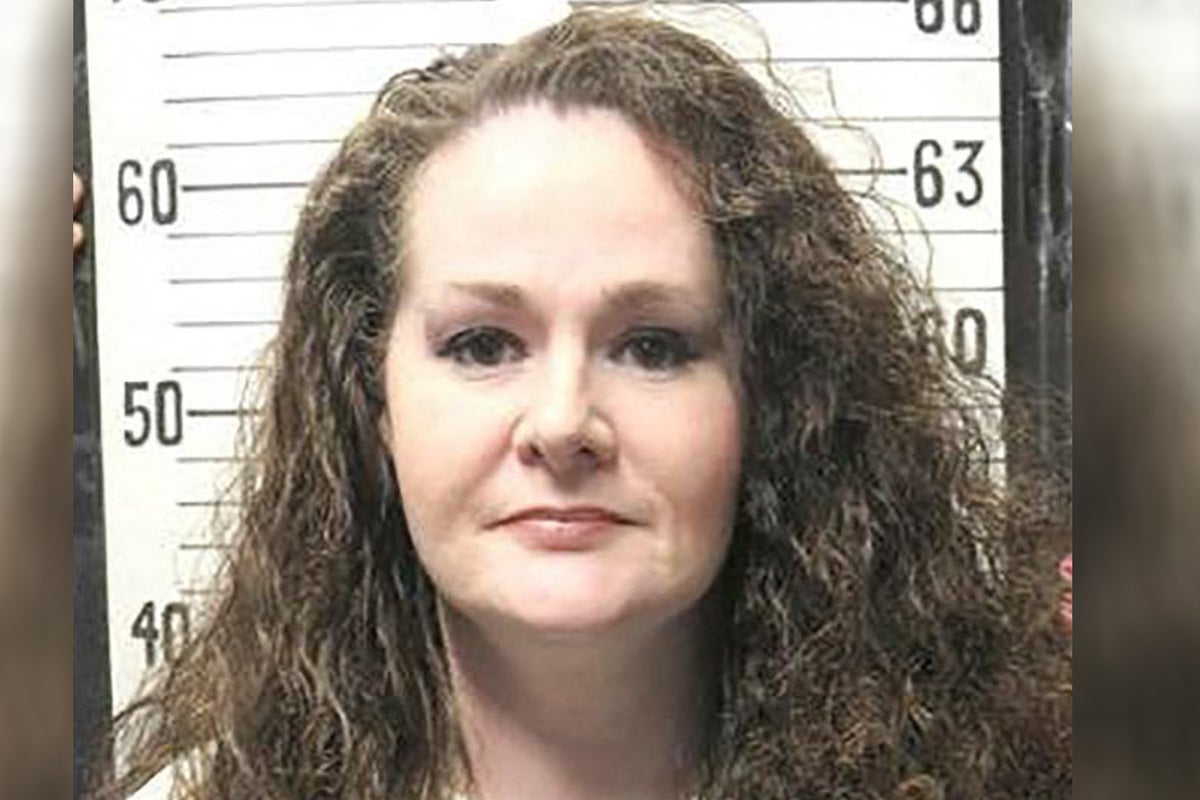
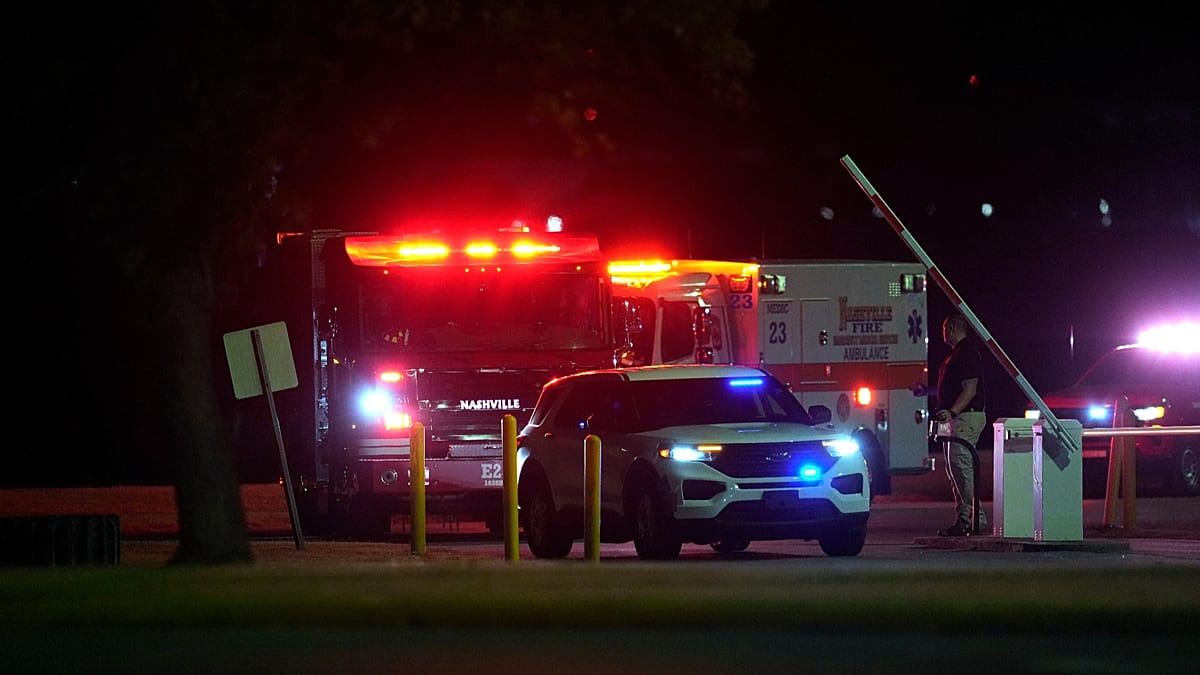
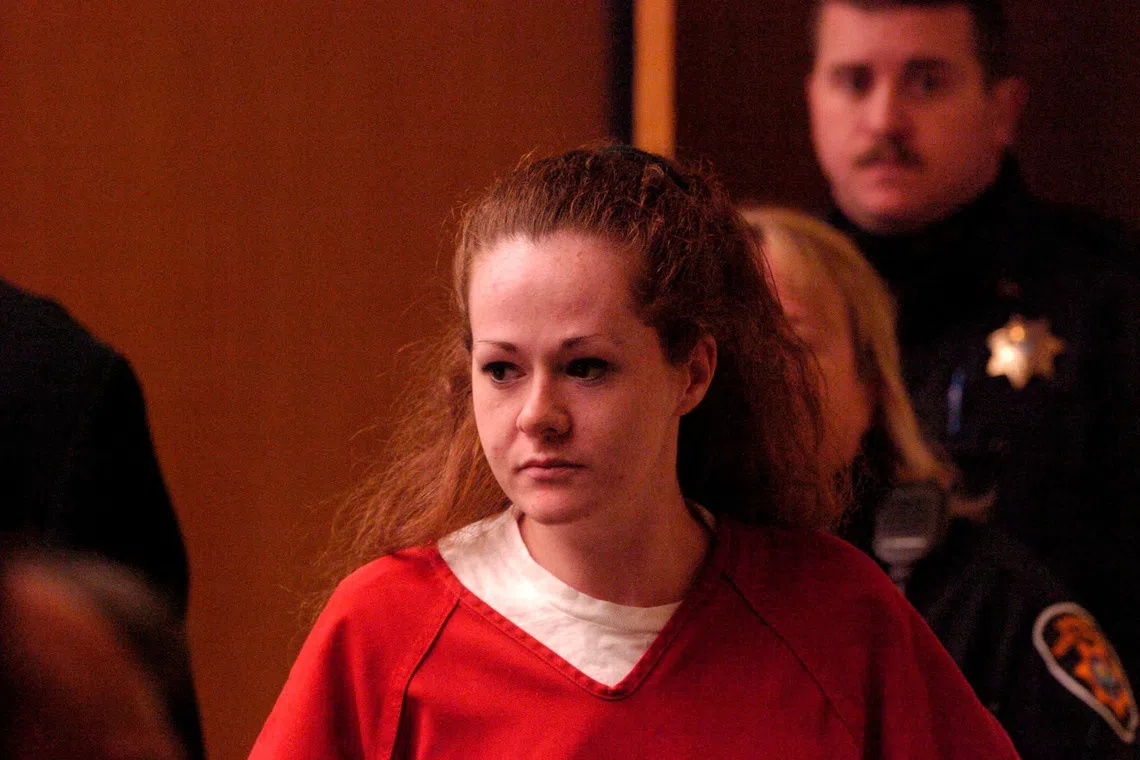
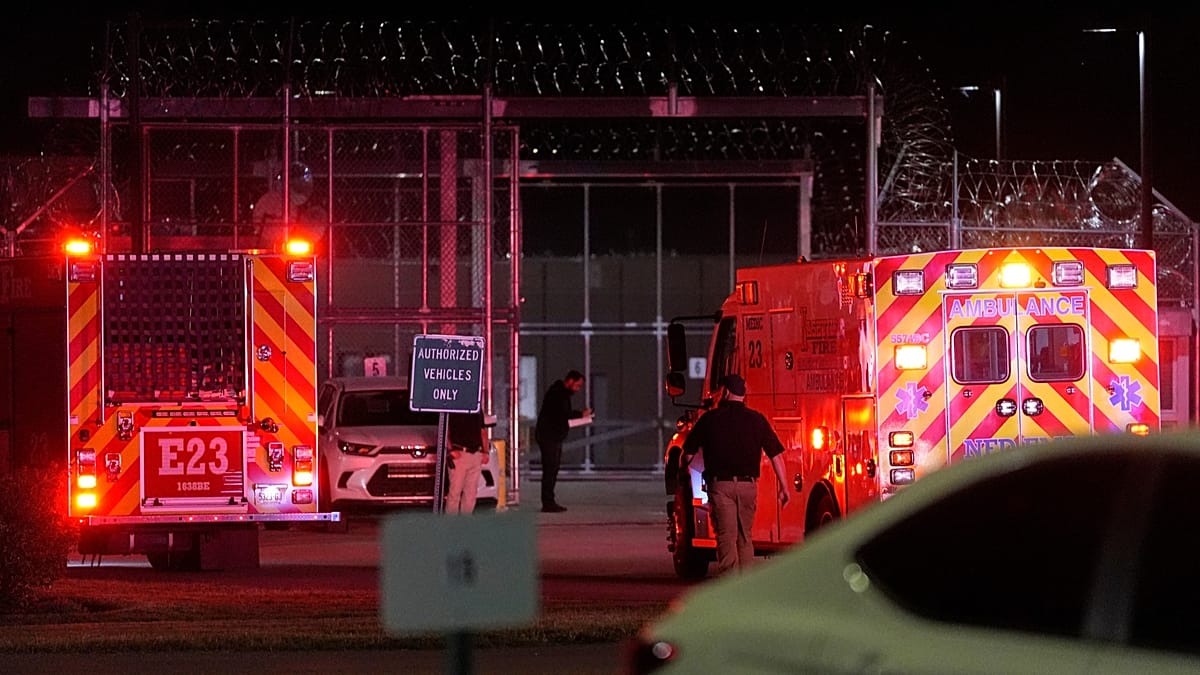
Christa Pike requested that the money allocated for her last meal before execution be used to buy pizza for homeless people in Nashville instead. Her botched execution on October 3 left her unconscious and on a ventilator, prompting Tennessee's second moratorium on executions in five years. Pike was originally scheduled to die by lethal injection but the process failed after an hour of attempts, despite state officials claiming adherence to protocol.
Written locally by qwen2.5:14b on 2026-10-03,
using this article's own text rather than the other coverage of the
same event (that is the story summary below).
Story summary
Christa Pike, 50, is set to be executed by lethal injection on Wednesday in Tennessee, marking the first time a woman will be put to death in the state in over 200 years. Pike was convicted of murdering Colleen Slemmer, her 19-year-old classmate at Knoxville Job Corps, in January 1995 when she herself was only 18. Prosecutors claimed Pike feared Slemmer as a romantic rival and tortured and killed her alongside her boyfriend.
Pike’s attorneys argue that the death penalty is inappropriate given Pike's troubled childhood of sexual abuse and neglect, which they claim would influence a modern jury to not sentence her to death. However, Tennessee Governor Bill Lee has denied Pike’s request for clemency, stating he will uphold the state's sentence.
Slemmer's mother supports the execution after waiting decades for justice. The case garnered significant public attention due to its brutality and because of satanic symbols carved into Slemmer's body. As of now, only 18 women have been executed in the U.S. since the 1970s compared to 1,663 men. Pike’s legal team is still seeking a last-minute reprieve from the Supreme Court due to her PTSD and concerns over psychological trauma during execution.
Written for “Tennessee Woman Execution” on 2026-10-04,
grounded in this article and the 133 other(s) covering the same event.
Just before the state of Tennessee botched her execution and left her unconscious and on a ventilator, it offered Christa Pike a last meal.
asserted
it → botch → meal
She turned it down, asking instead that the money that was to be spent on her be used to buy pizza for homeless people in downtown Nashville, according to The New York Times.
uncertain
that → turn → Times
Pike was to be executed on Wednesday at 10 a.m.
asserted
Pike → execute → a.m.
By the end of the day, she would survive two lethal injection attempts, end up in the hospital, and force Tennessee to enact its second moratorium on executions in the last five years, according to the paper.
uncertain
she → survive → paper
Pike, as of Oct. 3, was unconscious, intubated, and on a ventilator at a Nashville-area hospital following the failed execution.
asserted
Pike → intubate → execution
She had been convicted and sentenced to death for torturing and murdering her classmate, Colleen Slemmer, when she was 18 years old.
asserted
she → convict → classmate
Pike has admitted that she was without remorse when she was convicted, but has grown over the years to regret the life she took.
asserted
she → admit → life
Her defense team argued during the trial that Pike was a victim of extreme trauma and sexual abuse, and that the weight of those factors on her actions was not considered during her trial and sentencing.
asserted
weight → argue → trial
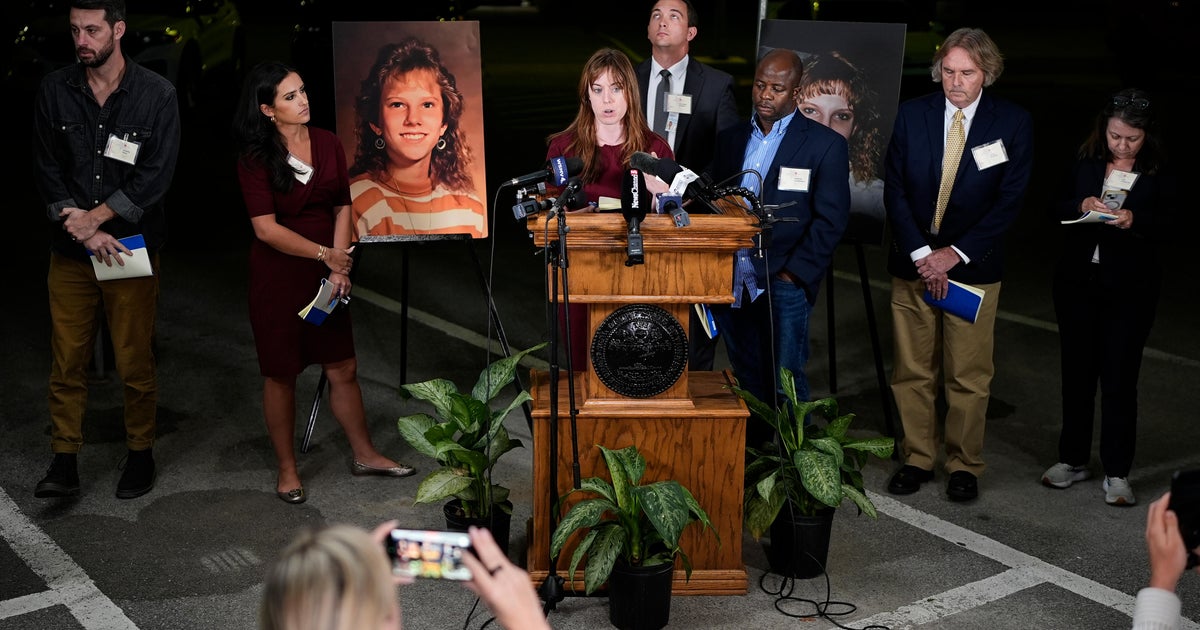
The family of the victim told the NYT that Pike deserves “swift justice.”
asserted
Pike → tell → justice
Pike received a short-lived stay of execution just 90 minutes before she was scheduled to die on Wednesday.
asserted
she → receive → Wednesday
A federal appeals court issued the stay, saying it needed more time to consider new arguments in her case.
asserted
it → issue → case
Later, just after 5:45 p.m., the U.S. Supreme Court lifted the stay, clearing the path for the execution.
asserted
Court → lift → execution
The Department of Corrections has insisted it followed its lethal injection procedures to the letter.
asserted
it → insist → letter
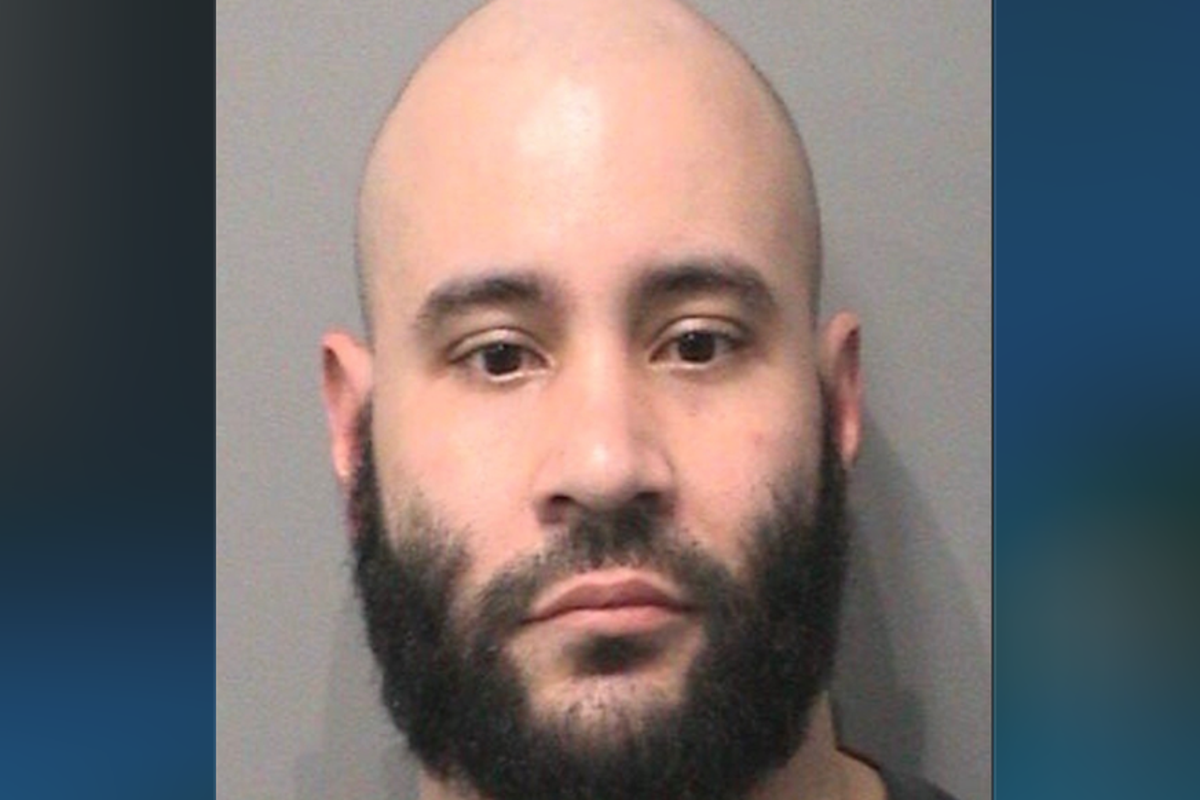
Randy Spivey, Pike's attorney, claims otherwise.
uncertain
Spivey → claim → ?
He told the NYT that state protocol says the process should take 10 minutes, but it instead took an hour.
asserted
it → tell → hour
“I counted at least seven needles used in her left arm alone, one of which appeared to be bent when it was pulled from her arm after an unsuccessful attempt,” he said.
asserted
he → count → attempt
He told the paper that the legal team had warned the state that a lethal injection was a bad idea, noting that Pike has small veins and a blood disorder.
asserted
Pike → tell → veins
Spivey said Pike was even trying to help the executioner find viable injection spots.
asserted
executioner → say → spots
“Over and over again she said, ‘Please try up on my shoulder higher, please try here, please try here,’” Spivey told the paper.
asserted
Spivey → try → paper
The state ultimately failed to execute Pike and instead left her unconscious and critically ill.
asserted
state → fail → her
Gubernatorial front-runner Sen. Marsha Blackburn said, if elected, she would try again to execute Pike, according to the NYT.
uncertain
she → say → NYT
Whether the state can try again may be determined by the state of Pike’s mind when — or if — she recovers.
uncertain
she → try → mind
The Supreme Court has previously ruled that a prisoner sentenced to die must have the cognitive abilities to possess a “rational understanding” of why they’re being executed.
asserted
they → rule → understanding
Pike’s lawyers have asked Gov. Bill Lee to allow her to live out the rest of her life in prison.
asserted
her → ask → prison
He has ordered an investigation to determine what went wrong during the execution.
asserted
what → order → execution
 The Aporia