While Prime Minister Mark Carney has been clear about where he stands on Alberta independence, his government’s position on nine other Alberta referendum questions aimed at reshaping immigration and expanding provincial powers is far less so.
asserted
position → stand → powers
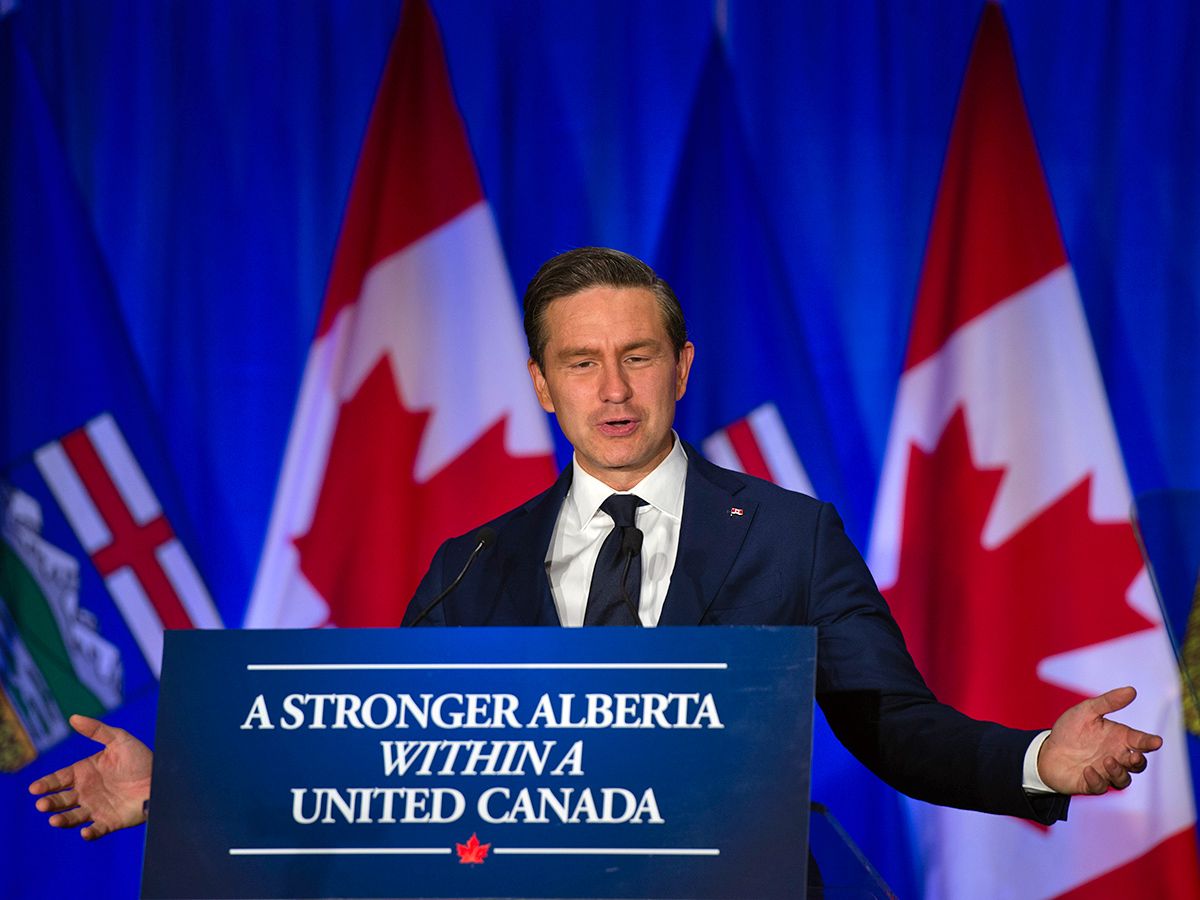
Now, some federalist groups campaigning for Albertans to remain in Canada on Oct. 19 are calling on leaders, including Carney, to speak up against the proposals.
asserted
Albertans → campaign → proposals
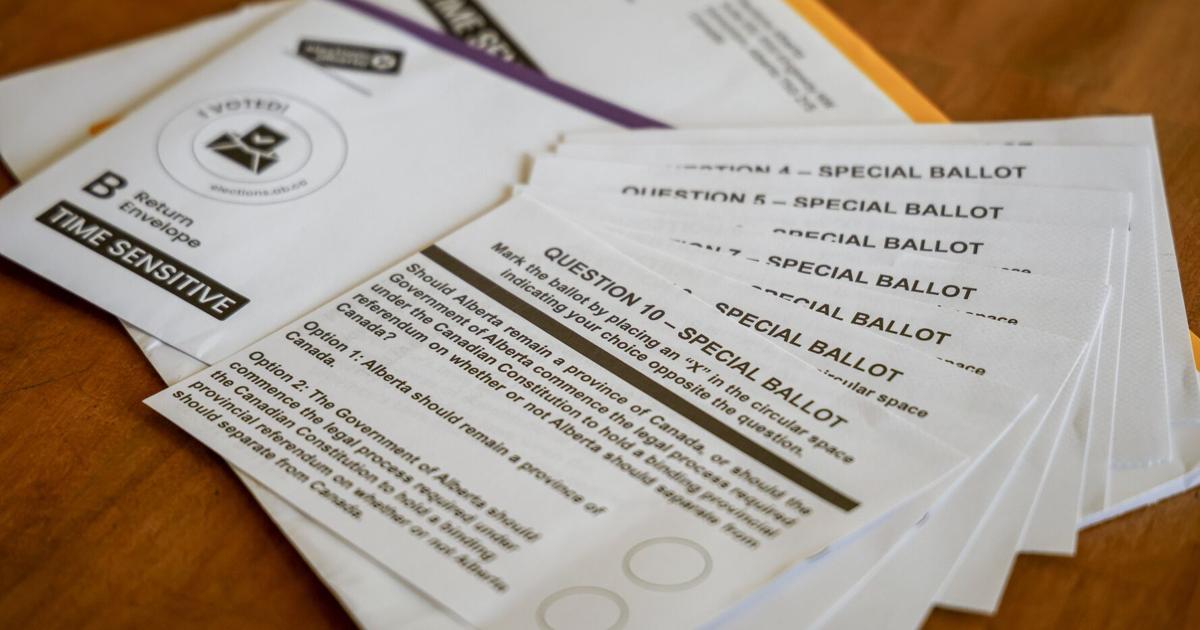
Those nine questions formed the initial referendum package advanced by Alberta Premier Danielle Smith’s United Conservative Party before it added a controversial 10th question on independence, following a court decision quashing a separatist-backed petition seeking a vote on secession.
asserted
it → form → secession
Four of the nine questions revolve around Alberta seeking a mandate to work with other provinces to reopen the Constitution in hopes of gaining the power to appoint its own federal court judges and opt out of federal government programs without losing funding.
asserted
Alberta → revolve → funding
The five others ask about the province exerting more control over immigration.
asserted
province → ask → immigration
Critics say the constitutional proposals sow division and advance an agenda that seeks to pull Alberta further away from the federation, while the immigration measures risk creating tiered access to health care, education and social services for newcomers, heightening calls for Carney and other federal leaders to weigh in.
asserted
Carney → say → calls
“The 10th question, should we stay or should we go, is actually about Alberta and what Albertans think.
asserted
Albertans → stay → what
The other nine questions are a stick in the eye to the government of Canada,” said Stephen Carter, one of the founders of Alberta’s Voice, a registered third-party advertiser on the stay side.
asserted
Carter → say → side
“The government of Canada needs to stand up and say, ‘These are not good ideas.
asserted
These → need → Canada
On immigration, one referendum questions asks: “Do you support the Government of Alberta taking increased control over immigration for the purposes of decreasing immigration to more sustainable levels, prioritizing economic migration and giving Albertans first priority on new employment opportunities?”
asserted
Government → ask → opportunities
Another asks whether residents support Alberta “introducing a law mandating that only Canadian citizens, permanent residents and individuals with an Alberta approved immigration status” be eligible to receive “provincially funded programs, such as health care, education and other social services.”
asserted
citizens → ask → care
The other three ask whether residents support requiring those with “non-permanent legal immigration status” to live in Alberta for at least 12 months before becoming eligible for “provincially funded social support programs,” charging “a reasonable fee or premium” for health and education services, and requiring proof of citizenship to vote in provincial elections.
asserted
residents → ask → elections
Smith’s government has launched an estimated $4-million advertising campaign urging residents to vote “yes” on the nine questions, as the premier argues greater provincial sovereignty is an antidote to Alberta’s grievances and an alternative to separation.
asserted
sovereignty → launch → separation
It argues that Alberta is bearing the brunt of federal immigration policies that have led to the inflow of thousands of temporary residents, putting a strain on services.
asserted
that → argue → services
For Avnish Nanda, an Edmonton-based lawyer and spokesman for Our Alberta Advantage, an initiative of the Alberta Advantage Immigrant Support Society, putting immigration on the ballot has sparked “shock, fear and confusion” among newcomer and immigrant groups.
asserted
putting → base → groups
“It’s going to legitimatize and condone discriminatory treatment,” Nanda told the Star.
asserted
Nanda → go → Star
He suggests federalist groups and the provincial NDP could find themselves with a “hollow victory” if the separatist question is defeated but the immigration questions pass.
uncertain
questions → suggest → victory
He says Carney and members of his cabinet ought to “make the case” about the economic need for immigration to support the labour force.
asserted
immigration → say → force
Public Interest Alberta, another third-party group campaigning against the nine other questions, has called on more leaders to speak out against them, arguing that with many residents still undecided, the time to do so is now.
asserted
time → campaign → them
The Angus Reid Institute recently released a report suggesting support for the nine reforms ranges between 48 and 62 per cent depending on the question, with many respondents reporting some confusion over the wording.
asserted
respondents → release → wording
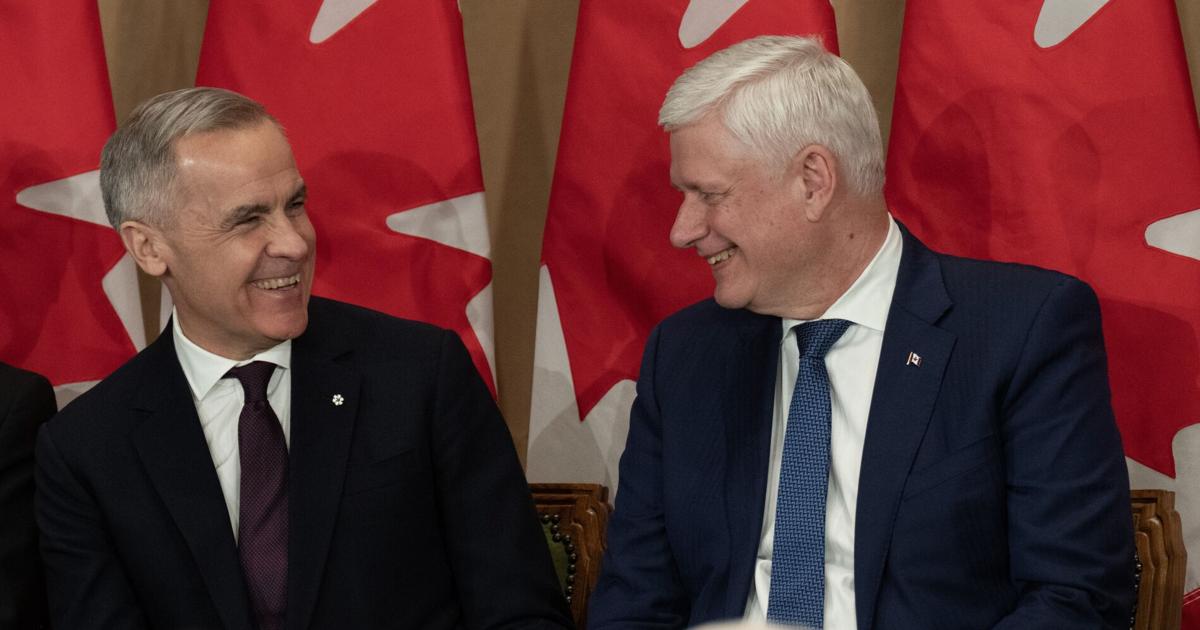
Despite independence being on the ballot, the Ottawa-Alberta relationship has warmed significantly since Carney and Smith hit a reset after a tumultuous decade under prime minister Justin Trudeau, whose energy policies led to a backlash that inflamed the province’s long-standing sense of Western alienation.
asserted
that → warm → alienation
The centrepiece of that new relationship is a pact to construct a new oil pipeline to the West Coast, aided by major regulatory reforms and taxpayer funding from Ottawa.
asserted
centrepiece → construct → Ottawa
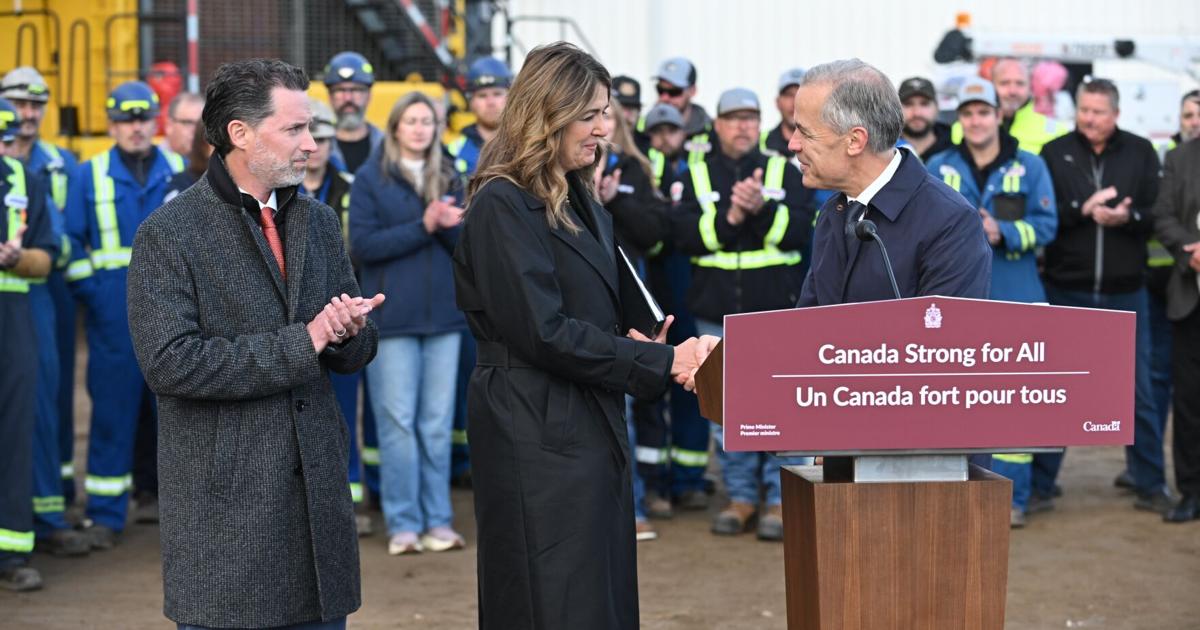
“Canada is working,” Carney said this week as he announced that pipeline would be the first project to be fast-tracked under new federal government powers.
asserted
pipeline → work → powers
Smith also touted the deal as an example of “co-operative federalism,” while acknowledging there remains outstanding issues in the relationship to work out.
asserted
Smith → tout → relationship
Sofia Ouslis, a spokeswoman for the Prime Minister’s Office, said in a statement that Carney “has been very clear that Canada and Alberta are stronger together and that the risks from this referendum are real.”
asserted
risks → say → referendum
“Albertans are leading the fight for a united Canada through the many campaigns and tens of thousands of volunteers mobilizing across the province. The federal government is a genuine partner in this work to show that Canada works for every part of this country,” said Ouslis.
asserted
Ouslis → lead → country
“Our government has taken action since being elected to restore sustainability to Canada’s immigration system.”
asserted
government → take → system
The statement added that long-standing mechanisms exist should any one province or territory want to reopen the Constitution, with amendments requiring the support of at least seven provinces representing half of the country’s population, the House of Commons and Senate.
“Our priorities are those of Albertans and Canadians — building a stronger, more independent, economy and Albertans are seeing results,” Ouslis wrote.
asserted
Ouslis → add → results
Corey Hogan, the Liberal MP for Calgary Confederation and parliamentary secretary for energy and natural resources, told the Star that when it comes to the nine questions, “there’s no official position of the government of Canada” and that they are ones which Albertans must wrestle with.
asserted
Albertans → tell → which
He pointed to Alberta’s history of holding referendums, including during the tenure of Jason Kenney, who advanced questions on equalization and daylight saving time.
asserted
who → point → equalization
Within the province, Hogan said, there is a “hyper-fixation” on the independence question.
asserted
Hogan → say → question
He also suggested it would be wise for people to focus on what has clearly become the “main thing.”
uncertain
what → suggest → ?
“The federal government obviously has an interest in the future of the federal government,” he said.
asserted
he → have → government
“I’m not sure that it would be appropriate, even, for the federal government just to wade in on every single one of those nine questions.
asserted
government → ’m → questions
Nevertheless, Hogan, who recently voted by mail, said he voted “no to the nine.”
asserted
he → vote → nine
“I do not think we want to send a signal that you can get what you want as provincial government by playing with the future of this country.”
asserted
you → think → country
For Marci Surkes, a former Liberal staffer who joined Trudeau’s office after the Liberals were shut out of Saskatchewan and Alberta in the 2019 federal election, Carney has a “delicate dance” to perform.
asserted
Carney → join → dance
Much of what’s on the Alberta referendum ballot reflects reforms Quebec has undertaken, she said.
asserted
she → ’ → reforms
“Each one of those ballot questions, on its own, needs to be carefully considered in terms of what more can the federal government conceivably allow Albertans to determine for themselves or to allow their government to determine without risking any additional tears to the fabric of the federation.”
asserted
government → need → federation
Emergency Management Minister Eleanor Olszewski, the lone cabinet minister representing an Alberta riding, told the Star in a statement that she voted against the nine questions and urged other Albertans to think carefully about their ballots.
asserted
she → represent → ballots
…and 1 more, not listed.
 The Aporia