Toronto Star
· collected 2026-09-28 · by Dayne Patterson and Bill Graveland The Canadian Press
Ontario Premier Doug Ford visited Calgary to speak at an industry conference with Alberta Premier Danielle Smith, urging Albertans to remain in Canada. Ford emphasized unity and mutual support between provinces as Oct. 19 approaches, when Albertans will vote on whether to stay in or seek a second referendum on leaving Confederation. Smith defended the referendum, attributing growing dissatisfaction among Albertans toward federal policies that limit oil and gas development but acknowledged hope for resolution through the upcoming vote.
Written locally by qwen2.5:14b on 2026-09-28,
using this article's own text rather than the other coverage of the
same event (that is the story summary below).
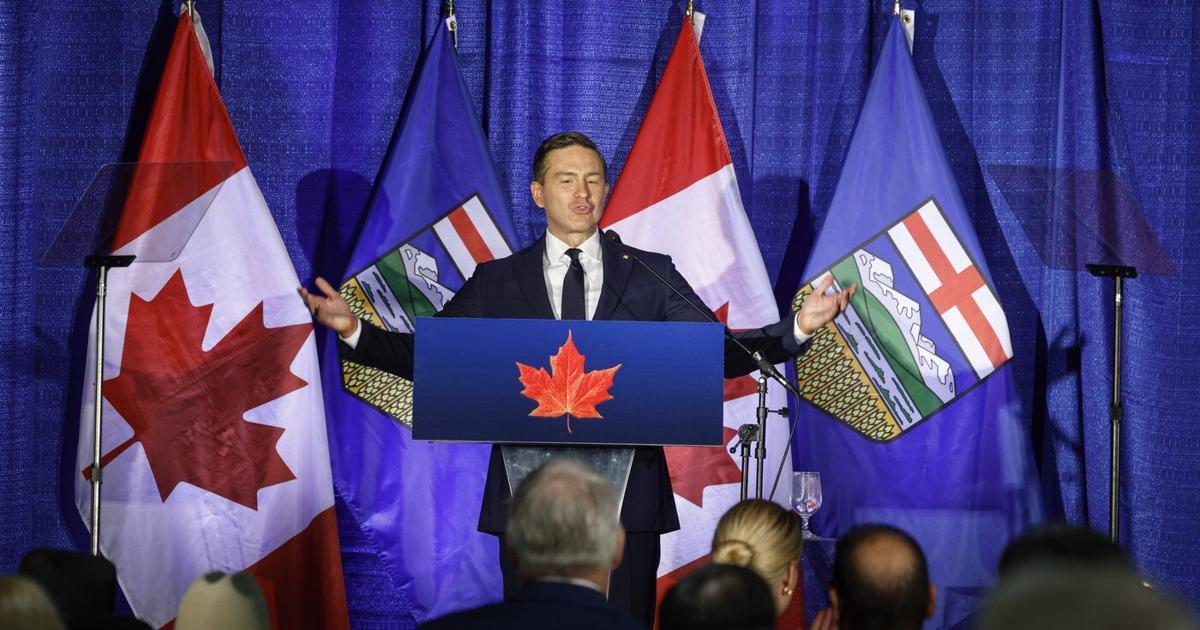
CALGARY - Ontario Premier Doug Ford, with Alberta Premier Danielle Smith at his side, told a Calgary audience Monday that Albertans need to stay in the Confederation fold.
asserted
Albertans → tell → fold
“I’m going to keep this real, real short,” Ford said when asked about the consequences of separation issue in Canada.
asserted
Ford → go → Canada
“Folks, united we stand, divided we fall.
asserted
we → stand → ?
We need to be a united country.
asserted
We → need → ?
We need to stand together.
asserted
We → need → ?
“I love all Albertans,” he added.
asserted
I → love → Albertans
“And we’re always going to stick together.”
asserted
we → go → ?
Ford made the comments as they shared the stage to discuss the economy and energy policy at an industry conference.
asserted
they → make → conference
On Oct. 19, Albertans will vote in a referendum on whether to stay in Canada or whether it’s time to hold a second, binding referendum on leaving Confederation.
asserted
it → vote → Confederation
Both Ford and Smith were asked whether separatist debates in Quebec and Alberta are helping or hurting Canada as it tries to build the economy and develop its resources.
asserted
it → ask → resources
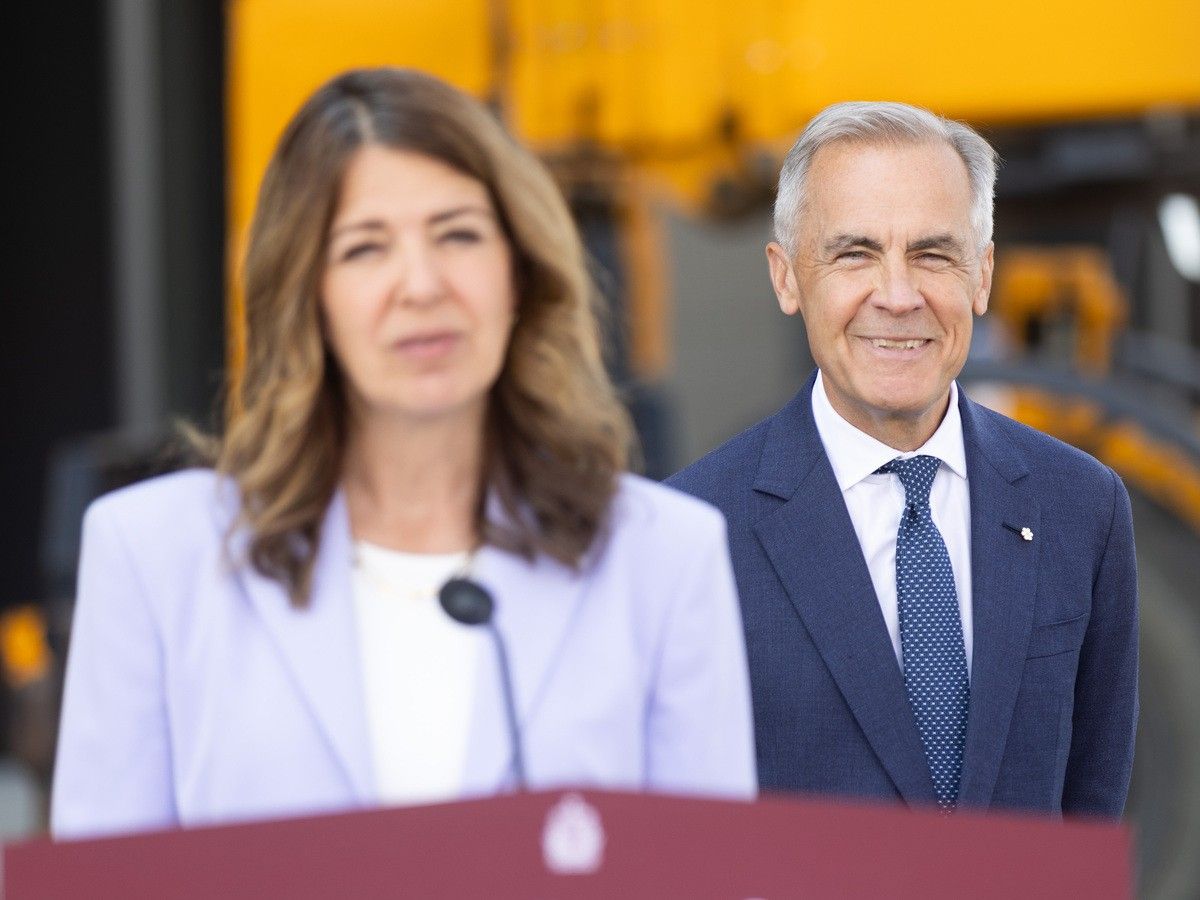
Smith, prior to Ford responding, repeated her assertions that anger and estrangement had been building for years due to federal policies she has said undercut Alberta’s ability to develop its oil and gas.
asserted
she → respond → oil
“This anger has been growing for over a decade,” Smith said.
asserted
Smith → grow → decade
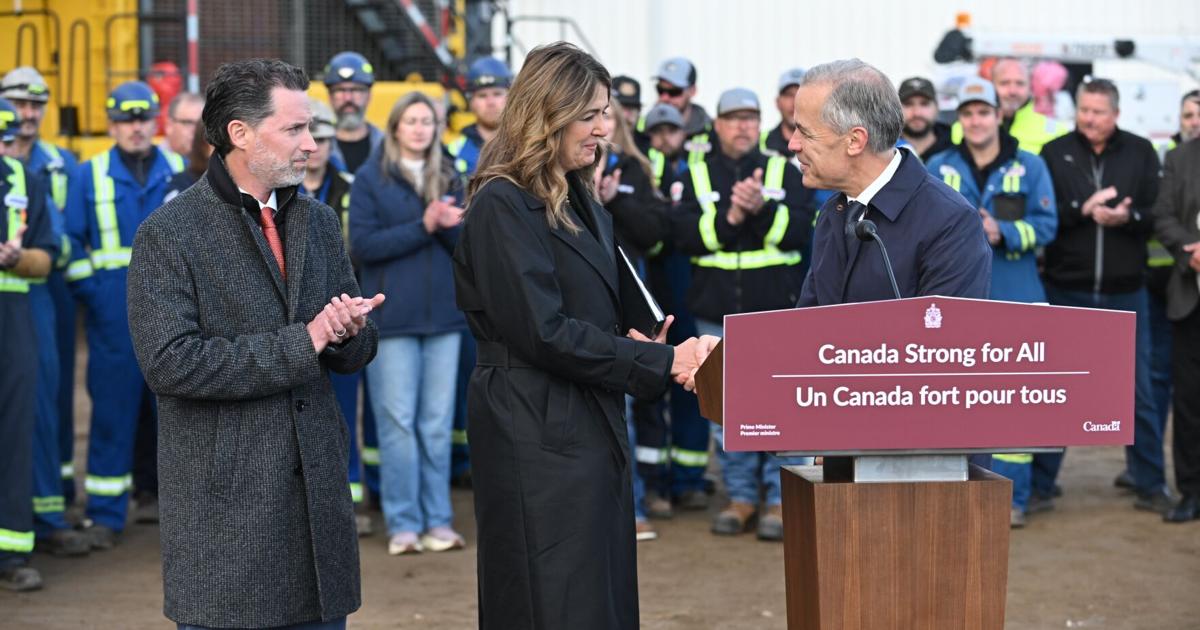
She said under Prime Minster Mark Carney, the federal government has been more open and flexible to help Alberta grow.
asserted
Alberta → say → Carney
But she said the residual enmity toward Ottawa, coupled with hundreds of thousands of Albertans signing petitions in recent months for and against unity, mandated she call a referendum.
asserted
she → say → referendum
“I hope it’s resolved on Oct. 19,” Smith said, saying she plans to vote to stay in Canada.
asserted
she → hope → Canada
Critics, including the Opposition NDP, have said Smith’s aim is not about unity or Canada but about trying to keep her United Conservative Party intact by placating its separatist wing with a referendum.
asserted
aim → include → referendum
Separatist leaders, however, have said that Smith’s question represents not a decision but a vote to hold another vote.
asserted
question → say → vote
They have promised to keep fighting regardless of the outcome.
asserted
They → promise → outcome
The issue has become visible on the streets of the province, with red and white lawn signs supporting Canada vastly outnumbering separation blue ones.
asserted
signs → become → ones
Recent polls suggested a broad majority of Albertans want to stay in Canada.
uncertain
majority → suggest → Canada
Also in Calgary on Monday, the former leader of the United Kingdom during the Brexit referendum told another conference that you can’t compare that debate to Alberta’s prospective split from Canada.
asserted
you → tell → Canada
“Brexit was about whether we wanted to stay in a trade association with an element of political union,” David Cameron said.
asserted
Cameron → want → union
Cameron led the United Kingdom for six years ahead of the 2016 Brexit vote and through Scotland’s vote on independence in September 2014.
asserted
Cameron → lead → September
In both votes, he was vying for the status quo and resigned after the Brexit vote succeeded.
asserted
vote → vie → quo
Speaking about Scotland’s referendum vote, he called the idea of a fragmented United Kingdom an “absolute tragedy.”
asserted
he → speak → Kingdom
“I was very nervous about it because if you have a referendum, you can’t guarantee what the results are going to be,” Cameron said.
asserted
Cameron → have → what
In the end, Scotland narrowly voted against separation.
asserted
Scotland → vote → separation
Despite criticism that he should have never called the Scottish vote, Cameron stood by his decision, stating the alternative would be escalating resentment.
asserted
alternative → call → resentment
He said he hoped he could ultimately avoid separation by showing the Scots respect and enabling the vote on independence as they had asked.
uncertain
they → say → independence
Cameron said he agreed to most of the stipulations from the governing Scottish National Party.
asserted
he → say → Party
But he insisted that the referendum be one, uncomplicated question, which drew chuckles from the crowd.
asserted
which → insist → crowd
Smith’s referendum question is one of 10 that voters will pass judgment on.
asserted
voters → pass → judgment
Her government has been criticized for the complicated and wordy language of its referendum proposals, particularly the separation question.
asserted
government → criticize → proposals
Cameron also noted that the referendum vote in Scotland did not quell the separatists’ desire for independence.
asserted
vote → note → independence
This report by The Canadian Press was first published Sept. 28, 2026.
asserted
report → publish → Press
 The Aporia