That is 0 articles you have read today.
The Aporia is free and carries no advertising, so readers are the only
thing paying for it. If you are getting this much out of it, a small
donation is what keeps it independent.
Daily limit reached
You have read 0 articles today.
That is more than the 15 a day The Aporia gives away,
and well past what it can carry on nothing. Your allowance resets at
midnight.
There is no advertising here and nothing about you is sold, so readers
are the only thing paying for it. If the site is worth this much of
your day, it is worth a few dollars.
Everything else stays open: the
maps, the
directory and
search do
not count against this, and neither does re-opening something you have
already read today.
US Representative John Moolenaar has called on Starbucks to close its two newly opened outlets in Urumqi, Xinjiang's capital city, due to alleged human rights abuses against Uyghurs. One store is located at the Grand Bazaar and the other at the international airport. Moolenaar described the move as "morally bankrupt," citing US accusations of widespread repression by Chinese authorities in the region. Starbucks has not yet responded to criticism or clarified its position on operating in Xinjiang, while China defends its policies there as measures against terrorism and extremism.
Written locally by qwen2.5:14b on 2026-10-02,
using this article's own text rather than the other coverage of the
same event (that is the story summary below).
Story summary
In early 2025, Starbucks opened its first cafés in China’s Xinjiang region, specifically in Urumqi, drawing criticism from US lawmakers over alleged human rights violations against the Uyghur population. The two outlets, one at the Grand Bazaar and another at the international airport, were met with outrage by John Moolenaar, chairman of the US House committee on China, who called Starbucks’ expansion “morally bankrupt.” Moolenaar urged the company to close its stores in Xinjiang due to the alleged repression there. Meanwhile, Chinese authorities deny widespread abuses and highlight economic growth, including a 22% year-on-year increase in foreign-funded enterprises and a 10% rise in foreign investment for 2025.
Written for “Starbucks In Xinjiang” on 2026-10-05,
grounded in this article and the 2 other(s) covering the same event.
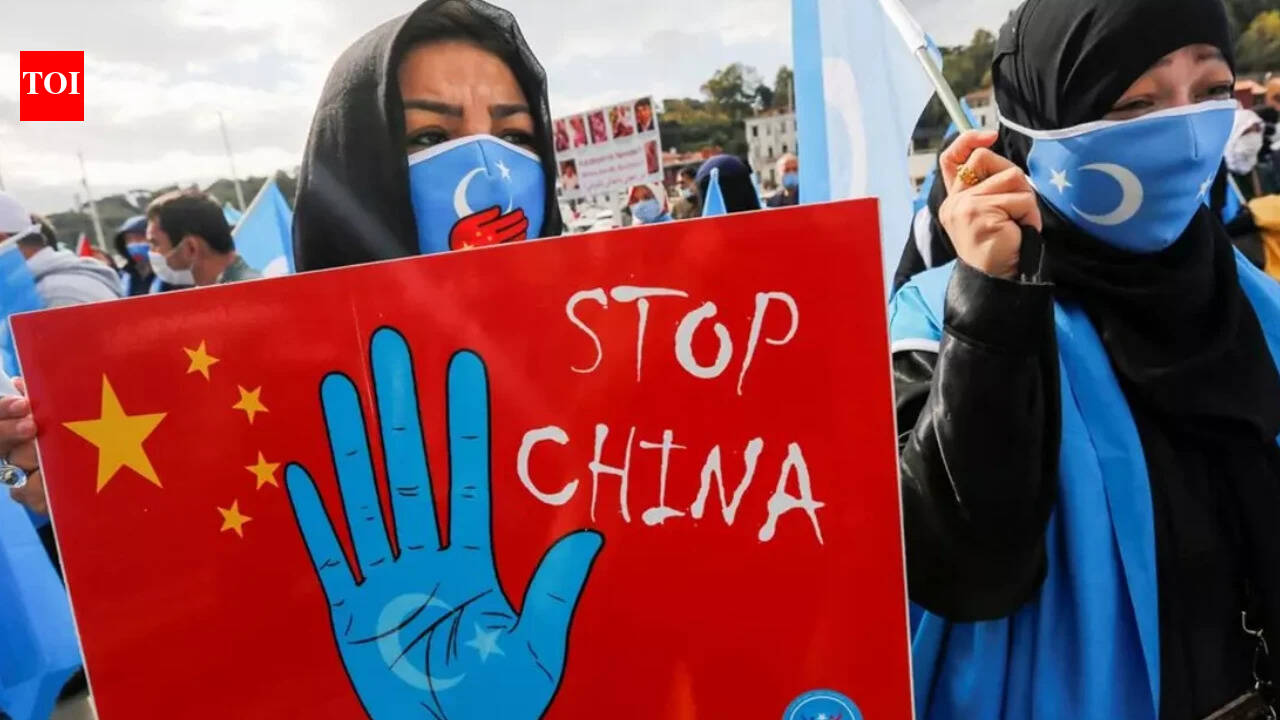
Starbucks is facing criticism in the United States after opening its first two outlets in China's Xinjiang region, with a US lawmaker urging the company to shut them down over alleged repression of Uyghurs.
asserted
lawmaker → face → Uyghurs
John Moolenaar, chairman of the House of Representatives' Select Committee on China, said Starbucks should "immediately reverse course and close its stores" in the region.
asserted
Starbucks → say → region
The two outlets opened this week in Xinjiang's capital, Urumqi.
asserted
outlets → open → capital
One is located at the city's Grand Bazaar, while the other is at the international airport.
asserted
other → locate → airport
Moolenaar described Starbucks' decision to operate in Xinjiang as a "morally bankrupt decision", arguing that the company should not be doing business in a region where the US has accused Chinese authorities of widespread abuses against Uyghurs, a mainly Muslim ethnic group.
"This is a shocking and morally bankrupt decision by a company that prides itself on social responsibility," he said in a statement published on Thursday.
asserted
he → describe → Thursday
"There is no justifiable reason for an American company to do business in a region where the CCP (Chinese Communist Party) has detained more than a million Uyghurs and is stripping them of their faith, language, and culture."
asserted
CCP → be → faith
China rejects widespread accusations of abuses against Uyghurs.
asserted
China → reject → Uyghurs
Beijing says its policies in Xinjiang are intended to tackle terrorism, separatism and religious extremism.
asserted
policies → say → terrorism
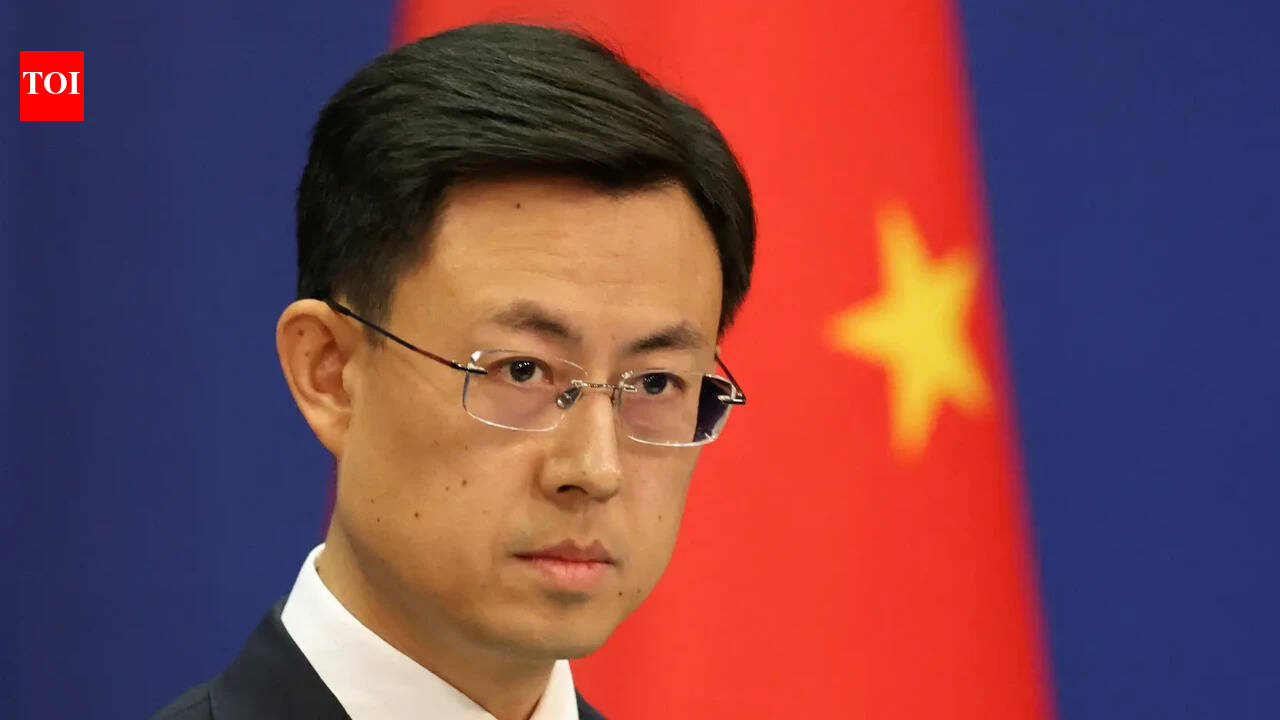
Starbucks and China's Foreign Ministry had not responded to requests for comment at the time of publication.
asserted
Starbucks → respond → publication
China is currently observing a week-long national holiday.
asserted
China → observe → holiday
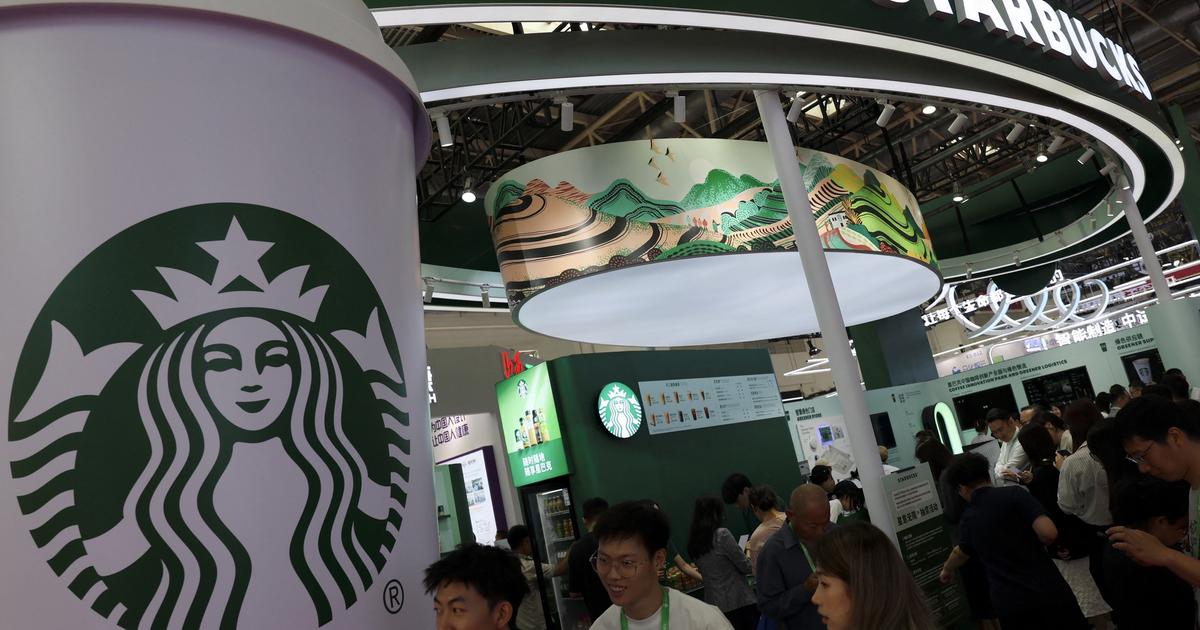
Starbucks has instead presented its arrival in Xinjiang as part of its wider strategy in China.
asserted
Starbucks → present → China
In a post on the company's official WeChat account, Starbucks said the new outlets represented more than the opening of coffee shops and were intended to offer an experience combining local culture with the needs of customers.
asserted
outlets → say → customers
Liu Wenjuan, Starbucks' chief executive in China, said the company would continue investing in Xinjiang.
asserted
company → say → Xinjiang
Images shared by Starbucks showed the company's branding in both English and Chinese.
asserted
Images → share → English
However, there were no obvious signs using the Uyghur language, which uses an Arabic-based script and is officially recognised alongside Chinese in Xinjiang.
asserted
which → be → Xinjiang
The controversy comes as Starbucks expands its business in China through a new ownership structure.
asserted
Starbucks → come → structure
In April 2026, the company completed a joint venture with Boyu Capital, which became the strategic investor with a 60% stake.
asserted
which → complete → stake
The joint venture operates around 8,000 Starbucks outlets across China.
asserted
venture → operate → China
 The Aporia