The article reports on the ongoing wildfire in France's south-western Gironde region, where thousands of residents and tourists have been forced to flee due to temperatures reaching 40C. Firefighters are using water-bombing aircraft and helicopters with fire retardant to combat the blaze, which has already destroyed over 50,000 hectares of land. Local residents, including Pierre Alexandre and Hugo, who is a volunteer, describe their experiences fighting the fires and their emotional connections to the affected area. The article highlights the scale and intensity of the wildfires, with new flare-ups emerging as old ones are brought under control.
Written by the local model on 2026-08-21,
using this article's own text rather than the other coverage of the
same event (that is the story summary below).
Story summary
Here's a summary of the news stories about the wildfires in southwest France:
Wildfires ravage southwest France: A massive wildfire has been burning in the Gironde region of southwest France, forcing 220,000 people to evacuate and destroying hundreds of homes. The fire has burned 240,000 hectares of land and is considered one of the largest peacetime evacuations in French history.
Exhausted crews battle flames: Firefighters from across France are working tirelessly to contain the blaze, but they're struggling due to extreme heat and drought conditions. Local volunteers have been helping with the efforts, but some residents feel abandoned by the authorities.
Human-made forest at center of wildfires: The wildfire is happening in a human-made forest created by Napoleon III, which scientists say was vulnerable to climate change due to its peatlands ecosystem. The fire has spread rapidly due to strong winds and dry conditions.
Firefighting efforts hampered by heat wave: A heat wave has been gripping the region, making it difficult for firefighters to contain the blaze. Temperatures have reached 40C, causing the embers of the wildfire to burst into flames repeatedly.
Thousands return home after evacuation: The French government has allowed 84,000 people to return to their homes, but many residents are still assessing the damage and trying to rebuild their lives. Some feel that the authorities prioritized wealthy areas over poorer ones, leaving them vulnerable to the disaster.
The wildfires have also affected neighboring countries, including Spain and Greece, where hundreds of thousands of people have been forced to flee their homes. The situation remains dire, with many fires still burning out of control and extreme heat conditions persisting in the region.
Written for “Europe's Devastating Wildfires Crisis” on 2026-08-31,
grounded in this article and the 11 other(s) covering the same event.
Why this leaning score
The article presents a sympathetic and relatable tone towards the locals affected by the wildfires, using phrases such as 'relatable' and quoting them directly to convey their emotions and motivations. However, this leaning is relatively weak due to the neutral reporting of the efforts of firefighters and volunteers.
Written under an earlier scoring contract, which gave a paragraph
rather than checkable quotes. Re-analysing this article replaces it.
Leaning score -0.17 for article 51 · logged 2026-07-30
- Published
The aerial cavalry of three Canadair aircraft flying overhead look as impressive as they sound.
asserted
they → publish → aircraft
They arrive in formation, before sharply banking over towards the thick plume of black smoke ahead of us.
asserted
They → arrive → us
Their individual payloads of more than 1,000 gallons of water are then dumped onto the flames below.
asserted
payloads → dump → flames
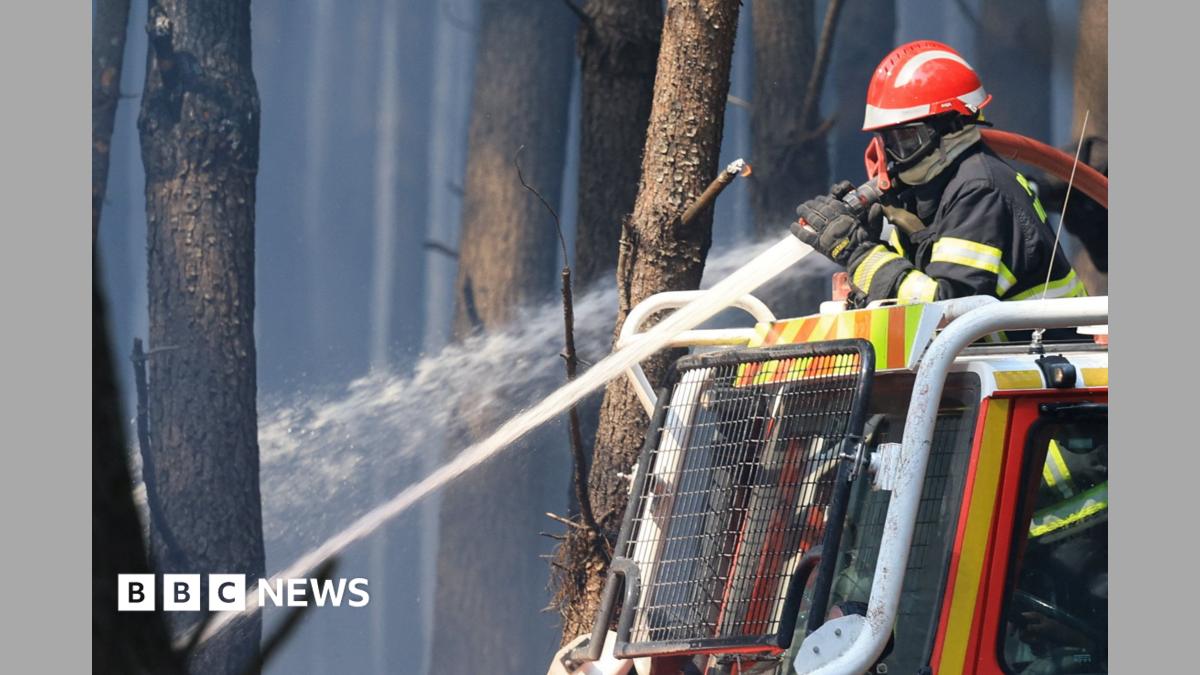
A succession of helicopters then follows with their own streams of red fire retardant.
asserted
succession → follow → retardant
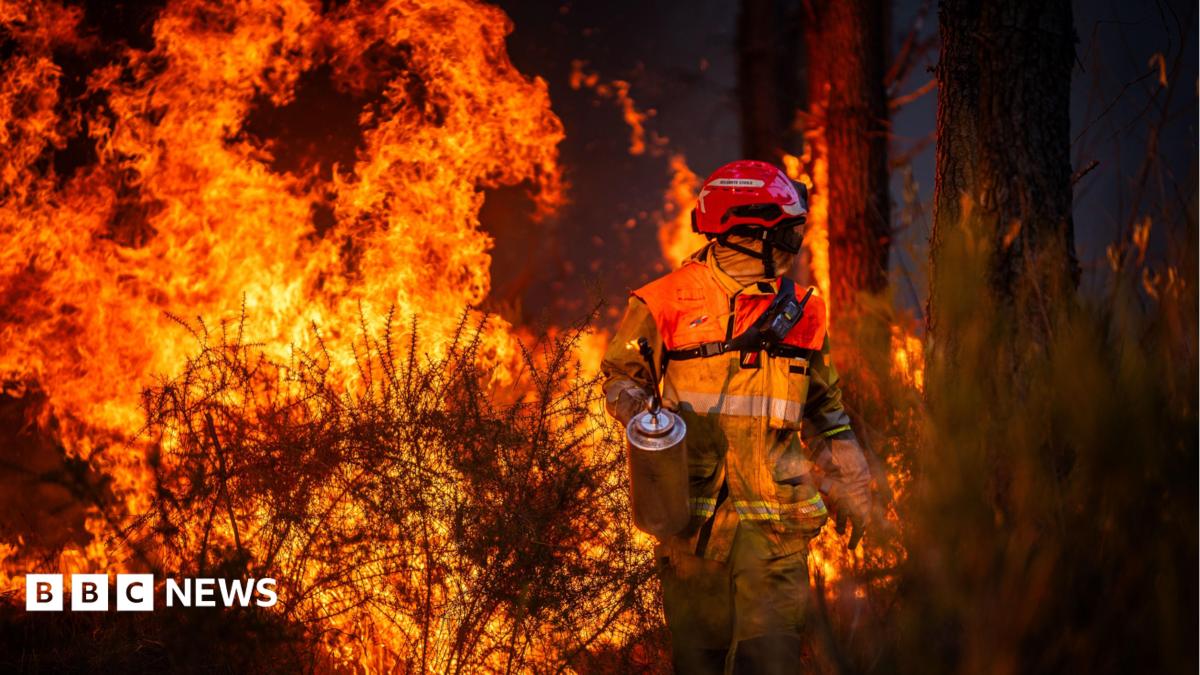
As the smoke eases, firefighters then move into the forest on foot to try and contain the latest flare-up.
asserted
firefighters → ease → up
They are the principal concern for the thousands of crews and volunteers combating the wildfires that have raged here for a week, forcing tens of thousands of residents and tourists to flee.
asserted
that → combat → residents
As temperatures peak at around 40C, fires restarting on their own are a constant threat.
asserted
fires → peak → own
After 20 minutes or so, the one we are watching is brought under control, only for another to suddenly emerge on the opposite side of the road.
asserted
another → watch → road
"Leave now!" shouts an understandably irritable officer as he drives past.
asserted
he → leave → ?
The smoke is becoming thicker and more aggressive.
asserted
smoke → become → ?
Such is the vast scale of the infernos ravaging France's south-western Gironde region, that it is not always obvious what direction the smoke is coming from.
asserted
smoke → ravage → direction
It simply descends as you travel west from Bordeaux along empty roads and through deserted villages.
asserted
you → descend → villages
The soil is powder-like and covered in endless pinecones and dried leaves.
asserted
soil → cover → pinecones
It explains how the wildfires have spread at the rate they have.
asserted
they → explain → rate
"When [the police] said I had to leave, I said no!" confessed Pierre Alexandre.
asserted
Alexandre → say → ?
The epicentre of the fire started in the woodland next to his bungalow.
asserted
epicentre → start → bungalow
He shows a picture of him sitting on the roof of his house in the dark.
asserted
He → show → dark
Pierre Alexandre explained it was in fact taken in the afternoon, after he told his wife and daughter to leave.
asserted
he → explain → wife
He gave his 19-year-old son, Clement, the option of staying if he wanted, which he did.
asserted
he → give → which
"I told him: 'Be careful because in front of us is a nightmare, we don't know what will happen,'" explained Pierre Alexandre.
asserted
Alexandre → tell → us
His motivation for wanting to protect his home is relatable, but did he really believe he and Clement could stop the wildfires on their own?
uncertain
he → want → own
"No, we're not firefighters," he conceded.
asserted
he → concede → ?
For those who are, controlling these wildfires is like witnessing a lethal game of "cat and mouse" or "Whack-a-Mole".
asserted
controlling → control → cat
They drive towards the danger to either deliver water or spray it themselves.
asserted
They → drive → it
"If it's too late, at least we tried," said a defiant Hugo, 26, as he refilled his water tank.
asserted
he → try → tank
"Fifty thousand hectares has already been destroyed, what will we tell our children?"
asserted
we → destroy → children
Hugo grew up in the area and has returned from his home in Bali to watch his mother's house in the village of Arès, which is perilously close to the wildfires.
asserted
which → grow → wildfires
"It's horrible, it's our home, it's our region, it's our forest, it's where we grew up, it's where our family live, where we live, it's horrible.
asserted
it → grow → ?
I feel a lot of sadness," Maëlys, 23, told us, her face covered in soot.
asserted
face → feel → soot
"I am a nurse and I'm here to help," she added.
asserted
she → help → ?
Maëlys said her friends own big water tanks, which they then use to try to put out fires that flare-up to prevent them from spreading.
asserted
that → say → them
"In the morning I am at the hospital working, and in the afternoon I'm in the forest helping," she said.
asserted
she → work → forest
Fire crews have arrived in the south-west from all corners of France - from Brittany in the north to cities like Marseille and Lyon in the south.
asserted
crews → arrive → south
When not directly dousing the flames, they water the soil and vegetation to prevent future fires from progressing.
asserted
they → douse → fires
It is a process known as "noyer" which translates as "drowning" in French.
asserted
which → know → French
The Gironde wildfires might be under relative control for now, but they are far from doused.
uncertain
they → douse → control