That is 0 articles you have read today.
The Aporia is free and carries no advertising, so readers are the only
thing paying for it. If you are getting this much out of it, a small
donation is what keeps it independent.
Daily limit reached
You have read 0 articles today.
That is more than the 15 a day The Aporia gives away,
and well past what it can carry on nothing. Your allowance resets at
midnight.
There is no advertising here and nothing about you is sold, so readers
are the only thing paying for it. If the site is worth this much of
your day, it is worth a few dollars.
Everything else stays open: the
maps, the
directory and
search do
not count against this, and neither does re-opening something you have
already read today.
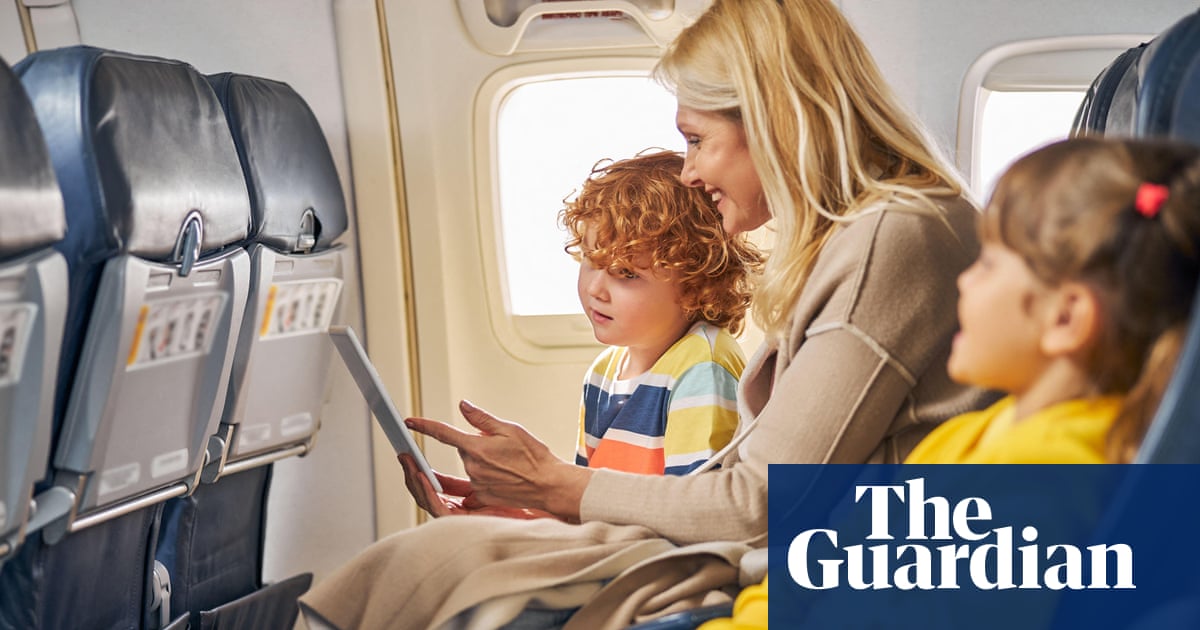
The UK government plans to prohibit airlines from charging parents for sitting next to their children under 14 on flights if new powers are approved in Parliament through the Civil Aviation Bill. Currently, families can face up to £104 for return journeys and up to £40 for correcting minor booking errors. Prime Minister Andy Burnham views these charges as part of a broader effort to reduce "little charges that add up" during family travel. Airlines claim they already adhere to existing rules but support the government's push for greater consistency across all UK airlines.
Written locally by qwen2.5:14b on 2026-10-02,
using this article's own text rather than the other coverage of the
same event (that is the story summary below).
Story summary
The UK government plans to ban airlines from charging parents extra fees for seating children under 14 next to them on planes, according to new rules announced by Transport Secretary Heidi Alexander. The changes aim to address what Prime Minister Andy Burnham calls "little charges that add up," which can frustrate families planning holidays. Under the proposed Civil Aviation Bill, if approved by MPs, the Department for Transport will consult on ending these fees and allowing free minor corrections in booking details. Currently, airlines can charge parents up to £104 for a return journey to seat their child next to them, even though many UK carriers already follow guidance from the Competition and Markets Authority that allows such seating without extra charges. Airlines UK, representing major British carriers like Ryanair, expressed surprise at the announcement but noted they already adhere to existing regulations regarding free seating for children under 12 with accompanying adults.
Written for “UK Flight Rules For Families” on 2026-10-05,
grounded in this article and the 1 other(s) covering the same event.
- Published
The government says it will ensure parents cannot be charged for sitting next to their children on planes if new powers get approval in Parliament.
asserted
powers → publish → Parliament
UK airlines said they adhered to existing rules.
asserted
they → say → rules
If the Civil Aviation Bill gets approved by MPs, the department for transport says it will consult on scrapping any charges for being seated next to children under the age of 14 or correcting minor errors on flight bookings.
asserted
it → approve → bookings
While acknowledging most UK airlines already offer protections against hidden costs, the government said its proposed reforms would provide greater consistency across all airlines operating in the country.
asserted
reforms → acknowledge → country
Trade body Airlines UK said it was surprised to see the announcement, adding that UK airlines already allow minor name corrections free of charge.
asserted
airlines → say → charge
They also follow the regulator's current guidance on seating children under 12 with their accompanying adult.
asserted
They → follow → adult
The Department for Transport says an arrangement to sit together can currently cost a parent and child up to £104 on a return journey.
asserted
arrangement → say → journey
Prime Minister Andy Burnham has said the proposed rule changes are part of a crackdown on the "little charges that add up" when families plan their holiday trips.
asserted
families → say → trips
"Charging parents just to sit with their children is a rip-off, plain and simple," he added, and being "hit with a hefty fee for a simple spelling mistake on a booking form isn't right either".
asserted
hit → charge → form
The department says minor mistakes or admin tweaks, such as correcting a name on a booking form, can cost passengers up to £40.
asserted
mistakes → say → 40
It added that the new rules were the "latest example of the Prime Minister's series of 'everyday fixes' to tackle the irritations that make life difficult and hit people's wallets".
asserted
life → add → wallets
"Parents should not have to feel the pinch just to sit next to their child on a flight, or for amending a simple booking error," said Transport Secretary Heidi Alexander.
asserted
Alexander → have → error
Rory Boland, editor of consumer magazine Which? Travel, said it was "clearly unfair to force parents and children as young as three to pay an extra fee just to sit together".
asserted
it → say → fee
"Airlines that have separated families are putting profit ahead of passenger peace of mind," he was quoted as saying by the Press Association.
asserted
he → separate → Association
The raft of changes include a new system for sharing information on persistently disruptive passengers, which would be created with help from airlines and trade unions.
asserted
which → include → airlines
The government says that in 2025 more than 1,000 serious disruptive passenger incidents were logged by airlines, including a mid-air brawl that resulted in a flight being diverted.
asserted
flight → say → brawl
Alexander said everyone deserved to travel knowing their flight would not be disrupted by "bad behaviour from a small minority".
asserted
flight → say → minority
Airlines UK said it welcomed a commitment to crack down on disruptive passengers.
asserted
it → say → passengers
The changes are set to be delivered following Royal Assent of the Civil Aviation Bill, external.
asserted
changes → set → Bill
It is understood that ministers will try to implement the changes before the start of next year's summer holidays.
asserted
ministers → understand → holidays
 The Aporia