The UK government plans to ban airlines from charging parents extra fees for seating their children under 14 next to them on flights. This regulation aims to prevent “rip-off” charges such as up to £104 for return journeys. The proposed law is part of a broader initiative to address minor irritations that add costs for families, with ministers pushing for implementation before the summer holidays start.
Written locally by qwen2.5:14b on 2026-10-01,
using this article's own text rather than the other coverage of the
same event (that is the story summary below).
Story summary
The UK government plans to ban airlines from charging parents extra fees for seating children under 14 next to them on planes, according to new rules announced by Transport Secretary Heidi Alexander. The changes aim to address what Prime Minister Andy Burnham calls "little charges that add up," which can frustrate families planning holidays. Under the proposed Civil Aviation Bill, if approved by MPs, the Department for Transport will consult on ending these fees and allowing free minor corrections in booking details. Currently, airlines can charge parents up to £104 for a return journey to seat their child next to them, even though many UK carriers already follow guidance from the Competition and Markets Authority that allows such seating without extra charges. Airlines UK, representing major British carriers like Ryanair, expressed surprise at the announcement but noted they already adhere to existing regulations regarding free seating for children under 12 with accompanying adults.
Written for “UK Flight Rules For Families” on 2026-10-05,
grounded in this article and the 1 other(s) covering the same event.
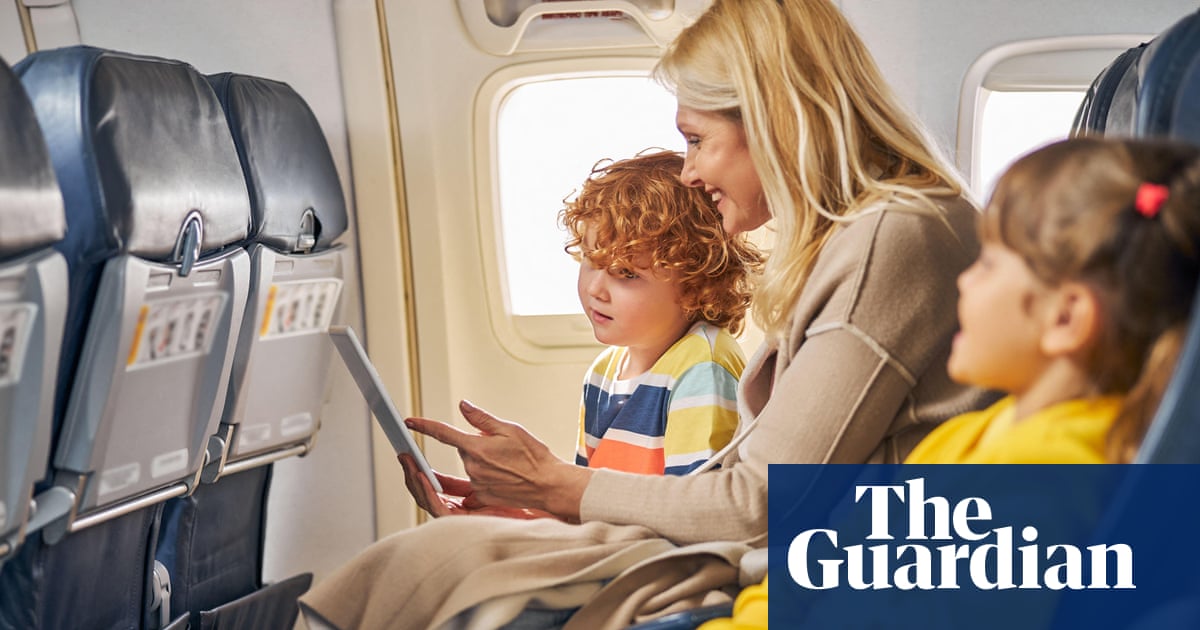
Airlines will be blocked from charging parents extra to sit with their children on planes, according to government plans.
uncertain
Airlines → block → plans
The new rule would require airlines to seat passengers aged under 14 next to their parents or an accompanying adult free of charge.
asserted
rule → require → charge
Passengers will also no longer need to pay to tweak the name on their flight booking if they need to correct a mistake.
asserted
they → need → mistake
It is understood that ministers will try to introduce the changes before the start of next year’s summer holidays.
asserted
ministers → understand → holidays
The prime minister, Andy Burnham, has said the rule changes are part of a crackdown on the “little charges that add up” when families plan their holidays.
asserted
families → say → holidays
MPs are in the process of debating a new set of rules for travel companies, as the civil aviation (consumer protection and regulatory reform) bill makes its way through parliament.
asserted
bill → debate → parliament
The proposed law will give ministers flexible power to set out passenger rights and the duties of airlines and airports.
asserted
law → propose → airlines
Burnham said: “Charging parents just to sit with their children is a rip-off, plain and simple.
asserted
Charging → say → children
And being hit with a hefty fee for a simple spelling mistake on a booking form isn’t right either.
asserted
hit → hit → form
“People are fed up with these little charges that add up, so I’m putting a stop to them.
asserted
I → feed → them
This is what our everyday fixes are all about – giving people room to breathe by tackling the small irritations that catch people out, waste their time and cost them money.”
asserted
that → give → money
An arrangement to sit together can currently cost a parent and child up to £104 on a return journey, according to the Department for Transport.
uncertain
arrangement → sit → Transport
Rory Boland, editor of consumer magazine Which? Travel, said: “It’s clearly unfair to force parents and children as young as three to pay an extra fee just to sit together.
asserted
It → say → fee
Airlines that have separated families are putting profit ahead of passenger peace of mind.”
asserted
that → separate → mind
Earlier this year, Ryanair adjusted its family seating policy after an investigation was launched into the company charging parents to sit with their children on flights.
asserted
company → adjust → flights
The Irish operator previously required parents travelling with children aged between two and 11 to pay to reserve what was referred to as a mandatory family seat.
asserted
what → require → seat
Children were then allocated seats next to or near parents free of charge.
asserted
Children → allocate → charge
The fee for a mandatory family seat was typically about £8 each way, the UK Competition and Markets Authority watchdog found.
asserted
watchdog → find → seat
Under the new policy, parents will still have the option of paying to reserve a seat of their choosing and have their children alongside them free of charge.
asserted
parents → have → charge
The transport secretary, Heidi Alexander, has also announced a crackdown on bad behaviour by passengers on aircraft, with the government, airlines and trade unions working on a new system for sharing information about disruptive passengers.
asserted
government → announce → passengers
Airlines logged more than 1,000 serious disruptive passenger incidents in 2025, government figures show, including what it described as a mid-air brawl that caused a flight to be diverted.
asserted
flight → log → brawl
Using the new system, airlines could choose to ban persistently disruptive passengers from their aircraft.
uncertain
airlines → use → aircraft
 The Aporia