That is 0 articles you have read today.
The Aporia is free and carries no advertising, so readers are the only
thing paying for it. If you are getting this much out of it, a small
donation is what keeps it independent.
Daily limit reached
You have read 0 articles today.
That is more than the 15 a day The Aporia gives away,
and well past what it can carry on nothing. Your allowance resets at
midnight.
There is no advertising here and nothing about you is sold, so readers
are the only thing paying for it. If the site is worth this much of
your day, it is worth a few dollars.
Everything else stays open: the
maps, the
directory and
search do
not count against this, and neither does re-opening something you have
already read today.
On October 1, SpaceX launched its 13th long-duration crew mission to the International Space Station from Cape Canaveral, Florida. The Crew Dragon capsule carried two US astronauts, one Canadian astronaut, and a Russian cosmonaut for an eight-hour journey focused on biomedical research in space. This marks NASA's 13th crewed mission with SpaceX since May 2020.
Written locally by qwen2.5:14b on 2026-10-02,
using this article's own text rather than the other coverage of the
same event (that is the story summary below).
Story summary
Joshua Kutryk, a Canadian astronaut and former Royal Canadian Air Force colonel, launched into space from Cape Canaveral Space Force Station in Florida on Thursday, October 5th, at 11:10 AM ET. Kutryk is part of the SpaceX Crew-13 mission to the International Space Station (ISS) alongside NASA astronauts Jessica Watkins and Luke Delaney, as well as Russian cosmonaut Sergey Teteryatnikov. The launch was delayed due to a fuel system leak but ultimately proceeded successfully despite inclement weather conditions. Kutryk's former Grade 6 teacher Ted Hupé, now retired, watched the launch live from Canada. During their six-month mission aboard the ISS, the astronauts will conduct various scientific experiments focusing on human health and performance in space. Notably, Kutryk’s wife is expecting to give birth while he is away on his long-duration mission, marking him as the fourth Canadian astronaut to undertake such a prolonged stay at the ISS since 2004 when NASA established a radio link between astronauts and their families for significant life events. SpaceX's Falcon 9 rocket successfully carried the crew into orbit, with the reusable booster returning safely to Earth after separation. The Crew Dragon capsule docked with the ISS around 7 PM ET on Thursday, completing an approximately eight-hour journey from launch to docking.
Written for “SpaceX Launch To ISS” on 2026-10-05,
grounded in this article and the 19 other(s) covering the same event.
SpaceX launches 13th long-duration astronaut crew to International Space Station
CAPE CANAVERAL, Florida, Oct 1 -
asserted
SpaceX → launch → Station
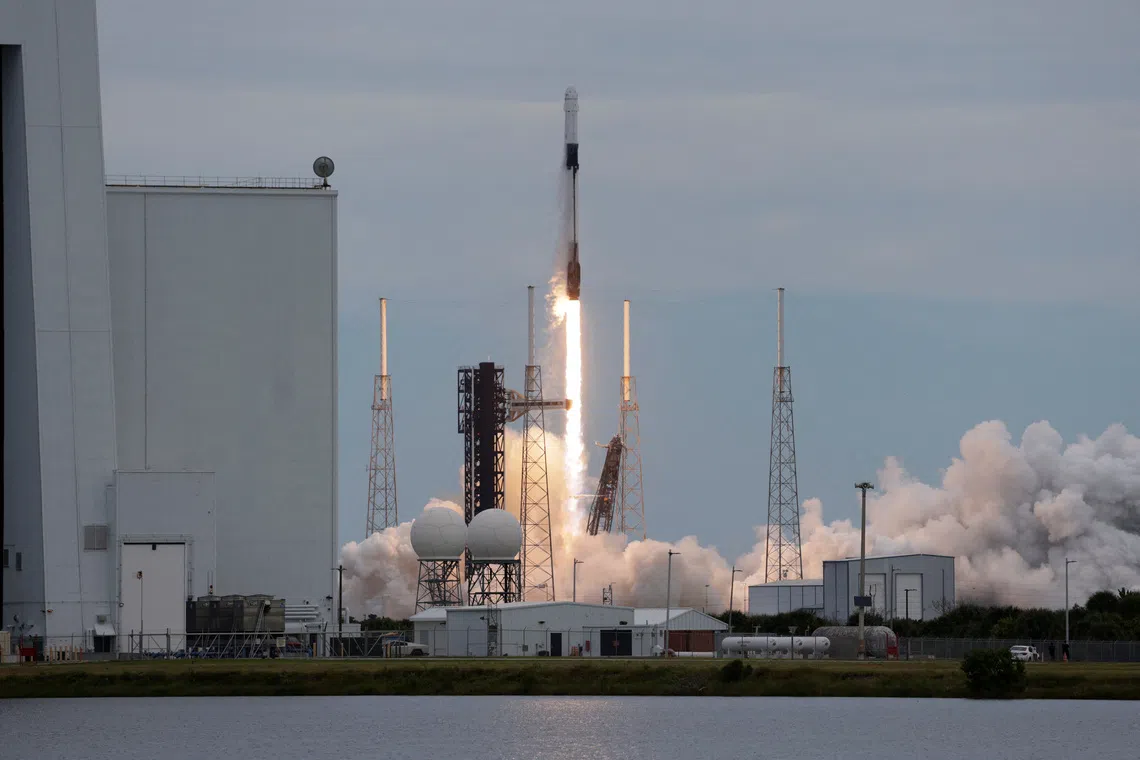
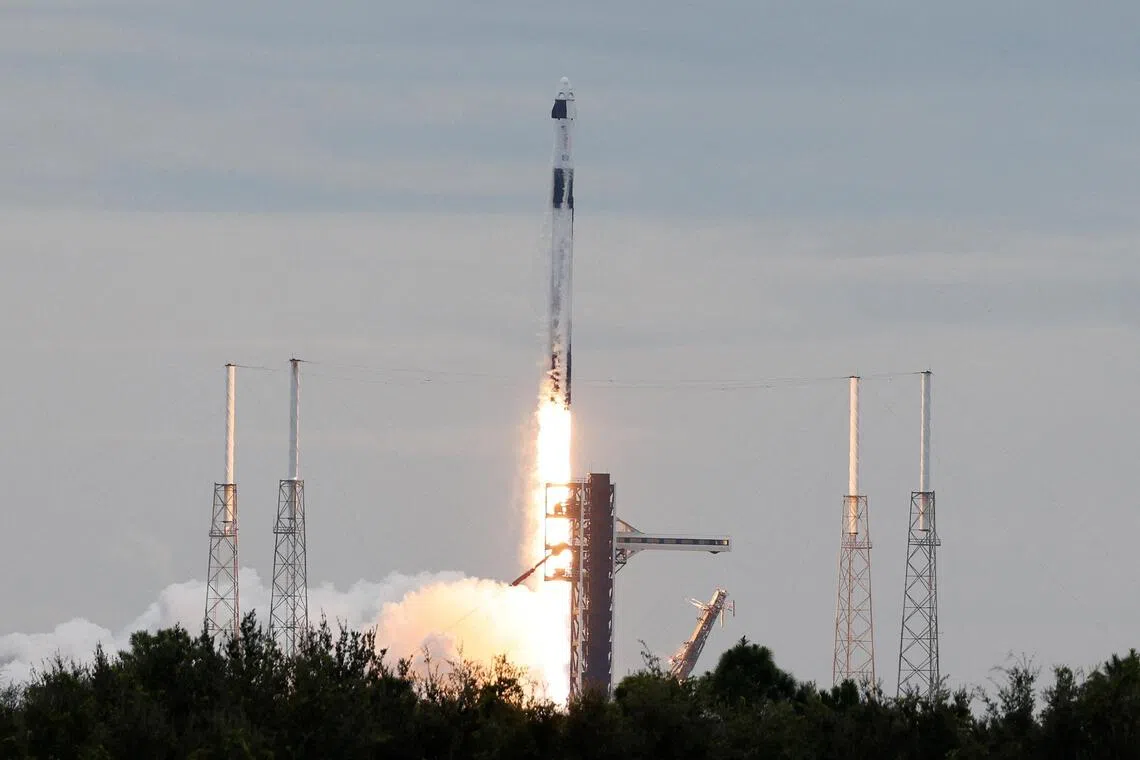
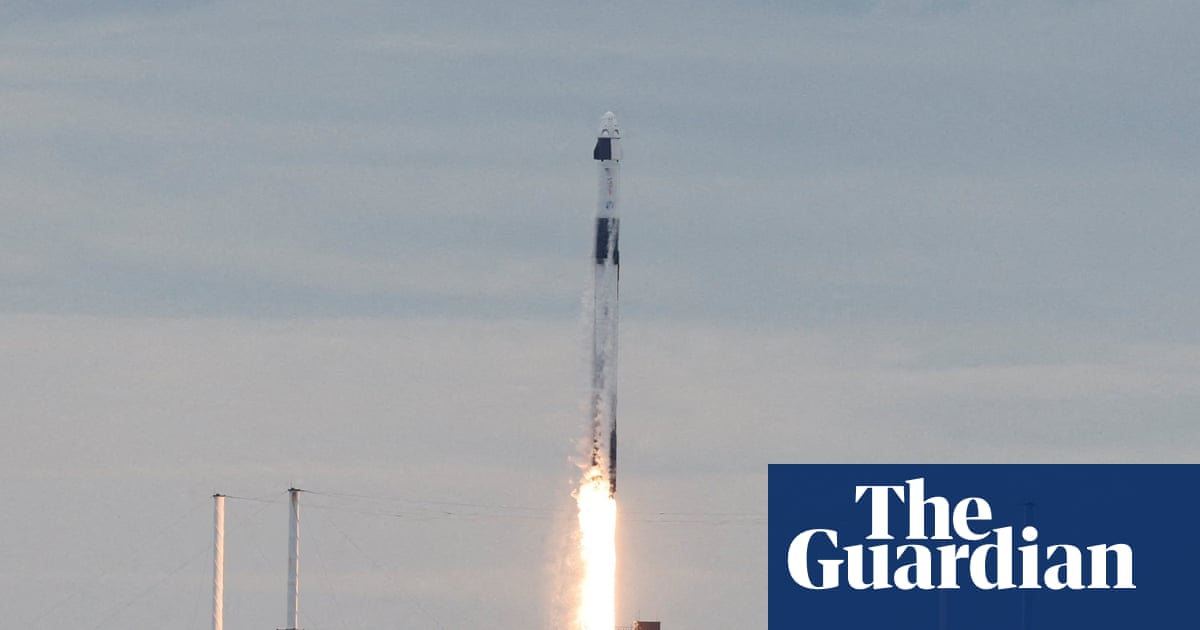
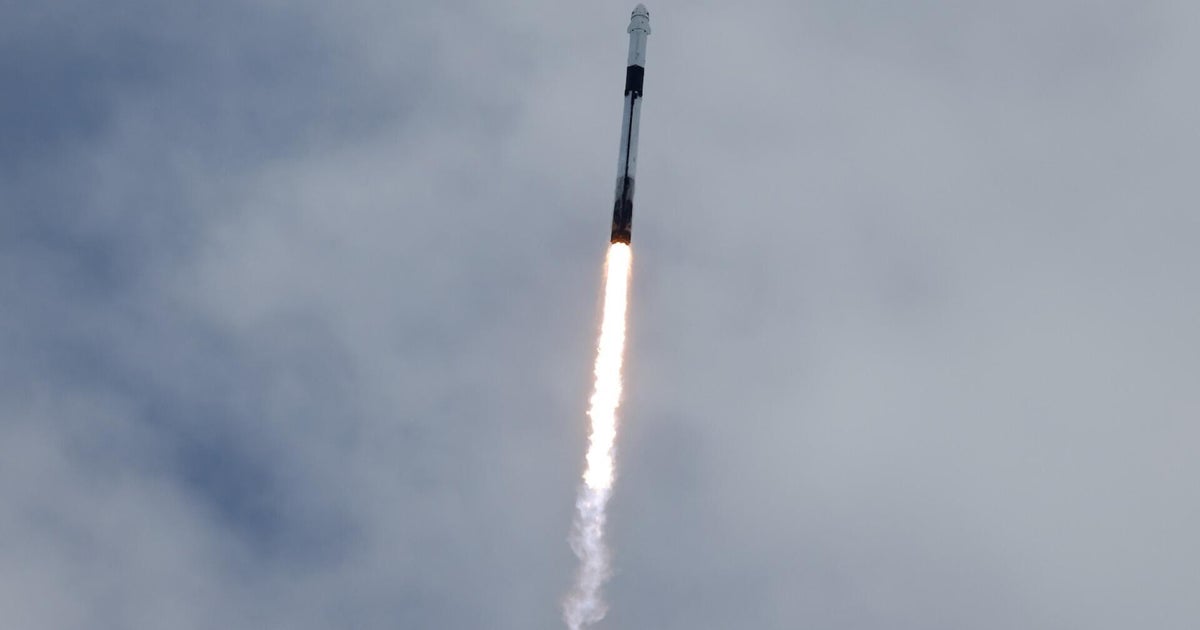
A SpaceX rocket lifted off from Florida on Thursday with a crew of two US astronauts, a Canadian astronaut and a Russian cosmonaut headed to the International Space Station for a science mission devoted to human health and performance in orbit.
asserted
crew → lift → orbit
The two-stage Falcon 9 rocket, topped with an autonomously operated Crew Dragon capsule carrying the four-member crew, was launched from the Cape Canaveral Space Force Station, along Florida's Atlantic Coast.
asserted
rocket → top → Coast
A live webcast showed the 25-story-tall spacecraft thundering off the launch pad as its nine Merlin engines roared to life in billowing, incandescent plumes of vapor.
asserted
engines → show → vapor
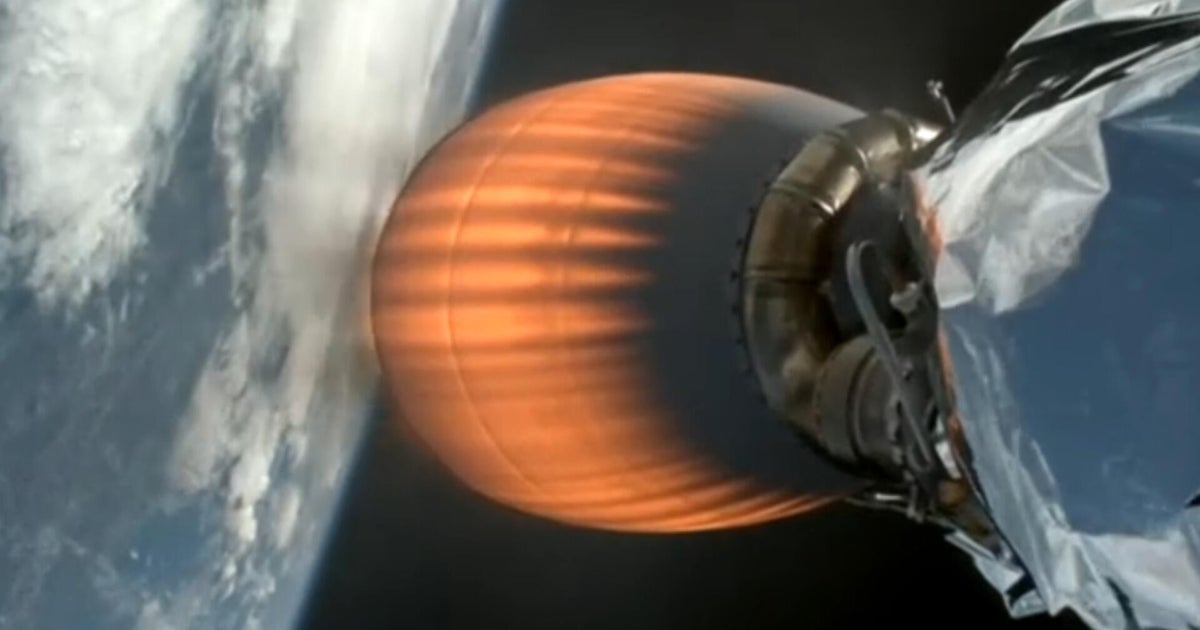
If all goes as planned, Falcon 9's reusable lower-stage booster will separate from the rest of the vehicle within three minutes of launch and fly itself back to Earth for a return landing, while the rocket's upper stage climbs higher, carrying the Crew Dragon toward orbit.
asserted
stage → go → orbit
The capsule is expected to thrust itself into orbit about nine minutes after launch and begin the cruise phase of its eight-hour voyage to the space station.
asserted
capsule → expect → station
Docking with the orbiting laboratory platform some 250 miles (420 km) above Earth is planned for about 7 p.m. EDT (2300 GMT).
asserted
Docking → dock → EDT
The mission marks the 13th long-duration space station team that NASA has flown aboard a SpaceX launch vehicle since the rocket venture founded in 2002 by Elon Musk began sending US astronauts to orbit in May 2020.
uncertain
venture → mark → May
The company went public in a record-breaking IPO in July.
asserted
company → go → July
The launch also comes days after SpaceX launched its next-generation Starship spacecraft on its first trip to orbit and first commercial satellite deployment, marking the vehicle's 14th uncrewed test flight since 2023.
asserted
SpaceX → come → 2023
Crew 13 is led by geologist-turned-astronaut Jessica Watkins, 38, making her second voyage to space and becoming the first NASA astronaut to fly twice aboard a Crew Dragon.
asserted
Crew → lead → Dragon
Seated beside her in the pilot's chair is fellow NASA astronaut Luke Delaney, 47, a former test pilot and fighter pilot making his debut in space.
asserted
Delaney → seat → space
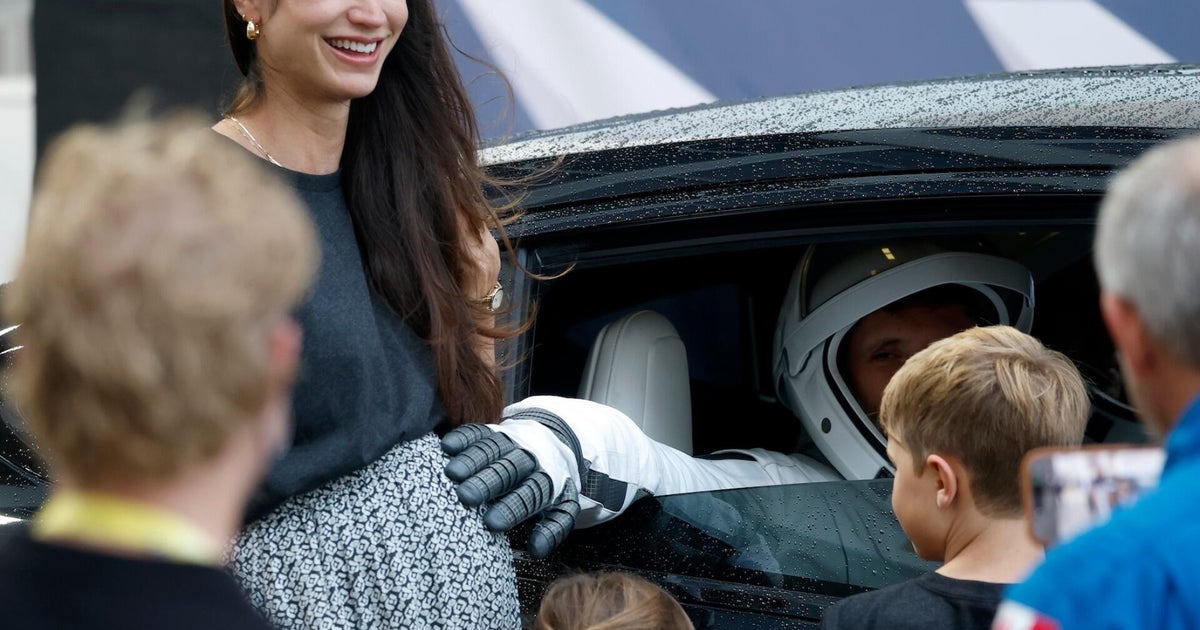
Rounding out Crew 13 are two other spaceflight rookies ranked as mission specialists — Canadian astronaut Joshua Kutryk, 44, a former test and fighter pilot, and Russian cosmonaut Sergey Teteryatnikov, 37, an engineer who specialized in the operation of submarines.
asserted
who → round → submarines
The four crewmates are to be welcomed aboard the space station by seven current occupants of the orbital outpost, including the four members of Crew-12 who are due to fly back to Earth soon as their seven-month-plus mission comes to an end.
asserted
mission → welcome → end
The latest arrivals are expected to focus their attention on a series of biomedical and human performance studies, including research on how microgravity affects blood circulation and clotting, and gathering health data to inform future space missions.
asserted
microgravity → expect → missions
The ISS, which spans the length of a football field and ranks as the largest human-made object in space, has been continuously operated by a US-Russian-led consortium that includes Canada, Japan and 11 European countries.
asserted
that → span → Canada
The first hardware for the outpost was launched more than a quarter-century ago.
asserted
hardware → launch → century
NASA has said it is committed to keeping the space station operating through 2030.
asserted
it → say → 2030
 The Aporia