That is 0 articles you have read today.
The Aporia is free and carries no advertising, so readers are the only
thing paying for it. If you are getting this much out of it, a small
donation is what keeps it independent.
Daily limit reached
You have read 0 articles today.
That is more than the 15 a day The Aporia gives away,
and well past what it can carry on nothing. Your allowance resets at
midnight.
There is no advertising here and nothing about you is sold, so readers
are the only thing paying for it. If the site is worth this much of
your day, it is worth a few dollars.
Everything else stays open: the
maps, the
directory and
search do
not count against this, and neither does re-opening something you have
already read today.
SpaceX successfully launched four astronauts to the International Space Station from Cape Canaveral on Thursday, following a three-week delay due to technical issues. The crew includes NASA's Jessica Watkins as commander, making her the first Black woman to lead a space station mission; she is joined by fellow NASA astronaut Luke Delaney and Canadian Colonel Joshua Kutryk, who will become the fourth man to father a child while in orbit. The launch marked SpaceX’s 13th crewed flight for NASA since 2020, with an eight-hour transit time to reach the station, setting a record for speed.
Written locally by qwen2.5:14b on 2026-10-01,
using this article's own text rather than the other coverage of the
same event (that is the story summary below).
Story summary
Joshua Kutryk, a Canadian astronaut and former Royal Canadian Air Force colonel, launched into space from Cape Canaveral Space Force Station in Florida on Thursday, October 5th, at 11:10 AM ET. Kutryk is part of the SpaceX Crew-13 mission to the International Space Station (ISS) alongside NASA astronauts Jessica Watkins and Luke Delaney, as well as Russian cosmonaut Sergey Teteryatnikov. The launch was delayed due to a fuel system leak but ultimately proceeded successfully despite inclement weather conditions. Kutryk's former Grade 6 teacher Ted Hupé, now retired, watched the launch live from Canada. During their six-month mission aboard the ISS, the astronauts will conduct various scientific experiments focusing on human health and performance in space. Notably, Kutryk’s wife is expecting to give birth while he is away on his long-duration mission, marking him as the fourth Canadian astronaut to undertake such a prolonged stay at the ISS since 2004 when NASA established a radio link between astronauts and their families for significant life events. SpaceX's Falcon 9 rocket successfully carried the crew into orbit, with the reusable booster returning safely to Earth after separation. The Crew Dragon capsule docked with the ISS around 7 PM ET on Thursday, completing an approximately eight-hour journey from launch to docking.
Written for “SpaceX Launch To ISS” on 2026-10-05,
grounded in this article and the 19 other(s) covering the same event.
Four astronauts rocketed into orbit on Thursday on a space station mission that will stretch until spring, among them a Canadian whose wife will give birth while he is away.
asserted
he → rocket → birth
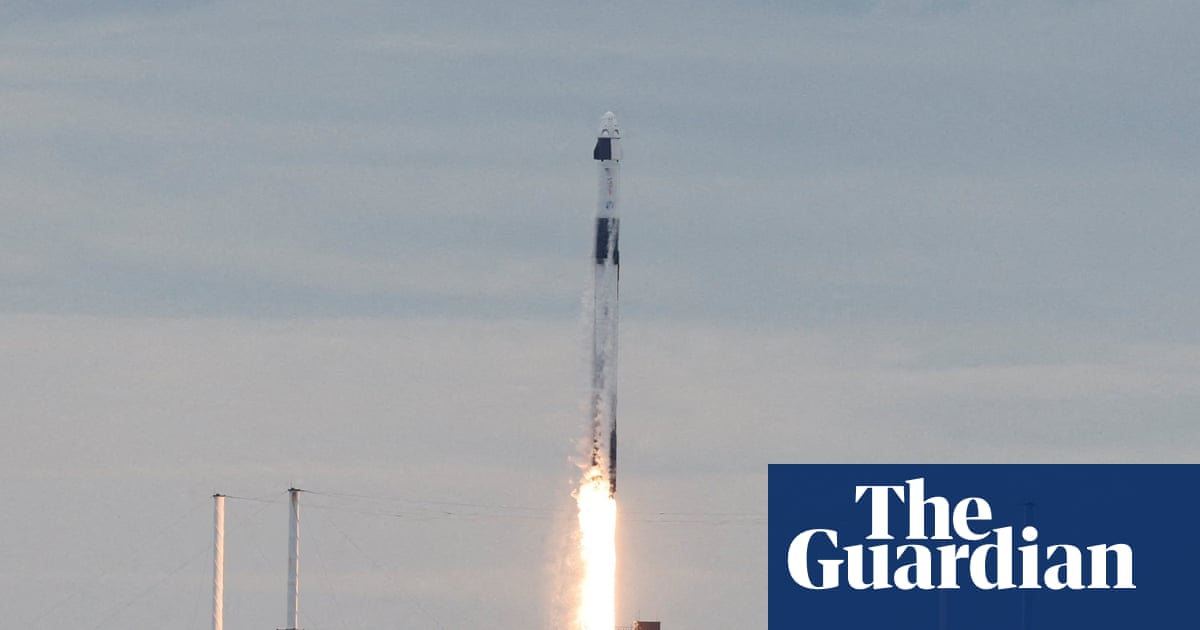
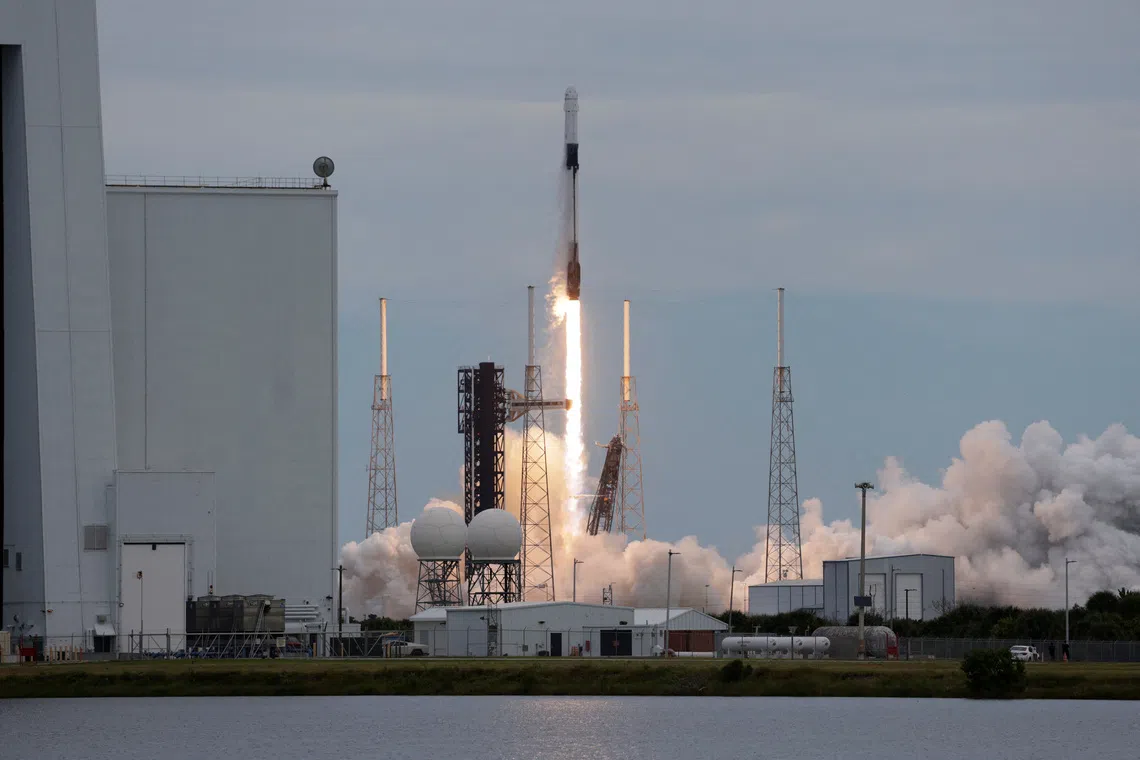
SpaceX launched commander Jessica Watkins and her crew for Nasa after a three-week delay to fix the capsule’s leaking fuel system.
asserted
SpaceX → launch → system
Thick clouds threatened all morning to halt the countdown but in the end, the skies cleared enough to allow for a safe liftoff.
asserted
skies → threaten → liftoff
Although their stay at the International Space Station will last a long six months, the flight there promised to be the quickest yet for Elon Musk’s company: a mere eight-hour transit with an arrival well before bedtime.
asserted
flight → last → bedtime
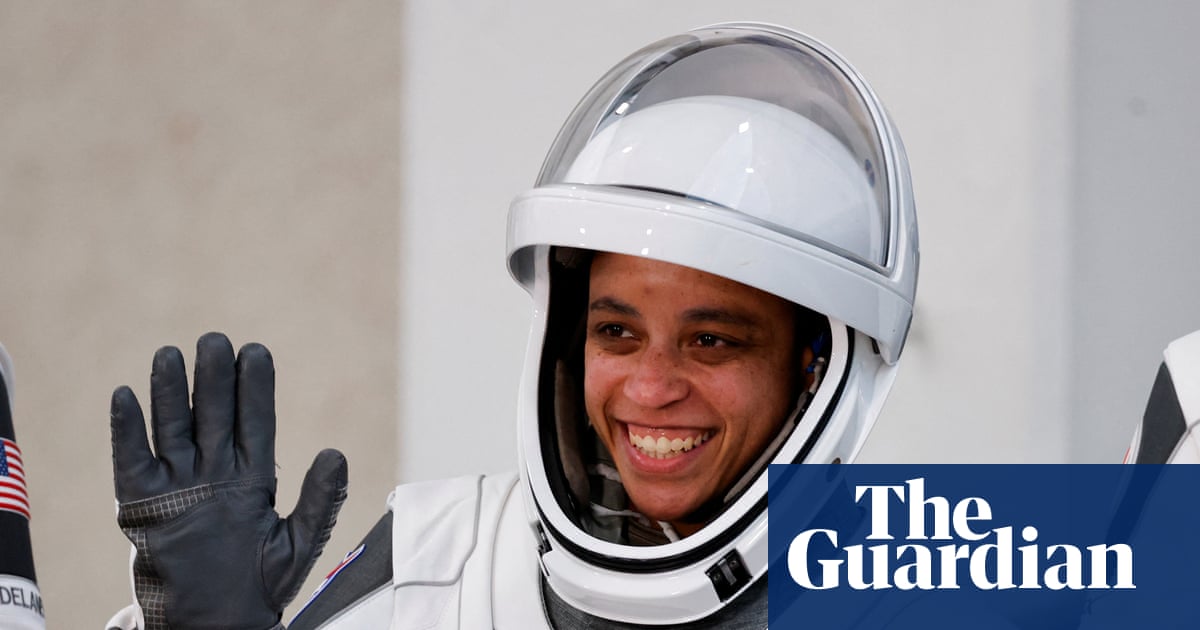
With the late morning liftoff from Cape Canaveral space force station, Watkins became the first Black woman to lead a crew to orbit.
asserted
Watkins → become → orbit
A geologist who worked with Nasa’s Mars rover Curiosity a decade ago, Watkins is making her second trip to the space station following a lengthy stay in 2022.
asserted
Watkins → work → 2022
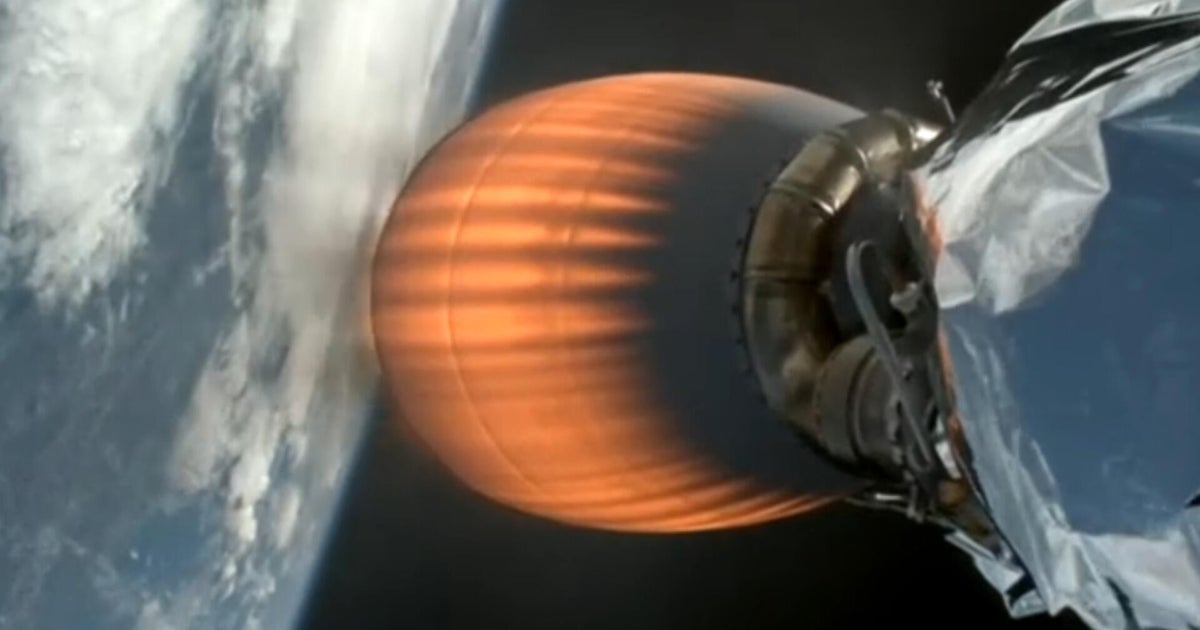
“Thanks for an amazing ride,” Watkins radioed after reaching orbit.
asserted
Watkins → radio → orbit
They will replace four astronauts who have been living at the orbiting laboratory since February.
asserted
who → replace → February
“We feel like some of the luckiest people in the world,” Kutryk said ahead of the launch.
asserted
Kutryk → feel → launch
This was the 13th crew launched by SpaceX for Nasa, not counting 2020’s test flight.
asserted
This → launch → flight
All four embrace their Crew-13 designation that pays homage in their mission patch to Apollo 13.
asserted
that → embrace → Apollo
The harrowing 1970 moonshot ended with the astronauts’ safe return.
asserted
moonshot → end → return
“We really wanted to honor their legacy, honor their resilience and their grit, and bring a little bit of that with us,” Watkins said.
asserted
Watkins → want → us
She and her crewmates rode to the pad in black Teslas bearing plates that read “Lucky 13”.
asserted
that → ride → Lucky
Kutryk will become the fourth man to become a father while orbiting Earth.
asserted
Kutryk → become → Earth
Wife Heather is due to give birth to their third child in late November.
asserted
Heather → give → November
The Canadian Space Agency promises plenty of support for the entire family when the big day comes.
asserted
day → promise → family
“A lot of life-changing things can happen over six months,” Nasa manager Dana Weigel said on the eve of liftoff, noting that the space agency would do its best to keep Kutryk looped in to his family.
In 2004, Nasa provided a radio link between space station astronaut Mike Fincke and his wife’s delivery room during the birth of their daughter.
asserted
Nasa → change → daughter
Five years later, Randy Bresnik, commander of next year’s Artemis III mission, dialed in to his wife’s hospital from orbit.
asserted
Bresnik → dial → orbit
The happy news traveled more slowly for Austrian astronaut Franz Viehböck.
asserted
news → travel → Viehböck
His daughter was born a few hours after he launched to the Soviet Union’s Mir space station in 1991.
asserted
he → bear → 1991
He was not informed until the next day.
asserted
He → inform → day
 The Aporia