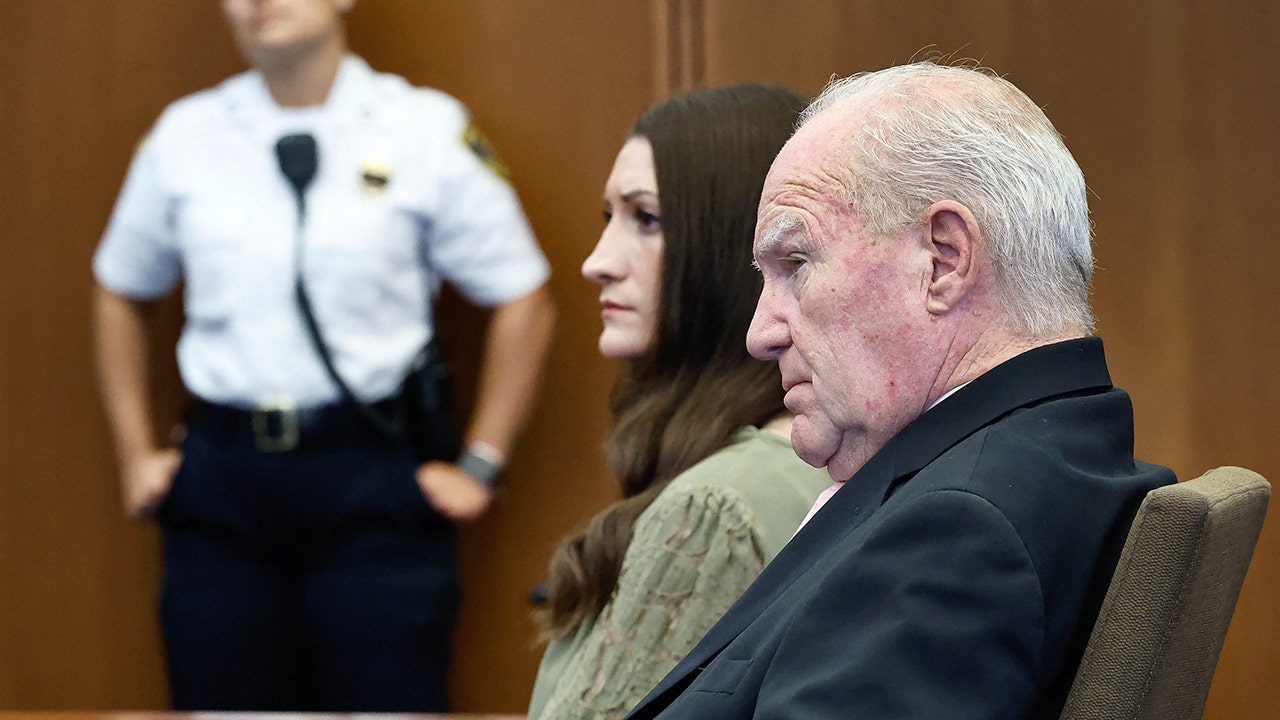
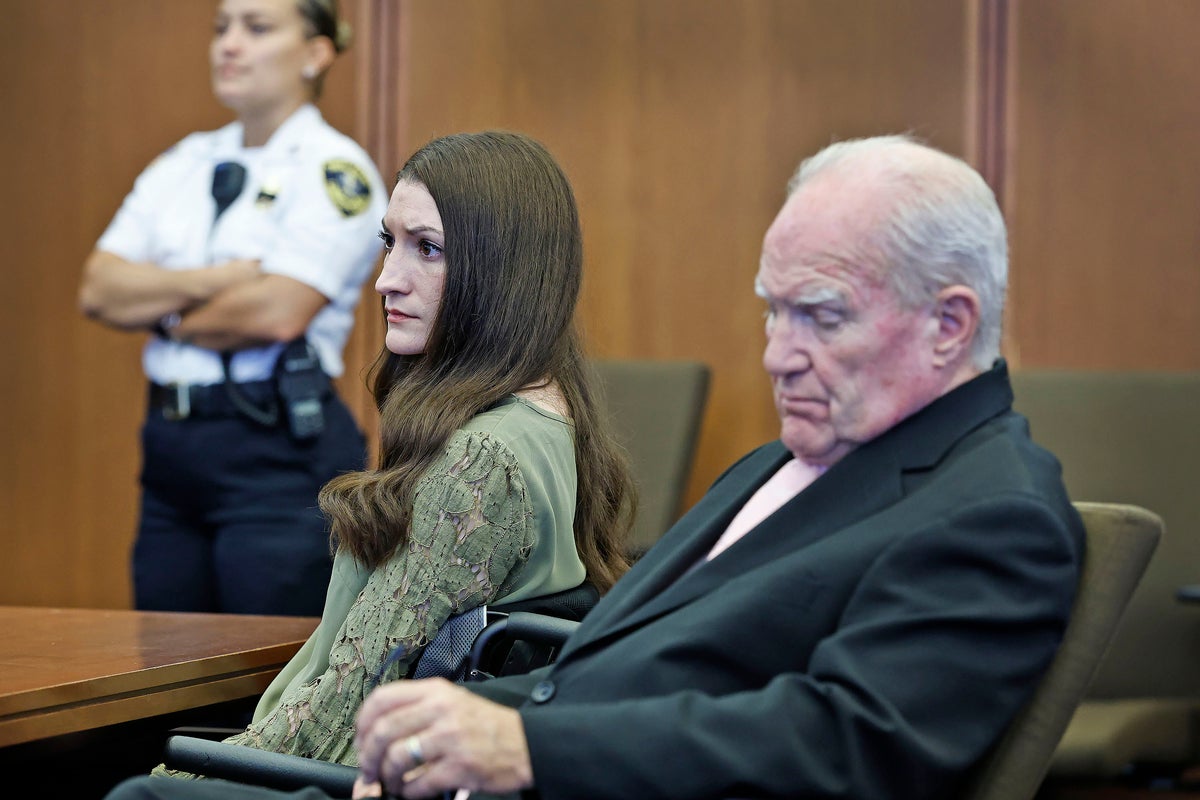
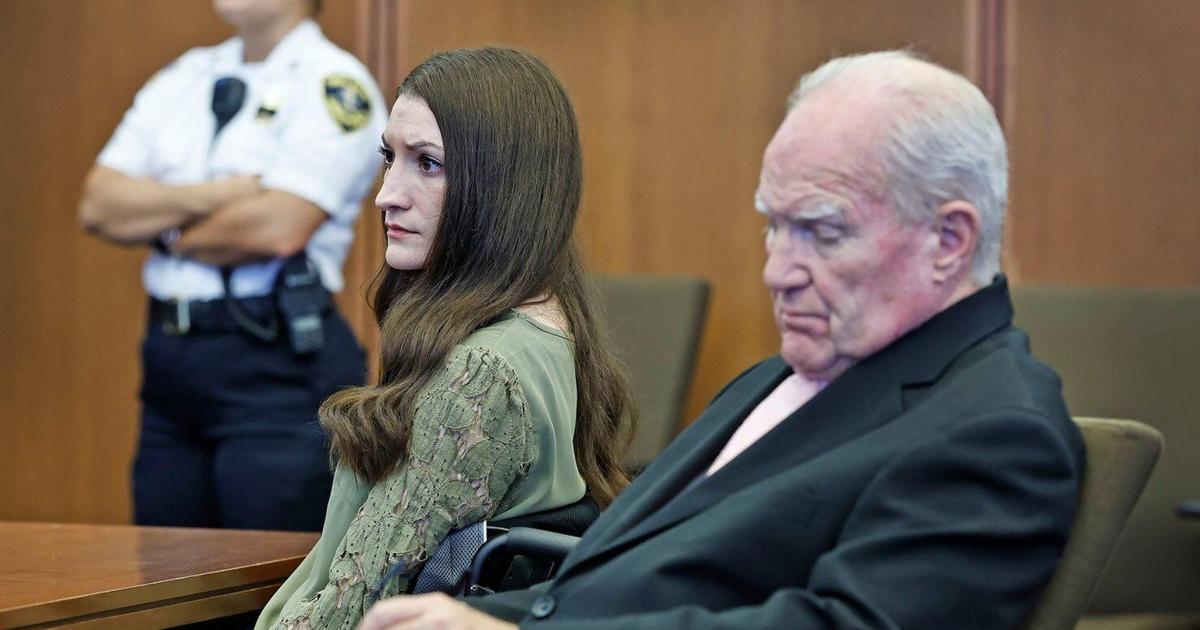
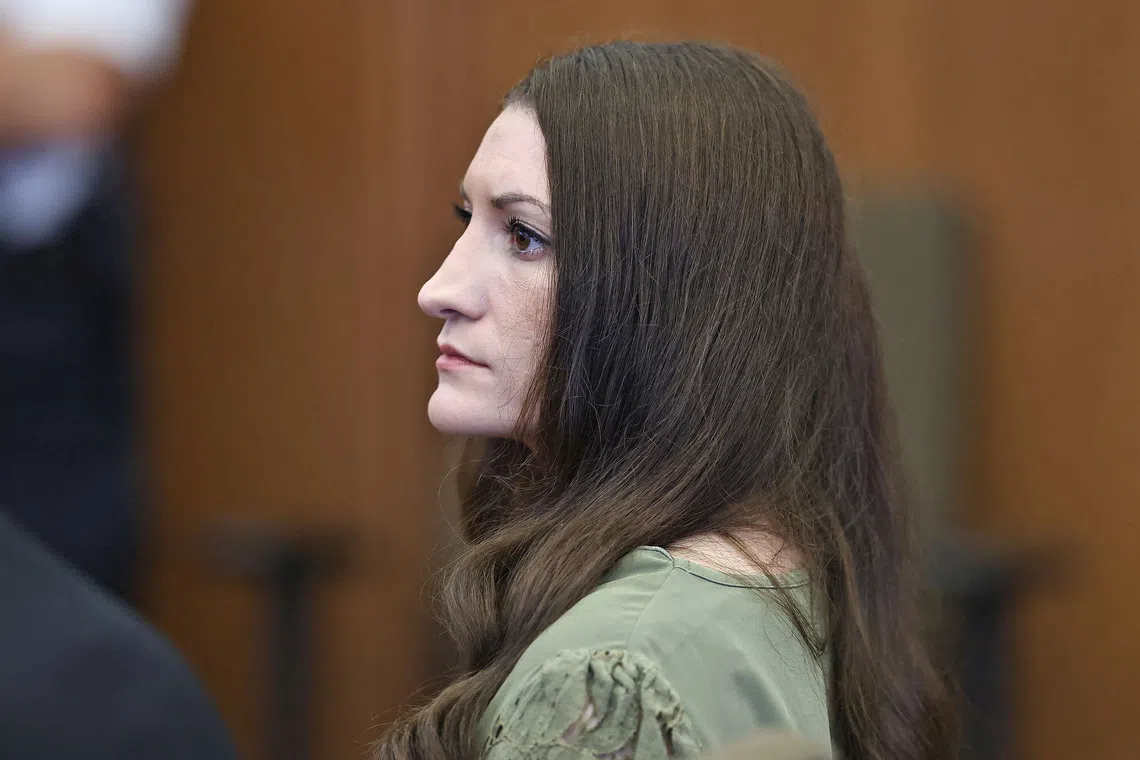
Dr. Phil McGraw on Saturday weighed in on the Lindsay Clancy trial, one day after the judge declared a mistrial when the jurors were unable to reach a unanimous verdict in the killings of her three children.
asserted
jurors → weigh → children
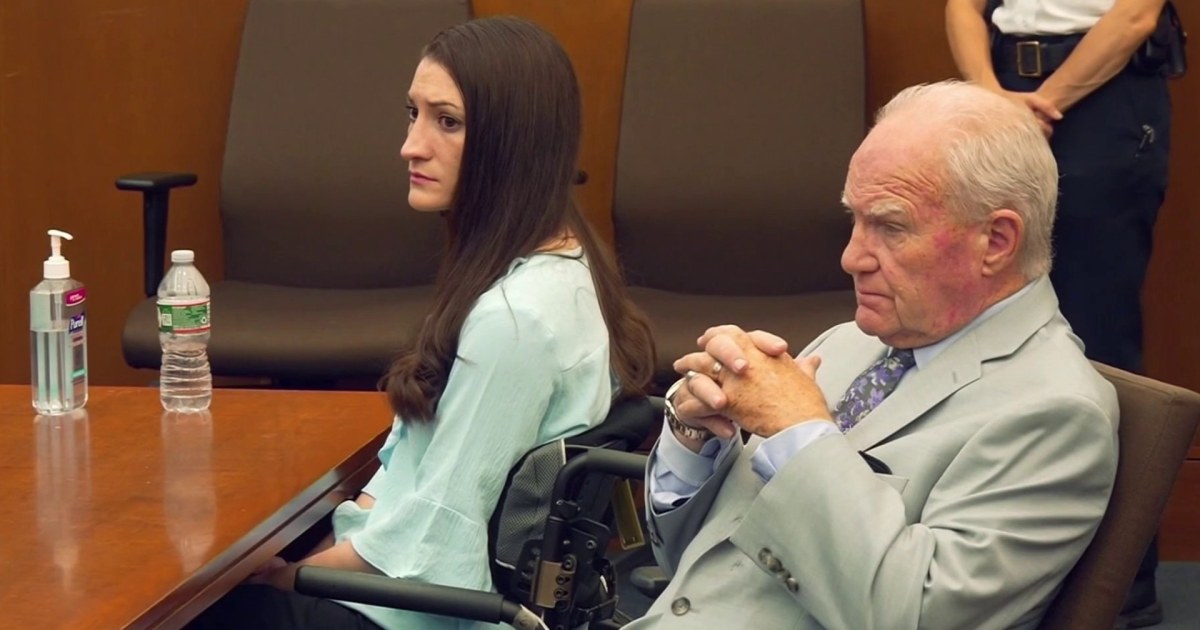
The defense team of the mother who admitted to strangling her three children to death in 2023 claims the 36-year-old was suffering from postpartum psychosis and wasn’t in control of her actions when she killed her children.
uncertain
she → admit → children
McGraw told Fox News anchor Aishah Hasnie on "Fox News Live" Saturday that Clancy's children — Cora, 5; Dawson, 3; and Callan, 8 months — "are the real folks we need to give our attention to here.
asserted
we → tell → attention
Three innocent children did lose their lives, and you can never explain these situations away simply."
asserted
you → lose → situations
He said it also concerns him when mental illness gets depicted in the courtroom, it becomes "kind of a political, ideological football that’s used to try to skew something or is kind of debunked by another side rather than looking at what actually took place."
asserted
what → say → place
McGraw stressed that there eventually will be "accountability" in the case.
asserted
McGraw → stress → case
Even if she’s not found criminally responsible, "she’s not going home."
asserted
she → find → ?
"She’s going to have to live with this the rest of her life and probably in a psychiatric facility if, in fact, she is not guilty by reason of mental defect or disease," he said.
asserted
he → go → defect
"I think people underestimate the power of psychosis in taking over someone’s life.
asserted
people → think → life
It’s not an excuse, but, for example, if she had a brain tumor you could see on an X-ray, people would go ‘OK, I get that.’
uncertain
I → ’ → that
And when you have what took place here, it could be just as powerful as someone whose brain is hijacked by a tumor.
uncertain
brain → have → tumor
"I’m not excusing what she did in any way," he said.
asserted
he → excuse → way
"I think she should be held fully accountable, but I think we need to understand causation."
asserted
we → think → causation
The prosecution made a "pretty clunky presentation," McGraw said, adding that he felt they got their act together "in the end."
asserted
they → make → end
"I’ve spent a lot of my professional career working in trial sciences and dealing with juries and juries looking for a coherent explanation," he explained.
asserted
he → spend → explanation
He said the defense’s explanation was "much more understandable and much more coherent than what the prosecution did.
asserted
prosecution → say → what
McGraw also worried that the case could cause a "copycat" effect.
uncertain
case → worry → effect
"We certainly don’t want that to take place here, so we need to look at what the cultural effects are," he said.
asserted
he → want → place
There is also a "huge" difference between postpartum depression and postpartum psychosis, he stressed.
asserted
he → be → depression
"Postpartum psychosis is a psychiatric emergency that requires immediate hospitalization," he said.
asserted
he → require → hospitalization
"It’s not a time to adjust medications.
asserted
It → ’ → medications
It’s not a time to schedule an extra appointment during the week.
asserted
It → ’ → week
It is a psychiatric emergency that requires in-patient care and separation from the children.
asserted
that → require → children
He called Clancy’s case a "psychiatric emergency that wasn’t treated as such."
asserted
that → call → case
It’s one thing to use the case as a "teachable moment for the country," McGraw cautioned, but it’s another for people to raise her up as some kind of "heroine."
asserted
people → ’ → heroine
"There’s nothing to be celebrated here," he said.
asserted
he → ’ → ?
"If there’s any lesson to be taken for our culture, it’s that there was a failure here.
asserted
it → ’ → culture
This was a woman who asked for help.
asserted
who → ask → help
She admitted herself to the hospital.
asserted
She → admit → hospital
The jury "tends to get it right," he said, explaining that they were "headed toward committing her for a long period of time."
"I think people need to understand that mental illness is a serious, serious issue," he said, adding he was worried that people would forget about Cora, Dawson and Callan.
asserted
people → tend → Cora
"I hate we are focusing everywhere except there," he said.
asserted
he → hate → ?
"And there are a lot of fingers to point, but now’s not the time to do that.
asserted
time → be → that
We need to adjudicate this case, and then we need to step back and say, ‘What can we learn from this?’
asserted
we → need → this
Situations like Clancy’s case "occur one or two times out of 1,000," McGraw explained, "but that’s not nothing.
asserted
that → occur → 1,000
His wish is that people would pay attention to the "red flags" depicted in Clancy’s case that can be "internalized to help mothers when they get in over their heads and need the kind of intervention that was needed here."
"Reach out for help," he urged.
asserted
he → pay → help
It’s not weakness.
asserted
It → ’ → ?
It’s strength."
asserted
It → ’ → ?
 The Aporia