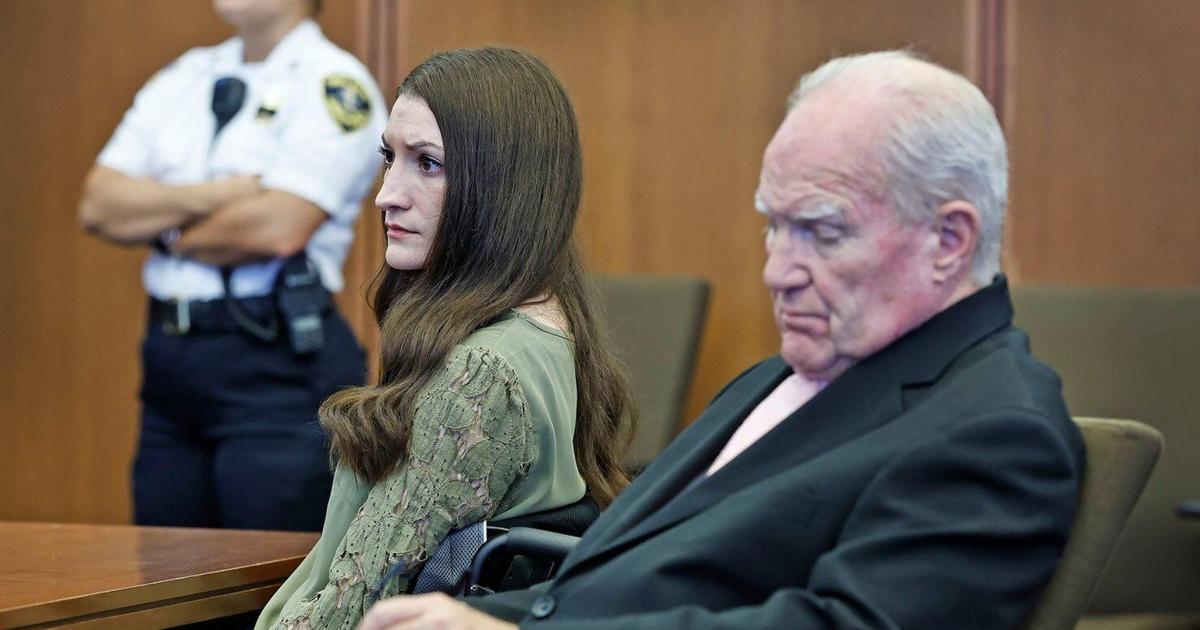
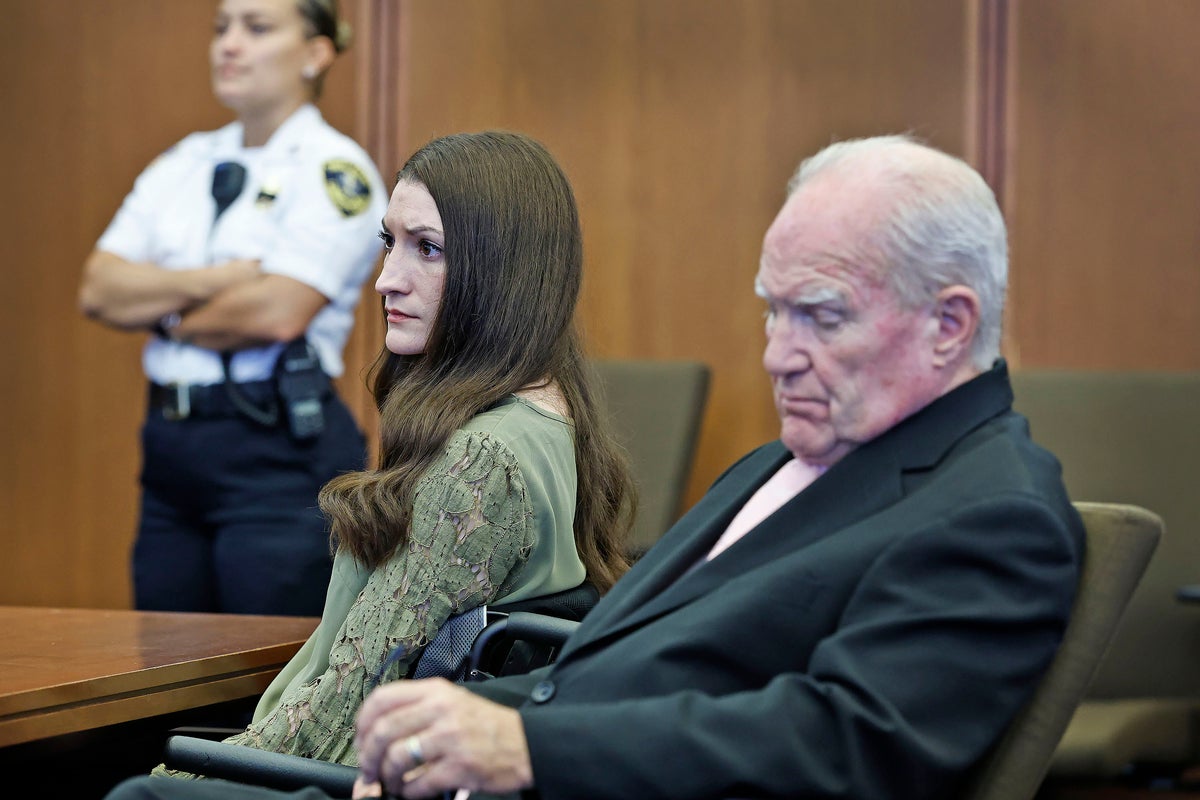
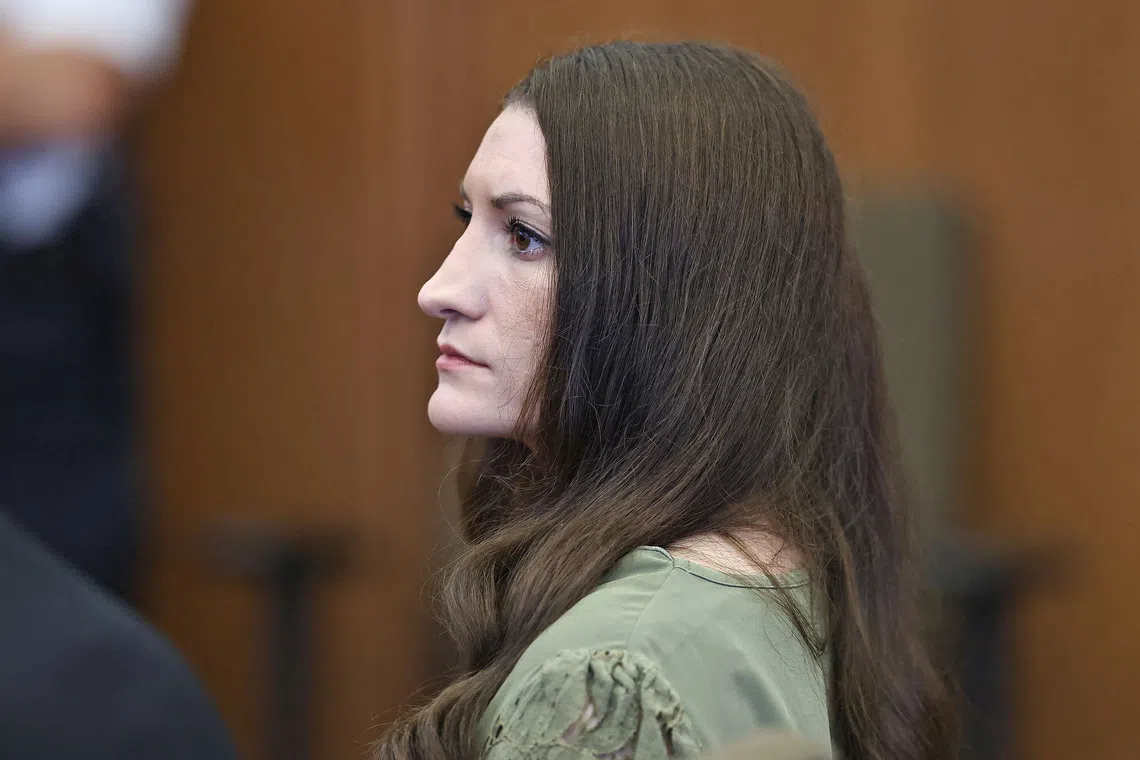
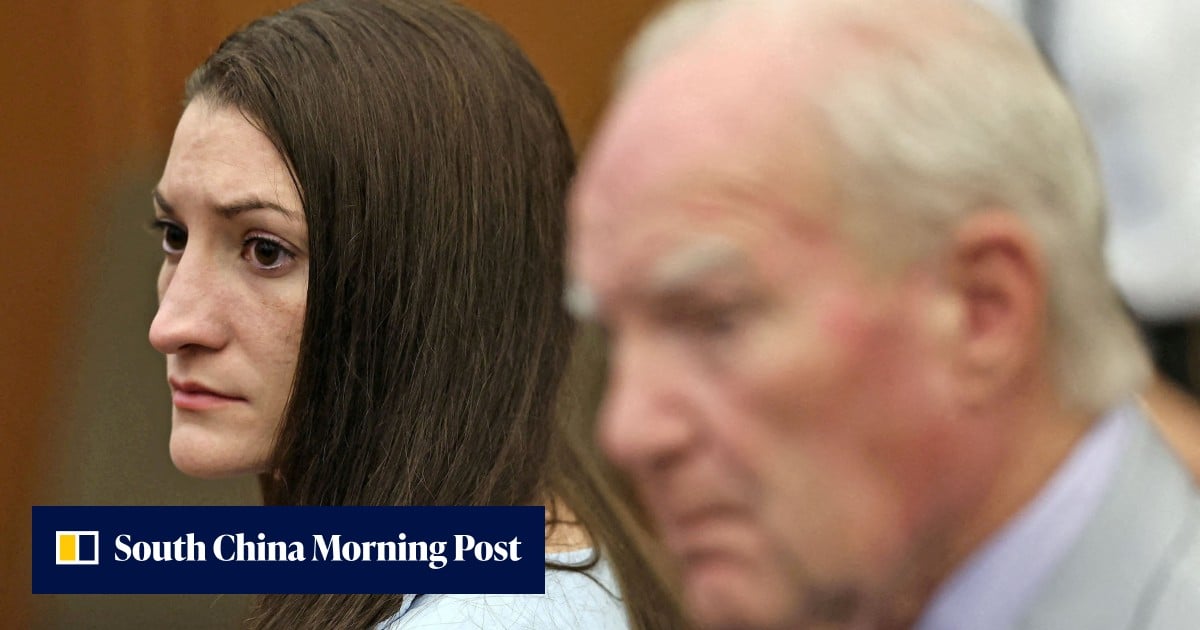
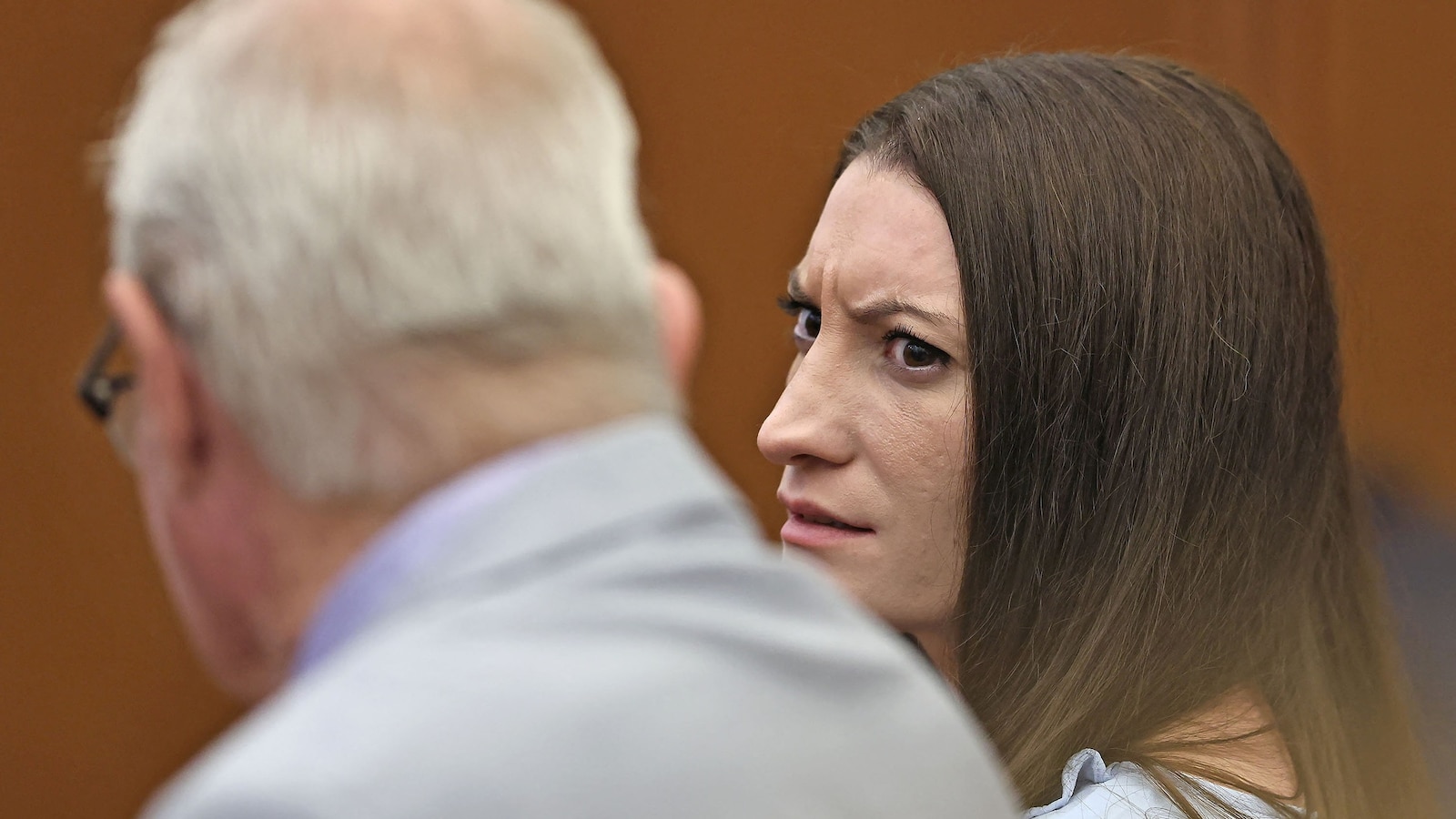
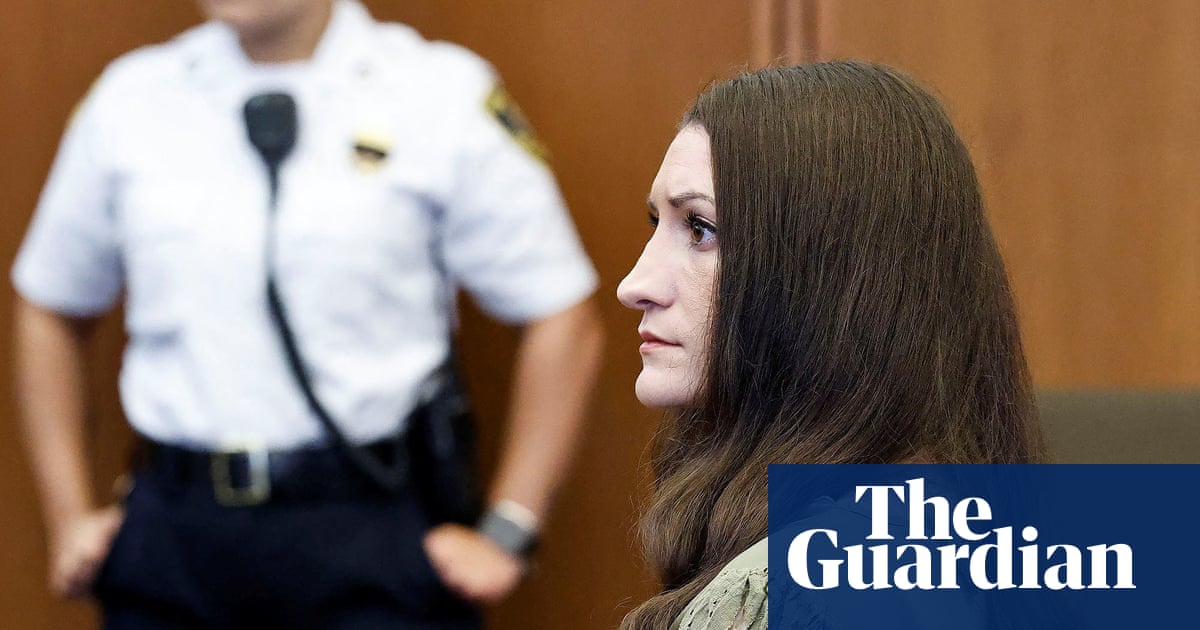
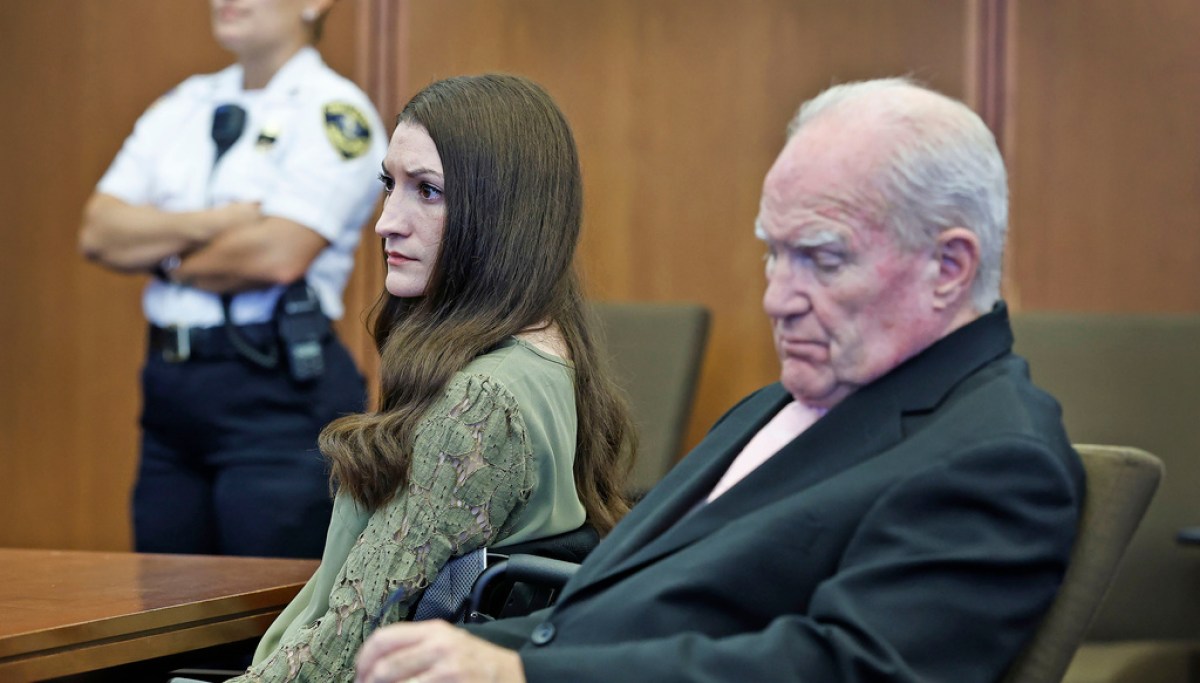
A mistrial was declared in the Lindsay Clancy murder trial on Friday after jurors failed to reach a verdict on whether she was criminally responsible for killing her three young children at her Massachusetts home.
asserted
she → declare → home
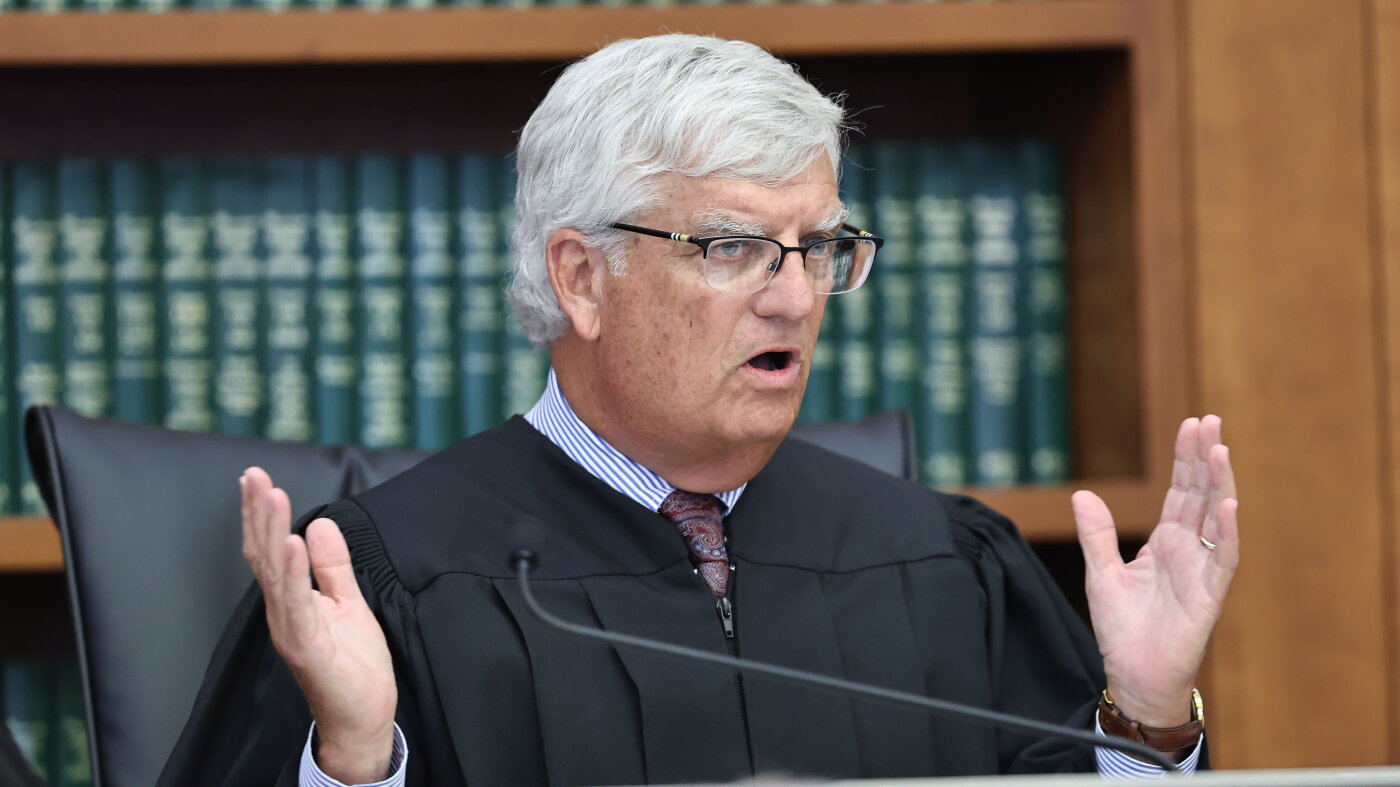
Judge William Sullivan declared the mistrial on the seventh day of deliberations after jurors sent a note saying: “It is with a heavy heart that we report we are unable to come to a unanimous decision and will not be able to.”
asserted
we → declare → decision
The emotionally charged case has sharply divided many Americans and generated intense interest for over a month as it’s drawn attention to issues around maternal mental health after childbirth.
Clancy, 36, never disputed that she killed her children.
asserted
she → charge → children
But her attorney said she had a rare condition called postpartum psychosis when she strangled her kids, the youngest just 8 months old, then tried to take her own life in 2023.
asserted
she → say → 2023
Prosecutors said Clancy knew what she was doing.
asserted
she → say → what
EDITOR’S NOTE: This story includes discussion of suicide.
asserted
story → include → suicide
If you or someone you know needs help, the national suicide and crisis lifeline in the U.S. is available by calling or texting 988.
asserted
lifeline → know → 988
___
Her former husband made an anguished 911 call
Clancy’s former husband, Patrick Clancy, was first to take the stand.
asserted
husband → make → stand
In emotional testimony, he described the day he found his wife after she tried to kill herself.
asserted
she → describe → herself
Lindsay Clancy had sent him out to get takeout food and medication for their daughter, which prosecutors argue was an excuse to get him out of the house.
asserted
prosecutors → send → house
He came home to find the house unusually silent, before finding blood throughout the main bedroom and a window open.
asserted
house → come → bedroom
Jurors listened to the 911 call he made after finding his wife outside in the snow.
asserted
he → listen → snow
She had jumped from a second-story window.
asserted
She → jump → window
Clancy can be heard speaking with his wife, then telling the dispatcher he’s going to check on the children.
asserted
he → hear → children
Moments later, he howls and cries after finding his children in the basement.
asserted
he → howl → basement
The confused dispatcher repeatedly asks what happened.
asserted
what → ask → ?
“She killed the kids!” he yells.
asserted
he → kill → kids
Everyone knew Clancy was struggling
Clancy’s mother, mother-in-law, sister, friends and co-workers testified that Clancy struggled with her mental health after giving birth to Callan, the youngest of her three children.
Clancy’s mother-in-law, Susan Clancy, said she and her former daughter-in-law were close.
asserted
she → know → children
Both worked as labor and delivery nurses.
asserted
Both → work → nurses
She described Lindsay as a wonderful mother.
asserted
She → describe → mother
But she testified that Lindsay had become anxious, paranoid and suicidal, and that the psychiatric care she was getting wasn’t helping.
asserted
she → testify → ?
“She felt unwell.
asserted
She → feel → ?
She had insomnia.
asserted
She → have → insomnia
She was losing her appetite.
asserted
She → lose → appetite
She was very anxious and sad,” Susan Clancy said.
asserted
Clancy → say → ?
“She was begging for help.”
asserted
She → beg → help
Lindsay Clancy’s mother, Paula Musgrove, testified that her daughter was scared to sleep alone, became paranoid and believed the medications she was taking “were destroying her mind.”
asserted
she → testify → mind
The defense questioned the quality of Clancy’s medical care
Clancy saw several doctors about her declining mental health, and eventually checked herself into a psychiatric hospital.
Her lawyer, Kevin Reddington, argued that she was misdiagnosed and overmedicated.
asserted
she → question → hospital
As he cross-examined one of her psychiatrists, Dr. Jennifer Tufts, Reddington questioned her expertise, decisions about prescriptions and use of 25-minute video appointments with limited time for talk therapy.
asserted
Reddington → cros → therapy
At one point, Reddington implied that Tufts was a box-checking “robot.”
asserted
Tufts → imply → point
“What did you do?” he asked as they discussed an appointment about two months before the killings.
asserted
they → do → killings
“You had a woman who was telling you she felt hopeless.”
asserted
she → have → you
“I told her that this was something we could address, that there was hope, that there are treatments, that there are different types of programs,” Tufts said, “so she knew that she still had options and a reason to hope.”
uncertain
she → tell → options
Clancy said she heard a voice telling her to kill them
Paul Zeizel, a clinical and forensic psychologist who visited Lindsay Clancy in the hospital after she killed the children, testified that he overheard her saying that a disembodied male voice had told her she had no choice but to kill her children and then herself.
asserted
she → say → children
Zeizel said he believed Clancy wasn’t responsible for her actions because of her deep mental illness.
asserted
Clancy → say → illness
Prosecutors called a rebuttal witness, forensic psychologist Kirk Heilbrun, who said he didn’t believe Clancy had hallucinated voices.
asserted
Clancy → call → voices
“One of the things that she said when I asked about what happened, is that in the course of strangling each child, she said, ‘Go to God, baby.
asserted
she → say → God
Go to God,’” he testified.
asserted
he → go → God
Dr. Gregory Saathoff, a senior psychiatrist for the FBI’s Behavioral Analysis Unit, testified for prosecutors that Clancy “had the capacity to know right from wrong.”
asserted
Clancy → testify → wrong
The lawyers got the last word
After testimony was complete, each side got about an hour to make their closing argument to the jury.
asserted
side → get → jury
…and 28 more, not listed.
 The Aporia